Zelensky says Oleshky ceasefire shows Russia can halt fighting but Putin is unwilling
 on Google
Ukraine's humanitarian mission to evacuate civilians from Russian-occupied Oleshky in Kherson Oblast demonstrated that a ceasefire can be arranged quickly without lengthy technical preparations, President Volodymyr Zelensky said on Nov. 7.
Zelensky's comments came ahead of talks in Abu Dhabi, which are expected to take place on Nov. 10 in a trilateral format, with Ukrainian, Russian, and U.S. officials in attendance.
In an interview with CNN's journalist Jake Tapper, Zelensky pointed to the Oleshky humanitarian mission, mediated by the U.S. First Lady Melania Trump, as evidence that a broader ceasefire does not necessarily require lengthy technical preparations.
A localized ceasefire between Ukraine and Russia lasted from Oct. 27 to Nov. 1, allowing civilians to leave Russian-occupied Oleshky, in Ukraine's southern Kherson Oblast, which has been under Russian occupation since 2022.
According to Zelensky, although negotiators in peace talks have argued that implementing a ceasefire requires extensive preparation to address monitoring challenges, arms withdrawals, and the establishment of buffer zones in Ukraine, the successful Oleshky operation has shown that these measures are not essential preconditions.
"Modern warfare is technologically different. Monitoring can be conducted using drones. You will have evidence of violations — actual video recordings," the president said.
Zelensky argued that the main obstacle to a ceasefire was Russian President Vladimir Putin's political will rather than technical difficulties.
"As we saw, the decision to establish a ceasefire in Oleshky was made very quickly. And it worked," he said, adding that Ukraine could potentially encourage Putin to agree to peace through U.S. mediation.
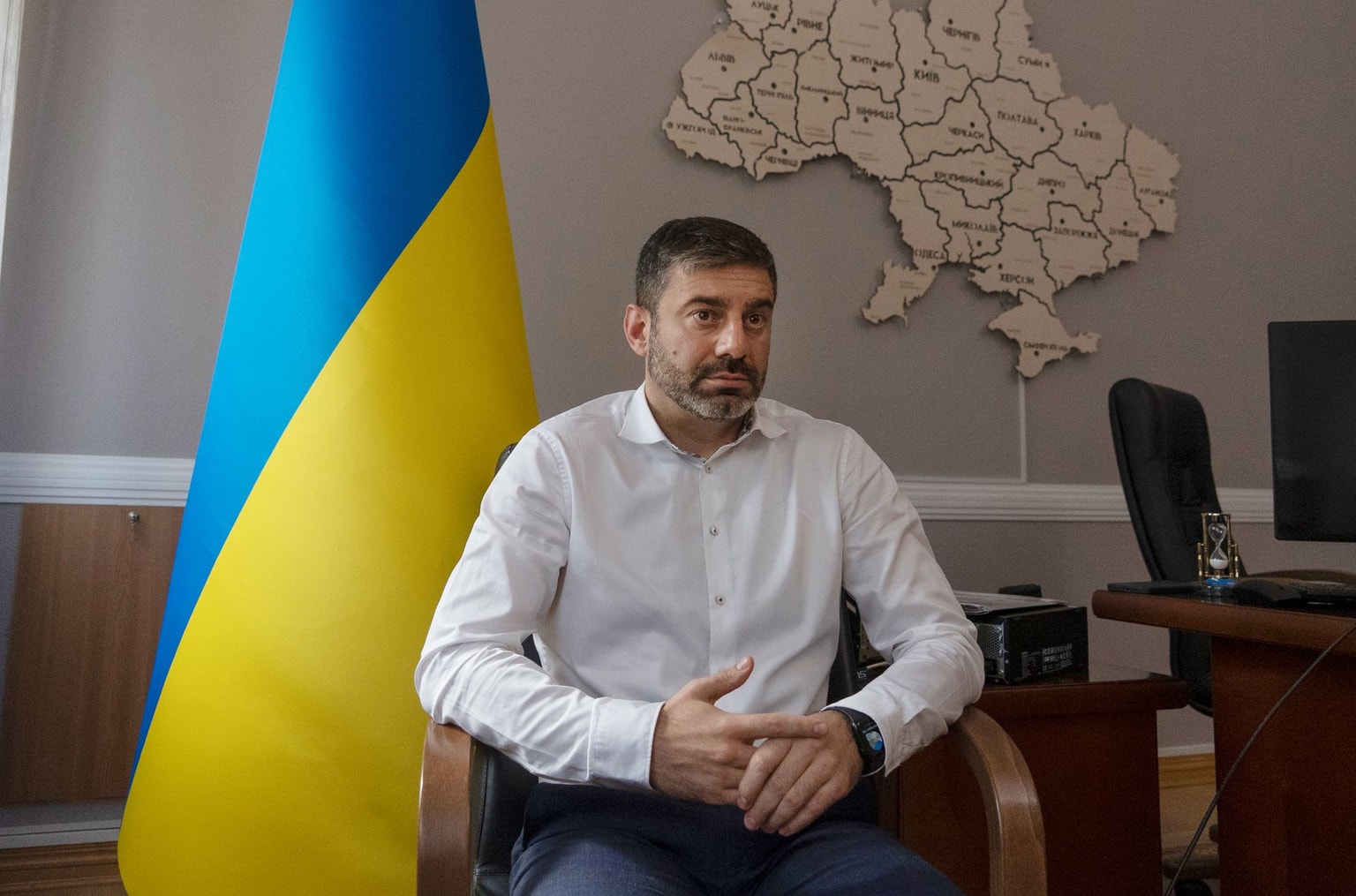
The Oleshky mission was made possible through a separate negotiating mechanism established between Ukraine and Russia, with the involvement of the U.S. Ukraine's Human Rights Ombudsman, Dmytro Lubinets, who headed the Ukrainian delegation, while his counterpart, Yana Lantratova, led the Russian side.
Lubinets said during a press conference at the Ukrainian Embassy in Washington on Nov. 6 that Ukrainian and Russian forces observed an agreed ceasefire during the humanitarian operation in Oleshky. The ceasefire lasted for five days, 19 hours, and 59 minutes.
Ukraine proposed that representatives from both sides be physically present on the ground to monitor compliance with the agreements. Lubinets personally visited Russian-occupied territory during the mission, describing it as an "unprecedented development since the beginning of Russia's full-scale invasion."

The humanitarian operation followed months of efforts to secure assistance for residents of Oleshky, who have faced severe shortages of food, drinking water, electricity, and medical supplies. Russian forces had effectively blockaded the town, preventing humanitarian organizations from delivering aid.
Lubinets said he had received the first appeals from Oleshky residents in late February 2026. Efforts to involve international organizations and foreign partners continued for months, with the involvement of the U.S. First Lady and her team in September this year marking a turning point, he said.
Ukraine has already received new requests from residents seeking to leave the occupied town, Lubinets added.
But the Kremlin has publicly ruled out further such humanitarian operations in the foreseeable future.
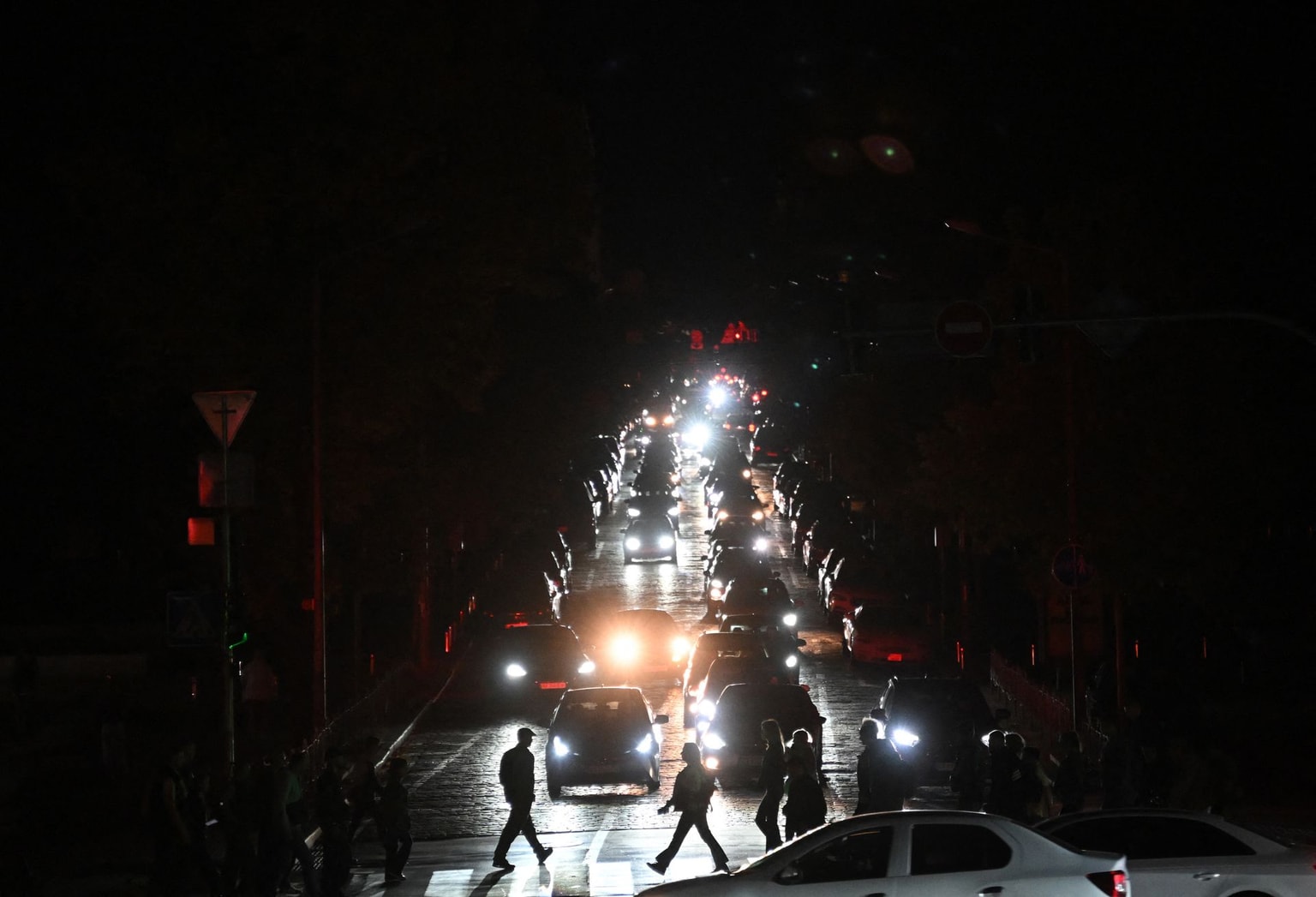
Meanwhile, Zelensky said Russia has been intensifying attacks on Ukraine's infrastructure to pressure Kyiv and its international partners as they prepare for another attempt to advance diplomatic efforts.
"Russia perceives diplomacy in a specific way — as a subtype of aggression," Zelensky said following a meeting on the consequences of Russia's Nov. 7 overnight attack.
According to Zelensky, Russia launched 36 ballistic missiles, all on Kyiv and the surrounding region, while Ukraine's Air Force said it managed to intercept only four ballistic missiles.
He said Ukraine continued to face a significant shortage of interceptors for its Patriot air defense systems, a shortage that the U.S. is best positioned to help address.
"At all levels, we are looking for ways to accelerate supplies and convey the necessary signals to the American side, so that Ukraine is given the opportunity to protect lives," Zelensky said.
He argued that Russia was using intensified strikes against Ukraine and its infrastructure to increase pressure on Kyiv's negotiating position and that of its international partners.
Zelensky called on the United States and other allies to maintain a principled position rather than allow Moscow's military escalation to influence the diplomatic process.
The trilateral meeting with Russia was initially expected to take place in October, after U.S. President Donald Trump's envoys Steve Witkoff and Jared Kushner visited Ukraine and Russia. The visits resulted in an agreement in principle to hold negotiations, but the Kremlin later declined to participate.
The planned talks follow a renewed U.S. effort to revive negotiations. Moscow has repeatedly rejected Western-backed proposals for a full and unconditional ceasefire, which Kyiv has supported, while continuing to demand that Ukraine cede Donbas.