'It’s like a ghost town' — Search continues after deadly Russian strike on underground shelter in Southern Ukraine
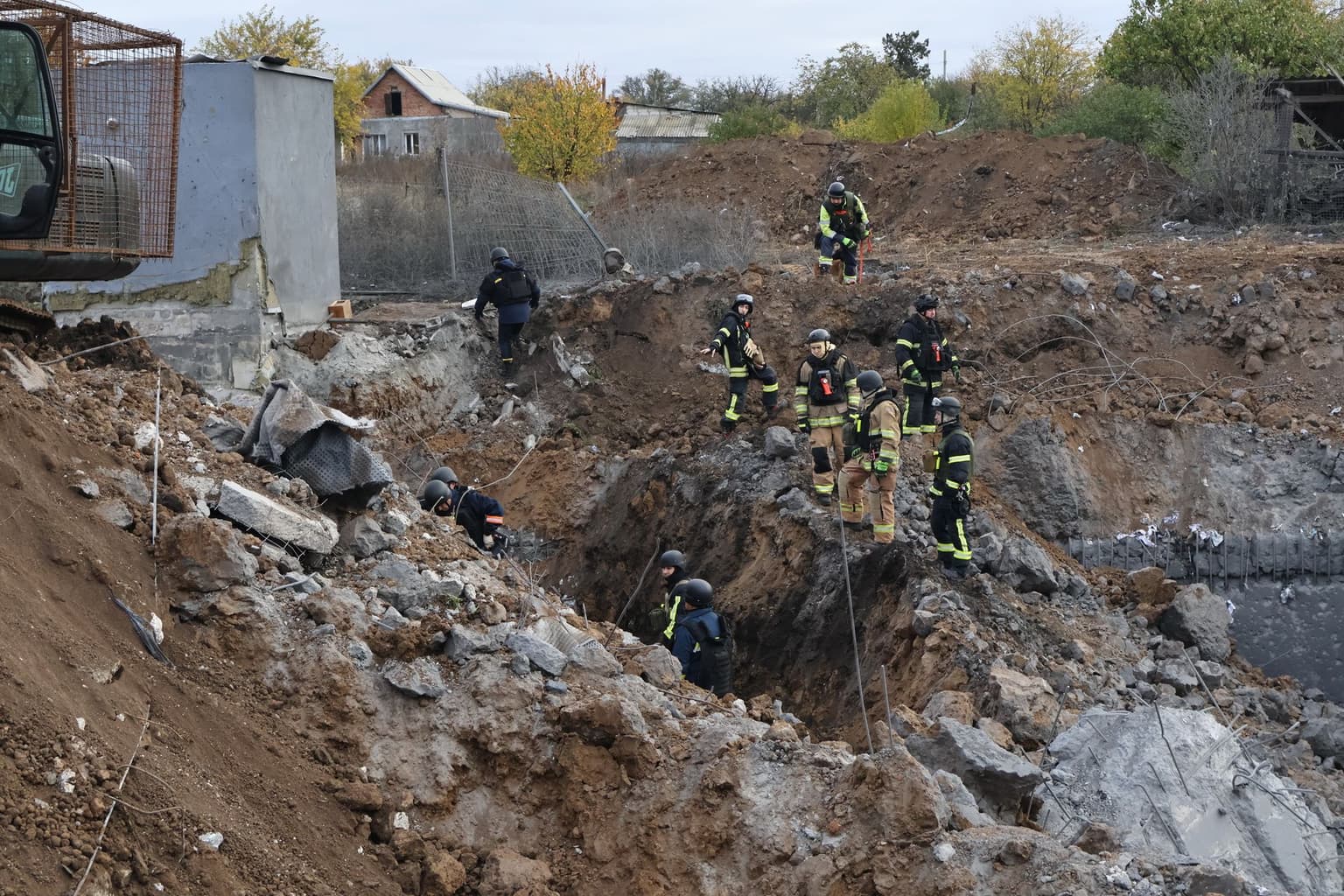
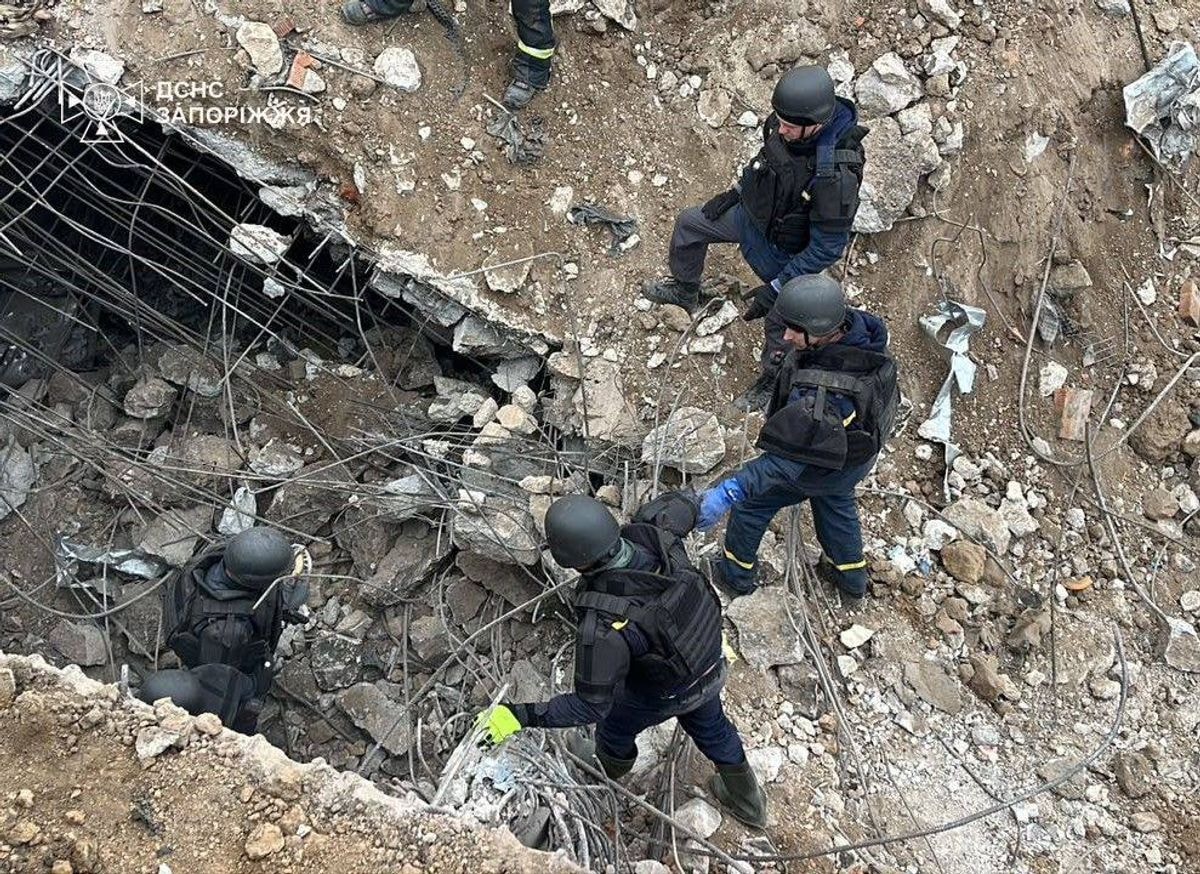
Rescuers search for victims at the site of an underground school destroyed in Russian-guided aerial bomb strikes in Komyshuvakha, Zaporizhzhia Oblast, Ukraine, on Nov. 5, 2026. (Andriy Andriyenko / Ukraine’s 65th Mechanized Brigade via AP)
 on Google
After three days of uncertainty, police found 56-year-old Olha alive and unharmed on Nov. 5. Her family had not been able to reach her since Russian bombs devastated the front-line settlement of Komyshuvakha on Nov. 2, and feared she might be buried under the rubble. Olha is the seventh person police have located since, but dozens of others remain missing.
For a fifth consecutive day, rescuers are searching through the ruins of an underground humanitarian aid center, where the death toll continues to rise and the full scale of the tragedy remains unknown.
Russia's attack on the small community came a mere day after a rare localized ceasefire allowed hundreds of civilians to evacuate Russian-occupied Oleshky in neighboring Kherson Oblast.
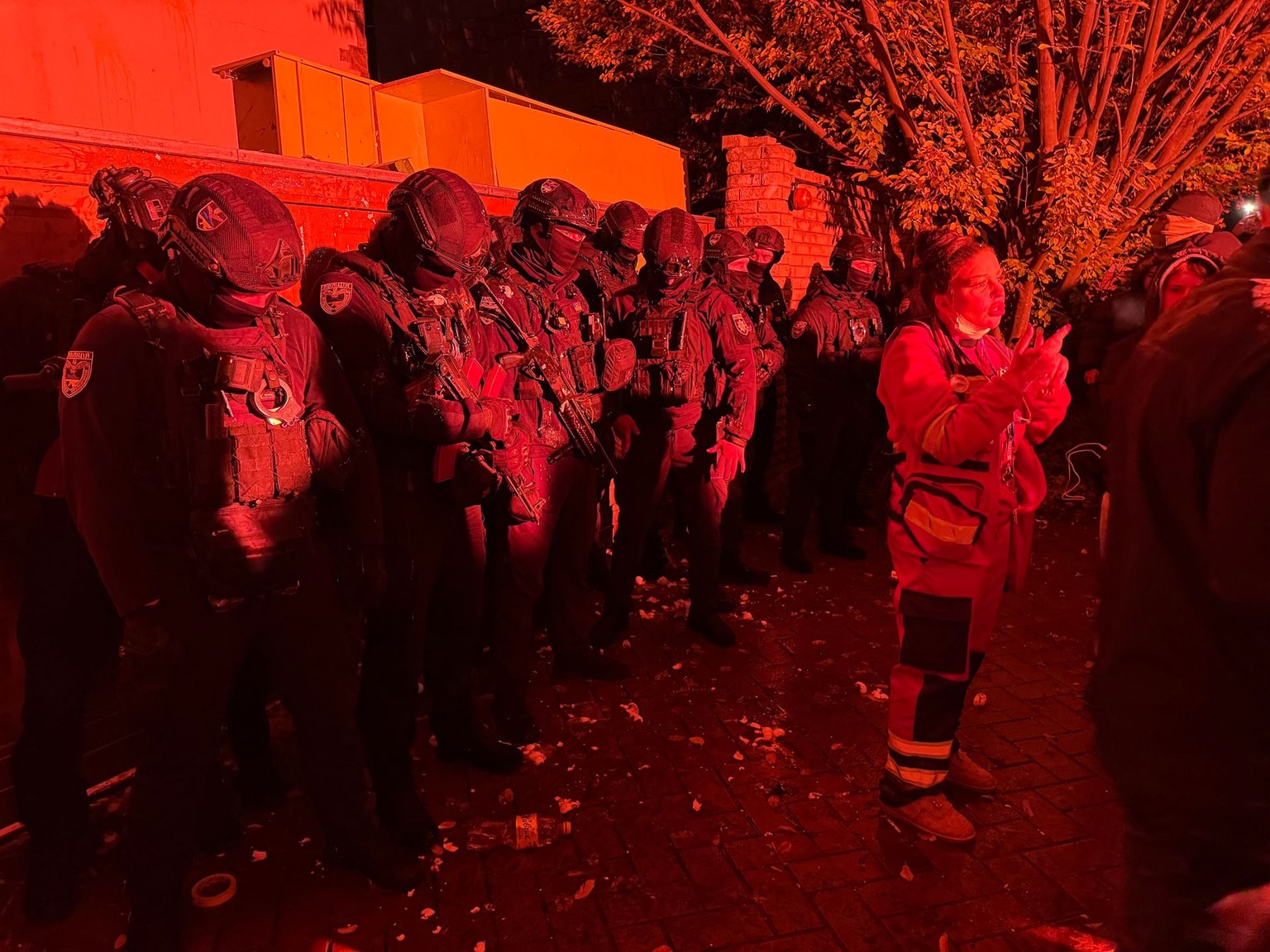
Russian forces struck the humanitarian aid center — a school building — with guided aerial bombs as residents were receiving humanitarian aid. When police officers and rescue workers rushed in to help the injured, Russia struck again, Ukrainian authorities said. In this double-tap attack, nine more bombs struck a shelter where people were taking cover, President Volodymyr Zelensky said.
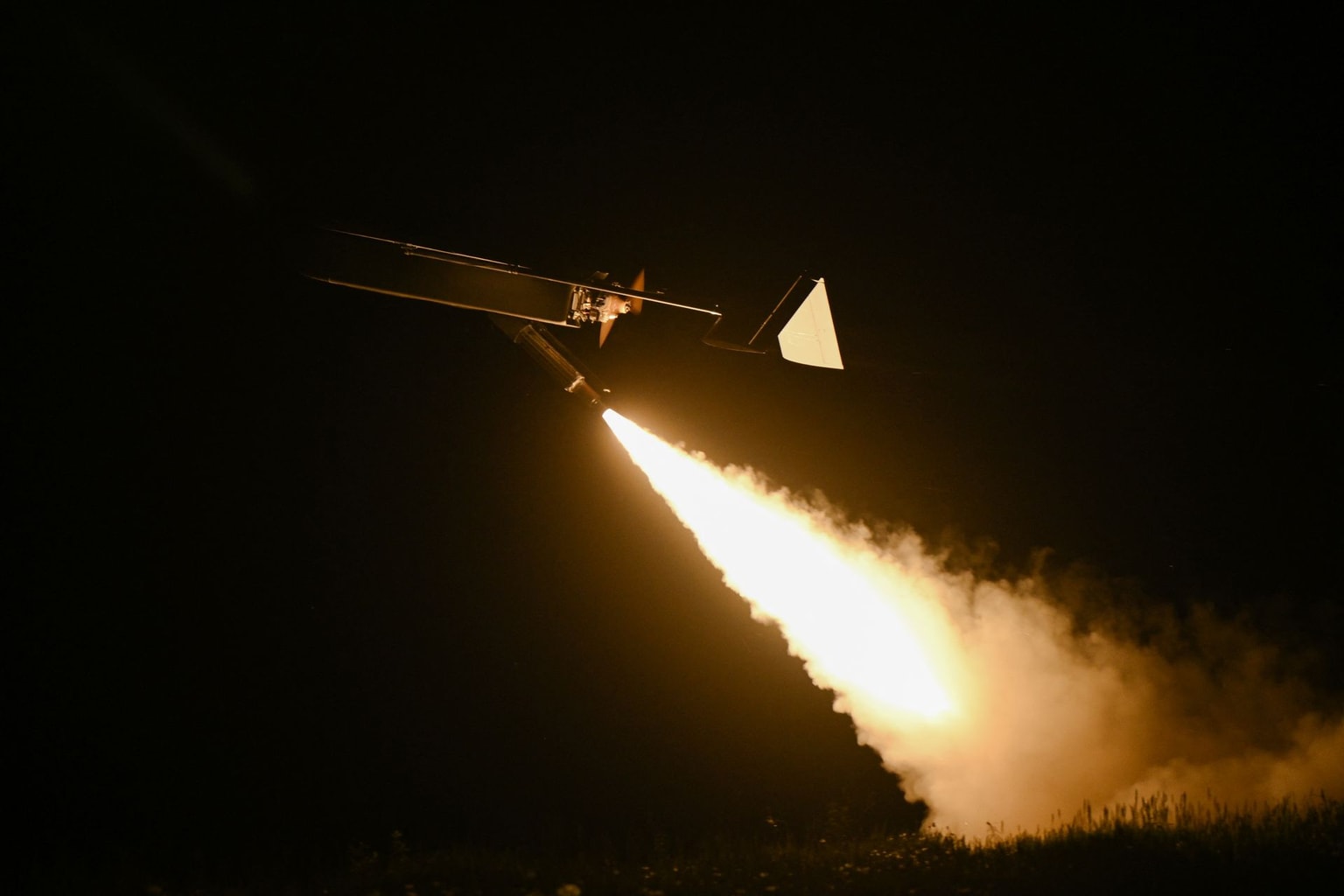
According to Ukrainian officials, Russian forces carried out ten aerial bomb strikes, first using FAB-500 bombs, before deploying a FAB-3000 — a 3-ton bomb containing nearly 1.5 tons of explosives with a blast radius of up to 250 meters. A direct hit caused the shelter's underground concrete structure to collapse.
"In this one settlement alone, in just one day, nearly 100 people may have been killed by Russian bombs."

As of Nov. 6, 53 people had been confirmed dead, and another 53 remained missing, while police have located seven people reported missing, Zaporizhzhia Oblast Governor Mykhailo Semikin said.
Four others, three civilians and a rescue worker, were hospitalized with injuries. The most seriously injured is a 22-year-old woman pulled from the rubble with blast injuries and burns covering 81% of her body, according to Semikin.
"Almost the entire world is silent about this," Zelensky said. "In this one settlement alone, in just one day, nearly 100 people may have been killed by Russian bombs."
The search is unfolding under constant threat of further Russian strikes. Rescuers can work for only 15 to 20 minutes at a time before Russian drones and the threat of guided aerial bombs force them to withdraw, Oleksandr Kovalenko, a spokesperson for the Zaporizhzhia Oblast Military Administration, told the Kyiv Independent.
Some of the bodies rescuers find are so badly damaged that authorities have to collect DNA samples from relatives to identify them.
As rescuers continue to search for bodies in the rubble of Komyshuvakha's aid center, about 500 civilians, most of them over the age of 50, remain living in the settlement, according to Kovalenko.
The attack destroyed what Kovalenko described as the only relatively safe place left in the settlement — an underground facility where residents could shelter from Russian attacks and receive humanitarian aid. How that aid will reach those who remain is now unclear.
The final moments
Even for a front-line community accustomed to constant bombardment, the Nov. 2 strike was unusual.
Footage from the body camera of a police officer killed in the attack captured the moments before bombs struck the shelter.
A warning that Russian guided bombs are heading toward Komyshuvakha comes over the police radio. Officers urge civilians to take cover, and people descend the stairs into the underground shelter. Moments later, an explosion shakes the building, and the recording ends.
Zelensky said most of the victims were civilians, along with those who arrived to help after the initial strike. He accused Russia of knowing the facility was being used for humanitarian purposes.
"It was absolutely a civilian point."
Russia's Defense Ministry claimed it had struck Ukrainian military units in the area, killing up to 25 service members while destroying 15 vehicles and an electronic warfare station. It provided no evidence to support these claims.
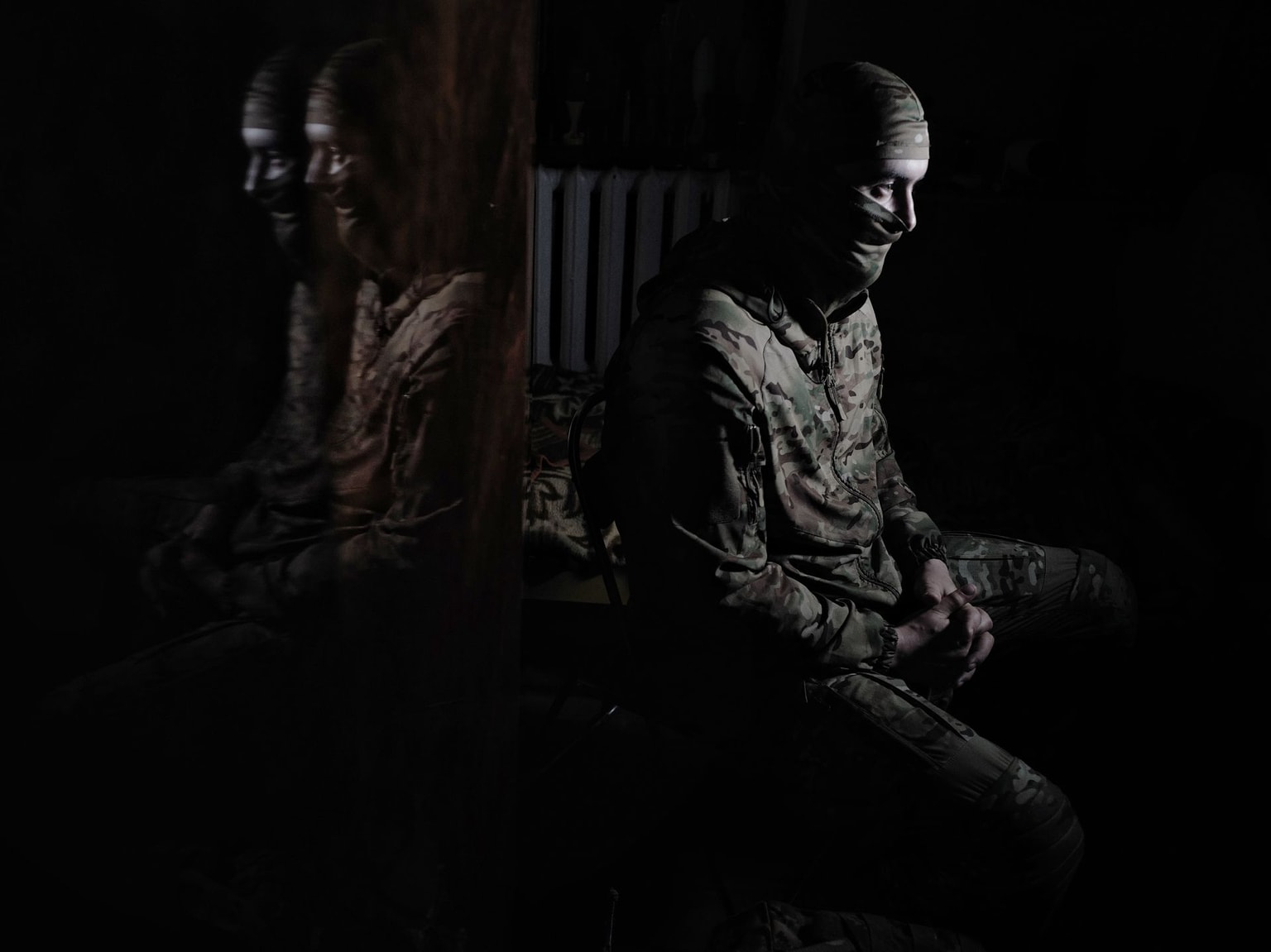
A soldier serving in Ukraine's International Legion, who requested anonymity for security reasons, said the school had not been used by military personnel for a long time.
He said Russian forces deliberately struck large buildings in front-line settlements, possibly because they believed Ukrainian troops were gathered inside.
"It was absolutely a civilian point," the soldier told the Kyiv Independent. He believed that Russian surveillance drones would have been able to establish how the facility was being used.
'We avoid going there now'
When the International Legion soldier first arrived in Komyshuvakha in late 2024, it was still a lively settlement. Restaurants, shawarma stands, grocery stores, and gas stations remained open. Civilians walked the streets, and despite military checkpoints, everyday life continued.
"It was a pretty thriving and bustling place," the soldier recalled.
Before Russia's full-scale invasion, about 5,000 people lived in Komyshuvakha. By November 2026, only about 500 remained. Police have evacuated 166 residents since the beginning of the year, including 77 older people and 33 people with limited mobility.

Until February, children attended classes at a school more than 7 meters underground. By June, the last 11 children had been evacuated from Komyshuvakha, according to Kovalenko.
About 2,500 people remain in the wider Komyshuvakha community, which includes 30 villages and settlements. More than 12,500 people lived there before 2022, Kovalenko said.
Authorities regularly encourage the remaining residents to evacuate to the regional capital, Zaporizhzhia, where temporary accommodation and assistance are available, he added. But many refuse to abandon their homes, even when these have been partly destroyed.
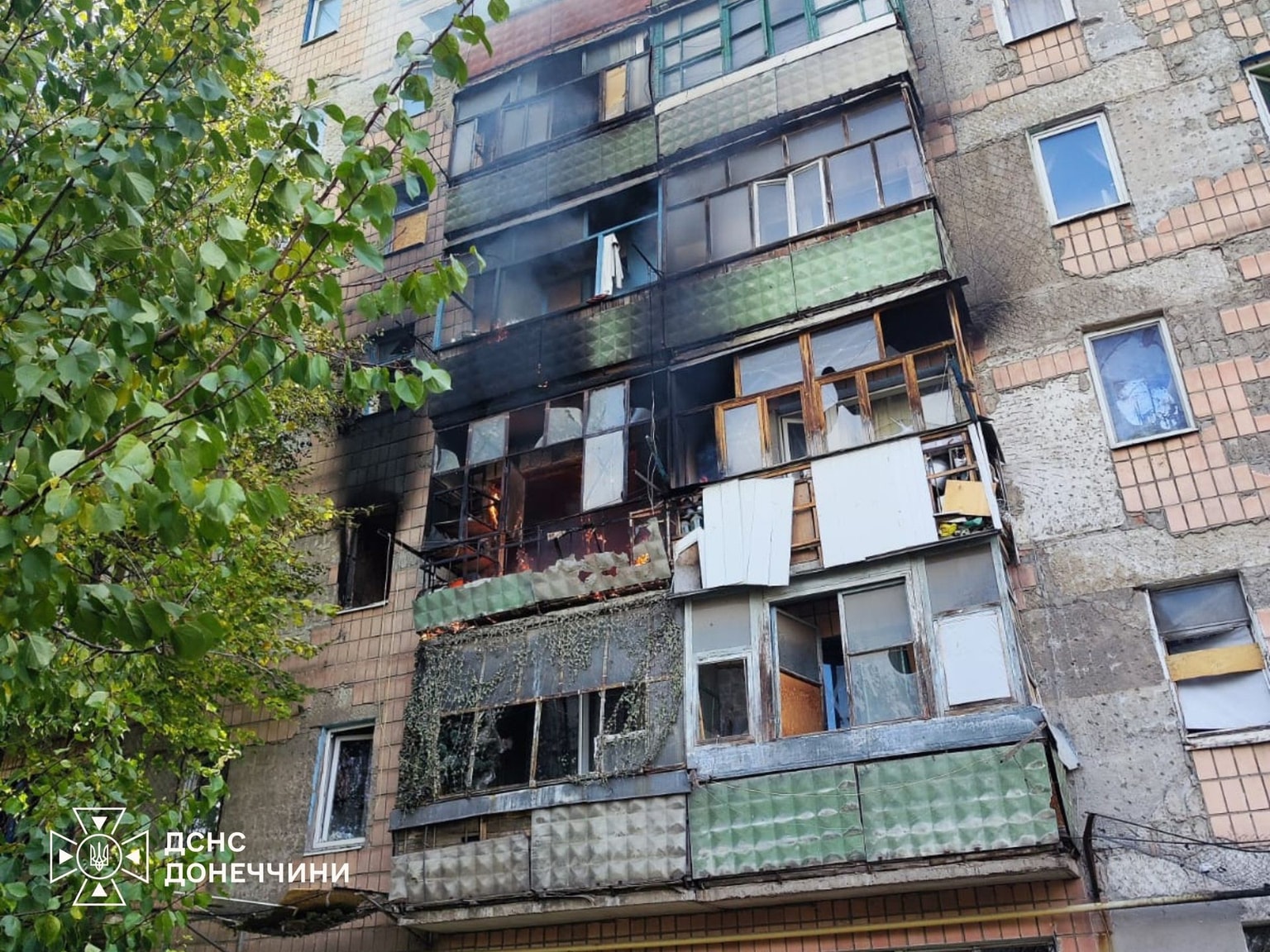
More than 60% of private and apartment buildings, as well as commercial buildings such as warehouses, shops, and pharmacies, have been destroyed, Kovalenko said.
The situation in Komyshuvakha reflects a broader reality across front-line communities in Zaporizhzhia Oblast, where settlements located just 5 to 15 kilometers (about 3 to 9 miles) from Russian positions face near-constant drone, artillery, and aerial bomb attacks. In just one day, Russian forces carried out 785 strikes on 51 settlements across the oblast, authorities reported on Nov. 6.

In Orikhiv, another front-line town about 28 kilometers (17 miles) from Komyshuvakha, a prewar population of about 13,000 has decreased to just a few hundred, Kovalenko said.
In some of the most dangerous areas, residents can no longer evacuate on their own, relying on soldiers, police, and volunteers to get them out.
Delivering humanitarian aid has also become increasingly difficult, as trips from house to house expose aid workers to Russian attacks. Places like the underground facility in Komyshuvakha have become essential for civilians who remain near the front line.
Now, Komyshuvakha has lost that lifeline. Kovalenko did not explain how aid would be delivered following the center's destruction, saying such arrangements are handled internally within the community for security reasons.
Russian drones, including fiber-optic and radio-controlled FPV drones, constantly threaten the area, making it dangerous to even travel the roads leading into the settlement.
"Now, especially over the last six months, Komyshuvakha is like a ghost town," the soldier said.
"We avoid going there now."