Ukraine war latest: Ukraine hits missile fuel production facility in Russia's Tula Oblast, military says
 on Google

Key developments on Nov. 27:
- Ukraine hits missile fuel production facility in Russia's Tula Oblast, military says
- Starshield speed restrictions apply only to Russian-occupied territories, hamper Ukraine's middle strike campaign, military sources say
- Ukraine's Azov announces 'Hell-3' operation, destroys Russian fuel depot in occupied Donetsk Oblast
- 9 Ukrainian children returned from Russian-occupied territories, Russia through Melania Trump's mediation, Zelensky says
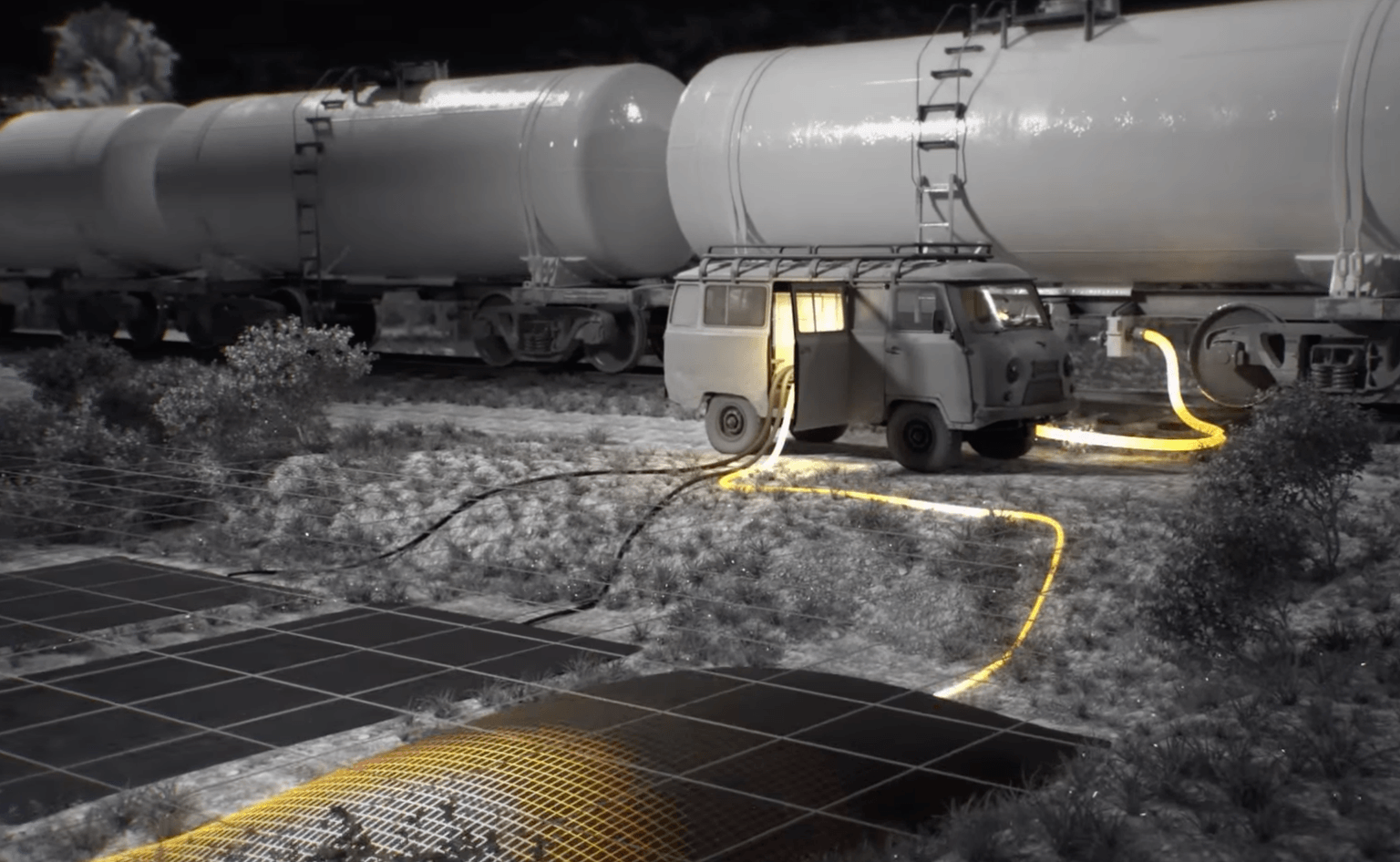
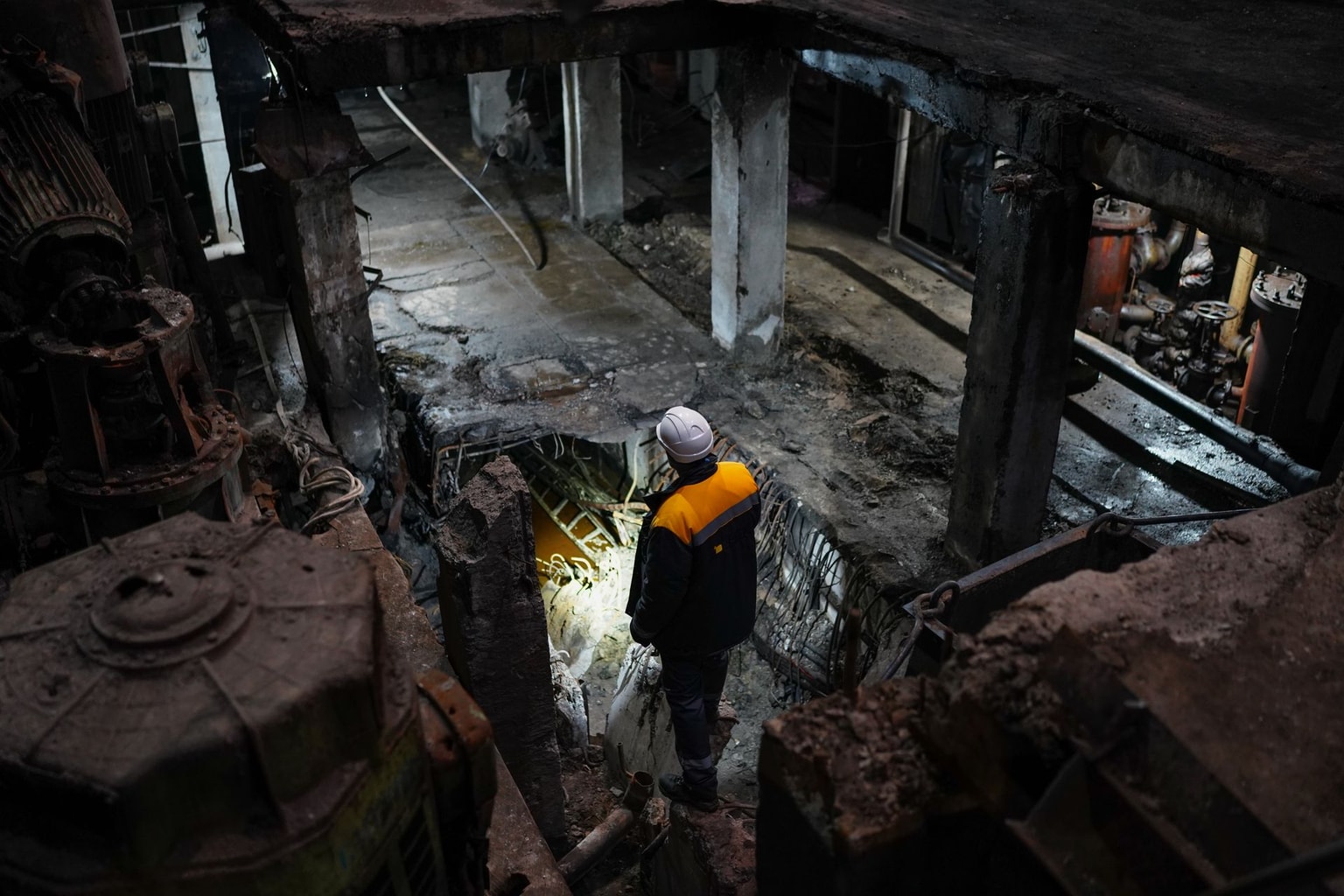
Ukraine targeted a Russian facility involved in producing solid rocket fuel, striking the Efremov Synthetic Rubber Plant in Tula Oblast overnight on Nov. 27, the General Staff confirmed.
The operation was carried out by Ukrainian forces in cooperation with the Black Spark ("Chornaya Iskra" in Russian) resistance movement operating in Russia, the General Staff said.
Synthetic rubber is a key component of solid rocket fuel, and the plant manufactures fuel used in Iskander ballistic missiles, according to the General Staff.
"Without it, the Iskander is just a piece of metal sitting in storage. These are the very missiles Russia's army uses to strike Ukrainian cities, energy infrastructure, and civilian targets," the General Staff said.
The full extent of the damage is still being assessed, the General Staff added.
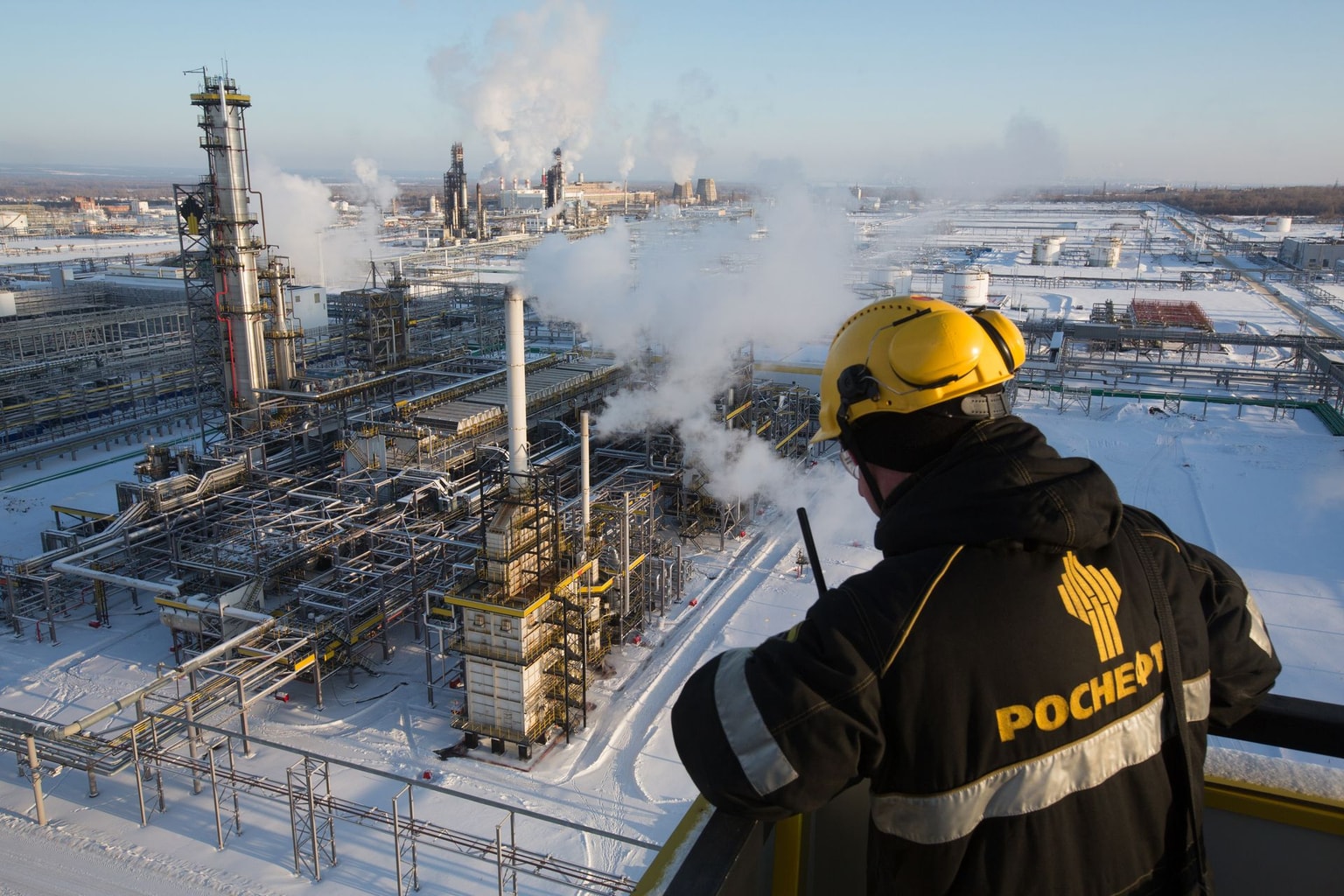
In a statement on Nov. 27, the General Staff also confirmed a strike on the Novoshakhtinsk Oil Refinery in Russia's Rostov Oblast, which has an annual processing capacity of up to 7.5 million metric tons of oil. The strike destroyed 20 horizontal storage tanks and damaged another 21 horizontal tanks, 11 vertical tanks, and a section of pipeline.
Starshield speed restrictions apply only to Russian-occupied territories, hamper Ukraine's middle strike campaign, military sources say
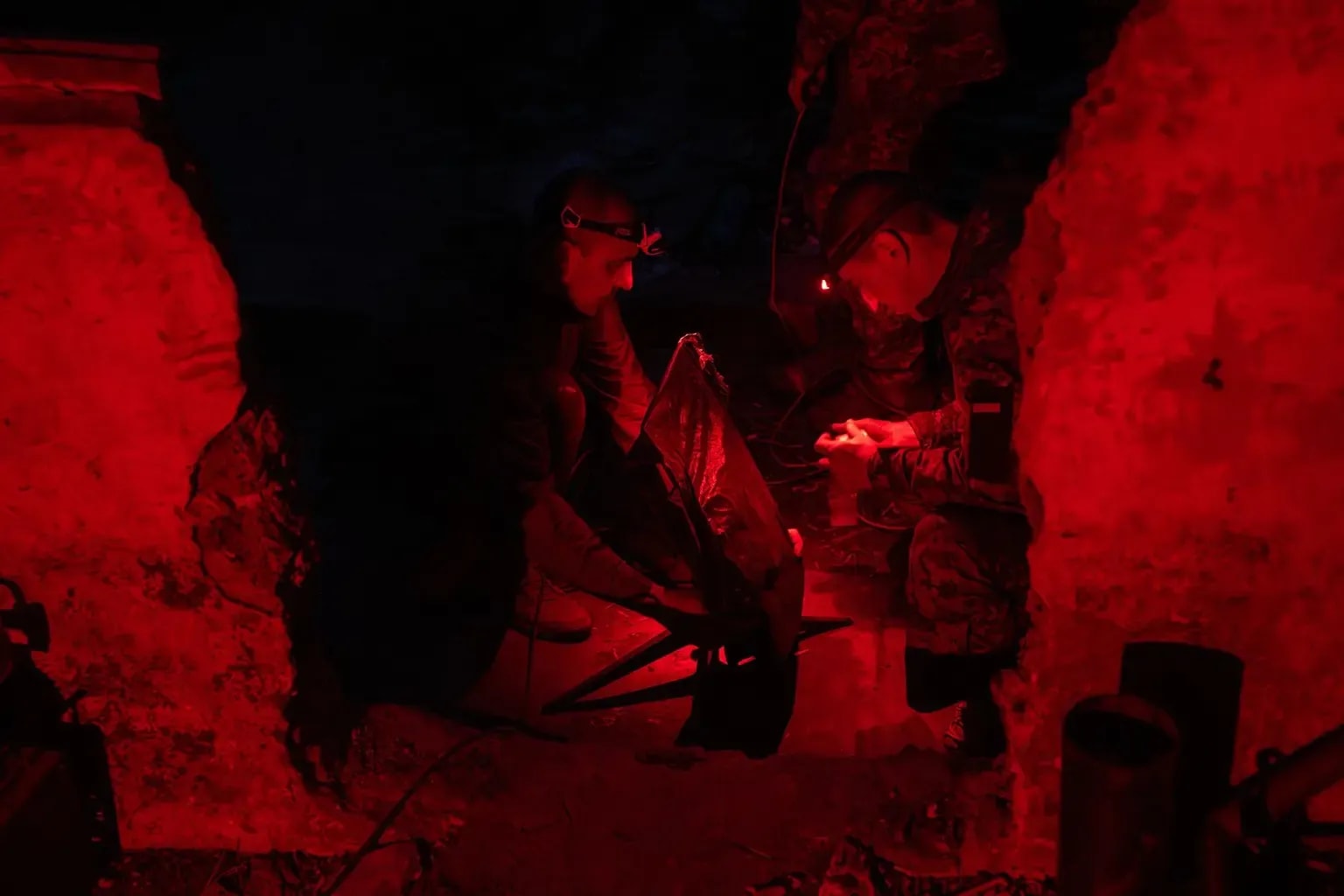
Speed restrictions on the U.S.-provided Starshield satellite communications system are hampering Ukrainian strike drone operations in Russian-occupied territory, leading to heavy drone losses and forcing the military to cancel some missions, two Ukrainian military sources told the Kyiv Independent on Nov. 27.
The restrictions, first introduced in October, have added to tensions between Kyiv and Washington over U.S. military and political support for Ukraine, while undermining Ukraine's ability to both strike Russian targets and defend against aerial attacks.
"The speed restrictions on Starshield only exist over territory of Ukraine that is temporarily occupied by Russia," a senior member of the Ukrainian military told the Kyiv Independent.
"There has clearly been a political decision to hamper the system's function over areas Russia currently controls."
Another member of the Ukrainian military told the Kyiv Independent that the restrictions have significantly affected Ukraine's medium-range strike drones, including the Fire Point FP-2, which can carry a payload of up to 200 kilograms (440 pounds) and has a range of up to 700 kilometers (435 miles).
The restrictions have resulted in extremely high drone losses during some strike missions, while others have been canceled altogether, the source said.
Ukraine's Azov announces 'Hell-3' operation, destroys Russian fuel depot in occupied Donetsk Oblast
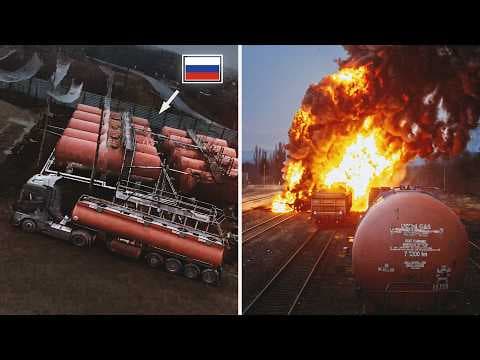
Azov's 1st Corps and the 9th Army Corps announced the success of operation "Hell-3," saying they had destroyed Russian fuel reserves concealed in Russian-occupied Donetsk Oblast.
Russian forces had concealed the fuel depot and attempted to protect it with camouflage, electronic warfare systems and mobile fire groups, but the Ukrainian units managed to destroy both the storage site and its supporting logistics infrastructure, Azov said.
The two previous phases also targeted Russian storage and logistics infrastructure in occupied Ukrainian territory.
On Aug. 17, Azov announced Operation Hell-2 targeting Russian fuel infrastructure across occupied Donetsk Oblast. The corps said it destroyed 67 fuel tanks containing a total of 4,221 metric tons of fuel, as well as vehicles used to transport supplies to Russian troops.
Operation Hell-1, announced on July 1, struck a major Russian fuel depot in Novoamvrosiivka, occupied Donetsk Oblast, using Hornet drones. The multi-stage operation also targeted railway infrastructure supplying the facility, an electrical substation, and fuel storage tanks, eventually forcing Russian forces to abandon the depot and redirect supplies into Russia, Azov said.
read also
9 Ukrainian children returned from Russian-occupied territories, Russia through Melania Trump's mediation, Zelensky says
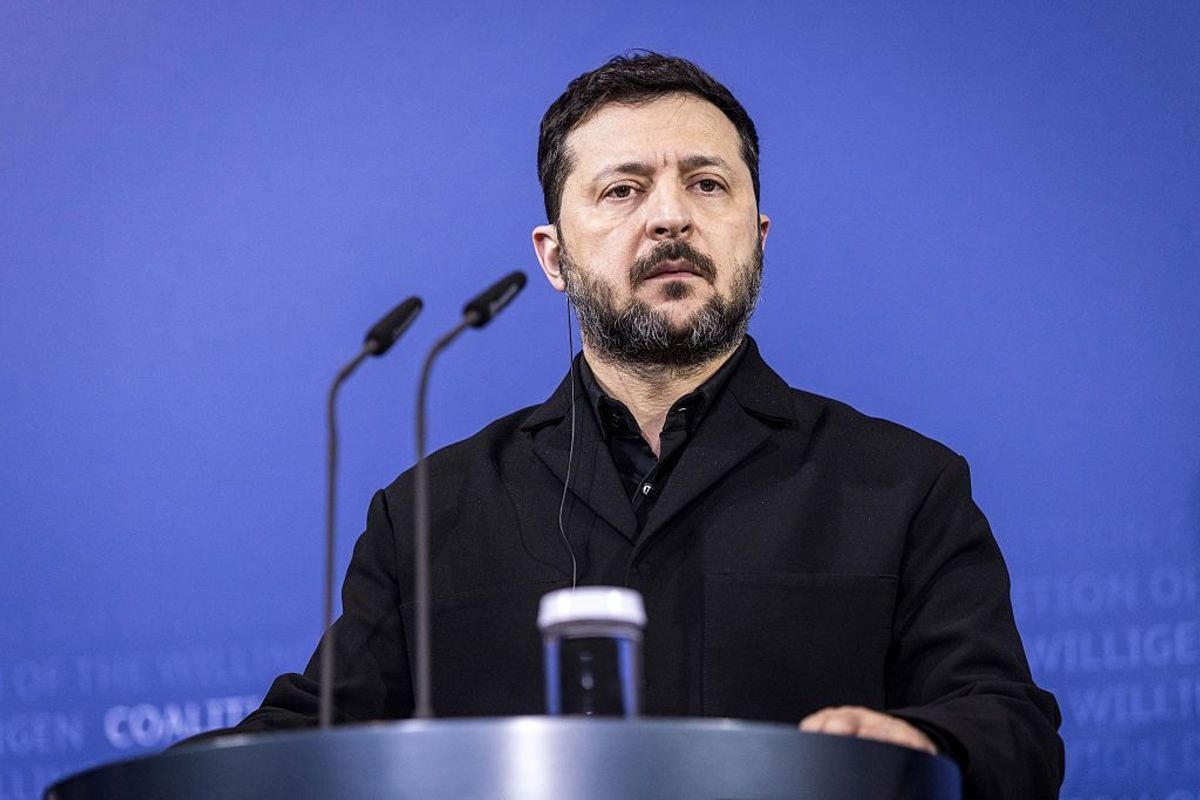
Nine Ukrainian children have returned to Ukraine from Russian-occupied territories and Russia through the mediation of U.S. first lady Melania Trump, President Volodymyr Zelensky announced on Nov. 27 on X.
Those who returned also included a grandmother who accompanied her grandson and a girl named Anastasiia, who is a resident of a children's residential institution in the town of Oleshky in the Russian-occupied part of Kherson.
Zelensky said the children were brought back from Russian-occupied Crimea, as well as parts of Zaporizhzhia and Kherson oblasts.
The youngest child among those returned was eight years old, according to Zelensky.
The president thanked Melania Trump for her assistance and mediation, as well as Ukrainian Ombudsman Dmytro Lubinets, the Bring Kids Back UA initiative, and international partners.
According to Zelensky, Ukraine has secured the return of 2,875 children, though the president did not specify the timeframe.
"We remember everyone. We are doing everything possible to find them and bring them back to their families and loved ones," Zelensky said.