As Ukraine, Russia head back to peace talks, here's what Zelensky expects
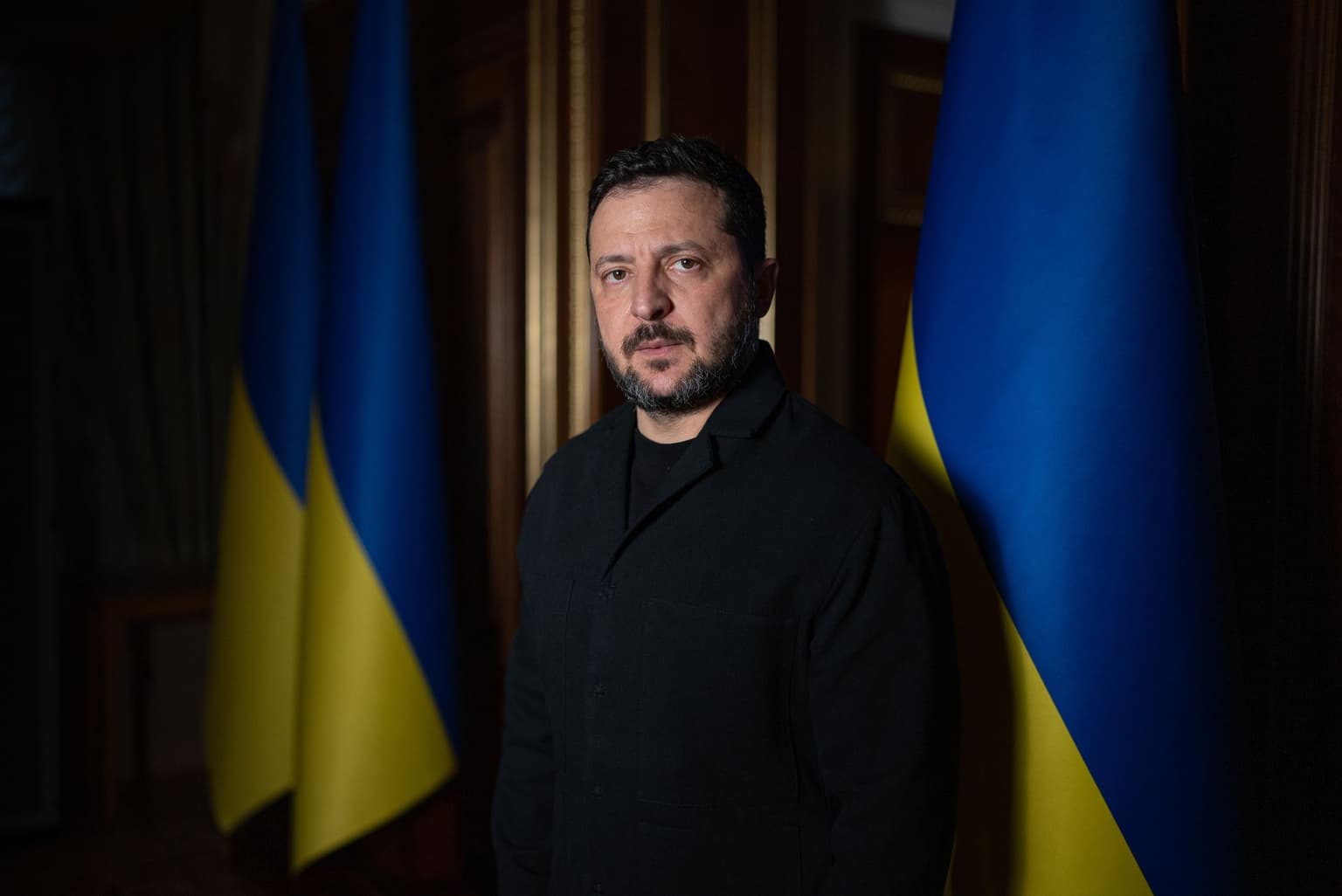
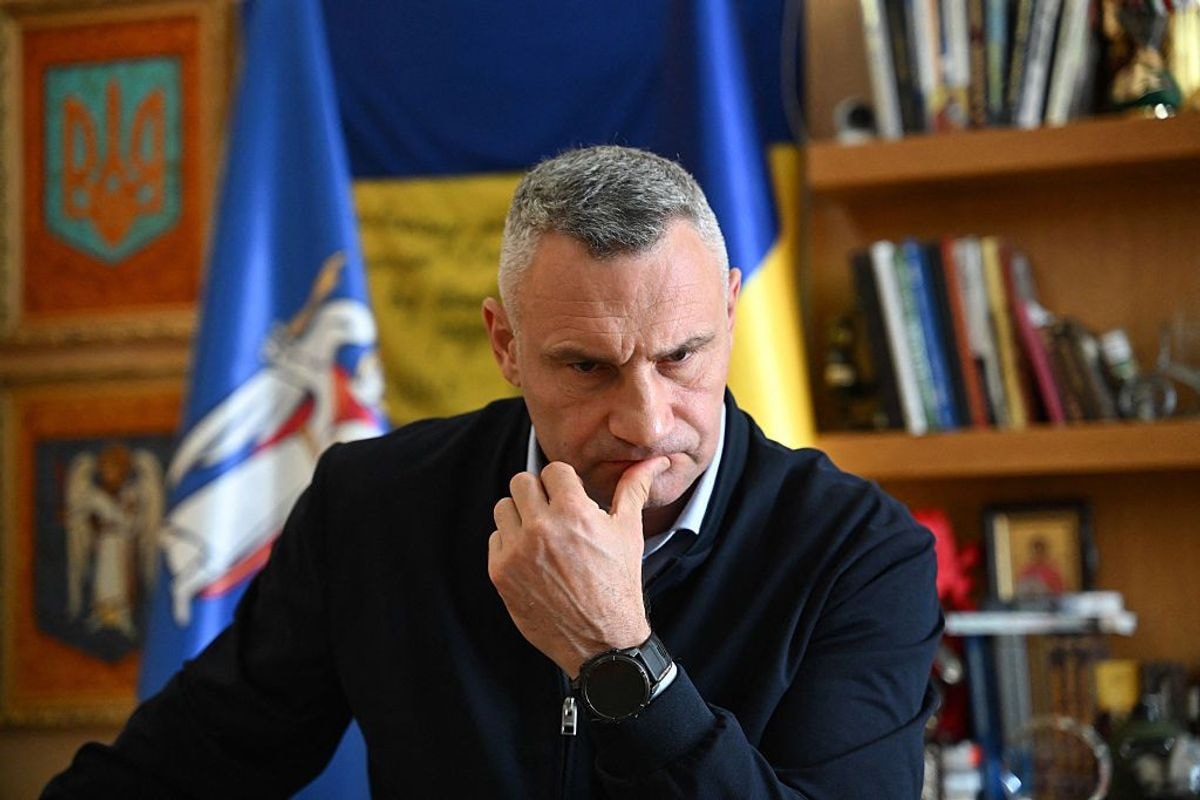
President Volodymyr Zelensky, following an interview in Kyiv, Ukraine, on Oct. 18, 2026. (Olga Ivashchenko/Bloomberg via Getty Images)
 on Google
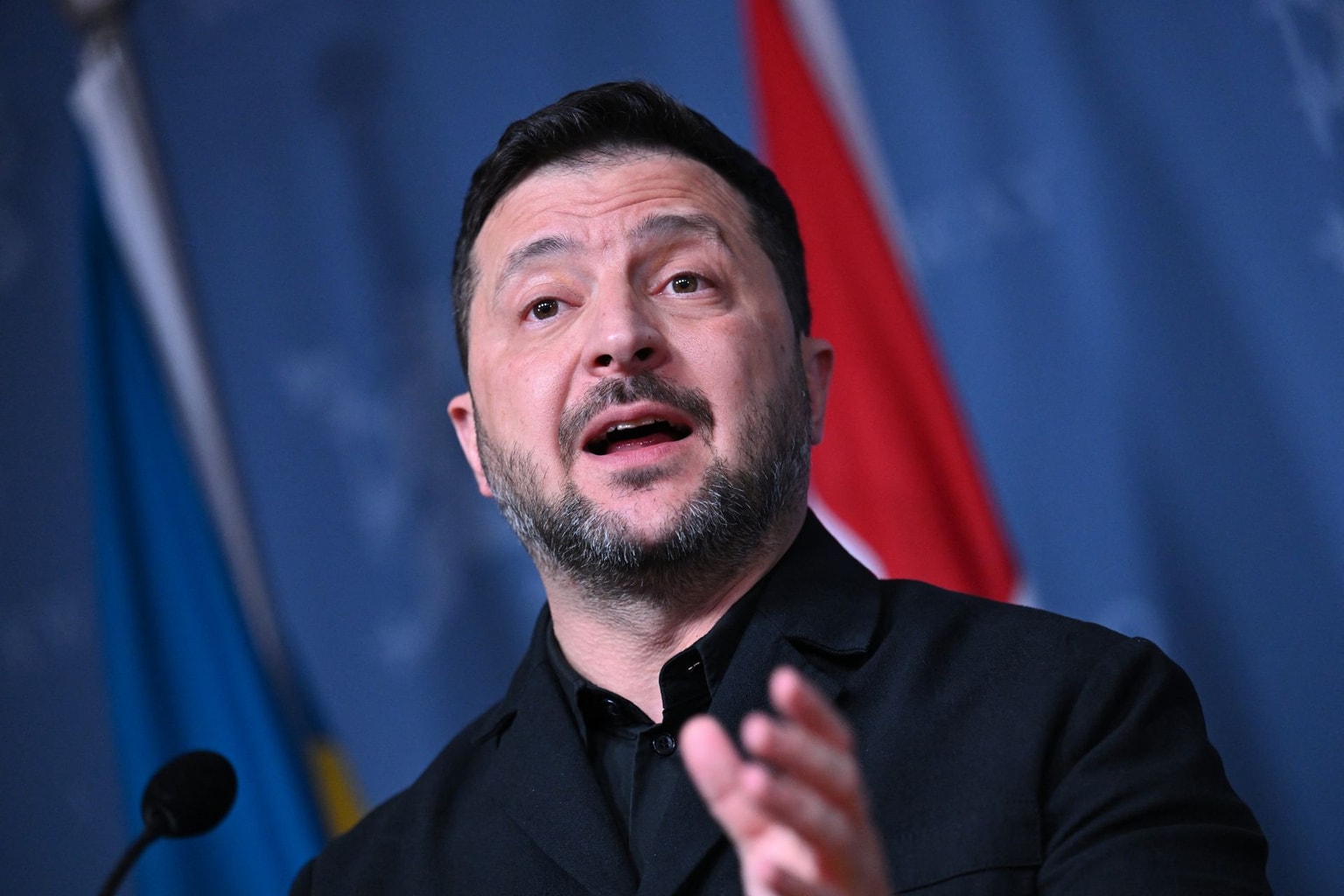
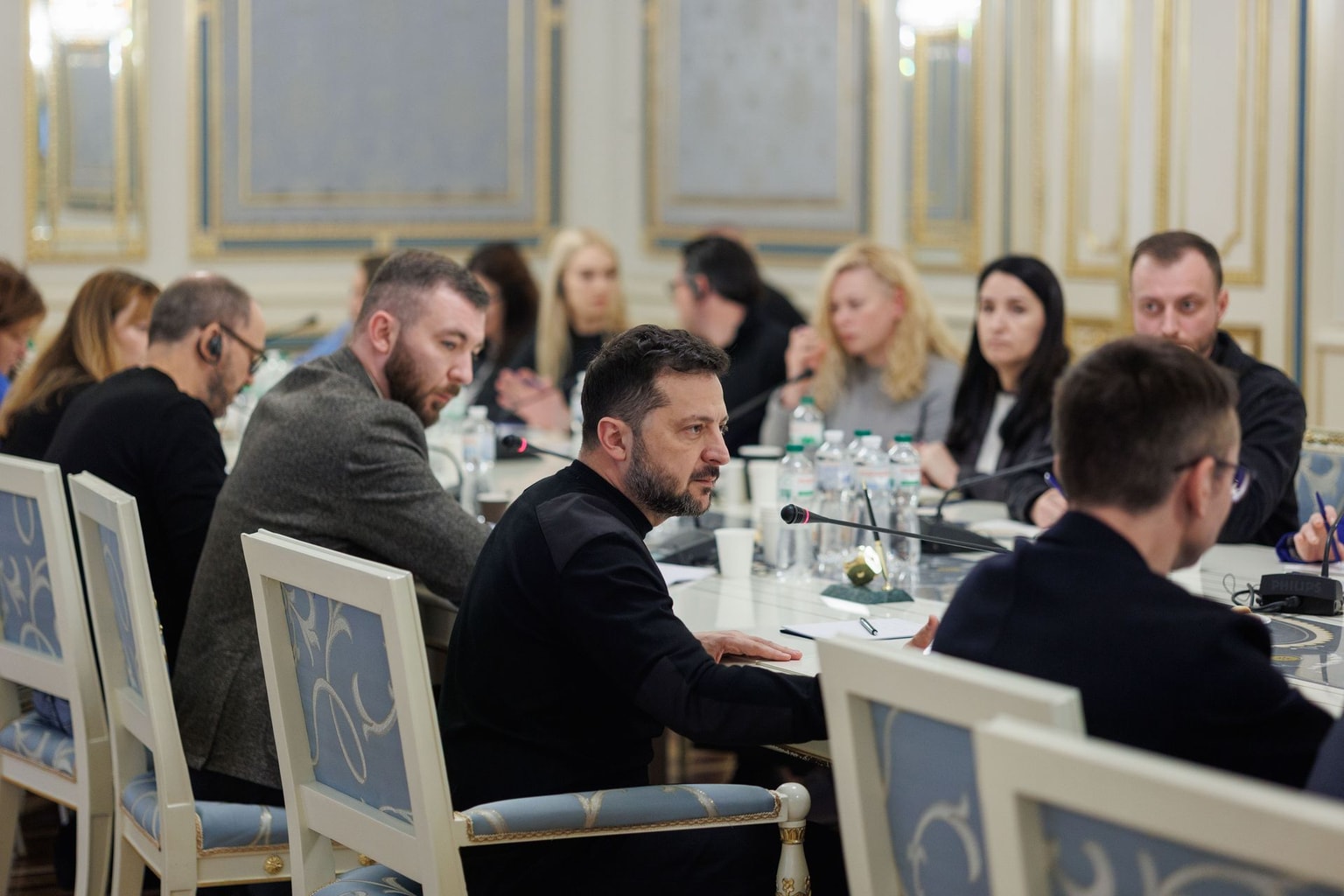
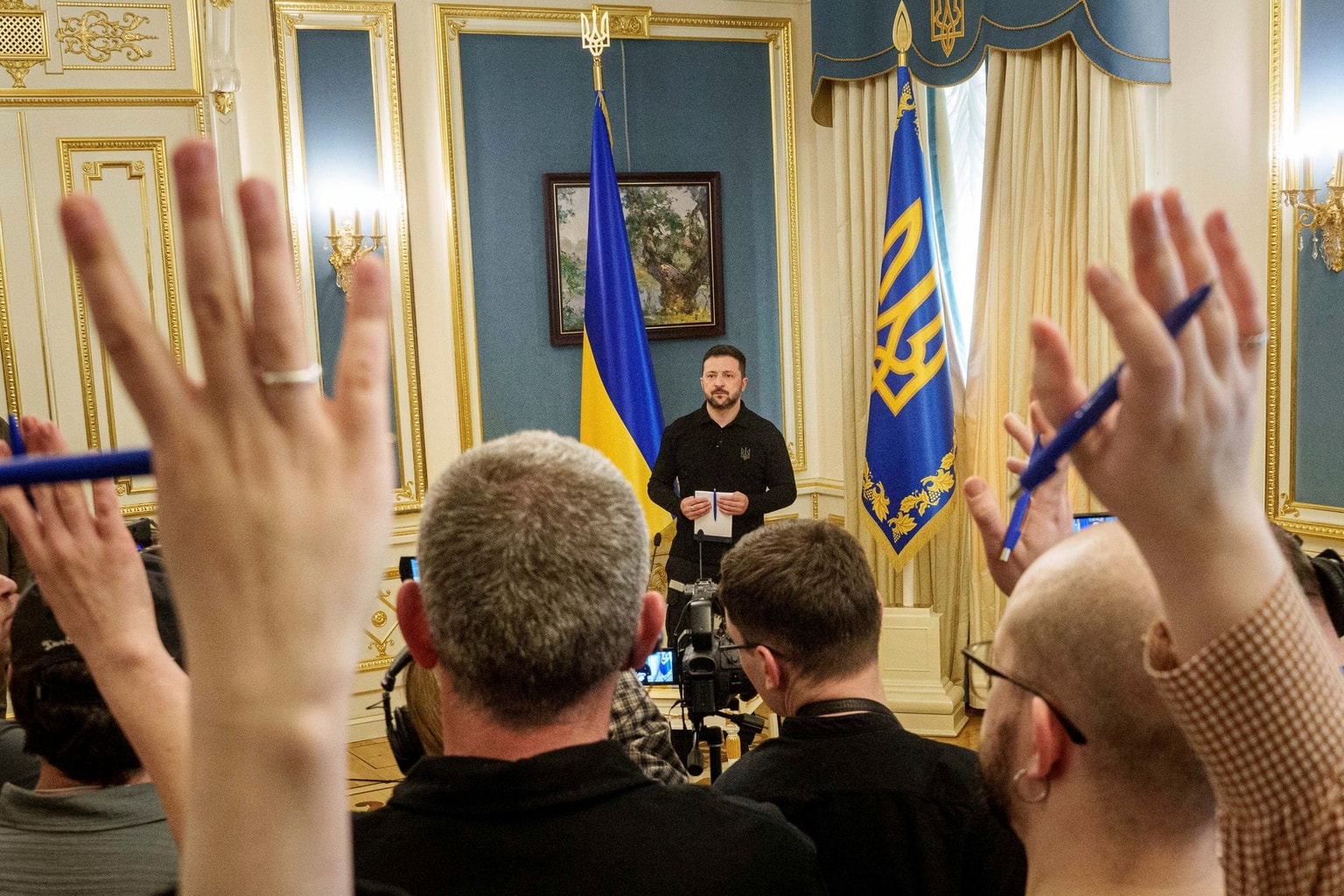
A planned meeting between Ukraine, Russia, and the U.S. in Abu Dhabi will focus on de-escalating Russia's war, President Volodymyr Zelensky told reporters on Oct. 27, as Moscow seemingly agreed to resume talks with Kyiv after a pause of more than eight months.
Although Ukrainian officials do not expect the first round to produce a major breakthrough, Kyiv hopes the meeting will restart regular negotiations and deliver limited results.
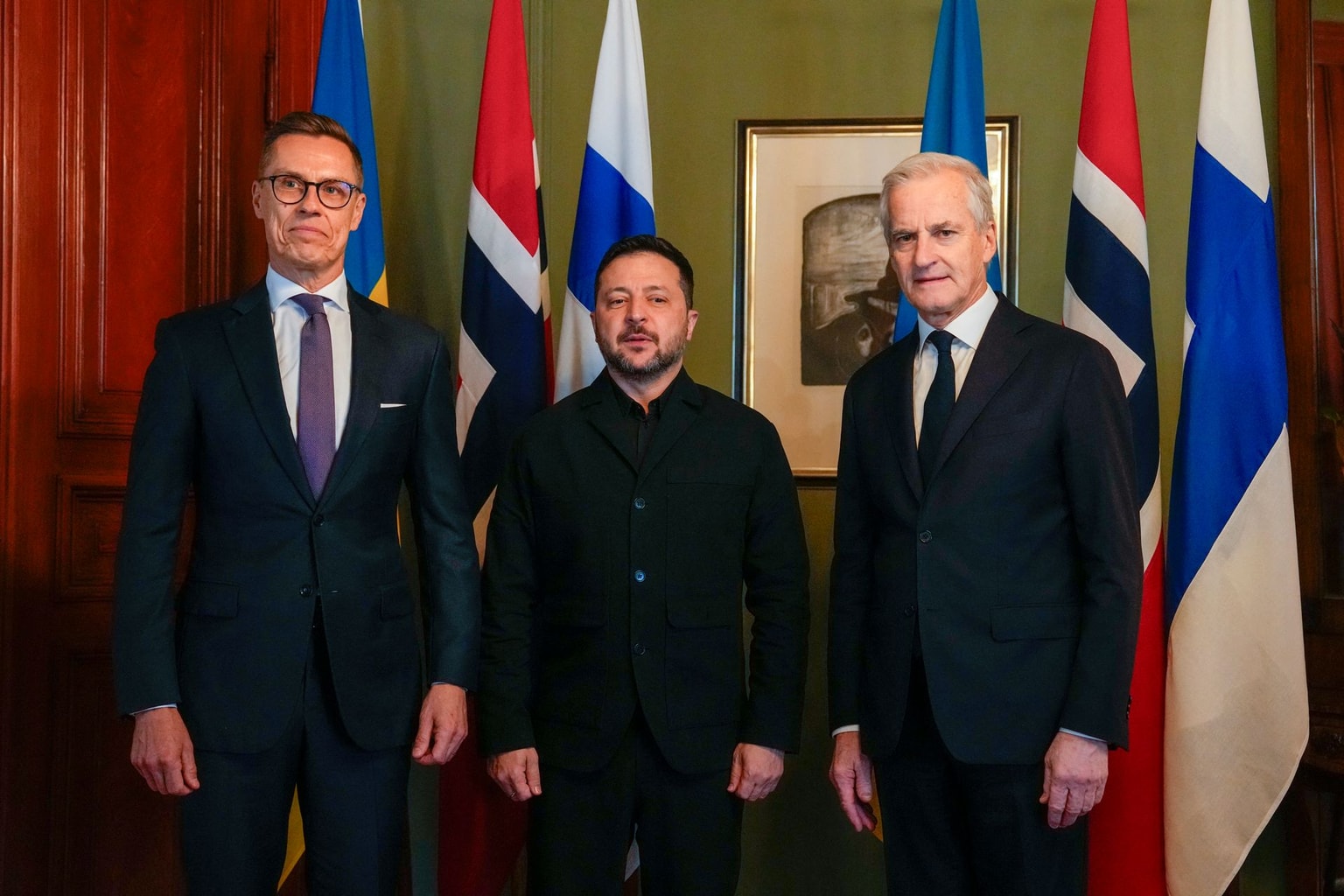
"They had the impression the Russians are serious about the meeting in Abu Dhabi," Zelensky told reporters, referring to a call Norwegian and Finnish leaders held with Russian President Vladimir Putin on Oct. 27.
The planned meeting follows renewed U.S. efforts to bring the sides together, including visits by President Donald Trump's envoy to Kyiv and Moscow.
But even if the talks resume, major disagreements over territory and security guarantees are likely to remain obstacles to any potential settlement.
What to expect?
The latest push for a trilateral meeting began in early September, when Trump's envoys Steve Witkoff and Jared Kushner traveled to Kyiv and Moscow to seek progress toward ending Russia's war before the U.S. midterm elections.
The visits produced one tangible outcome: an agreement in principle to hold a meeting involving Ukraine, Russia, and the U.S.

Putin initially declined to meet with the Ukrainian side after the September trip, but the Kremlin signaled readiness to resume talks after Witkoff visited Moscow on Oct. 21.
Zelensky said the planned meeting should focus on immediate steps toward de-escalation.
"The agenda should cover the following issues: initial steps toward de-escalation, the main priorities for the Ukrainian side — particularly security priorities — and, more broadly, ending this war," Zelensky told reporters.
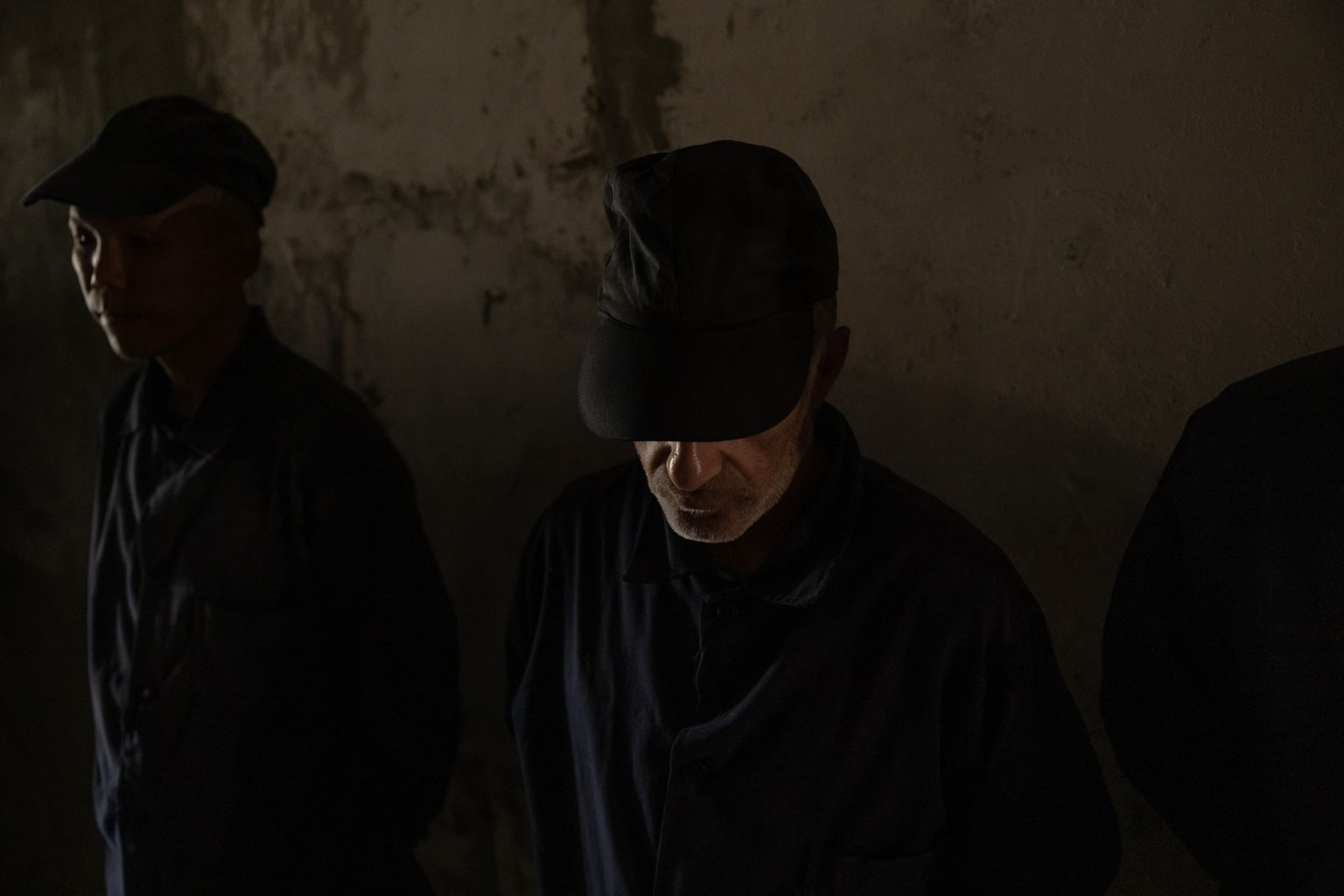
"We hope for a result regarding energy and at sea, an exchange of prisoners, and a discussion of the possible format for a trilateral meeting at the leaders' level."
The Ukrainian president added that Kyiv hopes the technical groups will agree on practical measures or make progress.
One senior Ukrainian official told the Kyiv Independent that the first meeting is unlikely to produce any results, arguing that the sides need to reestablish a shared understanding after such a long pause in negotiations.
Still, Kyiv hopes subsequent meetings will become regular and deliver at least limited gains each time. The official said that prisoner exchanges and sector-specific ceasefires, including one focused on energy infrastructure, are priorities.
A recent example of a limited ceasefire was the temporary truce in Oleshky, a city in Kherson Oblast that has been effectively blockaded by Russian forces. The truce was intended to address the humanitarian situation in the city.
A meeting between Putin and Zelensky remains a much more uncertain prospect. The two leaders have not met since 2019, and Moscow continues to insist that Zelensky travel to Russia for direct talks — a proposal Kyiv rejects.

During a phone call with Finland's president and Norway's prime minister on Oct. 27, Putin said Zelensky could come to Moscow. Ukraine views the proposal as a sign that the Russian leader is unwilling to meet Zelensky on mutually acceptable terms.
Trump, however, told reporters on Oct. 27 that a meeting between the two leaders could happen "soon."
Security guarantees, Donbas
Even if the planned talks resume, the sides will face the same disagreements that stalled previous negotiations, particularly over Donbas and the security arrangements that would accompany an end to the war.
The Kremlin has repeatedly rejected a ceasefire and demanded that Kyiv surrender the parts of Donbas that Russia has failed to capture militarily. The strategically important region in eastern Ukraine remains a central point of talks.
Ukraine, by contrast, has called for a ceasefire along the current front line.
In earlier negotiations, U.S. representatives proposed establishing a demilitarized zone in Donbas, an idea both sides initially supported. However, Putin insisted that Moscow should effectively control the territory, a position Kyiv rejected.
Zelensky said U.S. envoys have again raised the issue of Donbas in discussions with Ukrainian and Russian teams. Moscow continues to link the territorial question to the broader terms for ending the war, including security guarantees.
"Russia links the issue of territories to ending the war, security guarantees, and the possible forms those guarantees could take," Zelensky said.
He added that Ukraine's partners had avoided an in-depth discussion of territorial concessions because they understood Kyiv considers the issue a red line.
"Our partners couldn't go into the territorial issue in depth because they know it's a red line for us," Zelensky said. "This is an issue that can only be discussed by the leaders of the countries at war, and only at their level."
Zelensky said Ukraine had been prepared to discuss a buffer zone or demilitarized zone on both sides of the line of contact as a possible compromise.
But the dispute over control of the territory remains unresolved, leaving the planned meeting focused primarily on whether the sides can agree on immediate steps toward de-escalation rather than a settlement. At least for now.