Who is Dmytro Lubinets, Ukraine's ombudsman walking a fine line with Russia
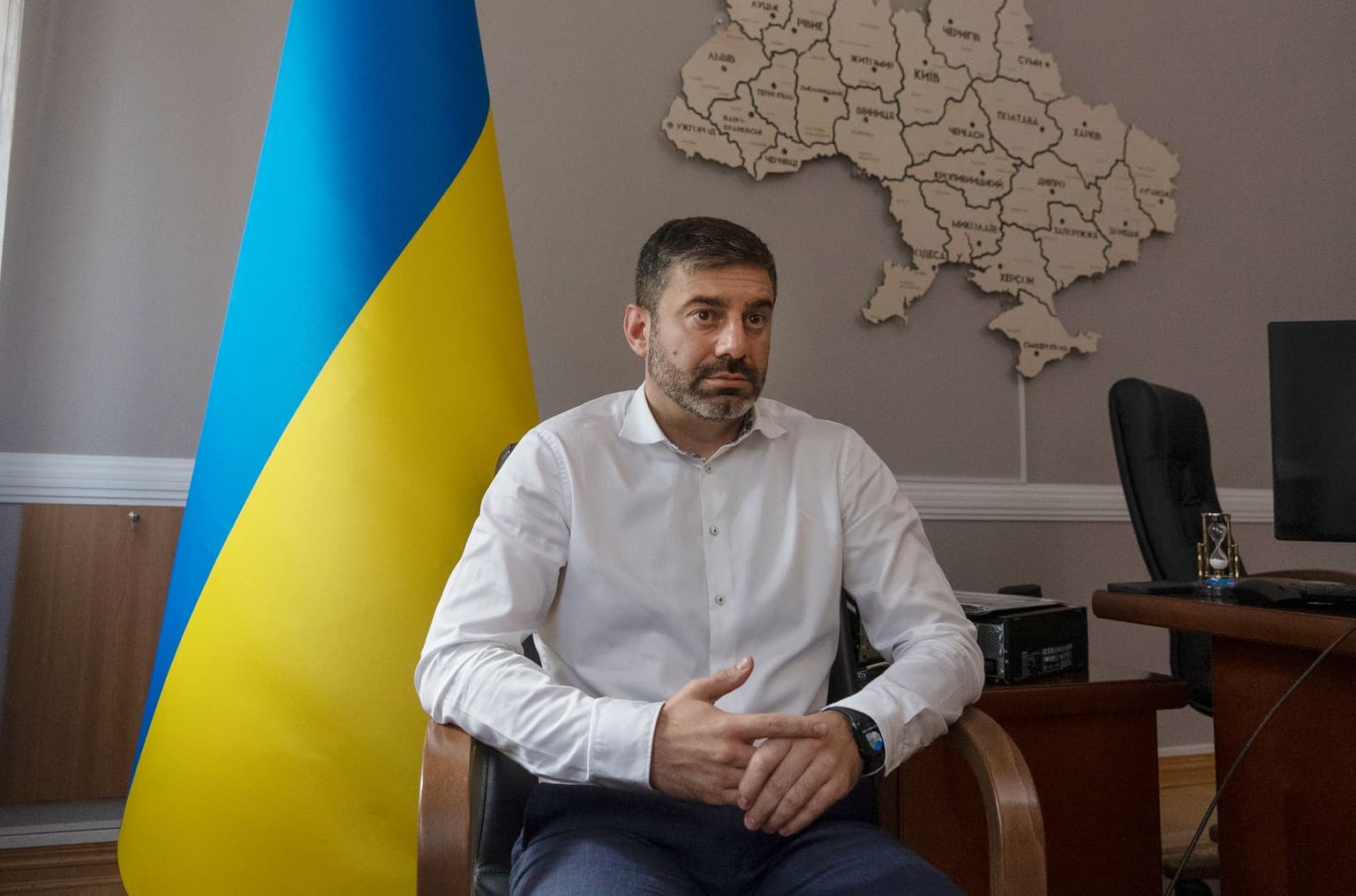
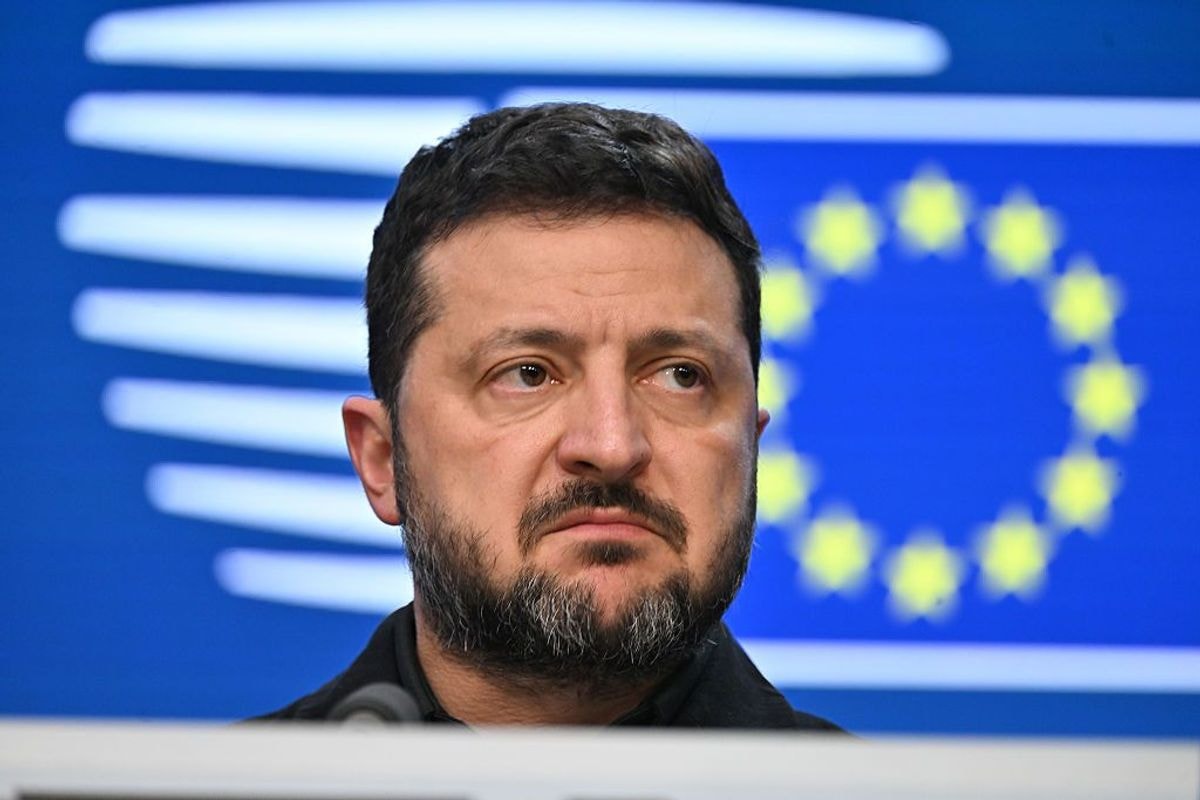
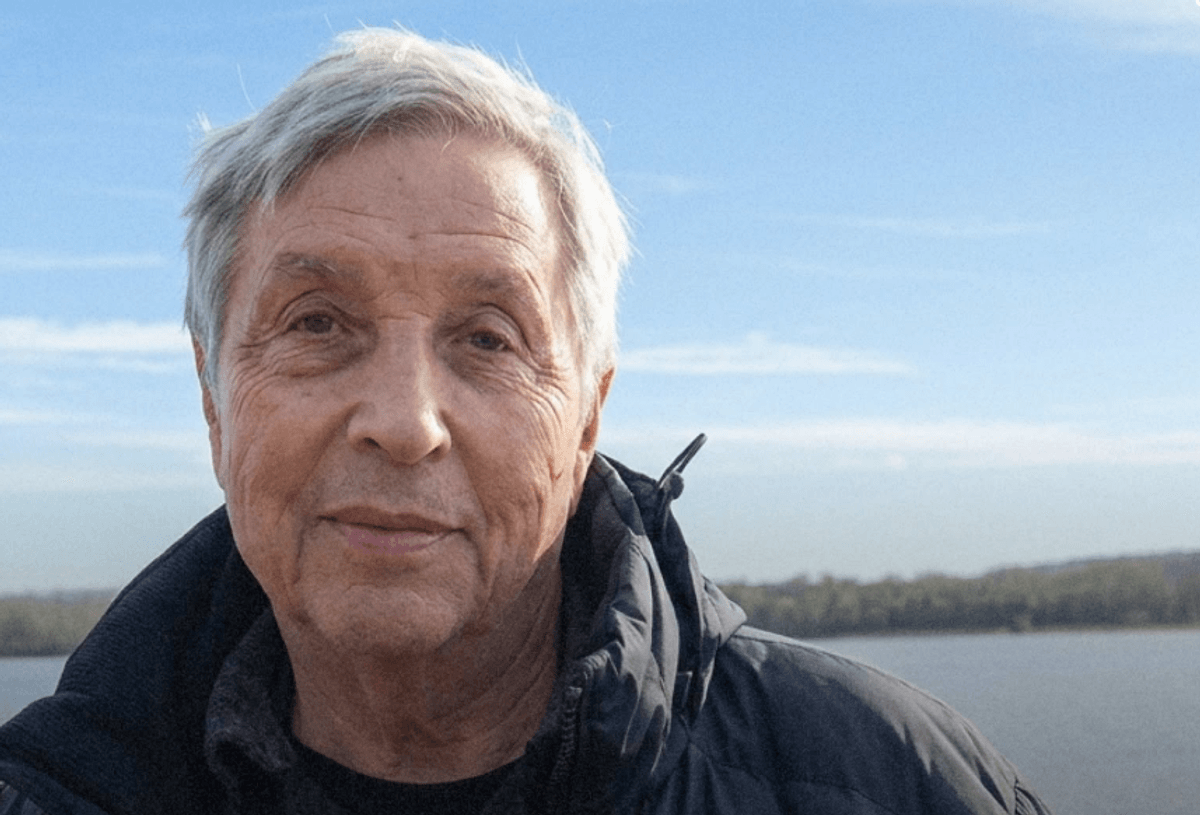
Ukraine's human rights ombudsman Dmytro Lubinets in Kyiv, Ukraine, Monday, Aug. 1, 2022. (AP Photo/Vasilisa Stepanenko)
 on Google
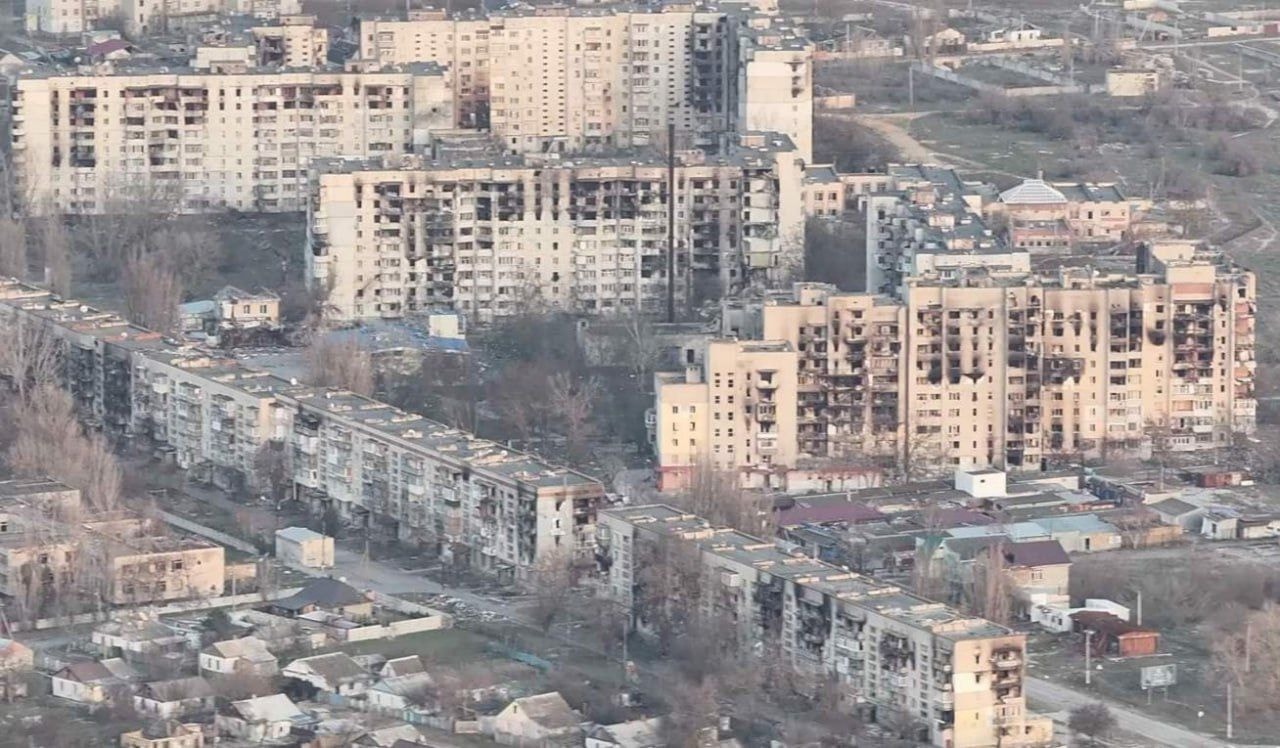
For Ukraine's Ombudsman Dmytro Lubinets, the evacuation of civilians from Oleshky has been a significant humanitarian achievement.
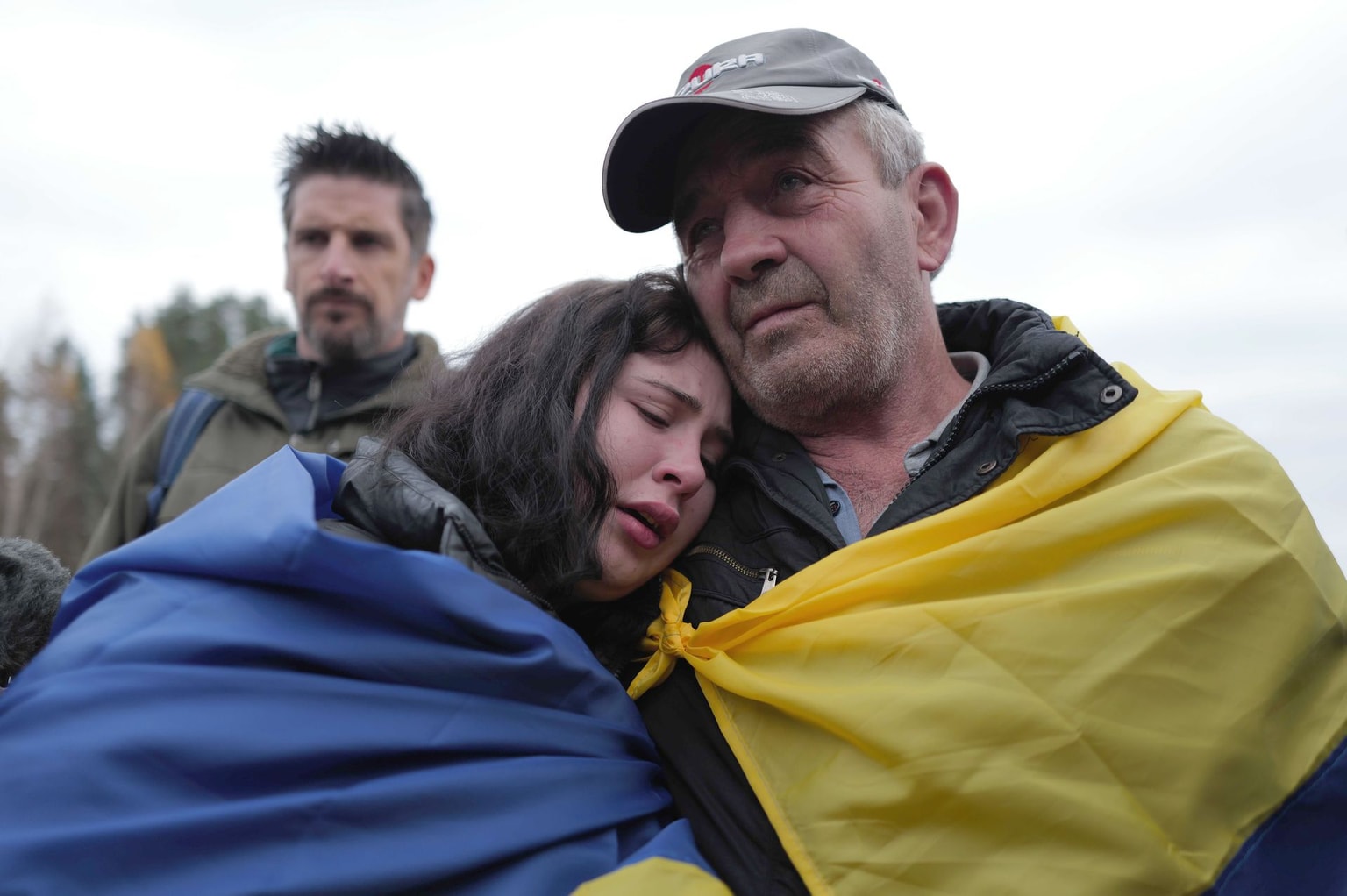
Lubinets played a key role in evacuating residents from the Russian-occupied city in Kherson Oblast in late October, earning praise from people who had endured nearly five years of occupation.
"Lubinets will now be a hero in Oleshky," Nina Hurova, who was evacuated with her family on Oct. 31, told the Kyiv Independent.
The operation was made possible by a local ceasefire agreement between Kyiv and Moscow that remained in place for five days — an unprecedented arrangement since Russia launched its full-scale invasion in 2022.
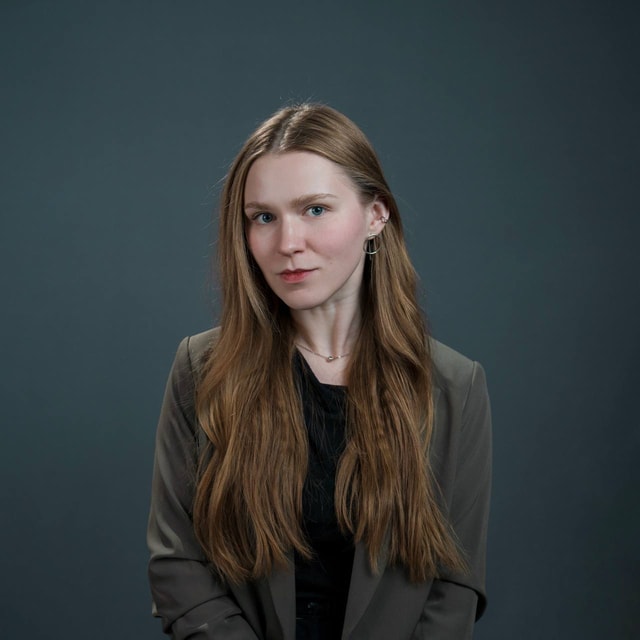
However, images of Lubinets shaking hands and exchanging warm greetings with his Russian counterpart, Yana Lantratova, have also prompted some criticism in Ukraine.

The two are set to once again meet at the White House on Nov. 5 under the mediation of U.S. first lady Melania Trump.
The 45-year-old ombudsman has previously defended his approach, saying he has little choice but to maintain communication with Russian officials.
"My hometown is under Russian occupation. Many of my close friends have been killed in the war. I feel the same way about Russians as all of (Ukrainians) do," Lubinets said in a June interview with Radio Free Europe/Radio Liberty.
"But as the ombudsman, I have to put my emotions aside and understand that the lives and health of our citizens depend on this position and the communication that comes with it."
A role above politics?
A native of Volnovakha in Donetsk Oblast, Lubinets studied both law and international relations. The city where he grew up fell under Russian occupation in the early weeks of the full-scale invasion.
Before entering politics, Lubinets worked in business. He began his political career in 2010, winning a seat on the Volnovakha City Council. Four years later, he was elected to parliament on the ticket of then-President Petro Poroshenko's party.
Lubinets was re-elected as an independent candidate in 2019, joining the For the Future group, which was linked to oligarch Ihor Kolomoisky and headed by his close associate, businessman and lawmaker Ihor Palytsia.
Anti-corruption activists criticized Lubinets's parliamentary record, saying he signed a 2019 appeal that led the Constitutional Court to strike down criminal liability for illicit enrichment, a requirement under the EU visa liberalization plan.
Before becoming ombudsman, Lubinets chaired the parliamentary committee on human rights, and de-occupation and reintegration of occupied territories. He was appointed ombudsman by parliament in July 2022, months after the start of the full-scale war.
The appointment drew criticism from human rights activists, who questioned the politicized process and questioned whether Lubinets was sufficiently qualified for the position of ombudsman.
Months prior, Lubinets was picked to take part in the early peace negotiations with Russia. He was flanked by David Arakhamia, head of the governing parliamentary faction. Arakhamia also played a role in the Oleshky evacuation.

Lubinets is never included in nationwide political surveys. A 2025 poll by the Rating Group found that around 48% of Ukrainians trusted the institution of the human rights ombudsman, an increase compared to that of before the all-out war.
When Lubinets took office in 2022, he presented himself as an independent, technocratic official, pledging to "definitely focus on his work, not politics."
So far, he has largely kept that promise, navigating politically sensitive issues while maintaining a degree of distance from the government's political affairs.
"(The humanitarian mission) is his job," political analyst Ihor Reiterovych told the Kyiv Independent. "This is something he is simply expected to do to be an effective ombudsman."
Navigating sensitive issues and loyalty
For years, Ukraine's politicians have largely avoided the politically toxic subject of the military draft. President Volodymyr Zelensky rarely addresses it publicly, while few Ukrainian politicians have been willing to take a clear stance on the issue.
In 2026, with reports of abuse by military enlistment officers piling up, Lubinets began speaking up.

In June, he said his office had received more than 3,000 complaints about draft officers in the first half of the year, though he estimated the actual figure could be three times higher.
He criticized the government's approach to mobilization, describing the ombudsman's role as "automatically making you the government's biggest critic."
Lubinets said he personally informs Zelensky of the draft problems, but has stopped short of publicly criticizing the president or calling on him to communicate more openly about the sensitive issue.
When asked about the evacuation from Oleshky, the President's Office declined to provide details, saying the matter fell under Lubinets's responsibility. Lubinets, for his part, said after the evacuation that it wouldn't have been possible without Zelensky's political will.
Cautious diplomacy
Days after Lantratova was appointed Russia's human rights commissioner in June, Lubinets met her in Belarus. The meeting was met with skepticism in Ukraine.
After four years of working with her predecessor Tatyana Moskalkova, Lubinets said he would start with Lantratova "from scratch."
He later explained that Russian authorities had annulled all previous Ukrainian requests, including those concerning Ukrainians held in Russian captivity, following the departure of Russia’s previous human rights commissioner, and the process would have to start over.
“I don't know of any other way to bring our citizens home than through direct negotiations with the Russian side.”

Lubinets said that after the meeting with Lantratova became public, relatives of missing soldiers, prisoners of war and deported children began turning to him, asking him to petition for their loved ones.
Lubinets says he understands why some Ukrainians disapprove of his cordial relationship with Lantratova. But he argues that direct talks are the only way to secure the return of Ukrainian citizens, adding that the two ombudsmen have found more common ground on humanitarian issues.
Asked about his warm public communication with Lantratova, Lubinets insists this is the only way to secure the return of Ukrainians.
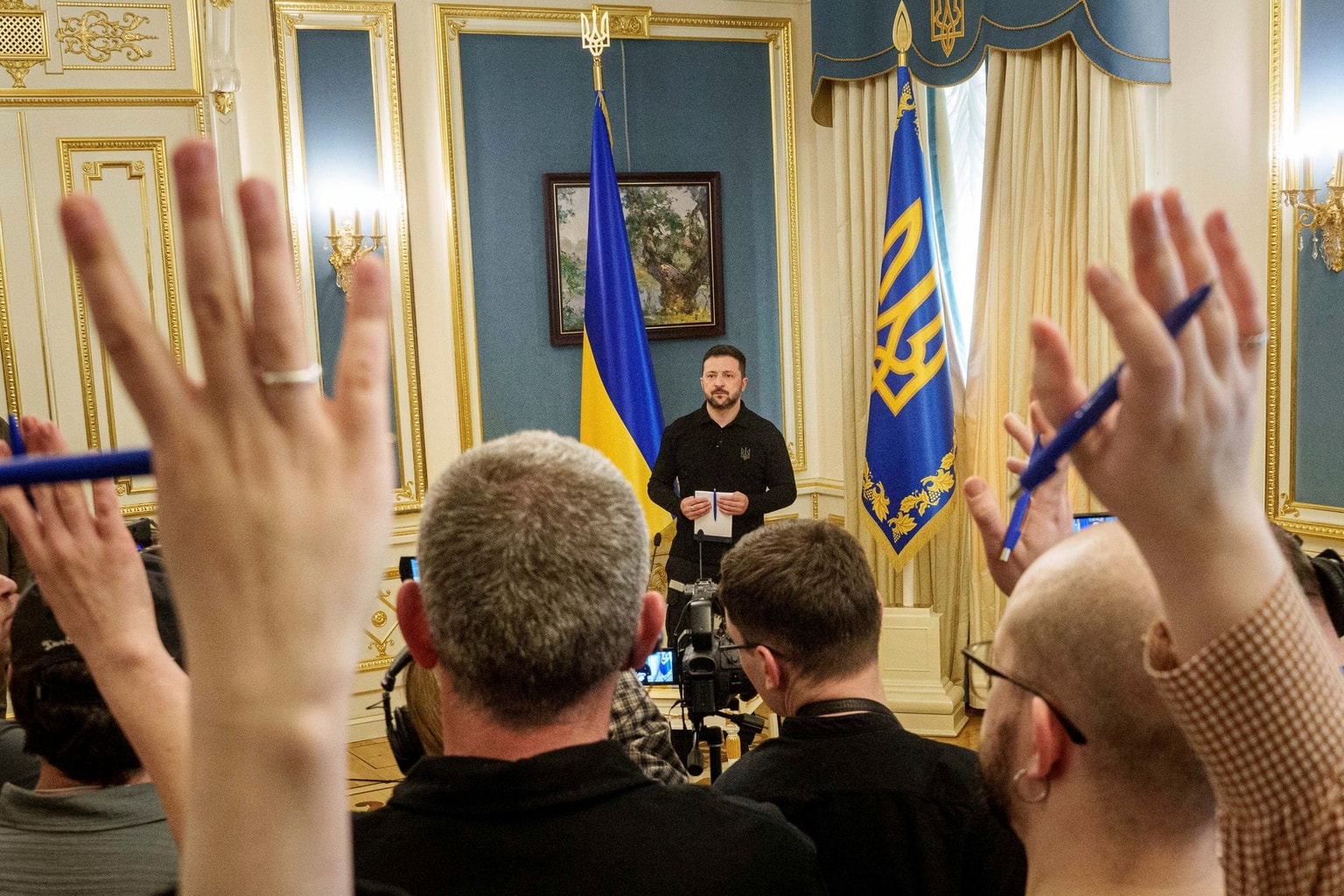
"I don't know of any other way to bring our citizens home than through direct negotiations with the Russian side," Lubinets said during a press conference on Nov. 2. "I think showing diplomatic courtesy automatically gives you a better chance of a positive outcome."
read also