Some Oleshky residents remain seeking evacuation, others still on the road to Ukraine, Lubinets says
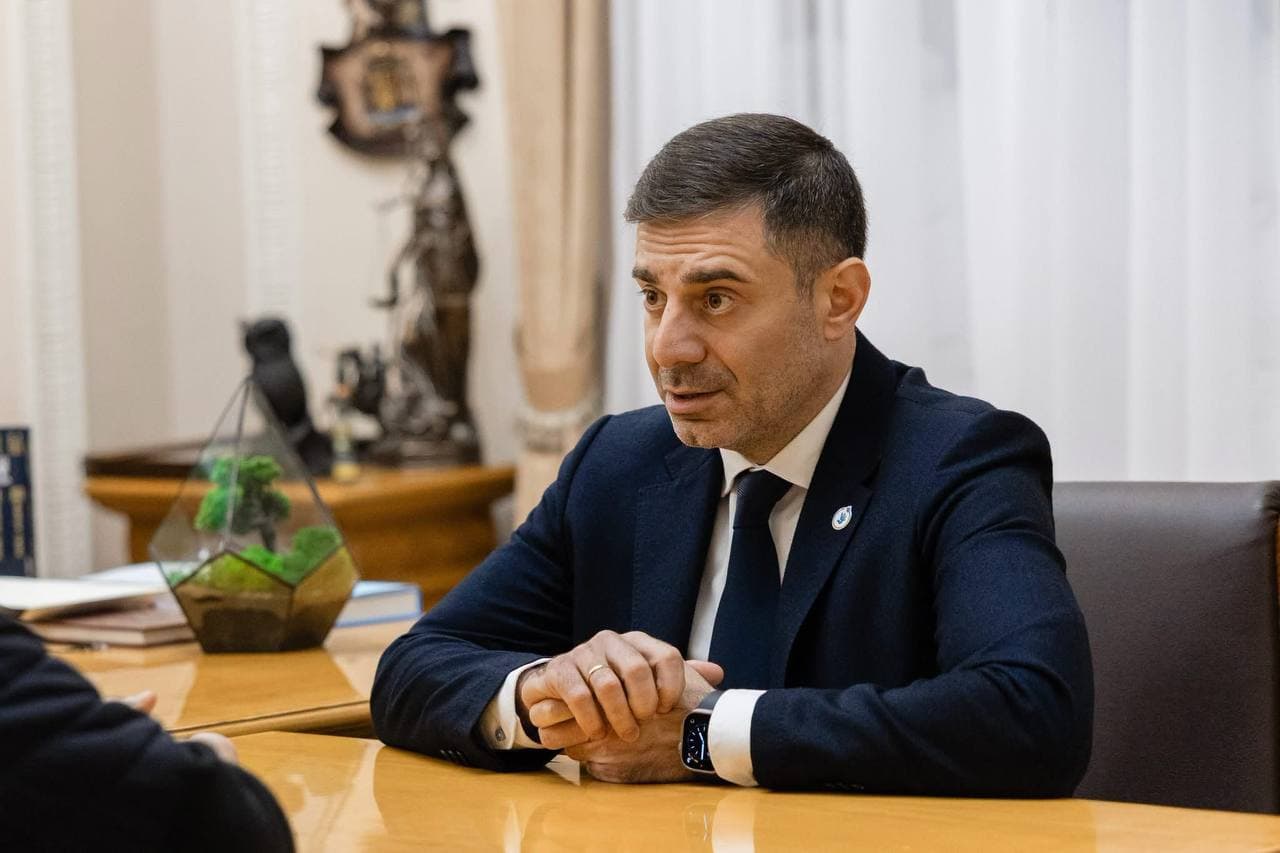
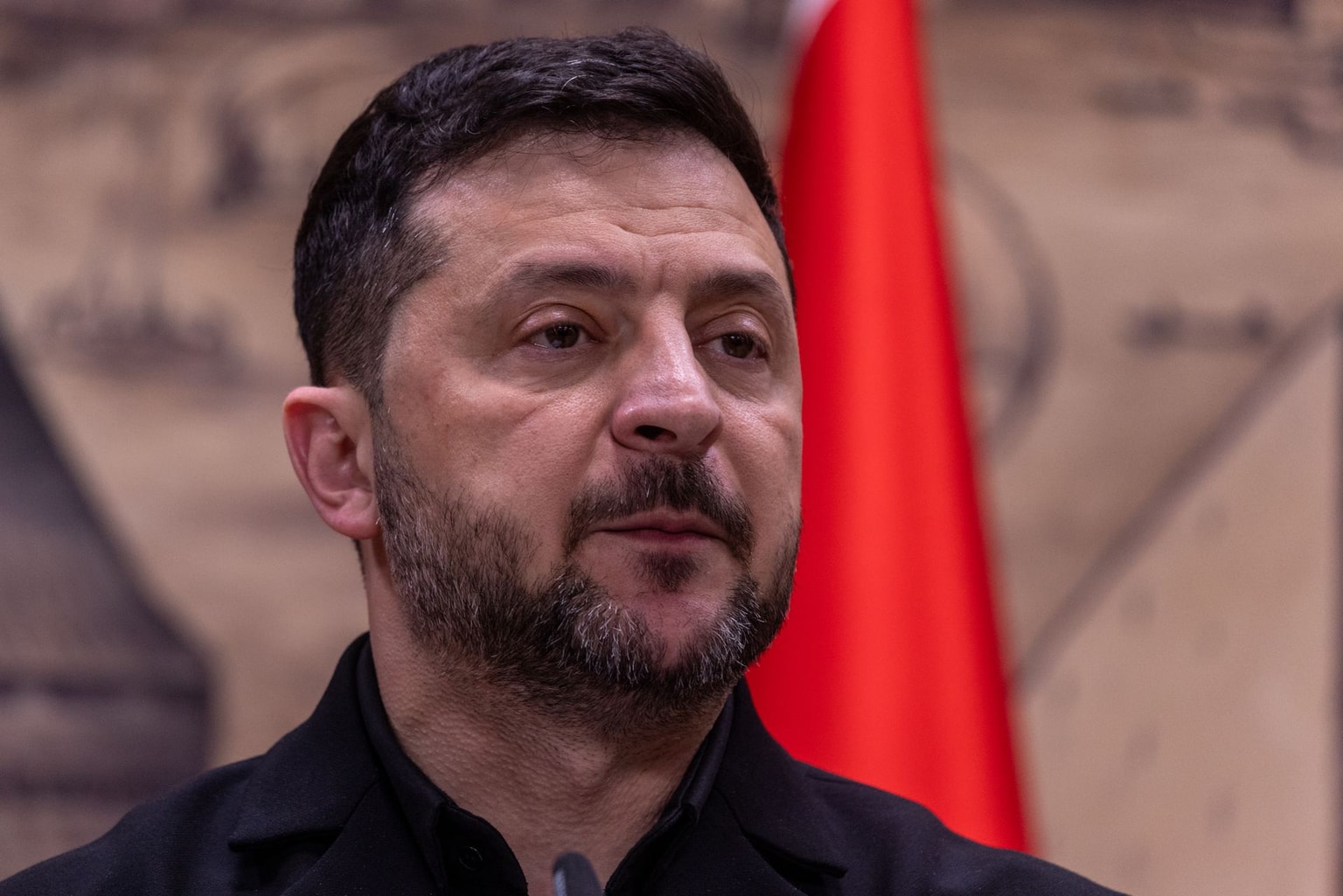
Ukraine's human rights ombudsman Dmytro Lubinets in an office in a photo posted on Nov. 2, 2026. (Dmytro Luninets / Telegram)
 on Google
Some residents remaining in Russian-occupied Oleshky are willing to leave the town, while some families evacuated during the recent humanitarian mission are still on their way to Ukrainian-controlled territory, Ukraine's human rights ombudsman Dmytro Lubinets said on Nov. 2.
During a press conference on the outcomes of the Oleshky humanitarian mission, Lubinets said he had personally spoken with citizens who chose to remain in Oleshky.
"There were those who expressed a desire to stay in Oleshky, this was their conscious choice," he said, adding that food, water, medicines, fuel for generators, and hospital equipment were provided for them.
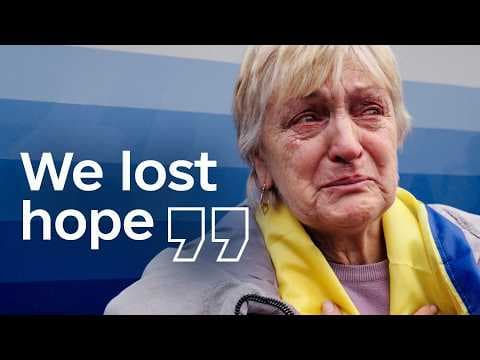
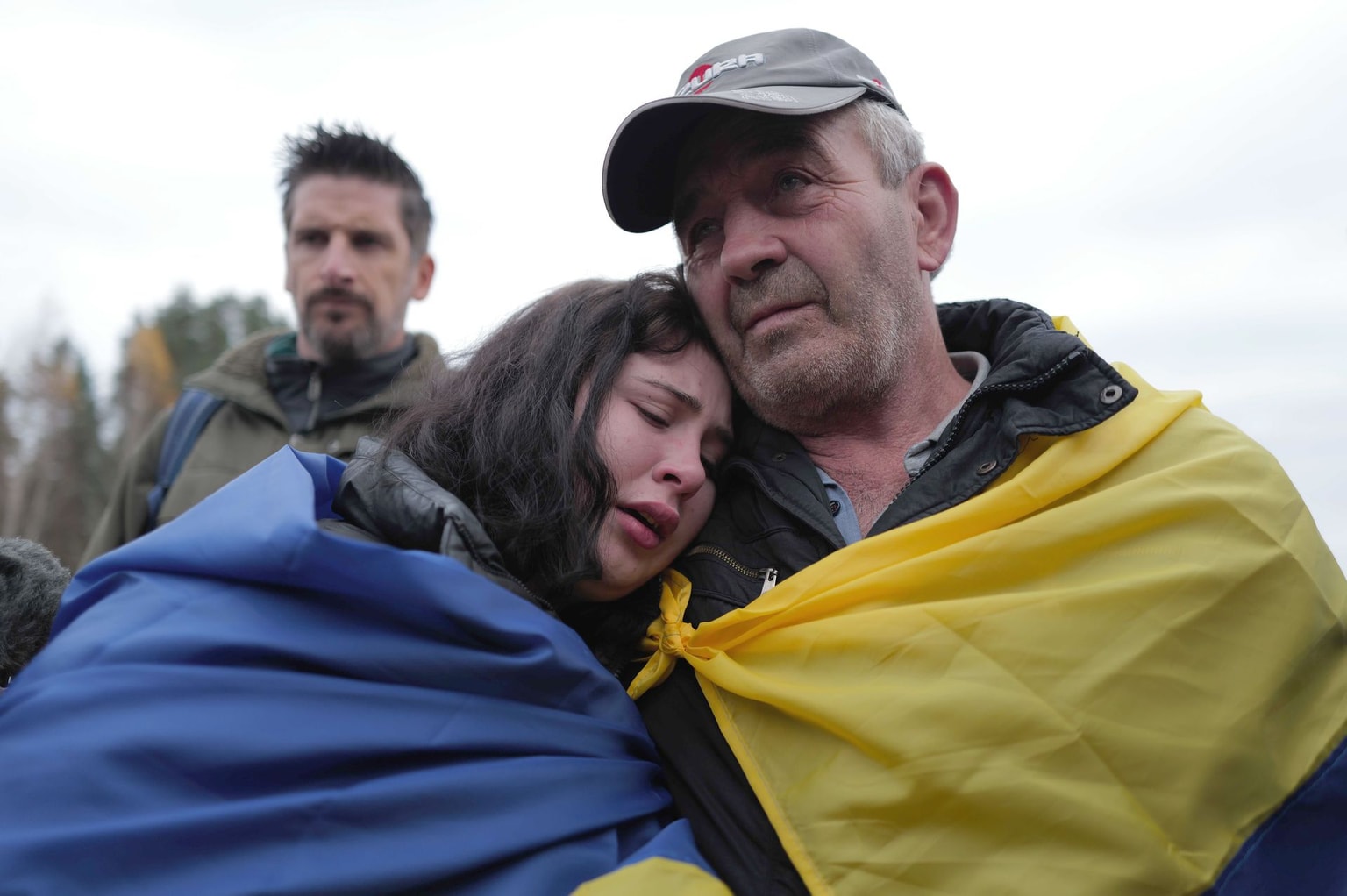
Oleshky residents confirmed to the Kyiv Independent at the border on Oct. 31 that some people who remained there "regret not having left."
"Those who remained now regret they didn't go with us," Alla Tyshenko, an Oleshky resident, said.
Among those seeking evacuation is an animal rescuer taking care of about 70 animals, as Ukrainian outlet Hromadske reported on Nov. 2. She could not leave because of the number of animals she was looking after. The Kyiv Independent also reached out to the volunteer for confirmation.
The exact number of people still remaining in Oleshky cannot currently be verified, Lubinets said, answering a question from the Kyiv Independent. Ukraine also cannot reveal the number of evacuees as stipulated by an agreement with Russia, he added.
U.S. first lady Melania Trump, who negotiated the temporary cease-fire in Kherson Oblast between Ukraine and Russia to enable the humanitarian mission, said the mission was a success, enabling the evacuation of nearly 800 people and allowing the delivery of critical aid to the region.
Lubinets said on Oct. 31 that 25 buses with a combined capacity of 750 passengers were prepared for the evacuation, though he did not say whether they would all be filled.
Lubinets and Russian Human Rights Commissioner Yana Lantratova also discussed ways to make humanitarian aid deliveries to Oleshky systematic, with shipments planned at least once a month, according to Lubinets.
The mechanism for monitoring humanitarian shipment contents is still being developed, while the previous humanitarian convoy was delivered under Ukrainian supervision.
"When Lantratova and I were together for 12 hours on the same bus, I asked her lots of questions. We discussed the possible humanitarian missions in other settlements of the Oleshky area. And going forward, if possible, we would like to extend this experience to other regions," Lubinets said.
"Oleshky is to be the first step. People living near the front line need ongoing support. We will ensure that aid reaches them on a regular basis," both Lantratova wrote in a Telegram post on Oct. 31.
Several families that left Oleshky were still on their way to Ukraine as of Nov. 2, Lubinets said, as doctors had determined their health conditions were too fragile for air travel. The original evacuation journey involved flying from Russia to Belarus.
The entire operation involved 22 ambulances to transport people with limited mobility, according to Lubinets.

He also said that not everyone who chose not to head for Ukrainian-controlled territories went to Russia specifically, as some people told Lubinets they wanted to stay in other areas of Russian-occupied territories because they had relatives there.
Ukraine has ways to further monitor the situation in Oleshky, but cannot directly control what happens inside the Russian-occupied town, he added.
Both Ukraine and Russia observed the temporary cease-fire in Oleshky, lasting for five days, 19 hours, and 59 minutes.
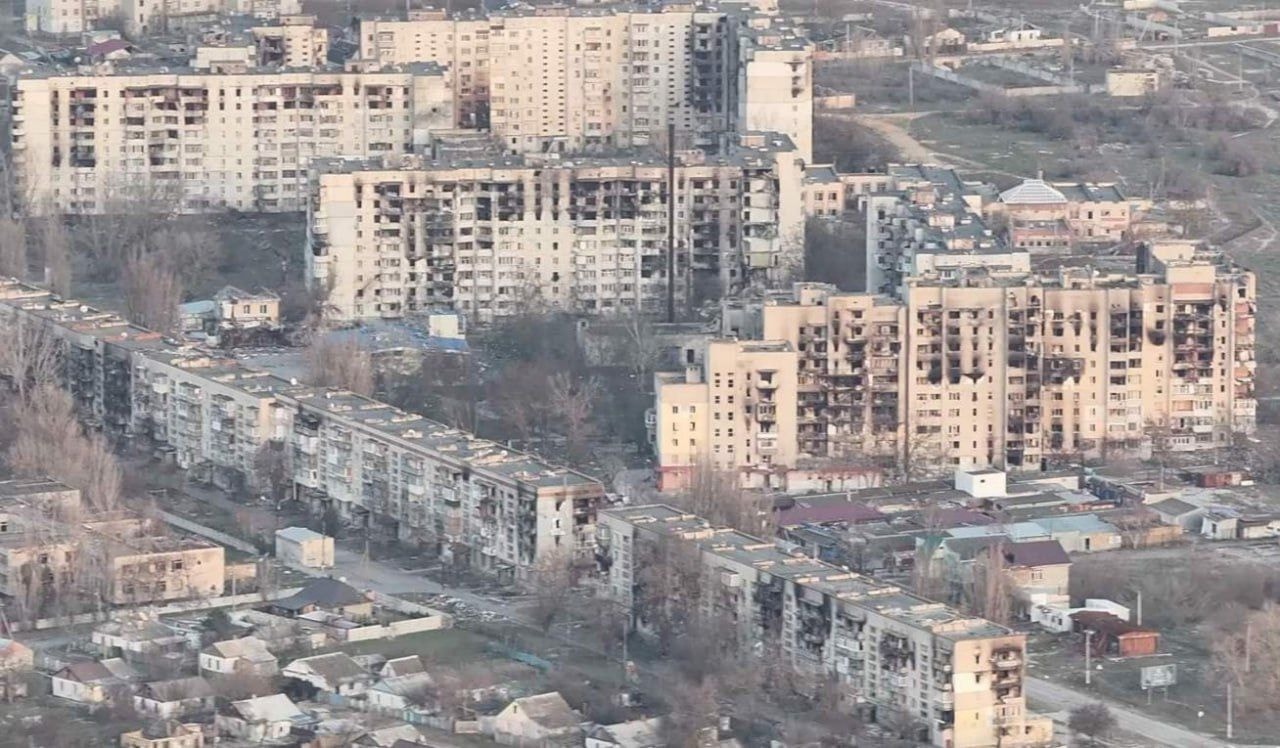
Oleshky has been under Russian occupation since the early days of Russia's full-scale invasion. Located across the Dnipro River from Kherson, the city has been effectively blockaded by Russian forces, which have prevented humanitarian aid from reaching residents.
Residents have faced severe shortages of food, water, and electricity. Mined roads and constant drone attacks have made safe evacuation virtually impossible, and civilians trying to flee on the only roads in and out of the city have frequently been targeted by drones.

Iryna Mohylna, who waited for her godfather at the border, said that the blockade of Oleshky began in earnest in October last year, and by December, supplies and groceries were no longer being brought into the city.
"It was survival. Traveling around the city was very dangerous because of the mines," she said.
"I was talking on the phone with my godfather, and I heard an explosion. Then I read in a Telegram that a person had been blown up by a mine."
Mined roads, constant drone attacks, and Russian interrogations at checkpoints made independent evacuation extremely dangerous. In September, one person was killed, and four others were injured by landmines while attempting to flee the area, according to the head of the exiled Oleshky City Military Administration, Tetiana Hasanenko.
Before the war, Oleshky had a population of around 24,000. By October, only around 2,000 people, including about 50 children, were believed to remain there, according to Ukrainian officials.
Under international humanitarian law, Russia is obligated to protect civilians living in territories under its occupation.