Bulgaria holding EU's 22nd Russia sanctions package hostage in bid to extract concessions
 on Google

BRUSSELS, Belgium — Bulgaria is pressuring EU countries to lift some Russian import bans and to remove two Russians from proposed new sanctions lists, in exchange for allowing a wider range of new measures to pass, national diplomats have told the Kyiv Independent.
The European Commission proposed a 22nd package of sanctions against Russia on Nov. 23, and while several national representatives have since requested time to legally scrutinize the proposals, there was broad support for the package, the Kyiv Independent learned from four diplomatic sources.
However, Bulgaria and Italy were the two countries to raise objections to the substance of the proposals.
Italy objected to the Commission's proposal to ban Europeans from serving on the boards of Russian companies, three national diplomats confirmed to the Kyiv Independent, apparently because they feel the proposal is too vague.
They also wanted to scrutinize several other ideas in the Commission's proposal: restrictions on banks in third countries, measures affecting sport and culture, and new rules to monitor the movement of Russian diplomats.
But Bulgaria wanted to undo measures passed in previous rounds of EU sanctions.
Specifically, Bulgaria wants EU bans on the import of Russian pig iron, and mining equipment, to be lifted. Pig iron is an intermediate product produced from the smelting of iron ore, which is then used to produce steel.
EU and Ukrainian officials both said they suspect a commercial motive for Bulgaria's demand, and one national diplomat said that Bulgaria claimed it had tried to diversify its supply chains, but that it has not worked out.
But that request from Bulgaria comes as Russia does everything in its power to limit a competitor closer to home from being able to help — Ukraine.
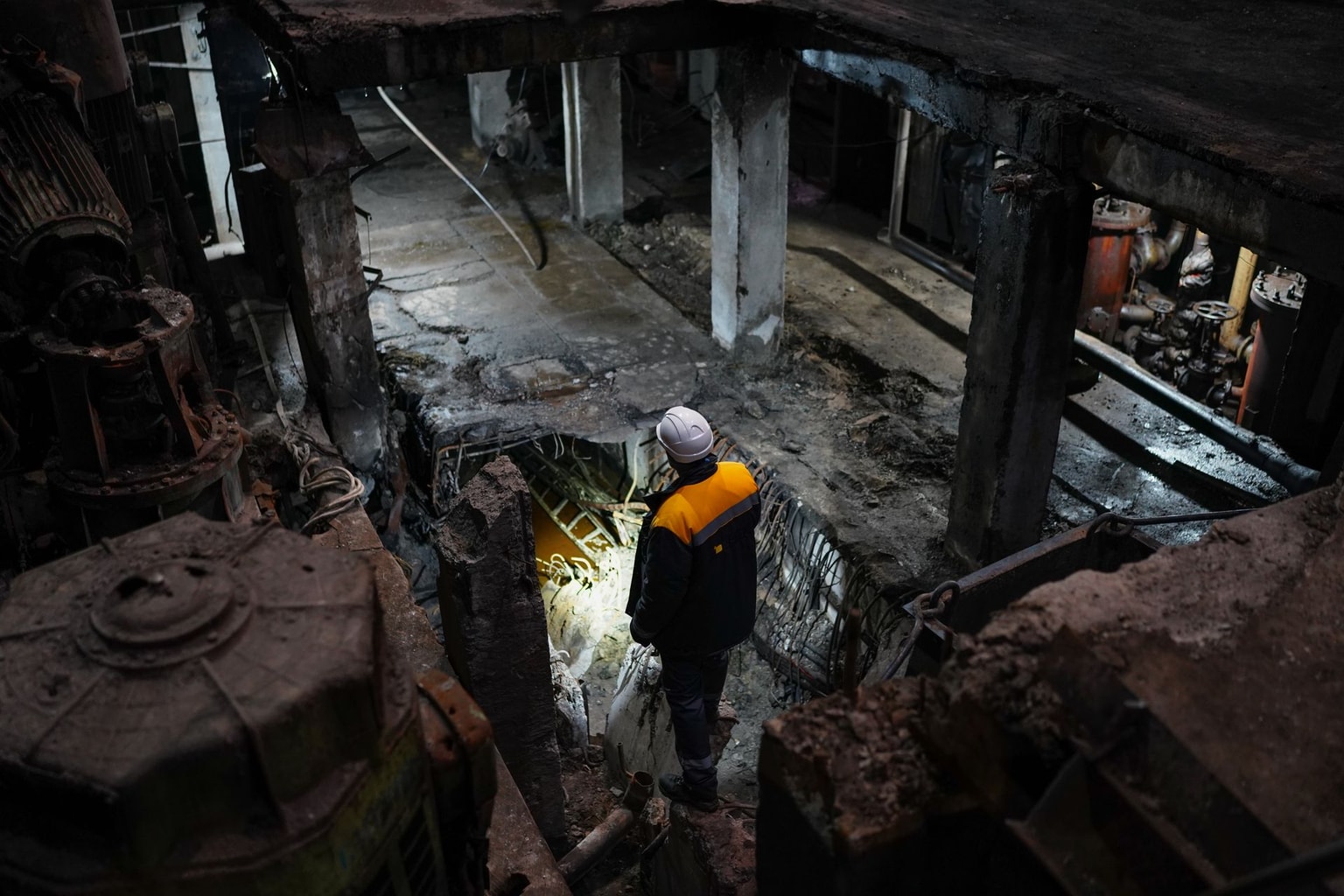
Kyiv's iron and steel industry is being brought to its knees as Russia repeatedly attacks facilities across the country, and closes off Ukraine's ability to export via the Black Sea.
EU trade measures, intended to protect the bloc from a global glut of cheap steel produced in Asia, have also added to the pain felt by Ukraine's industry.
Bulgaria has also opposed adding one company and one individual to the EU's sanctions database, both of which have been identified as "part of the Russian arms industry."
Sanctioning the organization, a Russian chemicals company, Bulgaria fears could adversely affect agriculture, possibly due to its role in the production of fertilizer.
The individual is associated with a Russian nuclear facility that has both civilian and military applications, and Bulgaria cites "nuclear security" concerns, though it is not clear precisely why.
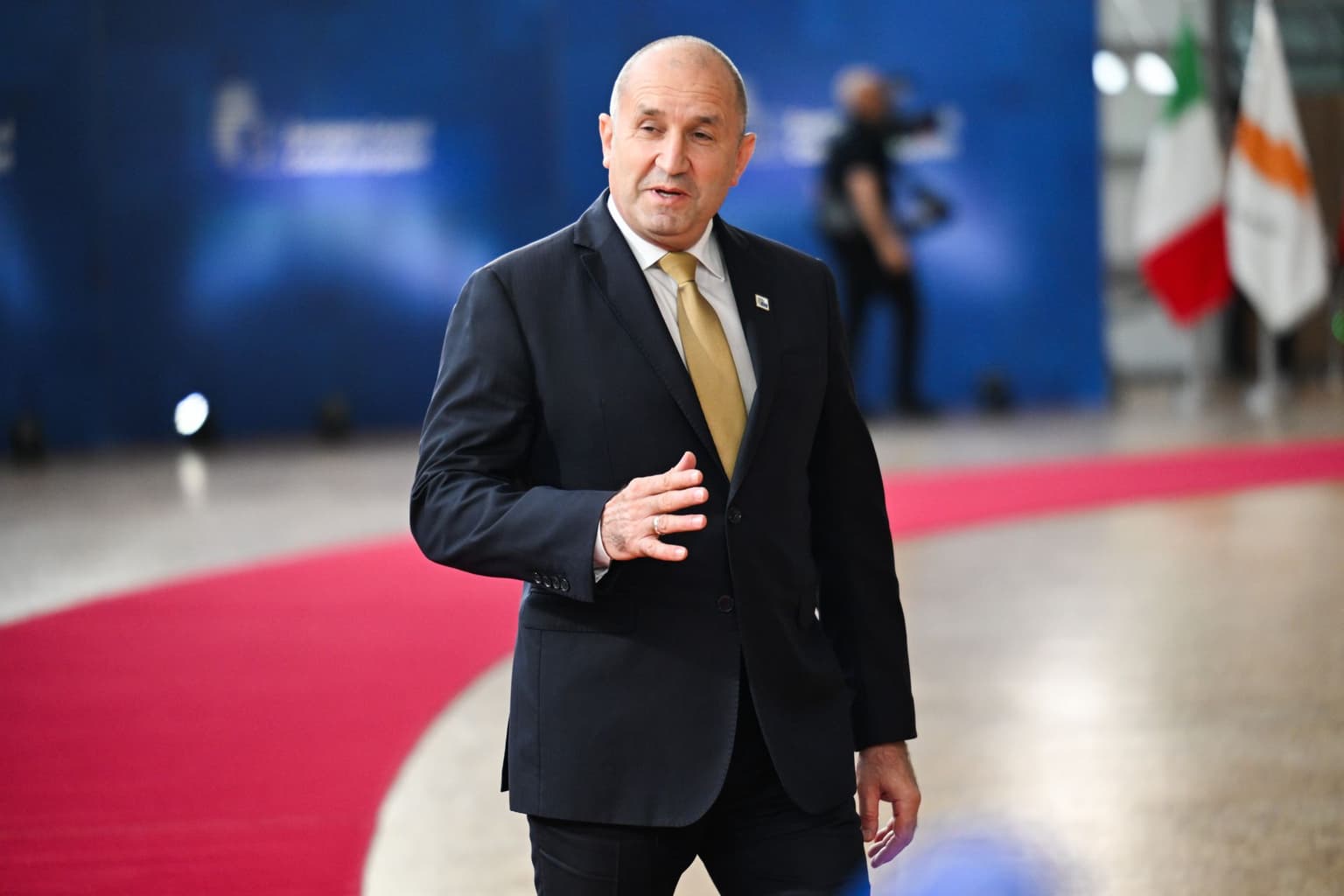
Since the Russia-friendly Rumen Radev became prime minister of Bulgaria in April, it is not the first time the country has pushed to delist Russians from the EU's sanctions lists.
In June, Radev successfully pushed to have Russia's Patriarch Kirill kept off the EU's sanctions list.
Bulgaria's Permanent Representation to the EU has been asked to comment on the country's objections to the 22nd sanctions package but did not respond before publication.
EU countries are aiming to finalize an agreement on the 22nd package of sanctions in December, most likely at a Dec. 14 meeting of foreign ministers in time for the summit of EU leaders later the same week.