Ukraine war latest: Ukraine hits Russia's elite 'Rubicon' drone unit base in occupied Zaporizhzhia Oblast
 on Google

Key developments on Nov. 28-29:
- Ukraine hits Russia's elite 'Rubicon' drone unit base in occupied Zaporizhzhia Oblast
- Zelensky restricts media coverage of critical infrastructure targeted by Russian attacks
- Russia attacks Odesa infrastructure, destroying Ukrainian grain on Holodomor Remembrance Day
- Russian attacks kill 3, injure 25 over past day
- Ukraine ready for ceasefire along current front line, Zelensky says
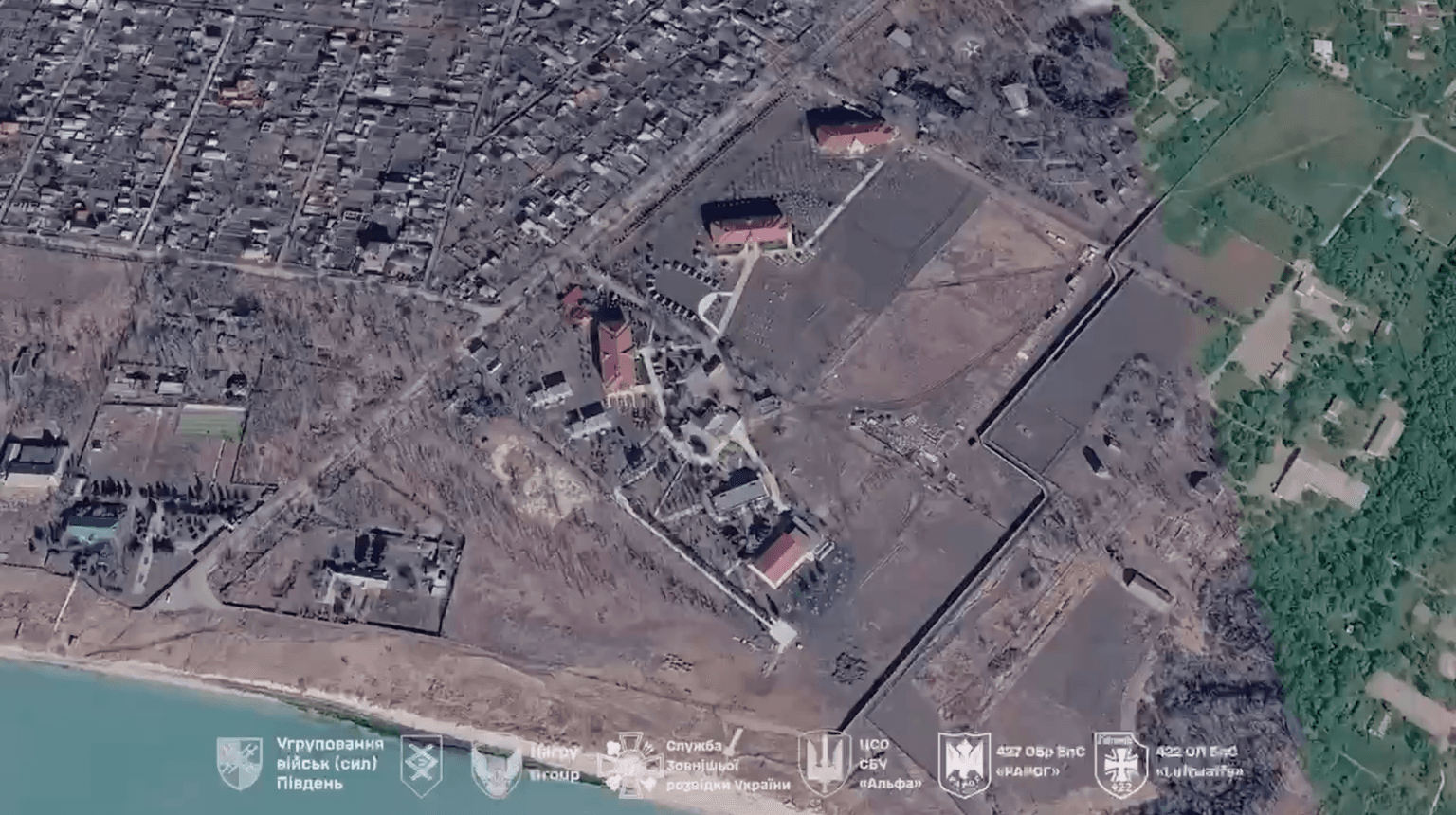
Ukrainian forces carried out a successful strike against a deployment facility of Russia's elite "Rubicon" drone unit in occupied Zaporizhzhia Oblast, inflicting significant losses, the military's Southern Forces reported on Nov. 28.
The Rubicon Center for Advanced Unmanned Technologies is a sprawling Russian drone unit that forms the core of Russia's Unmanned Systems Forces, a new branch of the military formed in late 2025. Ukraine has targeted the elite unit in multiple previous operations at the front lines and inside Russia.
The latest strike targeted a Rubicon deployment point in Berdiansk, a coastal city in Russian-occupied Zaporizhzhia Oblast, the Southern Forces reported. Preliminary data indicates the attack destroyed a pilot training base, drone storage facilities, and personnel locations.
"It has also been confirmed that members of the unit's leadership were hit," the military said.
According to preliminary reports, the strike may have killed over 30 Russian military personnel and injured up to 70 others.
Ammunition repeatedly detonated in the area after the attack, eyewitnesses reported. A "significant number" of Russian troops were also reportedly transported to the hospital. The bodies of the dead are believed to have been taken to Mariupol.
The Kyiv Independent could not verify the reports at the time of publication.
The joint operation was carried out by the Southern Forces, the woman-led Harpies drone unit, Ukraine's Foreign Intelligence Service, the Alpha unit of Ukraine's State Security Service (SBU), and the Special Operations Forces' (SSO) 422nd and 427th battalions.
Ukrainian forces last attacked Rubicon's assets in Berdiansk in a joint strike on Nov. 9. The city lies 107 kilometers (66 miles) behind enemy lines.
Russia's Rubicon drone unit specializes in cutting off logistics, hunting Ukrainian drone pilots on the battlefield, and intercepting high-value reconnaissance and strike drones. Rubicon detachments on the front lines expand the existing "kill zone," making it deeper and deadlier.
Ukrainian forces systematically targeted Rubicon units in northern Donetsk Oblast during Operation Vivaldi, achieving a significant result: Russia pulled the elite units from the sector after incurring heavy losses.
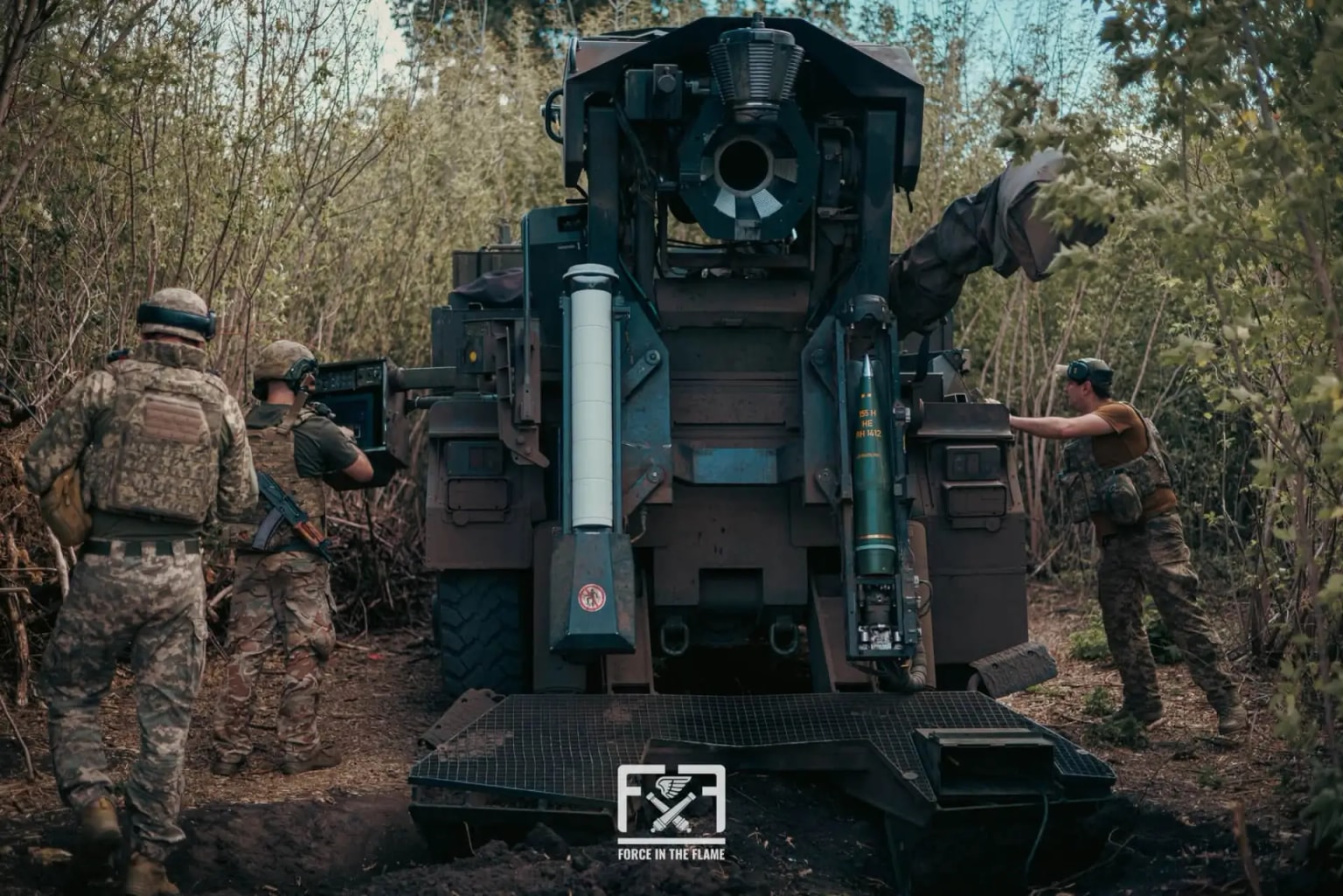
Over the past several months, Ukraine has ramped up its campaign of "middle strikes" against Russian positions, targeting sites from 35 to 300 kilometers (22 to 186 miles) behind the contact line.
This highly effective campaign is now under threat due to ongoing unexplained restrictions to Ukraine's Starshield service in Russian-occupied territory.
Zelensky restricts media coverage of critical infrastructure targeted by Russian attacks
President Volodymyr Zelensky on Nov. 28 signed a decree enforcing winter protection measures determined by Ukraine's National Security and Defense Council, including restrictions on media coverage of critical infrastructure attacked by Russian forces.
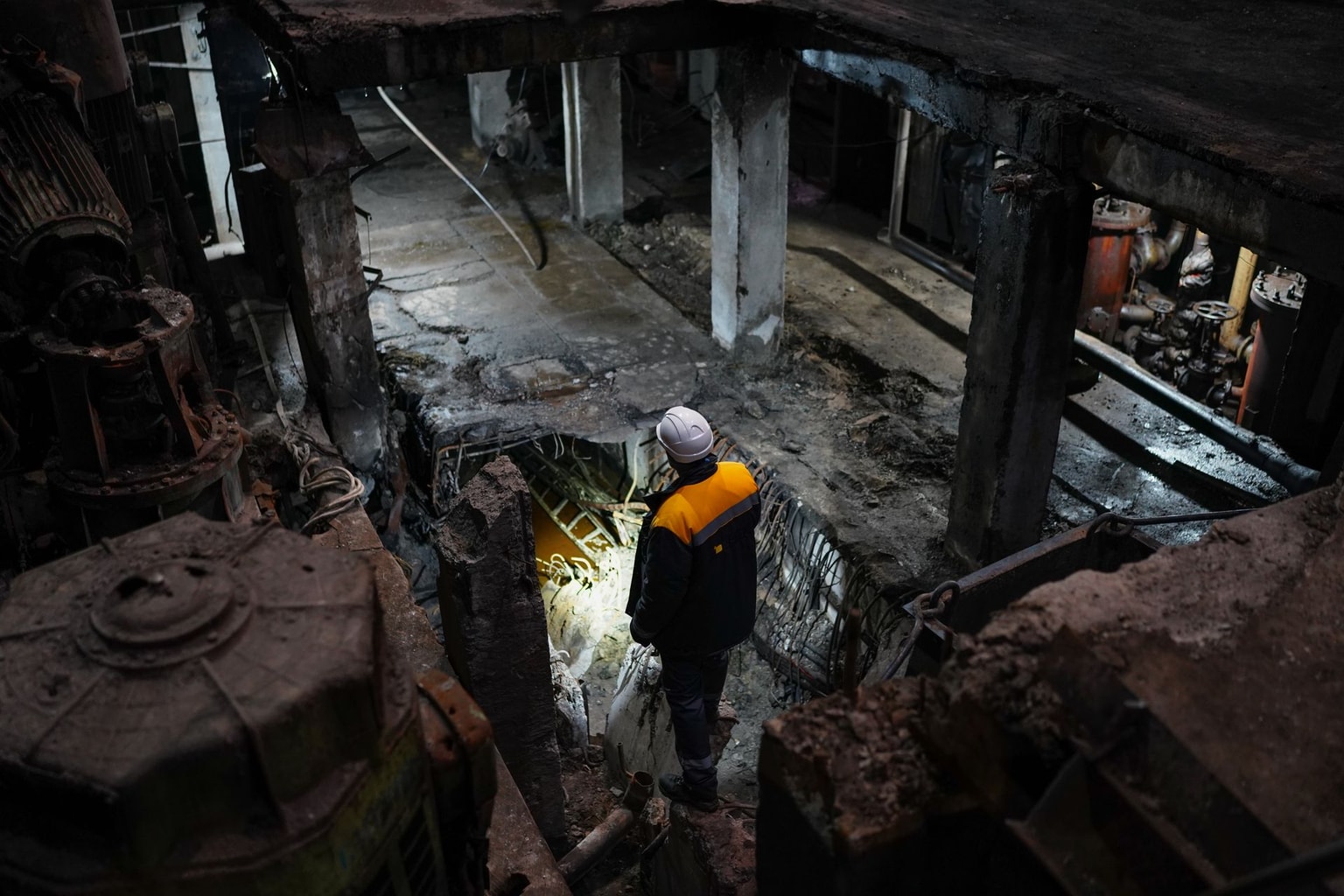
The decree comes as Russia hammers energy facilities in Ukraine daily, leaving thousands of civilians without electricity, water, or heating as temperatures plunge.
One of the new measures bans media from publishing information on the consequences of damage to critical infrastructure and the timelines for the sites' restoration.
The decree instructs Ukraine's Cabinet of Ministers to "take urgent measures to prohibit the publication in the media of information regarding the consequences of damage and the timelines for restoring critical infrastructure facilities, as well as the stages and status of construction of protective structures at critical infrastructure facilities in the fuel and energy sector and the public utilities sector."
The other measures involve steps for strengthening engineering and air defense, deploying electronic warfare systems, constructing protective structures at critical infrastructure facilities, and developing backup power systems.
The decree entered into force at the time of its signing on Nov. 28.
The National Security and Defense Council said it adopted this decisions based on "the high probability that the aggressor will continue to employ tactics of massive aerial strikes against these facilities, as well as with the aim of strengthening the protection and defense of critical infrastructure facilities to meet the urgent needs of the population."
Since September of this year, Russia has carried out more than 1,000 attacks on Ukraine's energy infrastructure, targeting not only power plants but also high-voltage substations and transmission lines, according to the Center for Economic Strategy (CES).
The intensity of the strike campaign has forced Ukraine to halt energy exports, even as energy imports surge to record highs.
Russia's arsenal of ballistic missiles and high-speed jet-powered drones has also expanded, while Ukraine's air defenses face severe limitations and munitions shortages. Moscow aims to exploit this imbalance in order to wipe out power plants, substations, and gas infrastructure during its fifth winter offensive of the full-scale war.
The energy crisis has also been compounded by inadequate government response plans, leaving cities underprepared for the scale of the winter assault.
Russia attacks Odesa infrastructure, destroying Ukrainian grain on Holodomor Remembrance Day
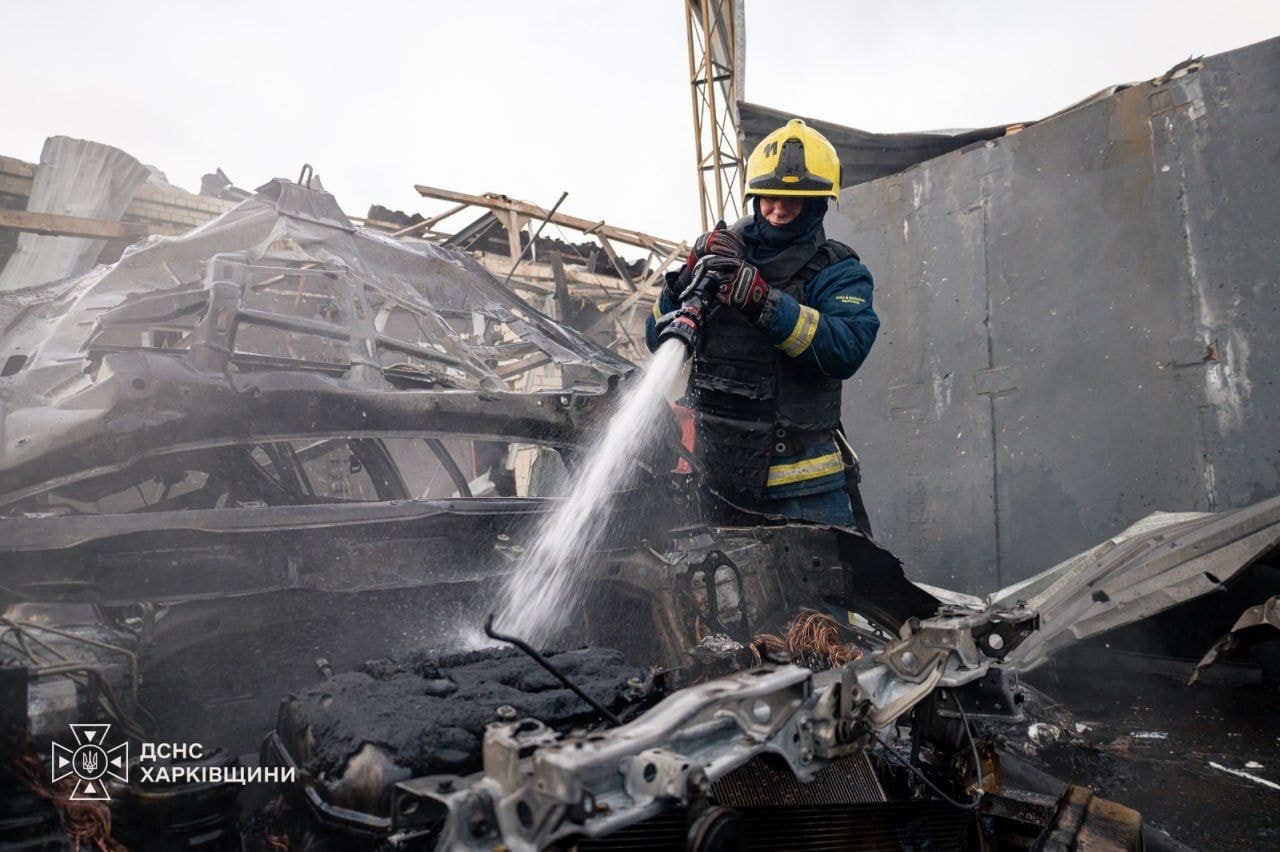
Russia attacked a grain storage facility in Odesa Oblast on Nov. 28, damaging the facility and destroying a significant amount of Ukrainian grain, Governor Oleh Kiper reported.
The attack came as Ukrainians observed the Day of Remembrance of the Victims of the Holodomor — commemorating the millions killed under the forced starvation regime imposed on Ukraine by the Soviet government from 1932-1933.
Kiper called the attack on a grain warehouse "cynical," drawing a comparison between Russia's modern-day destruction of Ukrainian grain supplies with the historical confiscation of grain during the Holodomor.
"On the Day of Remembrance of the Victims of the Holodomor, when Ukrainians honor the millions of people killed by the totalitarian regime, Russia launched a cynical attack on a grain storage facility in Odesa Oblast," Kiper wrote on Telegram.
The strike damaged the warehouse roof and destroyed "a significant portion of Ukrainian grain," he said.
The governor said there were no casualties and work is underway to repair the facility.
Throughout the full-scale war against Ukraine, Russia has launched attacks against the country's grain exports and port infrastructure, not only inflicting severe damage on the southern region of Odesa but also putting global food security at risk.
Ukraine is one of the world's largest producers and exporters of agricultural products, such as corn, wheat, barley, and sunflower oil.
Recently, Russia has also begun targeting Ukraine's food industry, hoping to destabilize the country's supply and cause even more economic damage.
The attacks on food and grain echo the atrocities of the Holodomor, a man-made famine recognized by Kyiv and some other countries as a genocide against the Ukrainian people.
Under the command of Joseph Stalin, Soviet authorities in the early 1930s confiscated the grain Ukrainian farmers had grown, then stripped them of their remaining food supplies through numerous "in-kind fines" and searches of their homes.
In December 1932, food trade was banned in 82 districts of Ukraine, while supplies of manufactured goods were also halted.
The Holodomor killed approximately 4 million victims in Ukraine, according to official Ukrainian figures.
On the fourth Saturday of November, Ukrainians traditionally light candles in their homes in memory of the victims of the Holodomor. A nationwide minute of silence is observed at 4 p.m., and commemorative events are held nationwide.
read also
Russian attacks kill 3, injure 25 over past day
Russian attacks over the last day have killed at least three people and injured at least 25 others, according to Ukrainian authorities.
In Kharkiv Oblast, six people were injured amid Russian attacks on the front-line region over the last day, Kharkiv Oblast Governor Oleh Syniehubov reported.
Russian strikes on Odesa killed one person and injured five more as apartment buildings, warehouses, and a farm came under attack, Odesa Oblast Governor Oleh Kiper reported.
In the city of Zaporizhzhia, a woman was killed after a Russian airstrike hit her house, while rescuers pulled her 14-year-old daughter from the rubble, the State Emergency Service reported. Another person was injured in the attack.
In Kremenchuk, Poltava Oblast, a Russian strike on Nov. 28 killed one person and injured five more, the National Police reported.
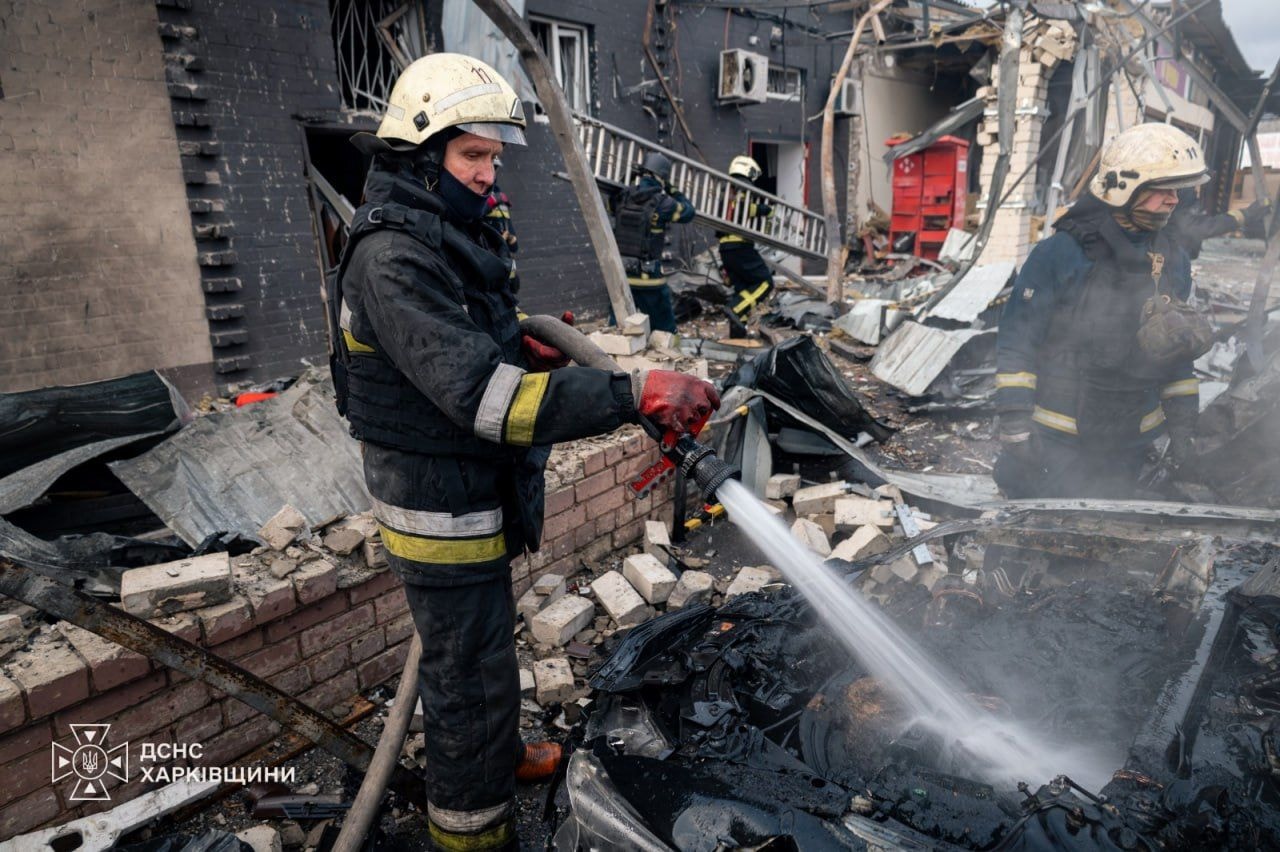
In Fastiv, Kyiv Oblast, a Russian strike caused a fire at a market, damaging businesses and shops, head of the Kyiv Oblast Military Administration Tymur Tkachenko reported. While no casualties were reported in Fastiv, four people were injured in Russian attacks on Kyiv Oblast over the past day, and eight buildings and 19 houses were damaged, he added.
In Dnipropetrovsk Oblast, two teenage boys were left in serious condition after Russian drones pummeled the region more than 20 times, Governor Oleksandr Hanzha reported.
In Sumy Oblast, an overnight attack injured at least one person, the State Emergency Service announced. Russia struck the region again in the morning, hitting a truck and a building in the city of Sumy, although no further casualties have been reported.
In Zhytomyr Oblast, one person was injured following Russian attacks on civilian infrastructure, including a gas station, the State Emergency Service reported.
In Chernihiv Oblast, Russia attacked a tobacco factory belonging to British American Tobacco, Ukrainian journalists at Suspilne reported. There were no casualties.
In total, Russia launched 140 drones at Ukraine overnight, Ukraine’s Air Force reported. Air defenses downed 101 drones.
Over the past week, Russia launched 1,960 drones, 1,600 guided aerial bombs, and eight missiles at Ukraine, President Volodymyr Zelensky wrote on social media.
"The Russians are trying to take advantage of the approaching cold weather to attack energy infrastructure and other critical infrastructure. They have struck substations in the Vinnytsia, Kirovohrad, Rivne, Kharkiv, and Odesa oblasts," he wrote.
Ukraine ready for ceasefire along current front line, Zelensky says
Ukraine is ready for a ceasefire with Russia along the current front line to pave the way for diplomatic negotiations with Moscow, President Volodymyr Zelensky said in an interview with Qatari state-run media outlet Al Jazeera on Nov. 29.
Zelensky said Russian President Vladimir Putin has no intention of withdrawing from Ukraine. While a ceasefire along the current front line would be a "very big compromise," he said Kyiv is ready for diplomacy.
"We are ready for such steps, to stay and stop where we stay. We say ceasefire on the contact line," he told Al Jazeera.
Zelensky’s comments come several weeks after peace talks with Russia in Abu Dhabi, led by the U.S., failed to produce any concrete agreements. Putin later rejected the prospect of a ceasefire covering energy facilities and Black Sea shipping following Ukrainian strikes on Nov. 17 and 19 that destroyed a section of the Crimean Bridge.
Moscow has continued to demand that Ukraine cede territory in the occupied region of Donbas, a nonstarter for Kyiv. The EU has said that there needs to be a ceasefire before any of Russia's demands can even be discussed.
There are concerns in Ukraine and Europe that Washington is aligning itself with Moscow, particularly after U.S. President Donald Trump’s envoy and son-in-law, Jared Kushner, praised Putin and repeated disputed Russian talking points in an interview with Politico on Nov. 25.
Zelensky said that while Trump remains in power, he hopes the U.S. president will find a way to end the war "without only a situation where Ukraine has to pay for this."
The front lines in Ukraine have changed very little over the past two years of the war, running through Donetsk, Luhansk, Zaporizhzhia, and Kherson oblasts, as well as parts of Sumy, Dnipropetrovsk, and Kharkiv oblasts.
Ukraine has seen some successes in recent months, particularly as part of Operation Vivaldi, a multi-phase effort to liberate parts of northern Donetsk Oblast. According to Zelensky, Ukraine managed to liberate more territory this autumn than Russia was able to capture.
In total, Operation Vivaldi resulted in the liberation of 16 settlements and the return of 277 square kilometers (106 square miles) to Ukrainian control, corps commander Brig. Gen. Andrii Biletskyi said in October.
With little progress on the front line, Russia ramped up attacks on Ukraine’s economic infrastructure this year, hammering ports, factories, and warehouses.
As winter approaches, Moscow has increasingly turned its attention to cutting off key cities like Kyiv and Odesa from the energy grid.