Russia attacks Odesa infrastructure, destroying Ukrainian grain on Holodomor Remembrance Day
 on Google

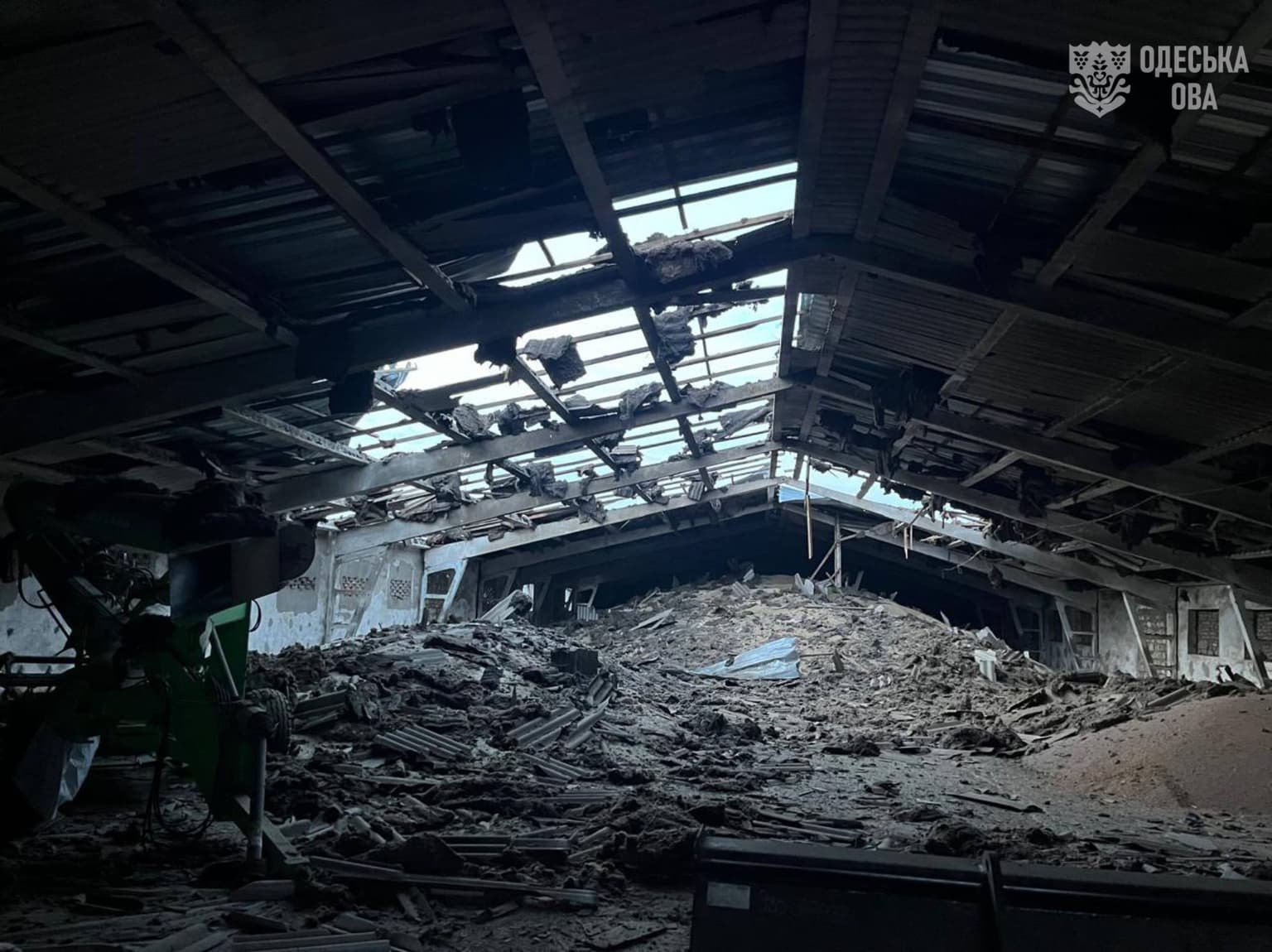
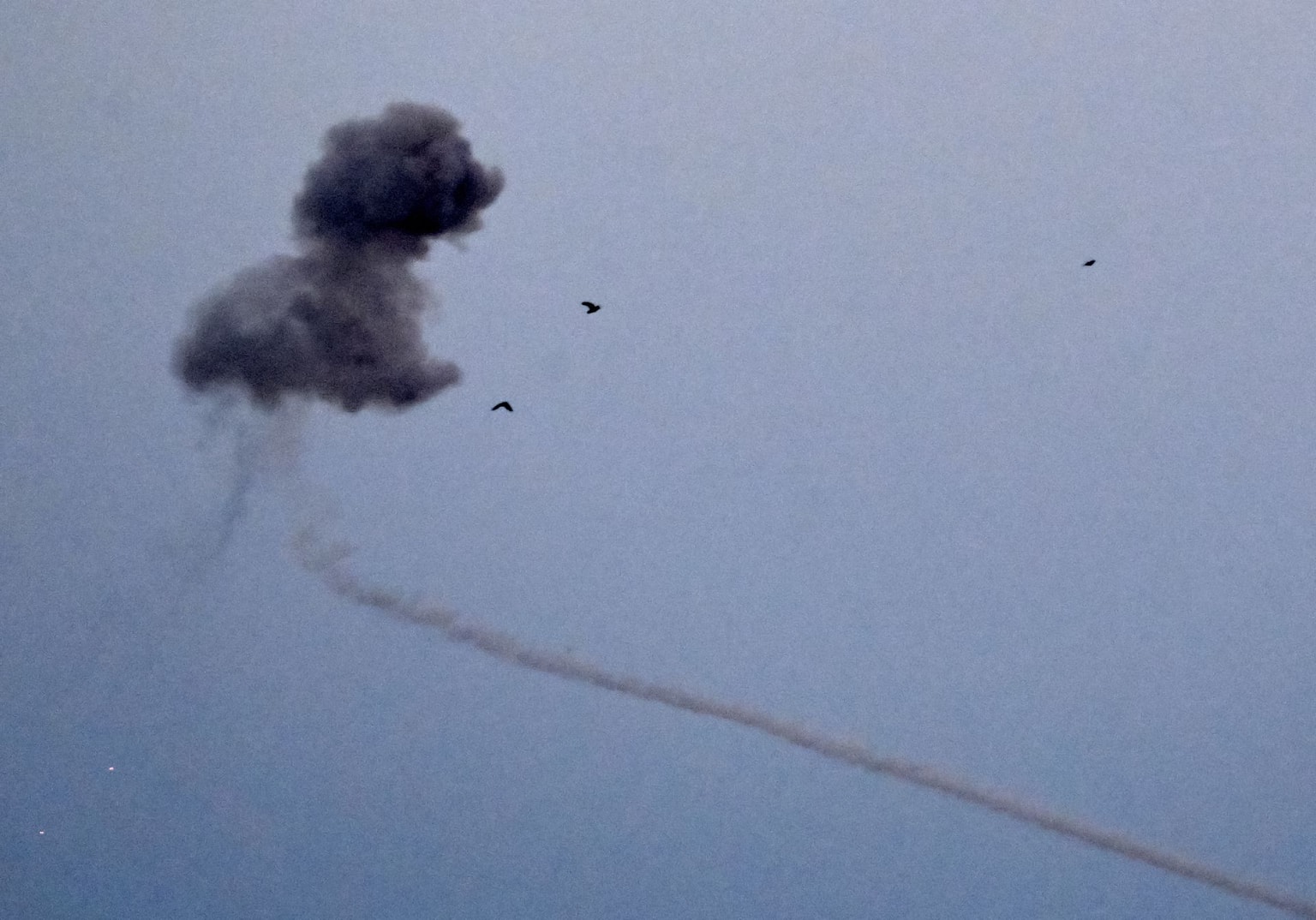
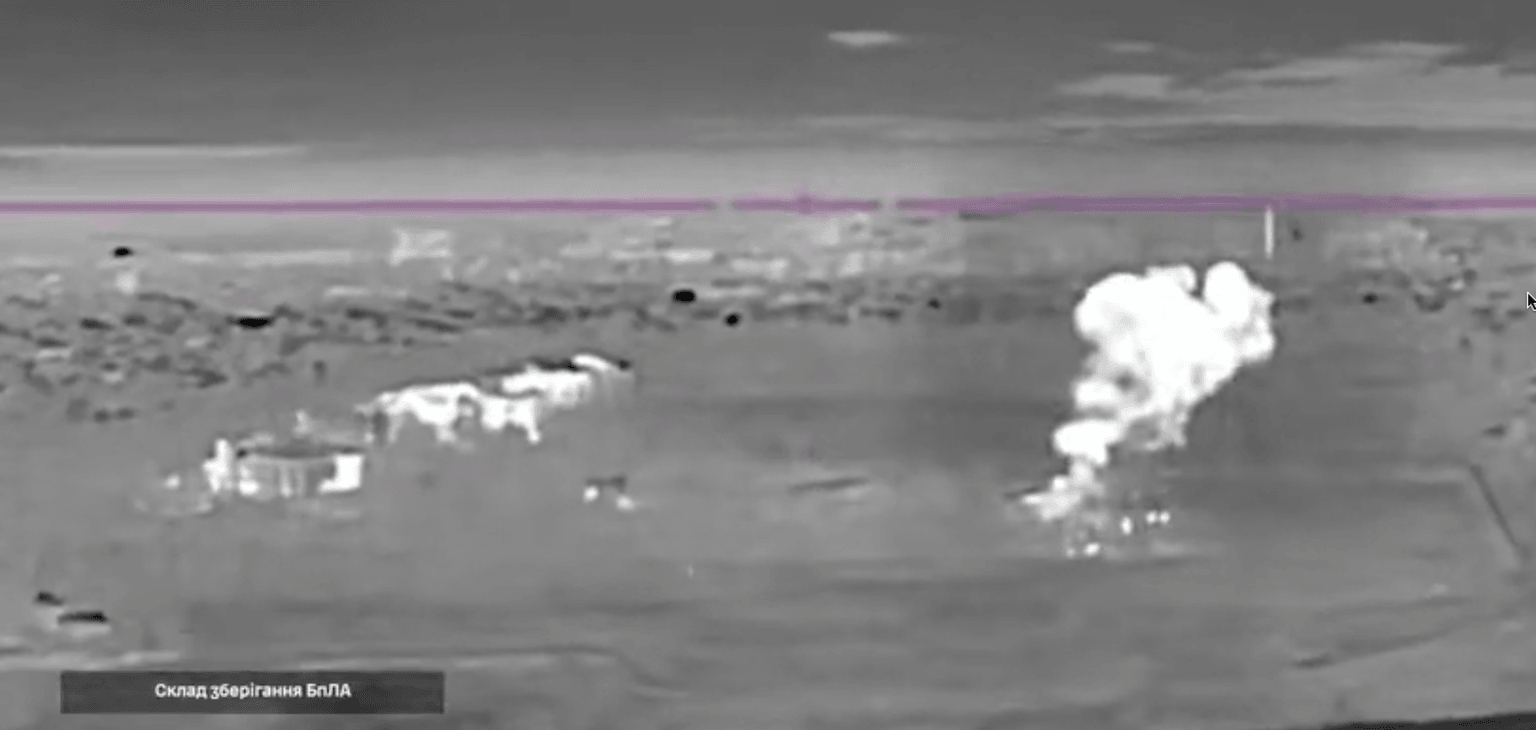
Russia attacked a grain storage facility in Odesa Oblast on Nov. 28, damaging the facility and destroying a significant amount of Ukrainian grain, Governor Oleh Kiper reported.
The attack came as Ukrainians observed the Day of Remembrance of the Victims of the Holodomor — commemorating the millions killed under the forced starvation regime imposed on Ukraine by the Soviet government from 1932-1933.
Kiper called the attack on a grain warehouse "cynical," drawing a comparison between Russia's modern-day destruction of Ukrainian grain supplies with the historical confiscation of grain during the Holodomor.
"On the Day of Remembrance of the Victims of the Holodomor, when Ukrainians honor the millions of people killed by the totalitarian regime, Russia launched a cynical attack on a grain storage facility in Odesa Oblast," Kiper wrote on Telegram.
The strike damaged the warehouse roof and destroyed "a significant portion of Ukrainian grain," he said.
The governor said there were no casualties and work is underway to repair the facility.
Throughout the full-scale war against Ukraine, Russia has launched attacks against the country's grain exports and port infrastructure, not only inflicting severe damage on the southern region of Odesa but also putting global food security at risk.
Recently, Russia has also begun targeting Ukraine's food industry, hoping to destabilize the country's supply and cause even more economic damage.
The attacks on food and grain echo the atrocities of the Holodomor, a man-made famine recognized by Kyiv and some other countries as a genocide against the Ukrainian people.
Under the command of Joseph Stalin, Soviet authorities in the early 1930s confiscated the grain Ukrainian farmers had grown, then stripped them of their remaining food supplies through numerous "in-kind fines" and searches of their homes.
In December 1932, food trade was banned in 82 districts of Ukraine, while supplies of manufactured goods were also halted.
The Holodomor killed approximately 4 million victims in Ukraine, according to official Ukrainian figures.
On the fourth Saturday of November, Ukrainians traditionally light candles in their homes in memory of the victims of the Holodomor. A nationwide minute of silence is observed at 4 p.m., and commemorative events are held nationwide.
Ukraine is one of the world's largest producers and exporters of agricultural products, such as corn, wheat, barley, and sunflower oil,