Ukrainians know another hard winter is coming. Their government isn’t ready
As the summer comes to an end, Ukrainian authorities are still a long way off preparing for an inevitable energy crisis.
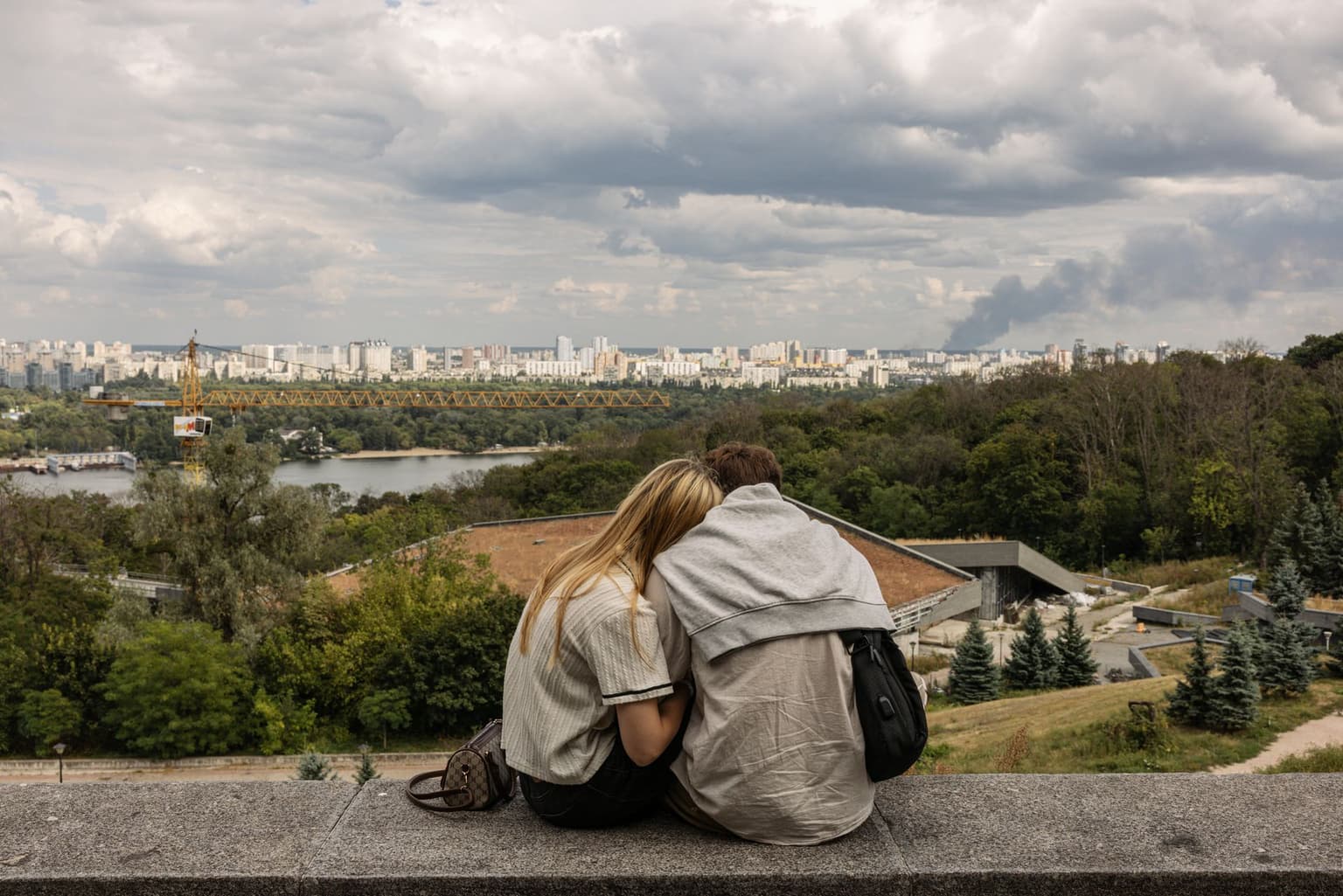
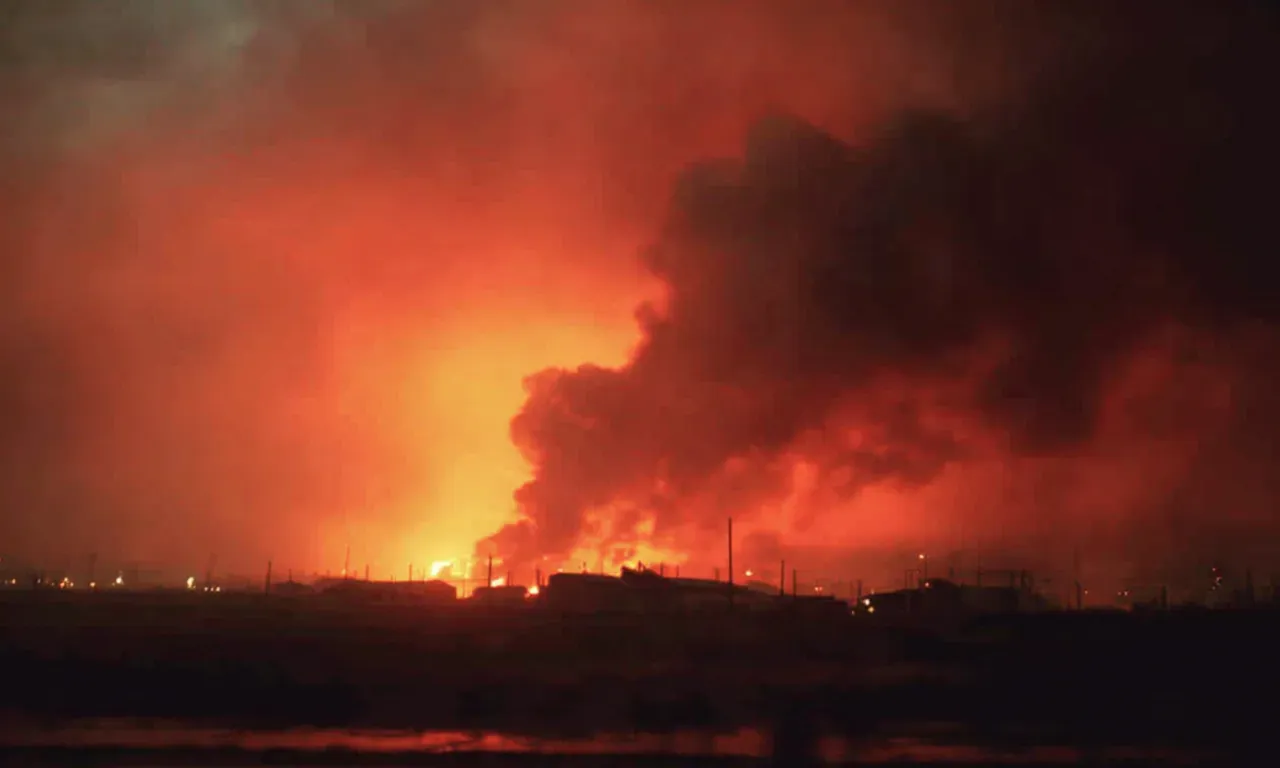
People gather at an overlook near the Kyiv Pechersk Lavra as smoke rises from a Russian drone strike in Boryspil district, Kyiv Oblast, Ukraine, on Aug. 27, 2026. (Diego Fedele / Getty Images)
 on Google
On the last day of summer in Kyiv, the city’s residents, young and old, made the most of the hot weather by sunbathing on the sandy banks of the Dnipro River, even as dozens of drones were being shot down overhead.
But as the sun sets on the final warm weeks, memories of last winter — when homes went weeks without heat and electricity in temperatures as low as minus 25 degrees Celsius — are setting in. Ukraine has yet to fully repair the damage Russia inflicted, while Moscow is likely to escalate, producing record numbers of jet-powered drones and ballistic missiles as Ukraine’s air defenses run thin.
"I dream that this winter won’t be as bad as the last. But I think it will probably be worse," Tamara Stukalenko, a 75-year-old resident, told the Kyiv Independent.

"Now Russia has come up with a new system for us: these constant air raid alerts. And then, when it comes time for the heating season, they'll probably launch even more (attacks). And that's frightening."
Energy Minister Denys Shmyhal said on Aug. 31 the country is prepared to go into winter with 19.6 gigawatts (GW) of generation planned by November and strong gas and coal reserves. But most people on the beach expect this winter to be worse or at least the same as the last one, when Russia wiped out 9 GW of energy generation.
Behind the government’s positive messaging, authorities have made little progress tackling the core issues of the energy crisis over the last seven months, despite an "Energy Resilience Plan" announced in March, several energy officials told the Kyiv Independent.
The plans were supposed to guarantee facilities were protected and repaired in time, with additional backup heat and energy equipment installed. But they are far from complete, as Ukraine lacks funding, equipment, air defense, and energy specialists, with no clear answers on how to solve the issues, those officials said.
Underprepared
The government said in March that the nationwide resilience plans would cost 5.4 billion euros ($6.2 billion). But without help from allies like the EU, it has so far only managed to allocate Hr 62.7 billion ($1.4 billion) from its budget.
Moreover, Kyiv can’t redirect funds from the EU’s 90 billion euro loan because it would have to sacrifice financing elsewhere, such as pensions or satellites for soldiers, one energy adviser told the Kyiv Independent on condition of anonymity to speak freely.
Without the funding, cash-strapped local governments, particularly in front-line regions, are struggling to implement the plans because they are overwhelmingly reliant on the national budget for funding.
Resilience plans are episodic; they lack a systemic approach and are made solely for the sake of creating a good-looking picture.
Meanwhile, disputes between the government and Kyiv’s city authorities over financing meant the capital’s plan was only just approved on Aug. 31. Critics have also called into question the quality of the plans themselves with some saying they were little more than a PR stunt.
"Resilience plans have no methodology, no basic framework for what these plans are supposed to achieve. Therefore, resilience plans are episodic; they lack a systemic approach and are made solely for the sake of creating a good-looking picture," the head of a local heating company said at an energy roundtable last week, according to meeting notes seen by the Kyiv Independent.
At the same time, Kyiv’s authorities failed to build gas pipelines connecting the city to distributed heating sources, meaning parts of the capital won’t have heat once Russia starts attacking power plants, the anonymous energy adviser said.

Meanwhile, thermal and cogeneration plants will require more air defense to protect against ballistic missiles, as it is currently impossible to build concrete shelters around them because they are so large, Oleksii Orzhel, the head of the Kyiv office of the Energy Community Secretariat, told the Kyiv Independent.
As Zelensky seeks new Patriot air defense missiles, the Energy Community Secretariat is trying to secure 650 million euros ($754 million) for the Energy Support Fund to procure resources for Ukraine’s central grid, particularly high-voltage equipment for the country’s grid operator, Ukrenergo.
But by mid-August, the fund had secured less than half of that financing, while some equipment can take one or two years to arrive, said Orzhel.
We are competing for those (mobile gas) turbines with data centers all over the world because of this AI boom.

Since the start of the year, allied countries have also sent around 5,000 pieces of distributed energy equipment, such as generators, to provide backup power to vulnerable regions. But some key equipment, such as mobile gas turbine units, is harder to come by now than last year, the anonymous energy adviser said.
"We are competing for those turbines with data centers all over the world because of this AI boom. The price is growing, and the queue is growing," they said.
Even if the distributed energy equipment does arrive, the country is suffering a massive shortage of energy specialists to install, operate and maintain the complicated equipment. The issue came to a head last winter, when donated units were sitting unplugged in the middle of a humanitarian crisis because no one knew how to operate them.
Since then, some energy specialists have been given an exemption from the army, but in smaller regions, there are simply not enough of them, Viktoria Gryb, a lawmaker and head of the parliament’s subcommittee on energy security, told the Kyiv Independent. Nor has the government made any plans to train or recruit new specialists, she added.
Local state-run heating companies are also caught in a debt doom loop. A nationwide moratorium prevents them from raising heating tariffs, while the state has failed to fully compensate them for the difference, leaving them with Hr 75 billion ($1.7 billion) in debt.
Without the reimbursement, they cannot pay the more than Hr 100 billion ($2.2 billion) they owe to state energy giant Naftogaz for gas purchases, resulting in Naftogaz blocking their accounts and leaving them unable to buy the equipment needed to repair damaged facilities ahead of winter.
But instead of the central government resolving the issue, the heads of local heating companies say they are being ignored and sidelined when they reach out to ministers.
"The issue is that for communal services, local governments are responsible, and if it's the responsibility of local government, then the national government doesn't really take care of it," Gryb said.
Crisis mode
With the government facing another corruption scandal, some in Kyiv doubt the capability of Ukraine’s leadership. Many last winter blamed the government for the crisis in Kyiv and felt the emergency responses came too slowly as they endured freezing temperatures at home.
This year, the capital’s authorities are preparing for another crisis, with temporary shelters for more than 200,000 residents, a Ukrainian official with knowledge of the matter told the Kyiv Independent. But with Kyiv’s population at more than 3 million people, the shelters will only cover a fraction of the city.

Many, like Tamara Stukalenko, are considering leaving Kyiv if they lose heating and electricity. With a large number of pensioners remaining in the capital, Kyiv’s authorities are going door to door offering temporary relocation for vulnerable residents.
So far, around 1,300 elderly people, 400 children with disabilities and 500 adults with disabilities have indicated they may move to another, safer location, the Kyiv City Administration reported.
But the vast majority want to stay in their homes, with authorities offering to provide food, transportation assistance, and social support instead.
“We can't change anything, (but we can) help ourselves and help each other.”

Despite the grim outlook, beachgoers maintain the stoicism that Ukraine has become famous for. Roman Yakushchenko, a young lifeguard on duty, is making the most of his final weeks before the beach packs up for autumn.
While he points out the people sunbathing and enjoying themselves, winter isn’t far from his thoughts. This one will be worse, he thinks, but says he will try to find the positives.
"We can't change anything, (but we can) help ourselves and help each other," he said.
Additional reporting by Tim Zadorozhnyy.