Zelensky restricts media coverage of critical infrastructure targeted by Russian attacks
 on Google


Editor's Note: This is a developing story.
President Volodymyr Zelensky on Nov. 28 signed a decree enforcing winter protection measures determined by Ukraine's National Security and Defense Council, including restrictions on media coverage of critical infrastructure attacked by Russian forces.
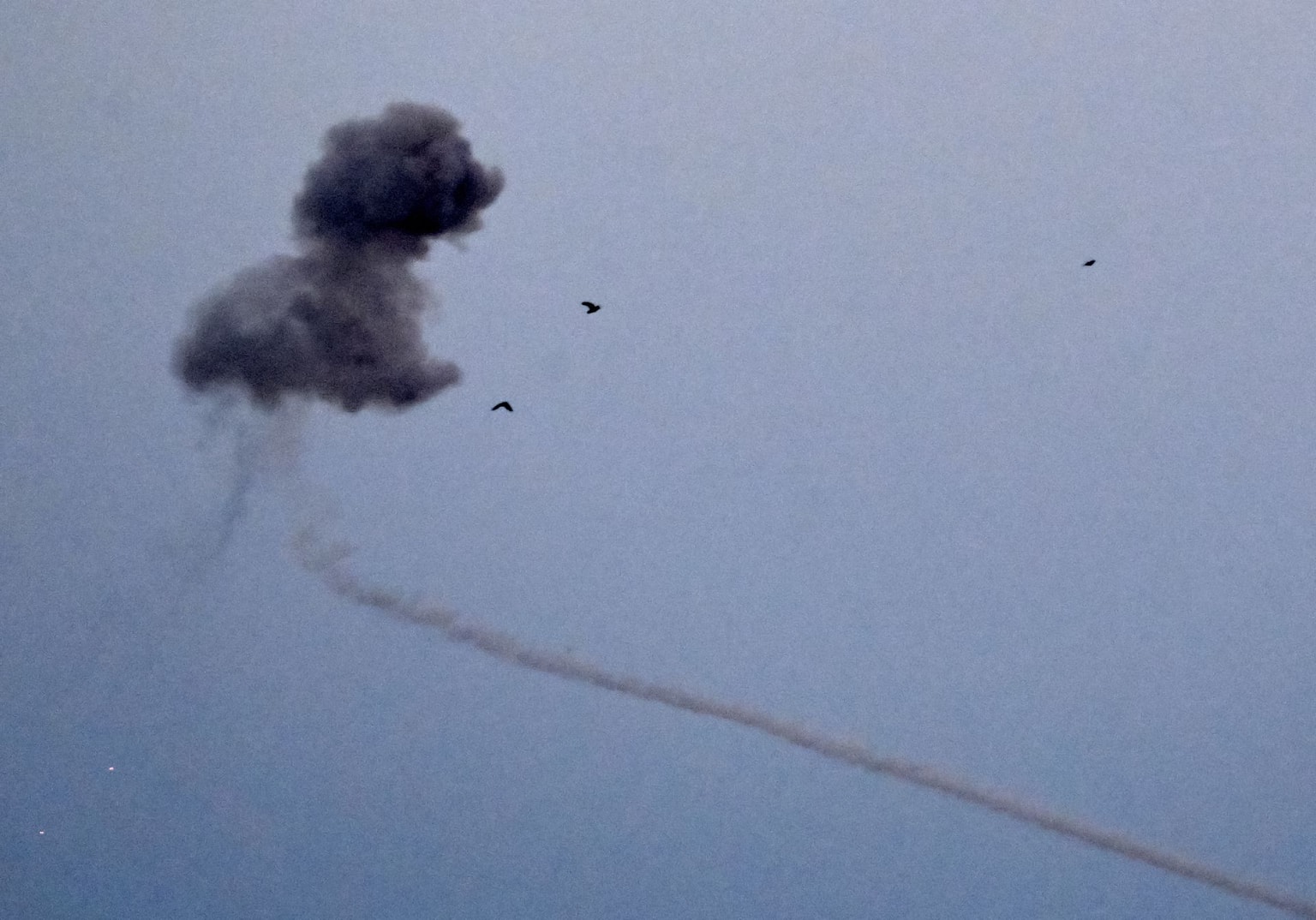
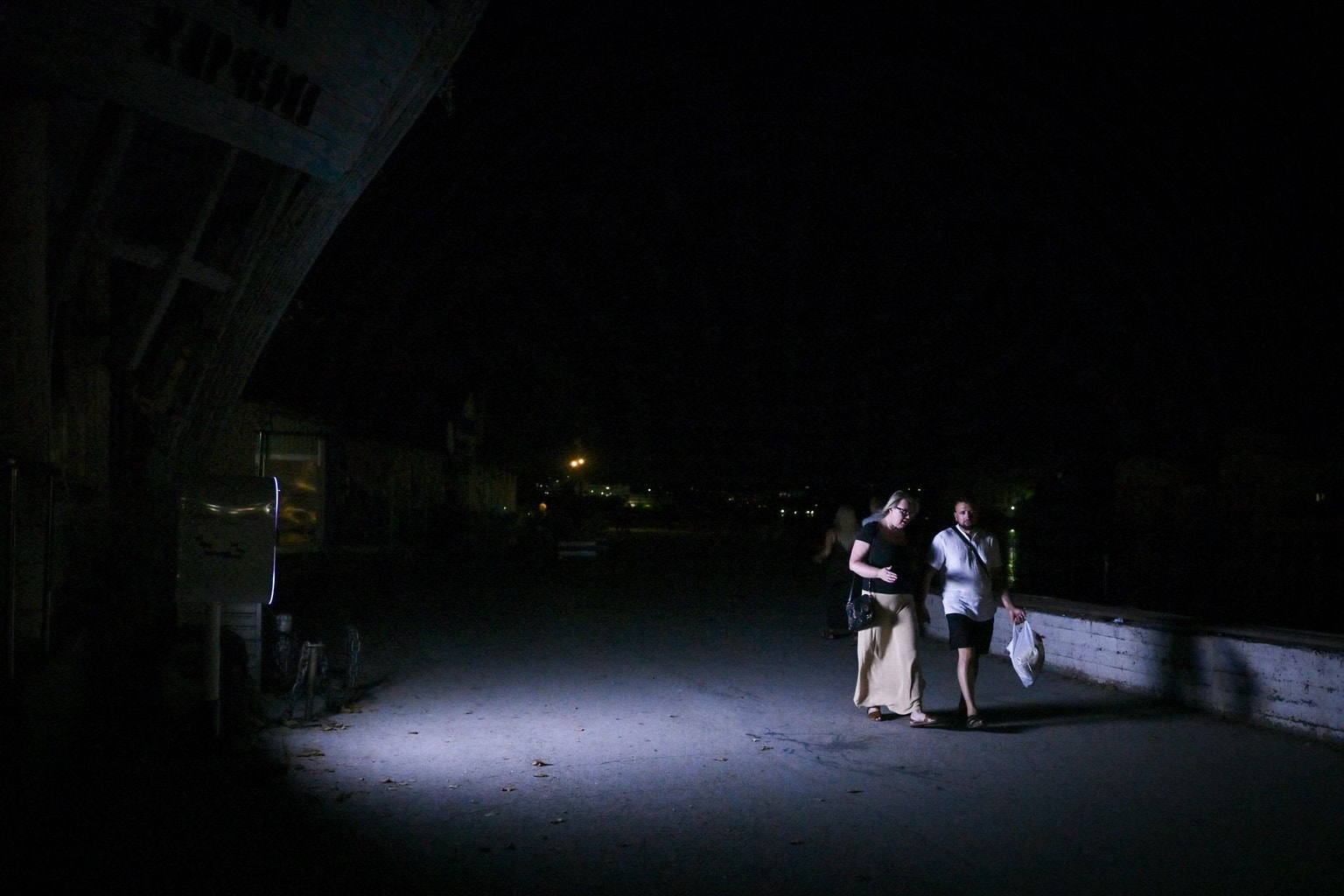
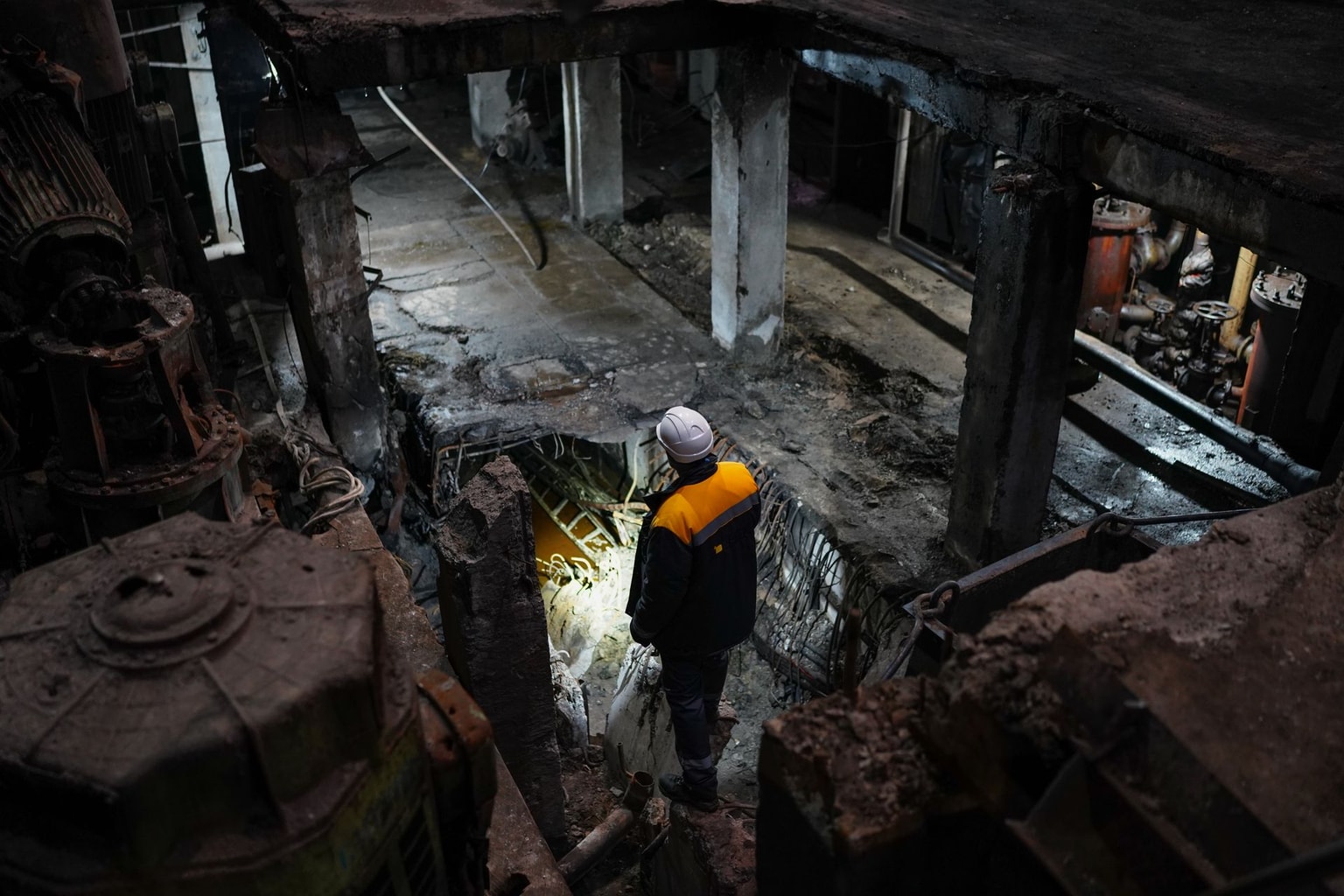
The decree comes as Russia hammers energy facilities in Ukraine daily, leaving thousands of civilians without electricity, water, or heating as temperatures plunge.
One of the new measures bans media from publishing information on the consequences of damage to critical infrastructure and the timelines for the sites' restoration.
The decree instructs Ukraine's Cabinet of Ministers to "take urgent measures to prohibit the publication in the media of information regarding the consequences of damage and the timelines for restoring critical infrastructure facilities, as well as the stages and status of construction of protective structures at critical infrastructure facilities in the fuel and energy sector and the public utilities sector."
The other measures involve steps for strengthening engineering and air defense, deploying electronic warfare systems, constructing protective structures at critical infrastructure facilities, and developing backup power systems.
The decree entered into force at the time of its signing on Nov. 28.
The National Security and Defense Council said it adopted this decisions based on "the high probability that the aggressor will continue to employ tactics of massive aerial strikes against these facilities, as well as with the aim of strengthening the protection and defense of critical infrastructure facilities to meet the urgent needs of the population."
Since September of this year, Russia has carried out more than 1,000 attacks on Ukraine's energy infrastructure, targeting not only power plants but also high-voltage substations and transmission lines, according to the Center for Economic Strategy (CES).
The intensity of the strike campaign has forced Ukraine to halt energy exports, even as energy imports surge to record highs.
Russia's arsenal of ballistic missiles and high-speed jet-powered drones has also expanded, while Ukraine's air defenses face severe limitations and munitions shortages. Moscow aims to exploit this imbalance in order to wipe out power plants, substations, and gas infrastructure during its fifth winter offensive of the full-scale war.
The energy crisis has also been compounded by inadequate government response plans, leaving cities underprepared for the scale of the winter assault.