Road to the kill zone: With Ukrainian troops on the lifeline from Kramatorsk to Kostiantynivka
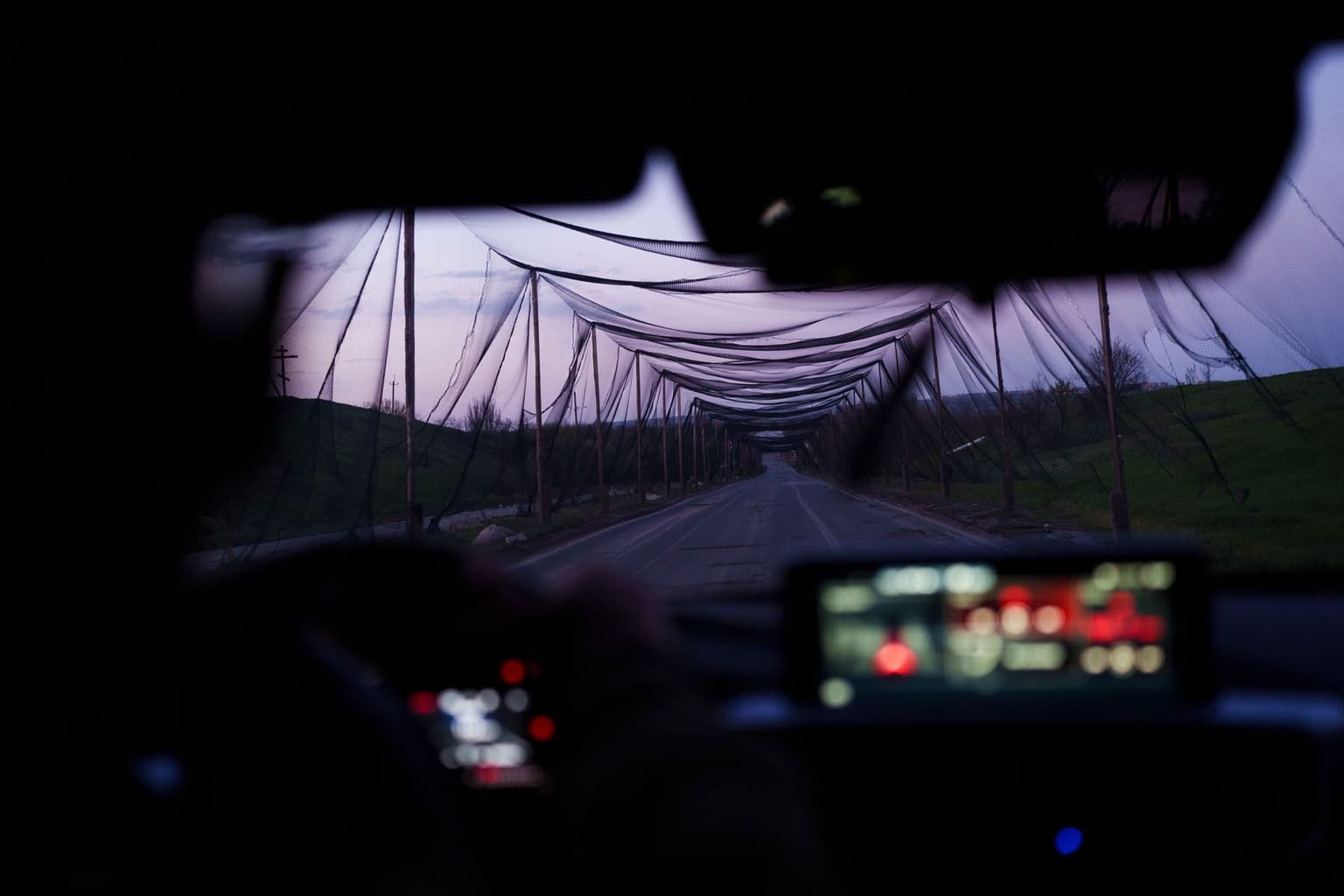
A view from inside a vehicle moving along a road heavily covered by anti-drone netting between Druzhkivka and Olexiivo-Druzhkivka, Donetsk Oblast, Ukraine, on April 28, 2026. (Serhii Korovayny/The Kyiv Independent)
 on Google
Editor’s note: Ukrainian photojournalist Serhii Korovaynyi made two trips on foot toward the city of Kostiantynivka in Donetsk Oblast in spring 2026. Francis Farrell, who has also traveled to the area recently, helped put the article together from Kyiv. In accordance with the security protocols of the Ukrainian military, soldiers featured in this story are identified by first name or call sign only.
This April in Donbas, daffodils and tulips are blooming near courtyards destroyed by glide bombs and burned by fires. Gusts of wind push cherry trees to the ground, their petals catching on the white anti-drone nets that drape their branches. Large bumblebees buzz from flower to flower, while another, different humming noise disrupts the scene.
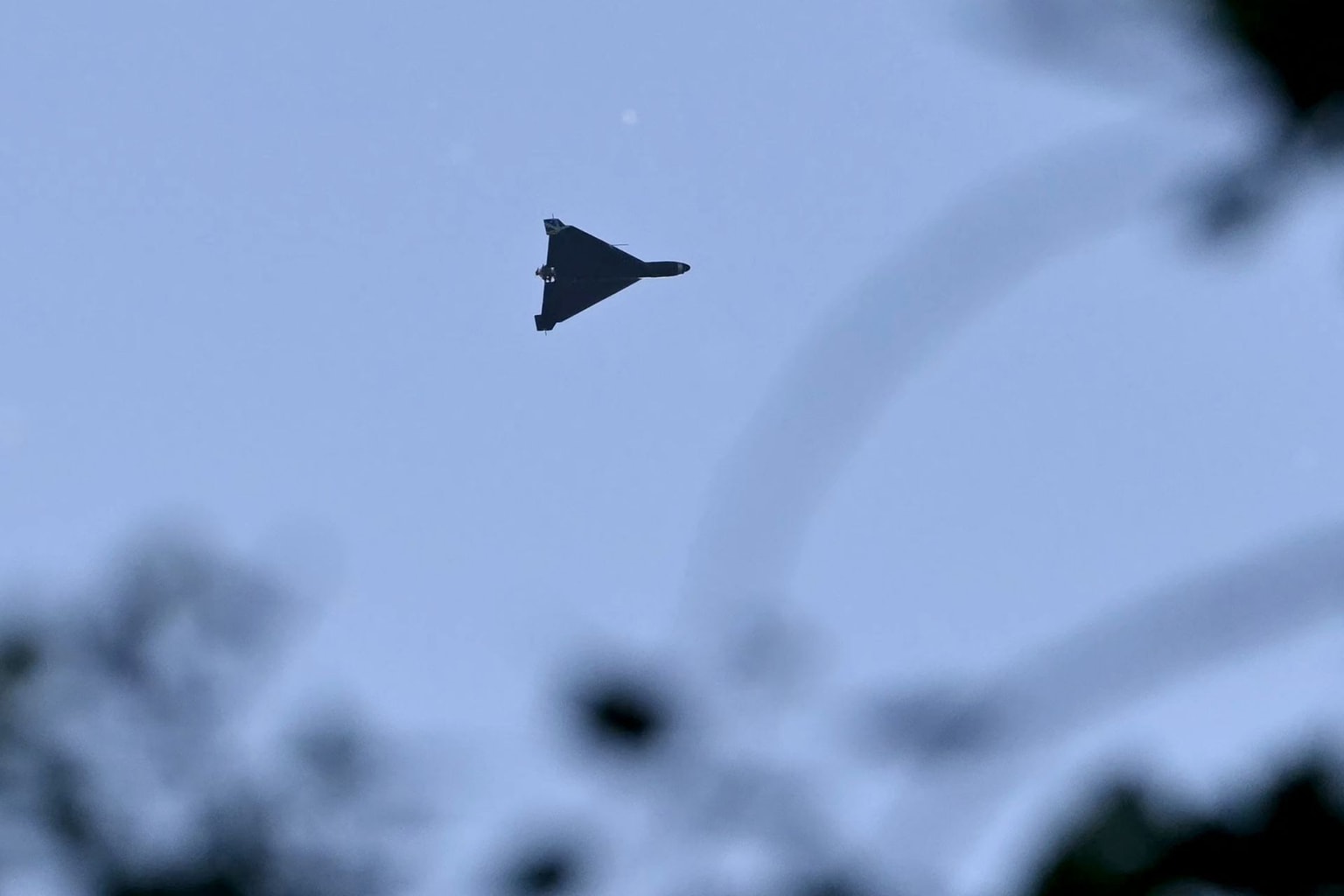
A Russian first-person view (FPV) drone flies along the road from Kostiantynivka to Druzhkivka, looking for its prey, as the optical fiber from earlier drones stretches along the bright green grass. The sharp pops of gunshots ring out, cascading down the road as the drone gets closer.
A loud explosion marks the end of the drone’s journey, as one of the mobile fire groups patrolling the road shoots the hunter down. Here and there, groups of soldiers emerge from their hiding spots in the bushes and continue on their path — either towards or away from the front line.
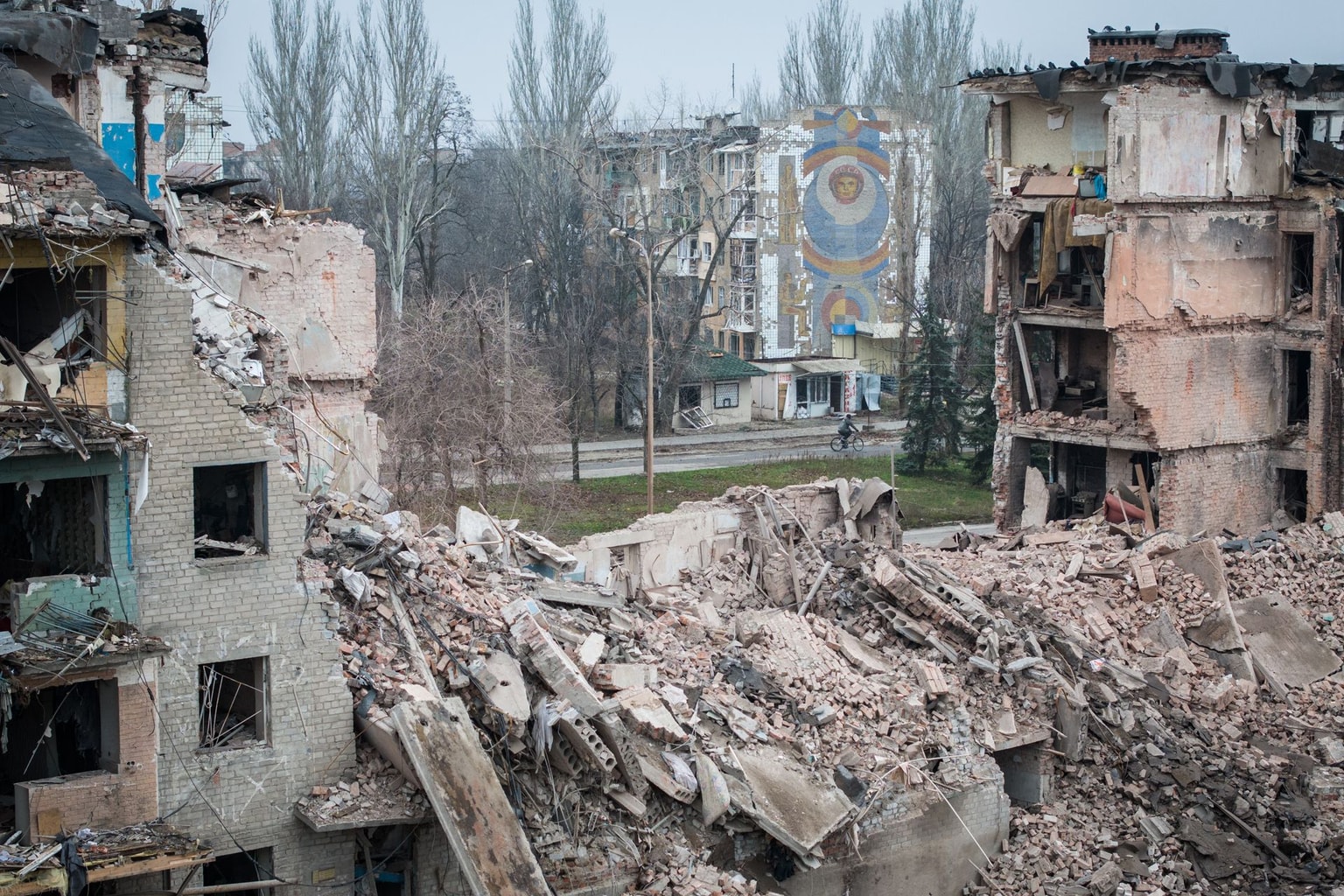
The road from Kramatorsk to Kostiantynivka is a picture of the Russian-Ukrainian war in 2026. Forming the backbone of the so-called “fortress belt” of Donbas, the road connects much of the remainder of Ukrainian-controlled Donetsk Oblast, which Russia has spent 12 years trying to occupy.
Kostiantynivka is the southernmost of the four cities of the “fortress belt,” and, as of spring 2026, the first to be entered by Russian soldiers on its outskirts, with Russian forces reportedly continuing to make slow but costly advances.
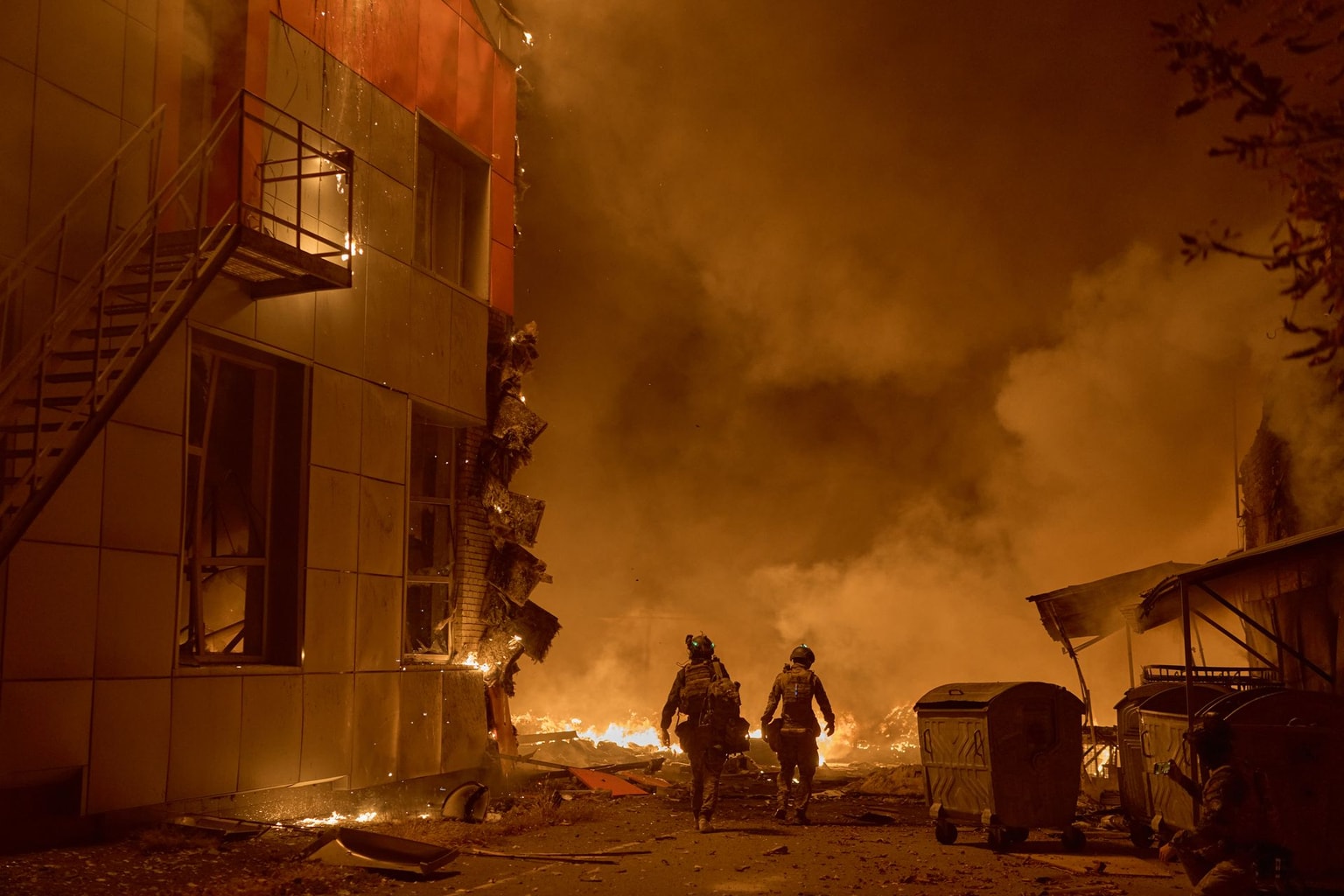
Much like the city of Pokrovsk last year, the city is now host to fierce urban fighting, taking place in new, drone-dominated tactical conditions, with logistics in and out of the city made more and more difficult with every passing month.


By now, most brigades fighting in Kostiantynivka have stopped using vehicles for anything but the most urgent of missions into the city. Even unmanned ground vehicles (UGVs), which are often a working solution for carrying heavy loads, are spotted and struck more often than not by drones. As a result, Ukrainian forces in the area often have to return to conducting rotations and supply runs by foot.
Morning patrol
Early one morning in Kramatorsk, a mobile fire group from the 24th Mechanized Brigade prepares to head out. The team, with callsigns Mammoth, Peacock, and Monk load into a black minivan, already donning their vests and helmets. After preparing a drone detector and loading rifles, the group takes off, reaching speeds of up to 120 kilometers (74 miles) per hour down the bumpy frontline road.

Over the radio, the female voice of Athena, on duty at the unit’s command post, reports that a Russian FPV drone is on the move. Soon the grainy, flickering image of the road appears on the small screen of the drone detector, filled with static; and a minute later, the soldiers hear a familiar buzz in the air. Mammoth and Monk have their guns at the ready, staring intently at the road.
Gunshots are followed by explosions, and a small black cloud appears in the sky.

The soldiers let out a sigh of relief, as the car is parked under the thin spring foliage. From this point on, soldiers will go on foot to the last checkpoint toward Kostiantynivka, and they must carry all their equipment — weapons, ammunition, supplies, personal protective gear, electronic gadgets — on their backs.
“We surely have cars, but we don’t want to risk them in these circumstances,” one of the marines explains, maintaining a brisk pace.
So their mission begins. Mammoth and his team act like sheriffs in the American Wild West, maintaining order in their jurisdiction. Their group’s job is to cover vehicles on the move, check the road for obstacles, hunt down FPVs, and look for ambush drones parked on the roadside, named “zhduny” from the Russian word “to wait.”


A few days prior, the team found a wounded Ukrainian soldier from another brigade in one of the houses in Oleksiievo-Druzhkivka. The soldier had lost a lot of blood and had run out of battery on his radio and phone; if help had not arrived, he would have likely not survived. After treating the soldier, Mammoth organized an evacuation.
During the first few hours of the journey, the group passes at least ten UGVs, each rusted chassis marking the end of an attempted logistics run, with even more of them dotted on the roadside burned and destroyed.
We stop by another fire team, where one of the members, Vitalii, has been working on the road to Kostiantynivka since November 2025 as there are simply not enough personnel to switch him out.


The most heartbreaking thing, Vitalii explains, is watching civilians being hunted by Russians as they try to escape.
"A Russian FPV took off from the field and struck a man, clearly a civilian, while he was cycling toward Druzhkivka, and he became 200 immediately," Vitalii says, recalling a recent incident.
In military jargon, “200” means killed. The body of the civilian in question is lying on the grass between the two lanes of the road; for now, it remains too dangerous to retrieve it.

As is often the case in cities near the front line, civilians here hang on to life with everything they can, even as their world is destroyed around them.
According to the most recent figures reported by authorities early in the year, around 2,000 civilians remained in Kostiantynivka. By now though, reaching an accurate number is made impossible, as the city has been cut off from all emergency and humanitarian services.
New reality
In Druzhkivka, farther from the frontline, life remains active with grocery stores, car repair shops, and small markets still working, though only a handful of kilometers separates the area from where the dense kill zone truly begins.
Yevdokiia, who lives near the Kostiantynivka road, and refused to provide her last name out of fear, calms her dog as a group of soldiers approaches her house. She works at the military hospital.
"Surely, life is very dangerous here,” she says.
“A Russian glide bomb landed on my street a month ago, and my son and I barely survived. Authorities insist we must leave, but where to? While I have a job here, I will stay.”

That day, another mobile fire group of the Khyzhak National Police Brigade is making a trip, also on foot to their own position.
What would otherwise be a relatively short walk becomes a three-hour journey, a slow game of hide-and-seek with drones and gunshots.
At one moment, a Russian FPV hovers above the mobile firing team, searching for a target. Its buzzing grows closer and then fades. In broad daylight, the team, led by call-sign Django, cannot see the target well enough to bring it down.
FPV drones are small, fast moving targets, often changing direction quickly over a hundred meters in the air. Shooting them down is often a matter of chance more than anything, and Ukraine relies on dozens of mobile fire groups along key routes like this to give the best odds.
When Django’s team reaches the dugout, the men immediately strip off their rifles, vests, and helmets, wiping sweat from their faces. Tension visibly leaves their bodies as they enter a new, relatively safe space. The dugout is a long, narrow underground construction, with rows of bunk beds and a table, serving as an improvised kitchen and charging station for radios. A tortoiseshell cat lies beside a soldier resting after a night shift.
It is still only 8 a.m. A buzzing sound disturbs the calm of the dugout but it is not a drone. Django’s wife is calling him from their town of Chernivtsi, hundreds of kilometers west. 8 a.m. is a different reality for Django’s wife, who is taking their son Makar to kindergarten.
"Yes, my boy,” Django says, smiling at the phone. “Dad is safe and sound! And here are dad's friends” — he points the camera to the rest of the group — “do you remember them? And let me show you our kitten!"


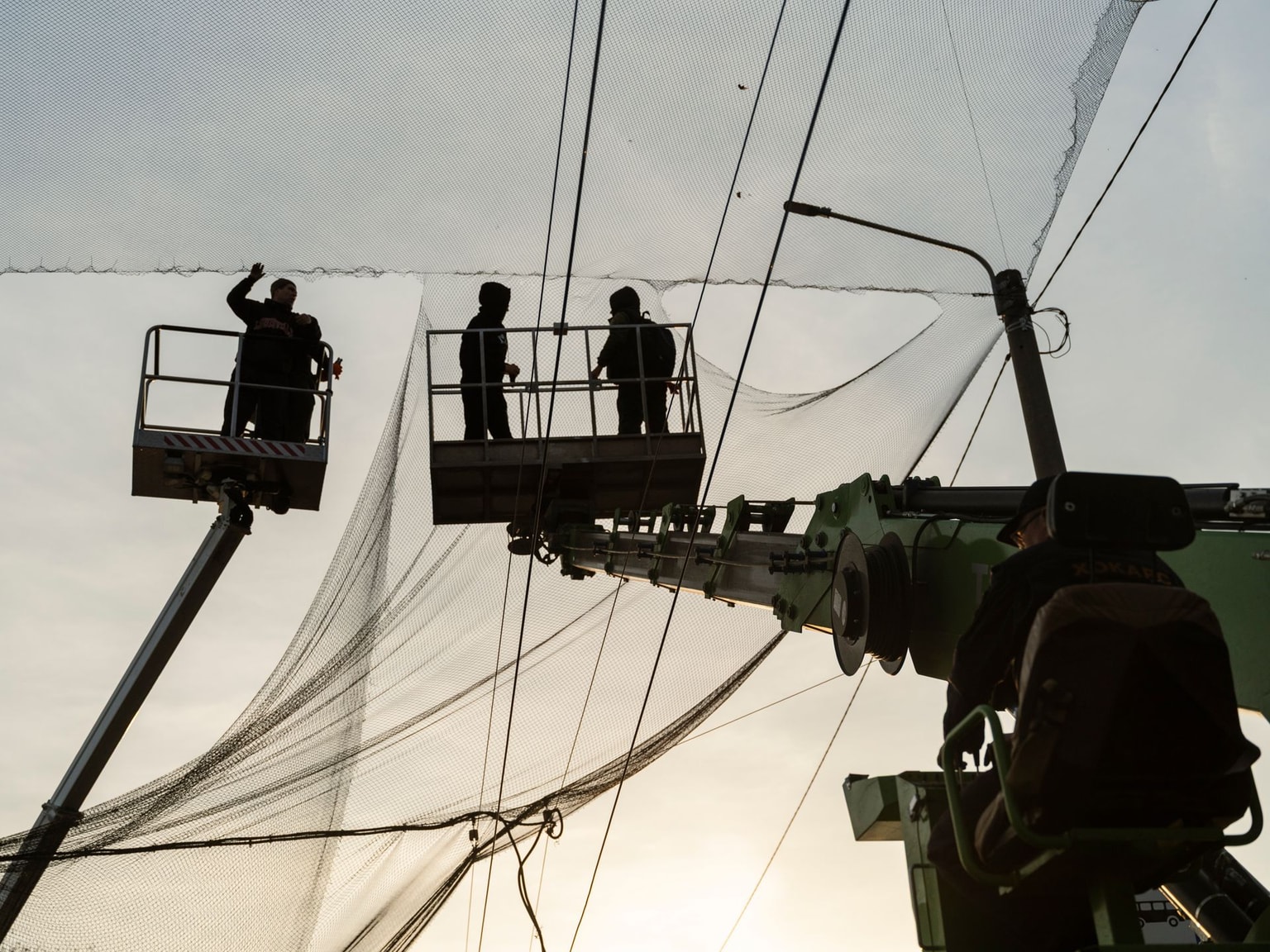
After a short rest under the cover, the Khyzhak team goes out to conduct a regular sheriff-style patrol. One group of soldiers is setting up a ladder to repair sections of the anti-drone nets that have been torn, some by Russian drones, some by the anti-drone spikes added to Ukrainian vehicles, and some simply by the elements and the passing of time.
A tall soldier climbs down the ladder as others surround the site, listening to the sky with their rifles ready. Django thanks him for his work, to which the soldier replies, “Yeah, this is a fucking dream job, but it's good to know it helps to keep you guys safe."
Under the bright sun, a small UGV drives toward Kramatorsk, maneuvering through potholes and around burned metal comrades. Life continues on the road of humans and robots, life and death, the road of modern war, the road to Kostiantynivka.