'Grandmaster of politics' who 'wants peace': Jared Kushner interview reveals how Trump's envoy sees Putin
 on Google
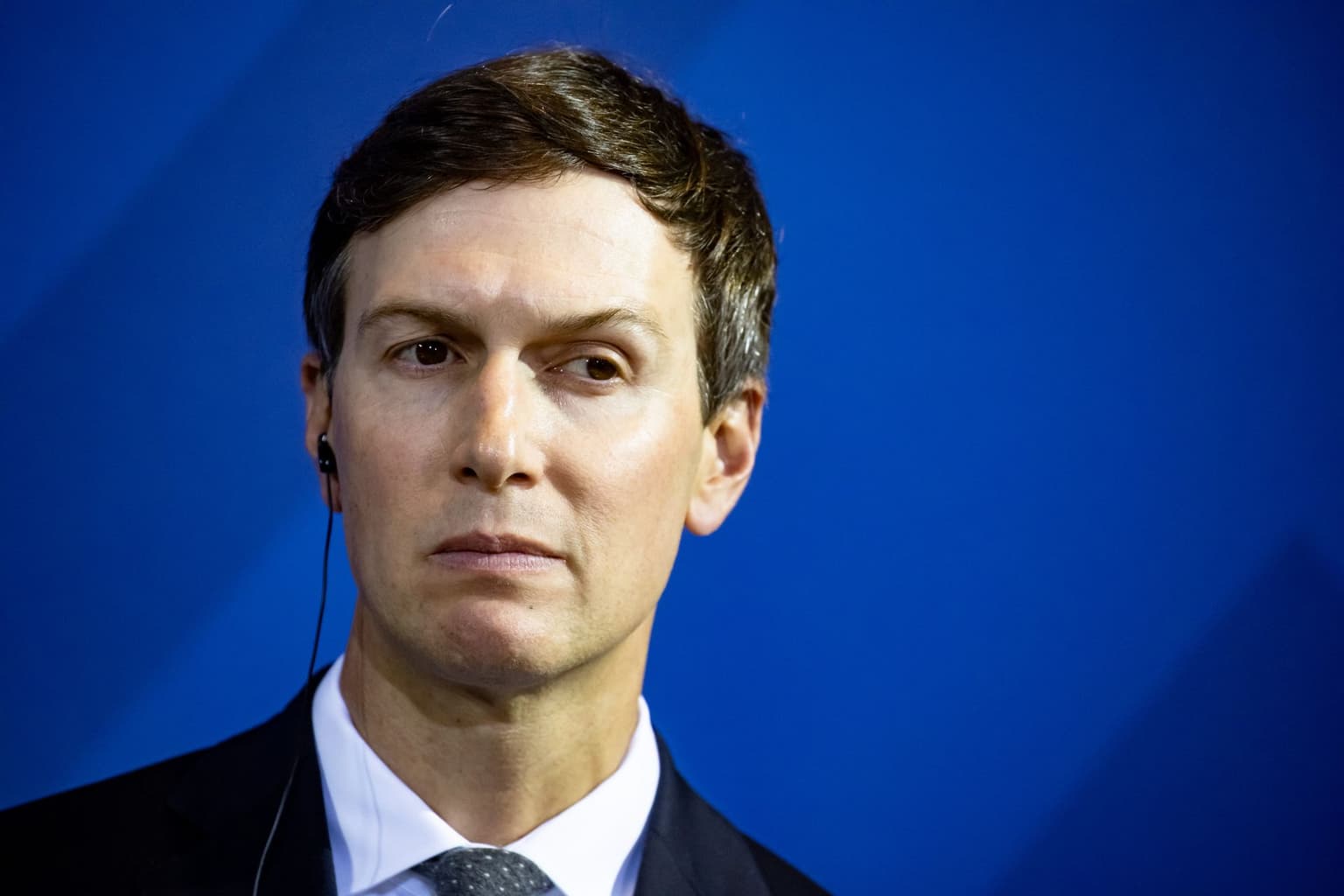
U.S. President Donald Trump's envoy and son-in-law, Jared Kushner, praised Russian President Vladimir Putin and repeated disputed Kremlin claims about Russia's war against Ukraine in a Nov. 25 interview with Politico, offering a glimpse into how one of Washington's key negotiators views Moscow and its leader.
Kushner, who has met Putin at least three times and spent hours talking with him, rarely gives interviews. Ukrainian officials privately describe him to the Kyiv Independent as a useful asset in peace talks, saying he regularly brings new ideas to the process and is "heavily invested" in reaching a deal — in contrast to fellow U.S. envoy Steve Witkoff.
"Jared is always on his MacBook, writing something down and coming up with new ideas," one senior Ukrainian official familiar with the peace talks told the Kyiv Independent.
But Kushner's comments in the interview suggest that his views on the war and its instigator — Vladimir Putin — are closely aligned with those of Russia.
Throughout the interview, Kushner repeatedly praised Putin's leadership and appeared to accept several Kremlin narratives about the war, some of which even Trump himself has subsequently questioned.
'A grandmaster of politics'
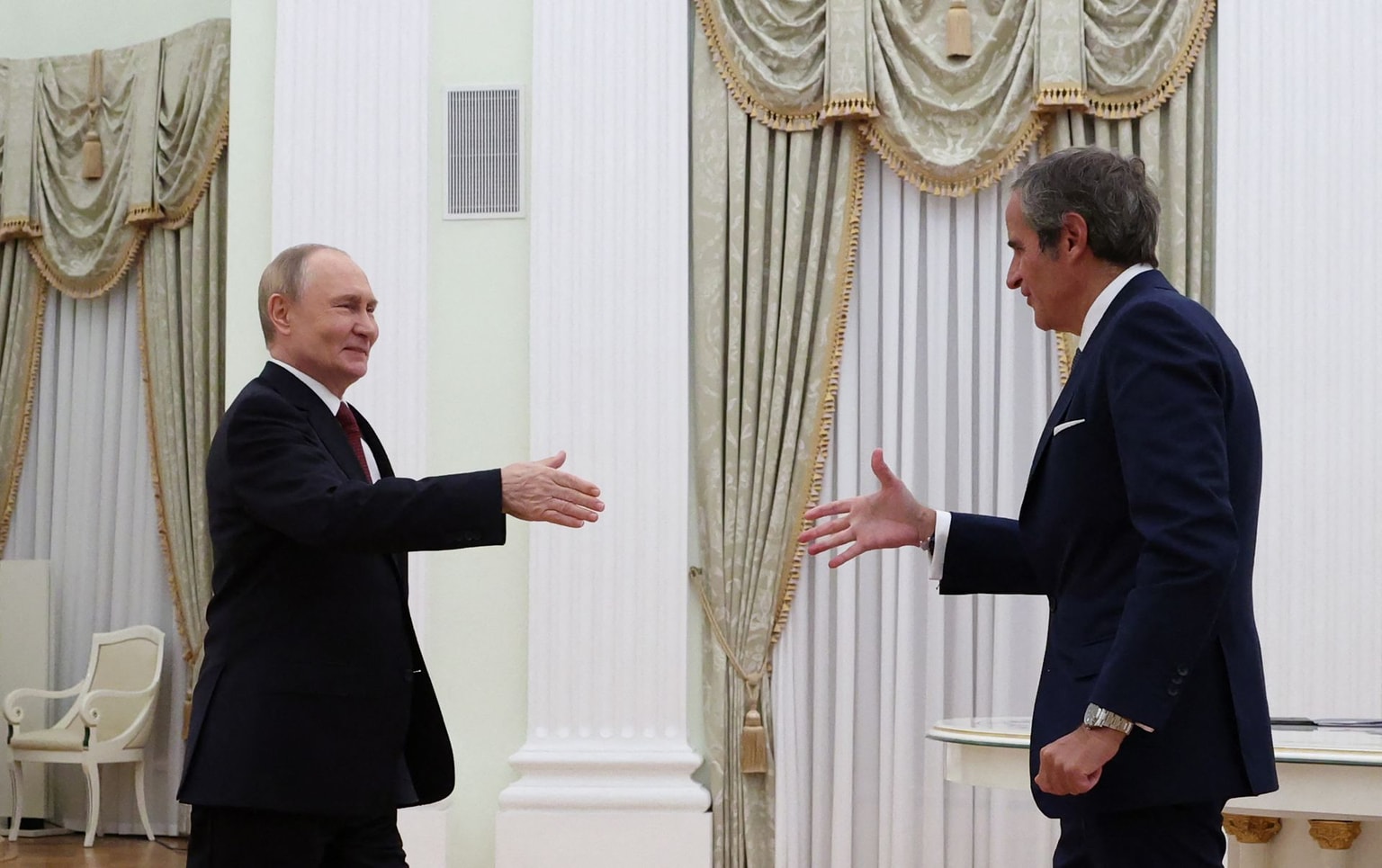
Throughout the interview, Kushner described Putin as a "grandmaster of politics" and "a historic figure" who "wants peace."
"People can not like what he's done, but he's definitely a grandmaster of politics," the envoy said. "My assessment is that he does not only wants peace, he wants to try and change the relationship with America."
That praise comes despite Putin's record of turning Russia into an increasingly authoritarian state, dismantling independent media, crushing political opposition, and imprisoning and killing critics, including prominent opposition figures.
On the international stage, the "grandmaster of politics" launched a full-scale invasion of Ukraine in 2022, apparently expecting a swift victory and the subjugation of Kyiv.
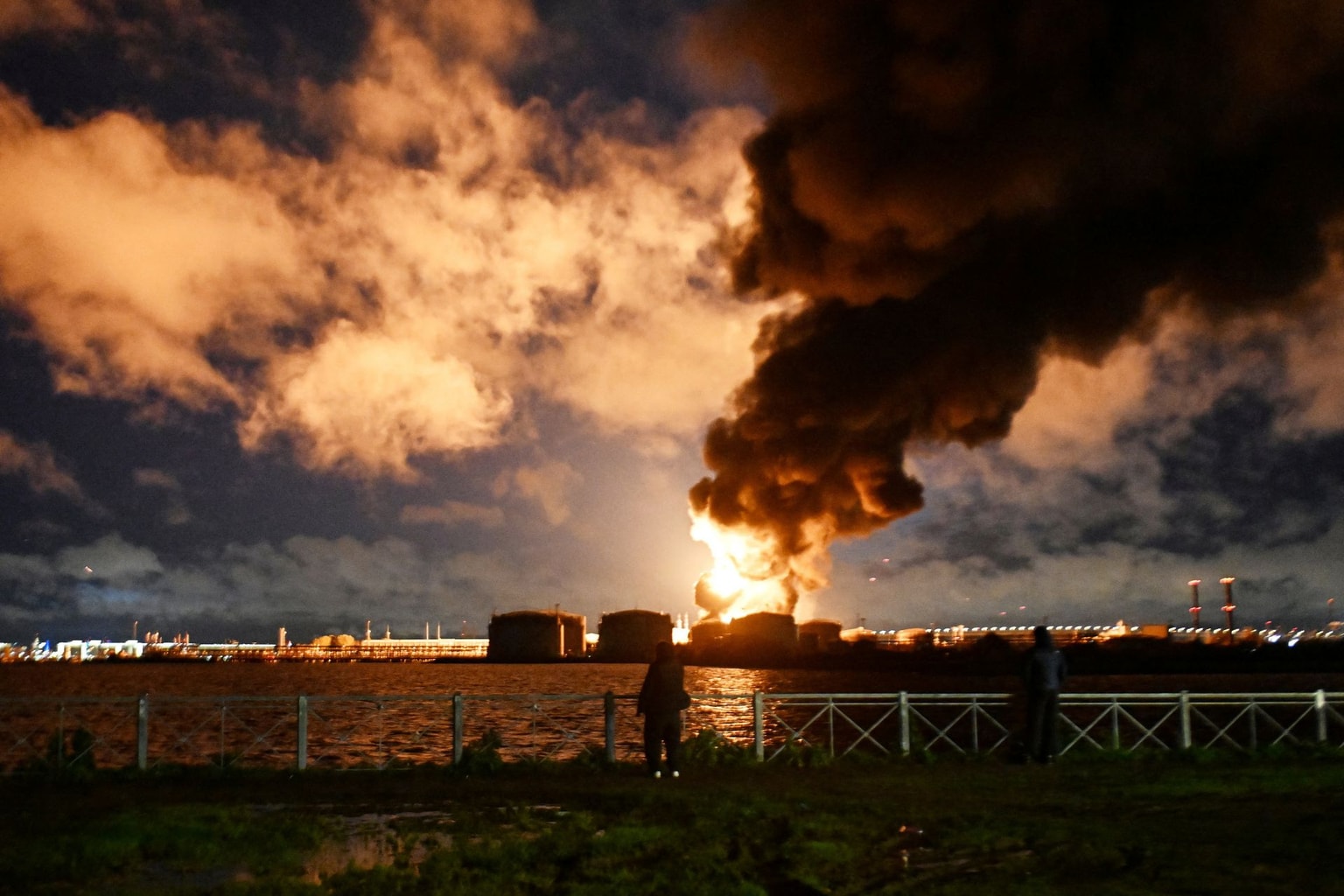
Instead, the war has turned into a grinding conflict that has claimed an enormous number of lives and drained Russia's resources, while Ukrainian strikes have knocked out roughly half of the country's oil refining capacity.
Kushner's claim that Putin wants to improve relations with Washington also overlooks Moscow's support for countries hostile to the U.S.

In April, U.S. General Dan Caine, chairman of the Joint Chiefs of Staff, confirmed that Russia was supporting Iran in its war with the United States.
Moscow has provided Tehran with intelligence and weapons since the conflict began and has also helped Iran target U.S. military assets in the Middle East to help kill U.S. soldiers, although the White House has downplayed the significance of that support.
Putin has also repeatedly rebuffed Trump's efforts to negotiate an end to Russia's war against Ukraine, rejecting or failing to accept multiple proposals from Washington.
Kyiv, by contrast, agreed to an unconditional ceasefire in March 2025 — the very step Trump had sought to secure from both sides.
Moscow's continued refusal to accept the same terms has prevented Trump's push for a ceasefire from producing the breakthrough Washington hoped for.
Kushner went further, claiming that the Russian president had "shown restraint" by not using nuclear weapons against Ukraine. While Russia has not launched a nuclear strike, its conventional attacks continue to kill Ukrainian civilians on a daily basis.
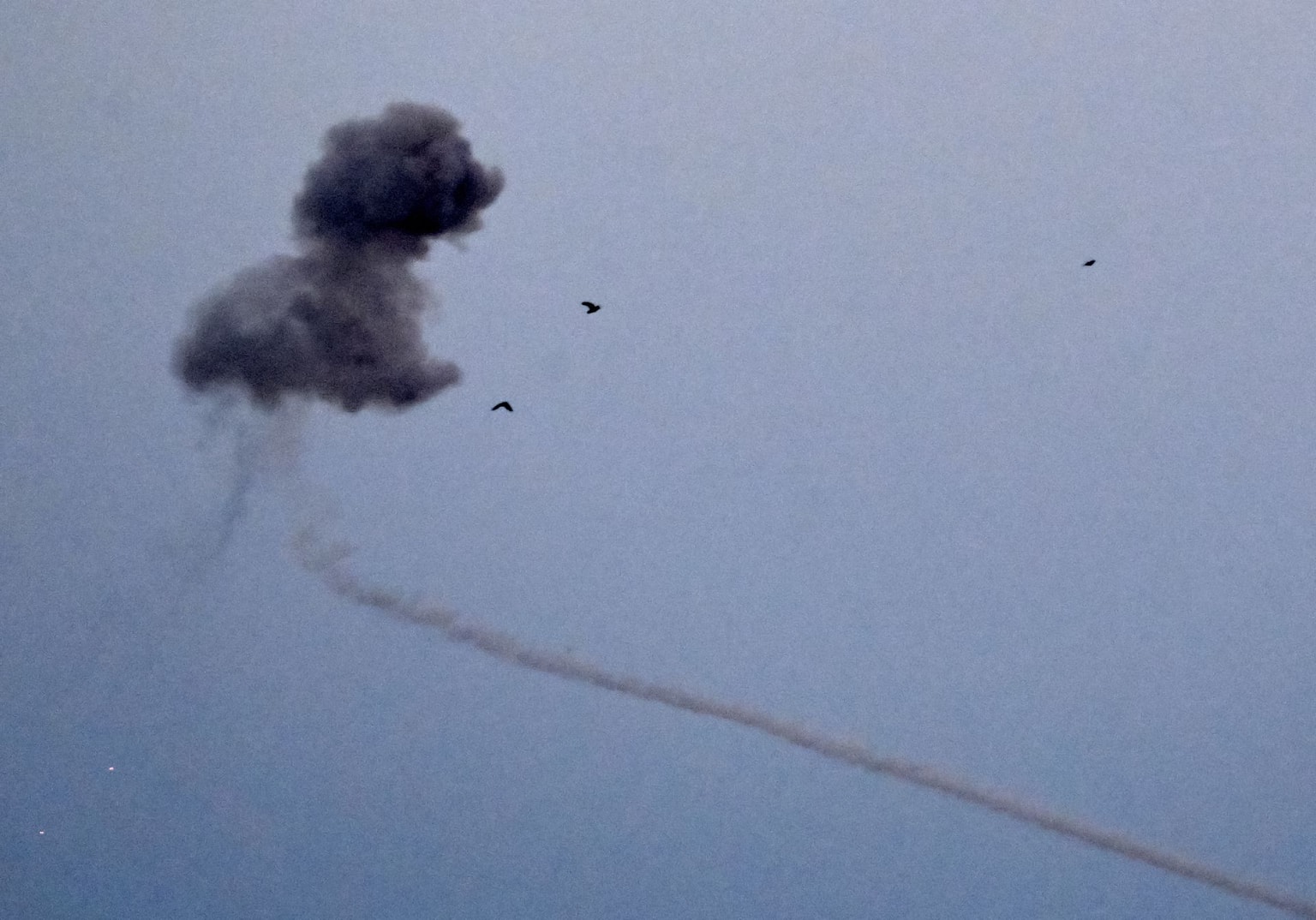
Russian attacks across Ukraine on Nov. 25 killed at least 10 people. The Kremlin's professed interest in peace was also on display in Kyiv just hours after Kushner's interview. Late on Nov. 25, Russian forces launched a massive ballistic missile attack, striking a shopping center in the capital and injuring seven residents.
Kushner characterized European military assistance to Ukraine as a "proxy war" against Russia. The claim went unchallenged in the interview, despite overlooking a basic distinction: Ukraine is defending itself against a full-scale Russian invasion, while European countries are helping a sovereign state resist that aggression.
Their support did not start the war; Russia's decision to invade did.
Throughout the interview, Kushner repeatedly praised Putin and described Russian envoy Kirill Dmitriev as an "incredible friend." He was less complimentary when discussing President Volodymyr Zelensky, accusing the Ukrainian leader of attacking Trump and suggesting he should show the U.S. president more respect.
Repeating disputed Russian claims
Kushner's praise for Putin was accompanied by comments that echoed a Russian claim about an alleged Ukrainian attack on the Russian president's residence — an accusation Trump himself later questioned.
According to Kushner, peace talks between Ukraine and Russia stalled in early 2026 after Kyiv allegedly attacked Putin's residence in Valdai.
Kushner said he was asked to join the peace negotiations in November 2025, when Washington was "making some progress."
"Then there was the attack that the Ukrainians did on Putin's house at the end of December, which I think pushed him back," Kushner said.
The incident he referred to took place on Dec. 29, when Russia accused Ukraine of launching 91 drones at a residence used by Putin. The allegation emerged as peace negotiations between Ukraine and Russia were ongoing.
Putin personally raised the accusation with Trump during a phone call. Trump initially said he was "very angry" about the alleged attack, but later expressed skepticism after reviewing additional information.

"We don't believe that happened now that we've been able to check," Trump told reporters aboard Air Force One on Jan. 4.
Zelensky dismissed the Russian allegation on Dec. 29 as "another lie," saying Moscow was using it to justify further attacks on Kyiv.
The U.S. Central Intelligence Agency (CIA) also assessed that Ukraine had not targeted a residence used by Putin, confirming Kyiv's immediate denial.
Kushner's remarks raise questions about how he interprets Russia's claims at a time when he is helping lead U.S. efforts to negotiate an end to the war.
While Ukrainian officials see him as an engaged negotiator who brings new ideas, his interview suggests that he may still be taking Moscow's narrative at face value — even when it has been challenged by his own president and U.S. intelligence assessments.