Ukraine war latest: Ukraine proposes long-term ceasefire after Putin floats 'Victory Day' truce with Trump
 on Google
Key developments on April 30:
- Ukraine proposes long-term ceasefire after Putin floats 'Victory Day' truce with Trump
- Defense Ministry watchdog calls for suspending top security official, nationalizing drone maker over graft scandal
- Syrskyi orders new rotation rules for front-line troops as Ukrainian infantry conditions face scrutiny
- Pentagon releases $400 million military aid package for Ukraine
- Russia's Perm oil station struck for second straight day by Ukrainian drones, SBU confirms
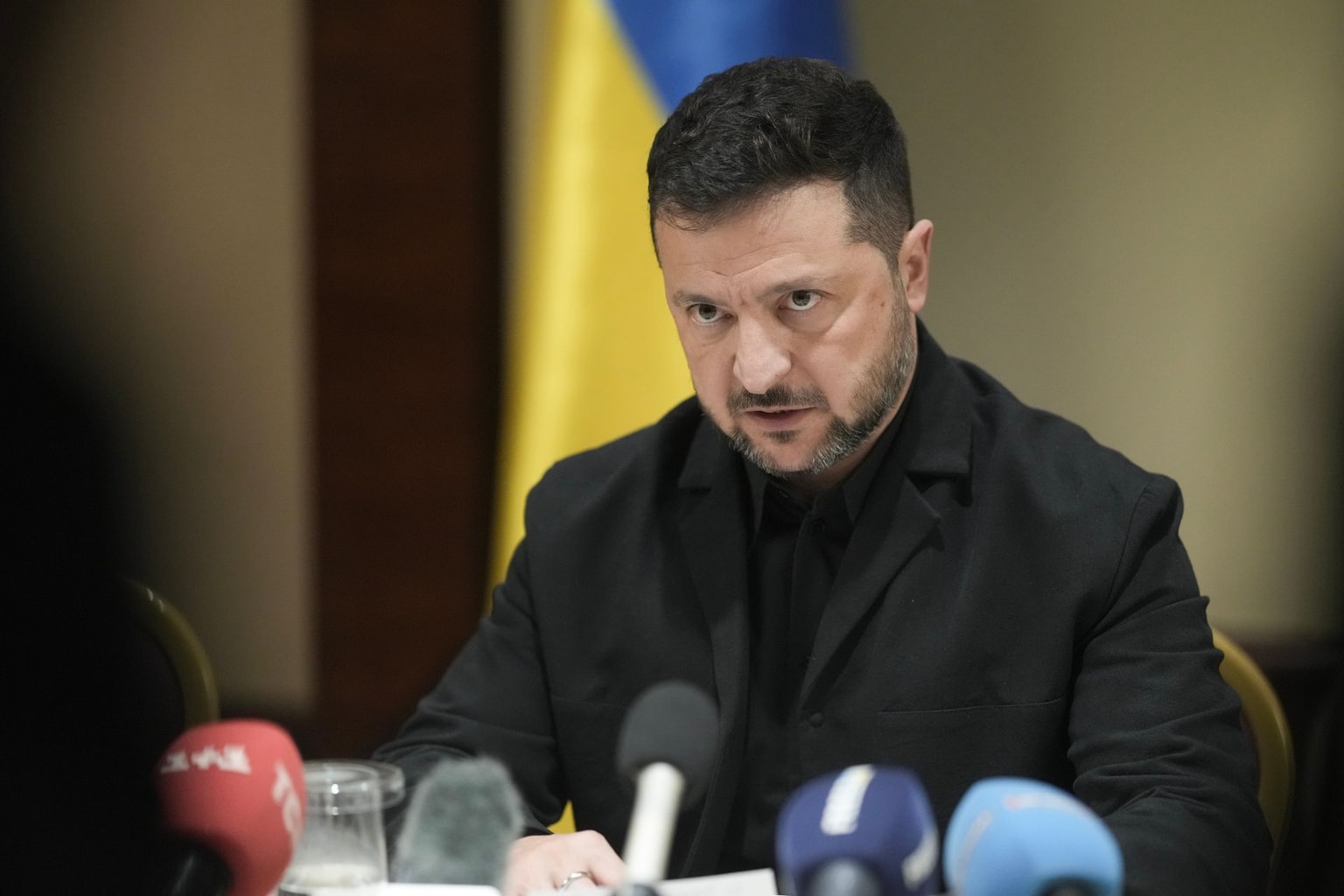
Ukraine is proposing a long-term ceasefire to Russia after Russian President Vladimir Putin suggested a temporary truce for Victory Day celebrations, President Volodymyr Zelensky said on April 30.
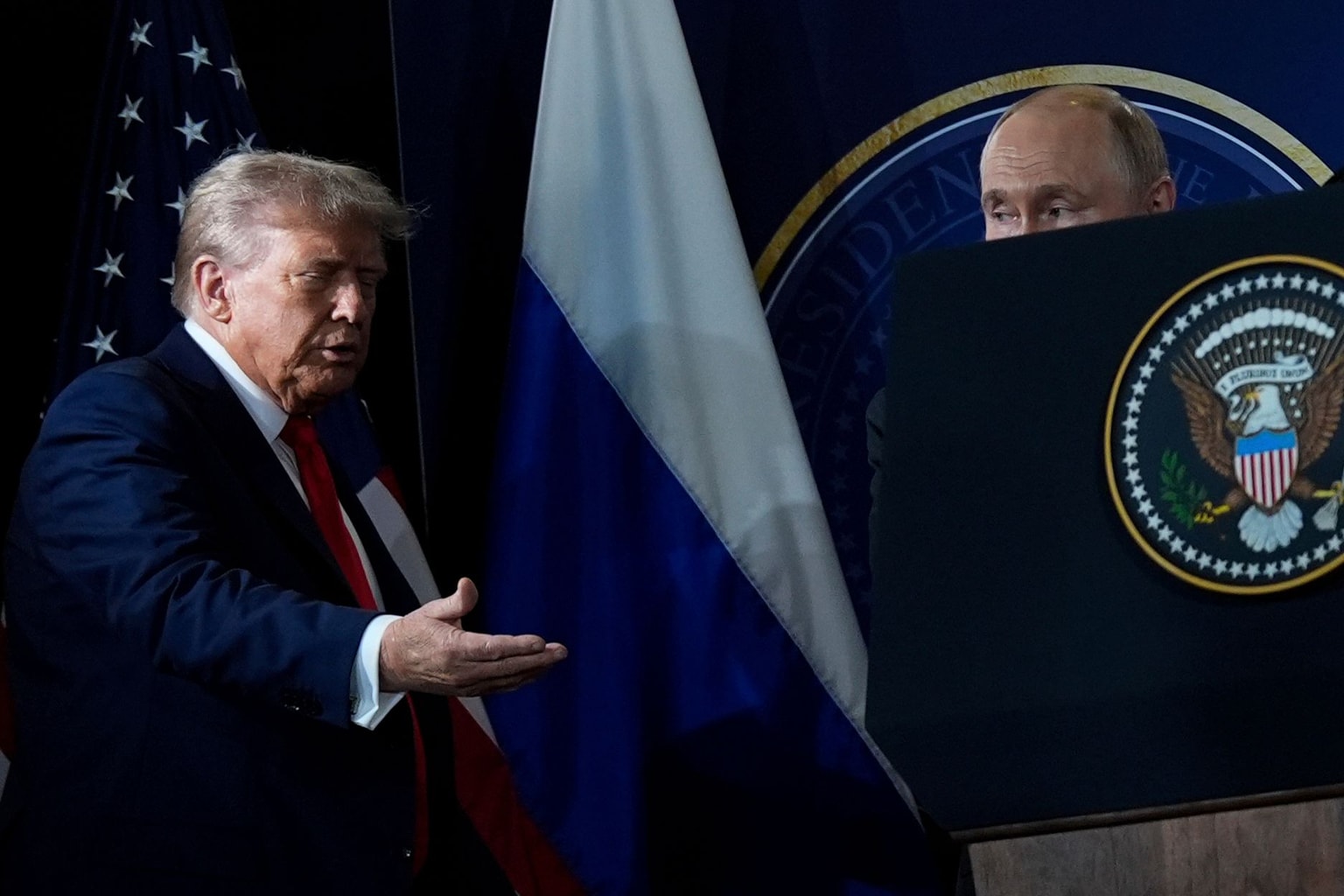
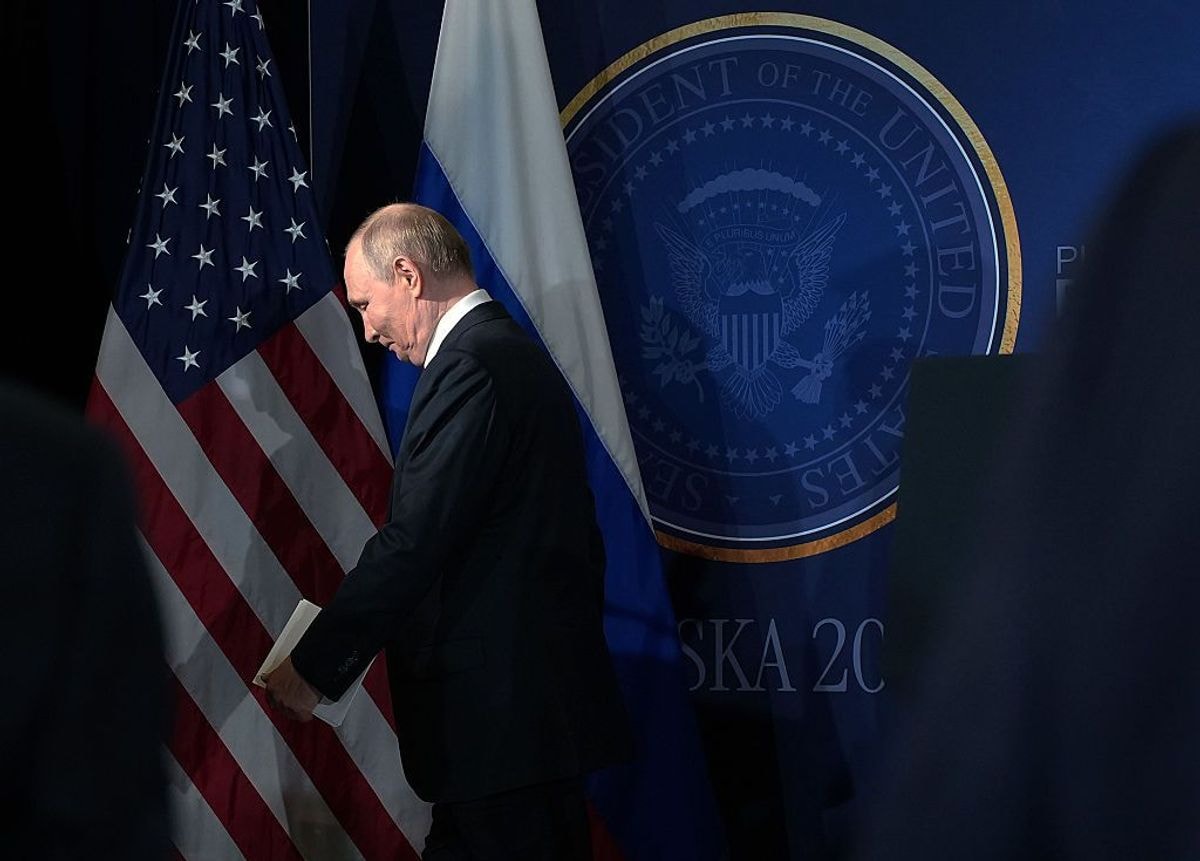
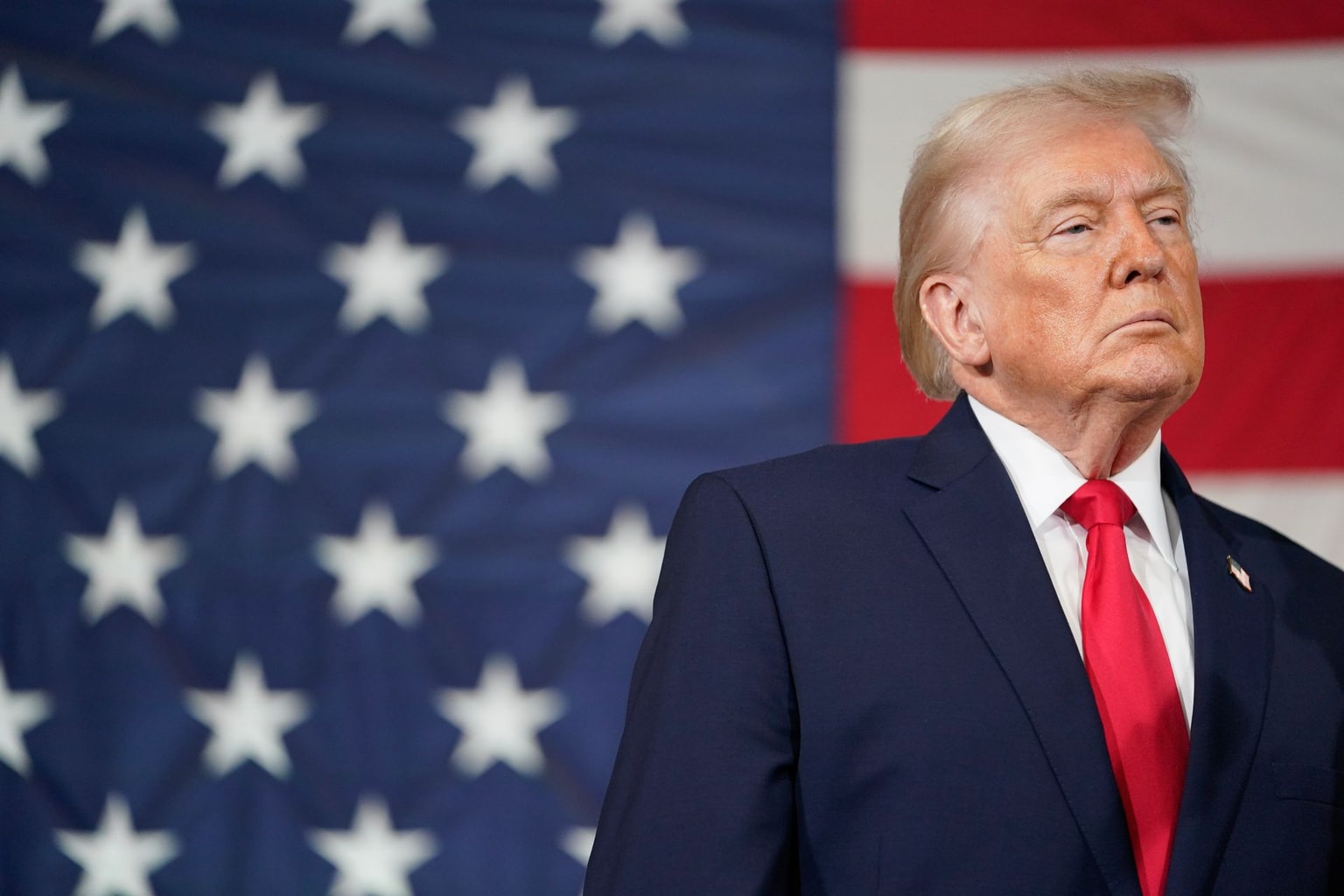
The proposal came after Putin held a phone call with U.S. President Donald Trump on April 29, during which the Russian leader expressed readiness to declare a temporary pause in fighting around Russia's May 9 Victory Day commemorations.
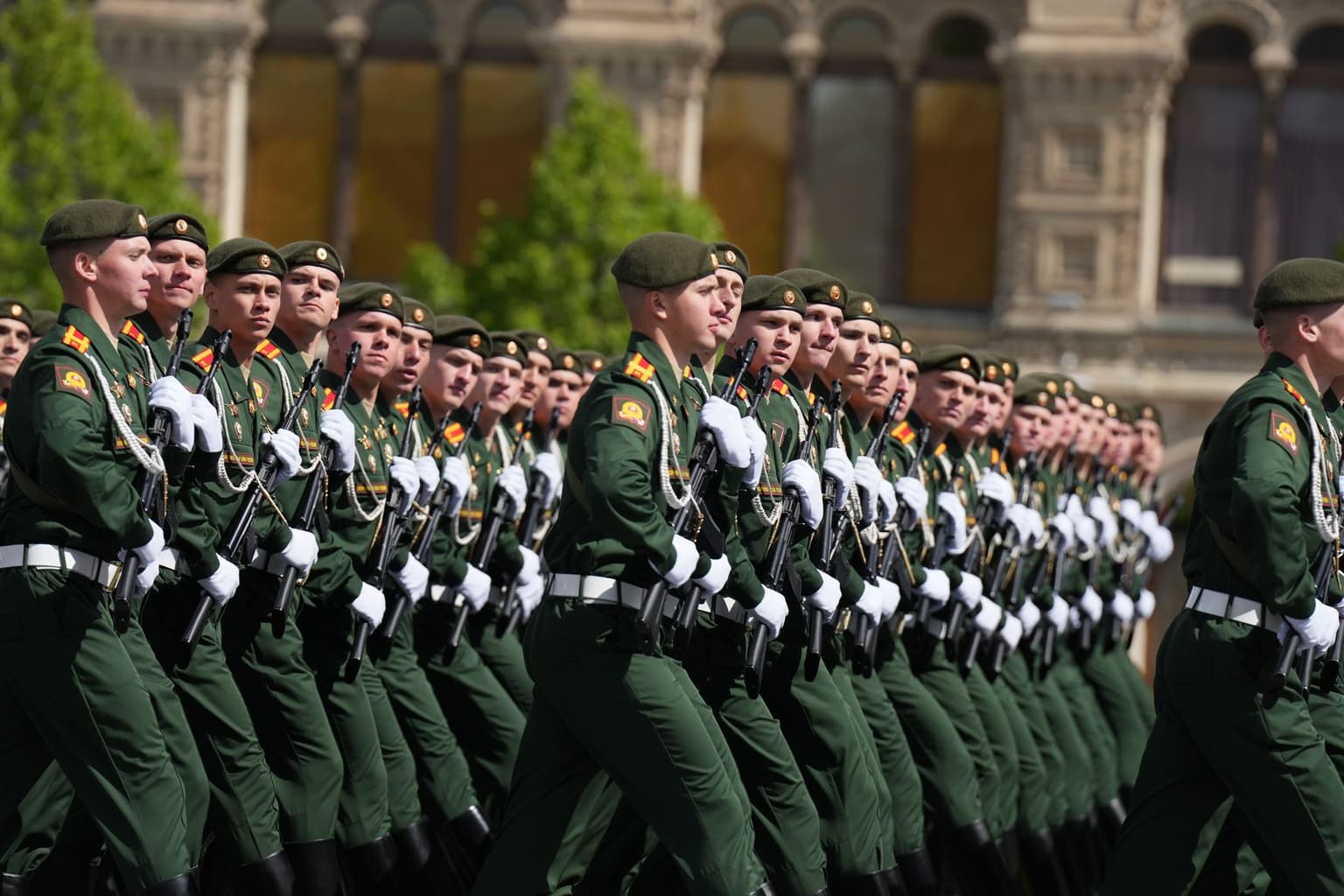
Moscow earlier scaled back its planned Victory Day parade — an annual showcase of its projected military strength — amid fears of potential Ukrainian attacks.
"We will clarify what exactly this is about — a few hours of security for a parade in Moscow, or something more," Zelensky said. "Our proposal is a long-term ceasefire, reliable and guaranteed security for people, and a lasting peace."
The remarks reinforced Kyiv's push continued push for a broader and more durable halt to hostilities, after Russia repeatedly rejected calls for a full, unconditional ceasefire while instead proposing short-term and limited truces.
Kremlin spokesperson Dmitry Peskov said that Putin would declare the truce unilaterally and that Moscow does not need a response from Kyiv.
The proposal would apply only to May 9, though Putin has yet to specify the exact timing of its effect and expiration, Peskov added.
Ukraine has accused Russia of repeatedly violating previous "ceasefires," including an alleged Easter truce during Orthodox Easter, when Kyiv said it recorded more than 400 violations.
The exchange comes as peace negotiations have remained stalled for over two months, with Washington's diplomatic focus shifting toward the conflict with Iran and related settlement efforts.
Defense Ministry watchdog calls for suspending top security official, nationalizing drone maker over graft scandal
The Ukrainian Defense Ministry's anti-corruption watchdog called for suspending top security official Rustem Umerov and nationalizing drone maker Fire Point late on April 29 amid corruption accusations.
The statement followed the publication of a transcript of alleged conversations between Umerov, secretary of the Security and Defense Council and former defense minister, and Timur Mindich, a close associate of President Volodymyr Zelensky, by media outlet Ukrainska Pravda on April 28. Mindich reportedly lobbied Umerov for Fire Point's interests.
Mindich was charged in 2025 in an investigation into corruption at state nuclear power monopoly Energoatom and in the defense industry — the biggest corruption case of Zelensky's tenure. Apart from Mindich, suspects in the case include ex-Deputy Prime Minister Oleksiy Chernyshov and former Energy and Justice Minister Herman Halushchenko.
Umerov and Zelensky's former Chief of Staff Andriy Yermak are under investigation in the case but have not been charged yet.
Umerov and Fire Point dismissed the accusations on April 30. The Defense Ministry declined to comment, and the President's Office did not respond to multiple requests for comment.
Syrskyi orders new rotation rules for front-line troops as Ukrainian infantry conditions face scrutiny
Ukraine's Commander-in-Chief Oleksandr Syrskyi has ordered mandatory rotation of soldiers on front-line positions, as manpower shortages and brutal battlefield conditions have left troops in place for more than 100 days at a time.
Commanders must ensure conditions for service members to remain in positions for up to two months, with a subsequent mandatory rotation to be carried out within the next month, Syrskyi wrote on April 30.
"The rotation of our warriors should be planned in a timely manner, taking into account the situation, the nature of the fight, and the available forces and resources," the general said.
The announcement comes amid increased scrutiny of conditions facing Ukrainian infantry, following reports from the 14th Mechanized Brigade, where soldiers were left emaciated without adequate food and other supplies.
Since early 2025, the increasing saturation of the skies above front-line positions with enemy drones has made movement in and out of the zero line area deadlier with each passing month and practically impossible by vehicle.
Across the front line, infantry are often walking more than 15 kilometers (9 miles) to and from front-line positions, a journey that carries the risk of drone strikes, artillery fire, or stepping on remotely deployed mines.
These conditions, combined with a chronic lack of infantry replacements for combat brigades, have led to increasing reports over the past year of infantry personnel spending the better part of a year in position, and in some extreme cases, more than a year.
These cases are often highlighted by Ukrainian brigades as a way to pay tribute to the endurance and heroism of their fighters, but in doing so, they have contributed to growing public concern in Ukrainian society about mobilization into the infantry.
In addition to the two-month cap, Syrskyi ordered that soldiers returning from long stints on the front line be given immediate medical examinations upon rotation, and that they are always supplied with essentials while in position.
The general did not specify any further measures to increase the replenishment of standard front-line brigades, an important prerequisite for addressing the problem of extended deployments without rotation.
read also
Pentagon releases $400 million military aid package for Ukraine
The Pentagon has released a $400 million military aid package for Ukraine after months of delays and mounting pressure from U.S. lawmakers, Defense Secretary Pete Hegseth said on April 29.
OilSpeaking during a hearing before the United States House Armed Services Committee, Hegseth confirmed that the funding had been unlocked after bureaucratic hurdles were resolved.
“The funds were released as of yesterday,” Hegseth told lawmakers, marking the first official confirmation that the aid package was moving forward.
The $400 million package had already been approved by Congress but remained stalled at the Pentagon for months, drawing criticism from both Republican and Democratic lawmakers who accused the Defense Department of delaying critical support for Kyiv.
The funding is expected to be distributed through the Ukraine Security Assistance Initiative (USAI), a Pentagon-run mechanism that procures weapons directly from U.S. defense contractors for delivery to Ukraine.
Congress reauthorized the USAI in December as part of a $900 billion defense spending bill, allocating $400 million annually for fiscal years 2026 and 2027 to sustain military support for Kyiv.
The broader legislation also reinforced congressional oversight of Ukraine policy, including new reporting requirements if the Pentagon seeks to limit intelligence sharing or alter troop deployments in Europe.
Russia's Perm oil station struck for 2nd straight day by Ukrainian drones, SBU confirms
At least two fuel storage tanks caught fire at an oil pumping station in Russia's Perm Krai following a drone attack on April 30, the Security Service of Ukraine (SBU) confirmed.
Independent Telegram news channel, Exilenova Plus, reported that there was fire damage to between two and three storage tanks at the facility, which is operated by Transneft.
Later in the day, the SBU confirmed that the Lukoilpermnaftoorgsintez refinery, located over 1,500 kilometers (930 miles) from Ukrainian-held territory, was struck for the second day in a row by the agency's Alpha special forces unit.
"According to preliminary information, the AVT-4 unit at the refinery, a key node for primary oil processing, was hit," the SBU report said.
"As a result of the impact, the vacuum and atmospheric rectification columns caught fire. Their damage effectively puts the unit out of operation."
The strike follows a separate Ukrainian drone attack on the same Perm facility on April 29, with long-range drones targeting the station in an operation carried out by the Alpha special forces unit.
Each tank at the station can hold up to 50,000 cubic meters of oil, or roughly 314,000 barrels, making the strike potentially significant for fuel storage and transport operations.
The Perm station is a major oil transit hub used for receiving, storing, and pumping crude through Russia’s main pipeline network.