Why Armenians stuck with Pashinyan

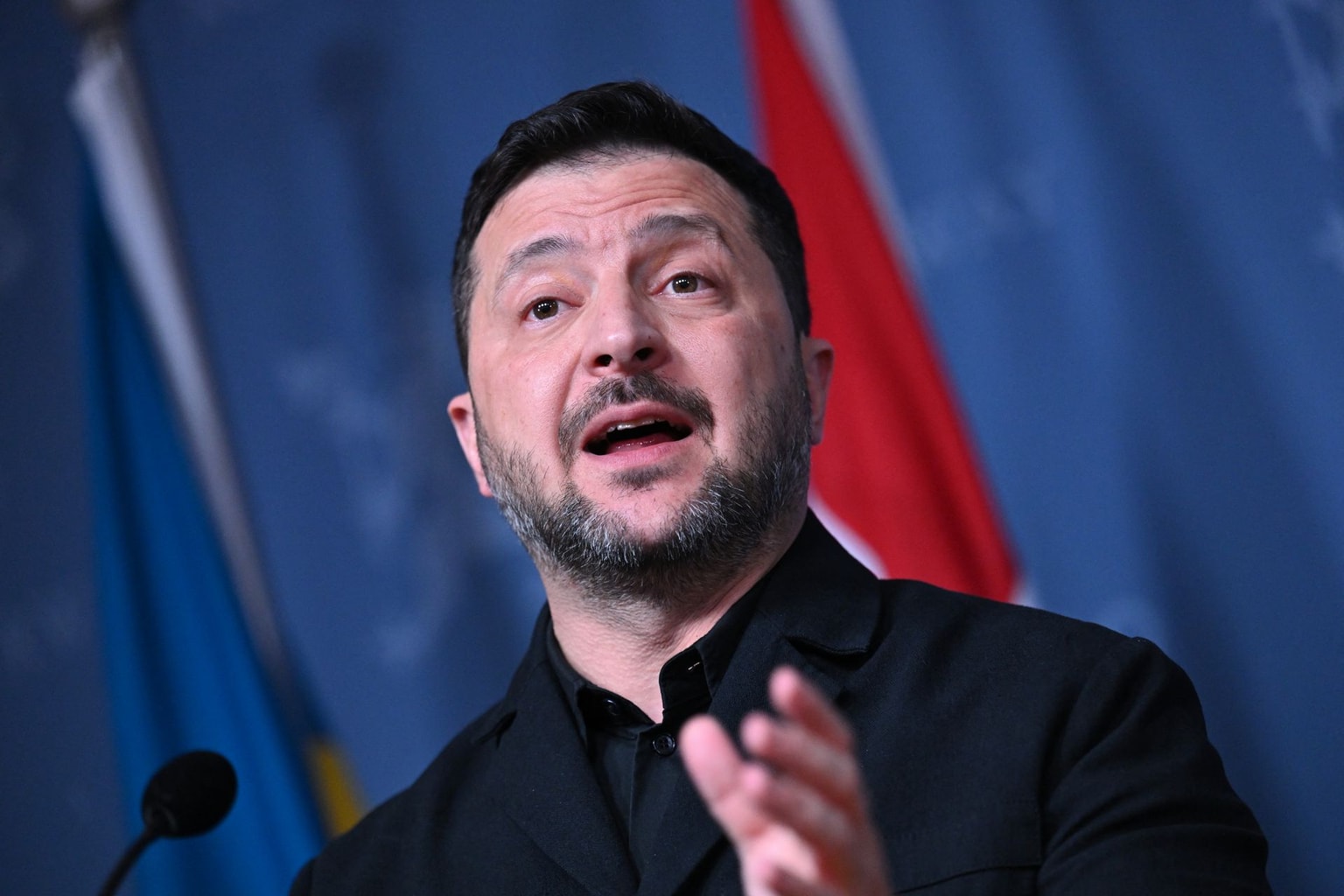
Armenian Prime Minister Nikol Pashinyan addresses supporters at Republic Square in Yerevan, Armenia, on June 5, 2026. (Ozge Elif Kizil / Anadolu / Getty Images)
 on Google
YEREVAN, Armenia — The best of a bad lot was how many Armenians described victorious Prime Minister Nikol Pashinyan ahead of Sunday's pivotal election — the first since the bitter defeat in the Nagorno-Karabakh conflict with neighboring Azerbaijan.
While the election has frequently been framed outside Armenia as a choice between pro-Russian or pro-Western forces, few locals on the streets of Yerevan saw it in such stark terms.
With a population of just over 3 million, Armenia is heavily economically dependent on Russia, and will likely remain so even as Pashinyan seeks to diversify relations.
"Society is split fifty-fifty between those who love and hate Pashinyan," university student Yelizaveta said after casting her vote at a polling station in the center of Yerevan.
Yelizaveta highlighted the divisiveness of the election and concerns about Pashinyan running for a third term as prime minister amid a crackdown on opposition forces.
"I have seen people who don't support Russia voting for Karapetyan," she said of Pashinyan's main rival, Samvel Karapetyan of the Strong Armenia party, which is widely regarded as pro-Russian.

Strong Armenia garnered 23.2% of the vote, while Pashinyan's Civil Contract party received 49.8% of the votes with all polling stations counted, securing a parliamentary majority, the Central Election Commission (CEC) said on June 8.
As such, Pashinyan retained control of parliament without the need to form a coalition, but fell short of the two-thirds majority required to amend the constitution, with possible repercussions for negotiating a peace deal with Azerbaijan.
Just under 10% of the vote was picked up by another pro-Russian opposition alliance, the Armenia Alliance, led by former President Robert Kocharyan.
Turnout was strong at almost 58.94%, the highest since 2017.
Some people are prioritizing kicking out Pashinyan but not thinking about our future, explained 23-year-old Yelizaveta, who is studying a master's degree in journalism.
Pashinyan is not without enthusiastic supporters, though. Armenians crowded into Republic Square for his final rally of the campaign on the evening of June 5.
"My whole family voted for Pashinyan," winemaker Ani Tigranyan said just after polling closed at the Yerevan Wine Days festival, the last day of which coincided with voting on June 7.
Pashinyan will be good for the wine industry, she explained as she poured glasses of her family's red, white, and amber wine for revelers — many of whom were Russian. Her family business, called Old Winery, is based on the outskirts of the capital.

Winemaking is having a renaissance, and Pashinyan supports agriculture, with subsidies, for instance, Tigranyan said.
While the economy has boomed under Pashinyan — due in part to thriving trade with Russia since the 2022 full-scale invasion of Ukraine — some critics see signs of authoritarianism akin to Russia.
Yelizaveta voted for human rights expert Arman Tatoyan's Wings of Unity party, which got 2.3% of the vote, well below the threshold.
"I know I can rely on him to be fair, to call out war crimes and other breaches of human rights as he has been doing for years. We need a candidate who can stand up for us in a very professional manner," she said.
The contest has been beset by claims of Russian meddling, including an intensive disinformation campaign. With Armenia dependent on Russia for cheap natural gas, it remains vulnerable to coercion. Moscow restricted imports of Armenian goods, including wine, flowers, and fruit and vegetables, ahead of the election.
A textile factory owner told the Kyiv Independent that he was worried about sending goods to Russia ahead of the election due to large queues for Armenian trucks at the Russian border with Georgia to the north.

Armenia is a full member of the Russian-led Eurasian Economic Union trade bloc, but is looking to move towards closer ties with the European Union under Pashinyan.
Meanwhile, society remains deeply polarised over peace negotiations with Azerbaijan over the mountainous region of Nagorno-Karabakh.
Many Armenian families have lost relatives in the intermittent conflict with Azerbaijan that has been flaring up since the late 1980s.
I voted "for peace" — for Pashinyan — said an elderly man who did not give his name outside a polling station in central Yerevan on Sunday afternoon.
Many Armenians do not believe the country can afford another war and argue that despite the loss of Nagorno-Karabakh, Pashinyan offered the best chance of reaching a lasting settlement with Azerbaijan.
Now, the result gives him a clear parliamentary majority and avoids the need for coalition negotiations, but it does not erase the profound divisions exposed during the campaign. The prime minister is likely to face continued pressure from the opposition, Russian-linked groups, and sections of the public that remain fiercely critical of his leadership.
With peace talks with Azerbaijan ongoing and relations with Russia under strain, the vote is unlikely to mark the end of Armenia's political turbulence.