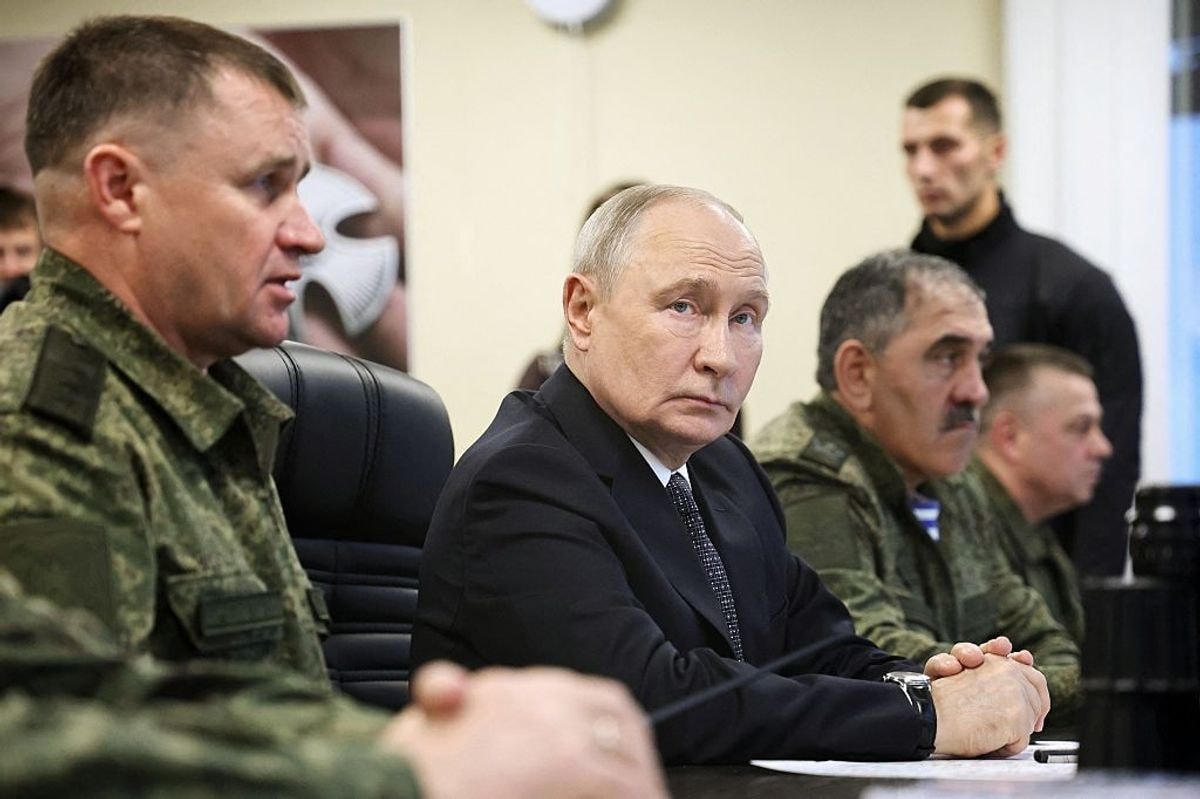
Russia rejects Ukrainian, European peace initiatives, says battlefield will decide war
 on Google
Senior Russian officials on June 8 effectively rejected recent Ukrainian and European proposals aimed at restarting negotiations to end Russia's full-scale war, signaling that Moscow remains focused on battlefield gains rather than diplomacy.
The remarks came after President Volodymyr Zelensky called for renewed talks with Russia and European leaders outlined a framework for a future settlement.
In an open letter, Zelensky urged Russian President Vladimir Putin to continue bilateral negotiations and proposed a meeting between the two leaders.
The initiative was later echoed by the leaders of France, Germany, the United Kingdom, and Ukraine, who issued a joint statement on June 7 outlining five conditions they said were necessary for a "just and lasting peace."
Among them were an immediate and comprehensive ceasefire and negotiations based on the current line of contact.
The proposals received a cold response from Moscow.
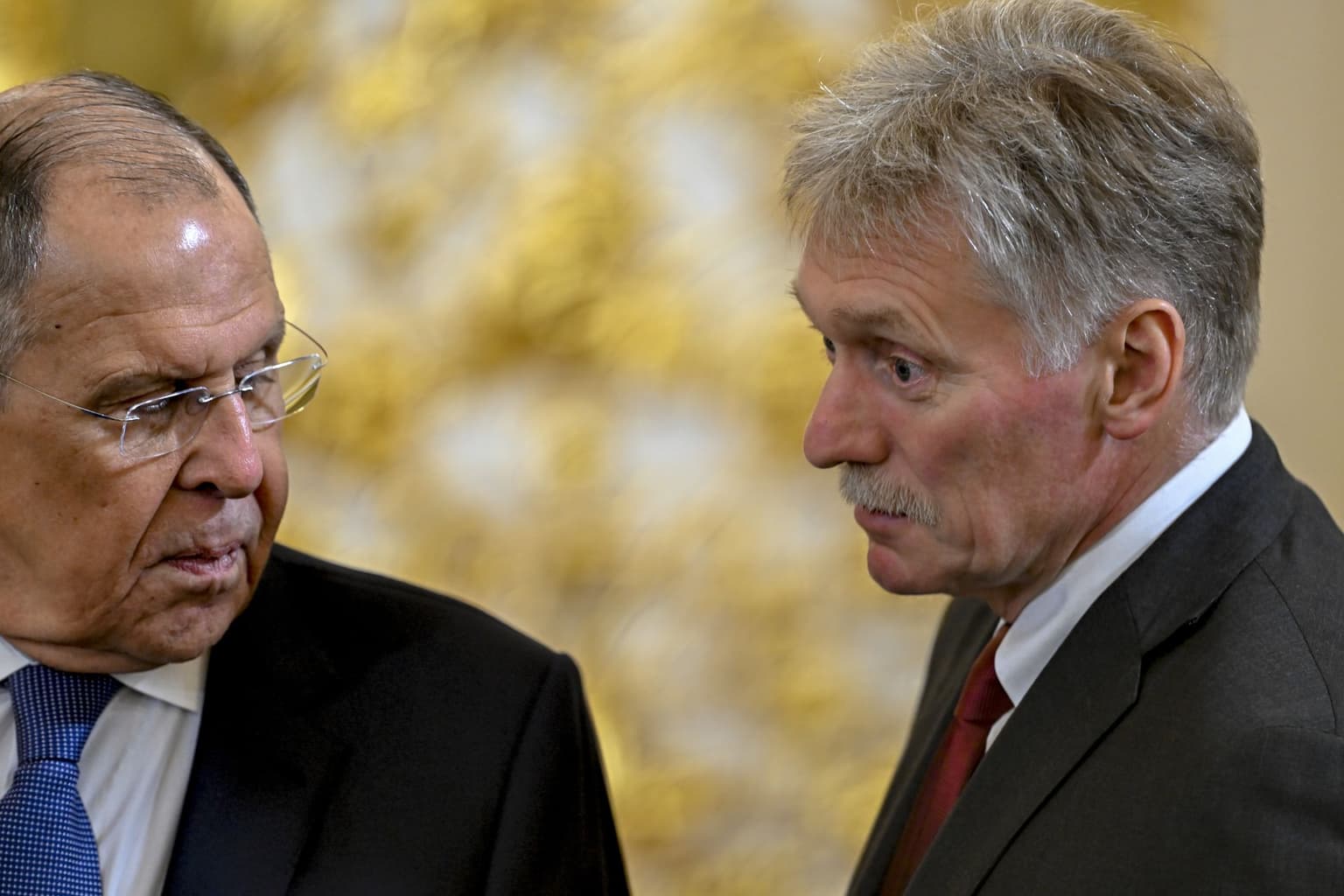
Russian Foreign Minister Sergey Lavrov suggested that developments on the battlefield, rather than diplomacy, would determine the course of the war.
"I don't know how we can even talk about negotiations against this backdrop," Lavrov said during a press conference on June 8. "Right now, everything depends not on negotiations, but on the actions of our heroes on the front lines."
His comments reinforced a position he has repeatedly articulated: that Moscow sees military pressure as its primary tool for achieving its objectives in Ukraine.
Kyiv maintains that freezing the current front line represents the most realistic basis for a ceasefire, while Russia demands that Ukrainian forces withdraw from parts of Donbas as a precondition for any agreement — a proposal Ukraine has rejected.
Kremlin spokesperson Dmitry Peskov also dismissed the European initiative during his briefing on June 8, arguing that European leaders were undermining their own calls for peace by continuing military support for Ukraine.
"I would like to point out that Macron, Starmer, and Merz are all trying to talk about peace. At the same time, they are emphasizing their intention to assist (Ukraine) in producing new types of weapons," he said. "Is this not a contradiction in their rhetoric?"
The remarks come as U.S.-mediated peace efforts have effectively remained frozen since February, with Washington's attention consumed by the war with Iran.
Against that backdrop, Kyiv has intensified calls for a larger European role in diplomacy. Zelensky has repeatedly argued that Europe must be directly involved in any negotiations concerning Ukraine's future.
Moscow has signaled openness to some form of European participation but proposed former German Chancellor Gerhard Schroder as a potential mediator. Kyiv and European governments rejected the suggestion in May, citing Schroder's ties to Putin.
Putin himself dismissed Zelensky's latest outreach during the St. Petersburg International Economic Forum on June 5, saying he "sees no point in meeting Zelensky."
Responding later that day, Zelensky accused the Russian leader of demonstrating once again that he has no genuine interest in ending the war.
"Unfortunately, the Russian side once again chooses war — everyone heard the response today," Zelensky said in his evening address.