'Time to sit at the negotiating table' — Bulgaria to stop sending arms to Ukraine
 on Google
Editor's note: The story has been updated with additional details.
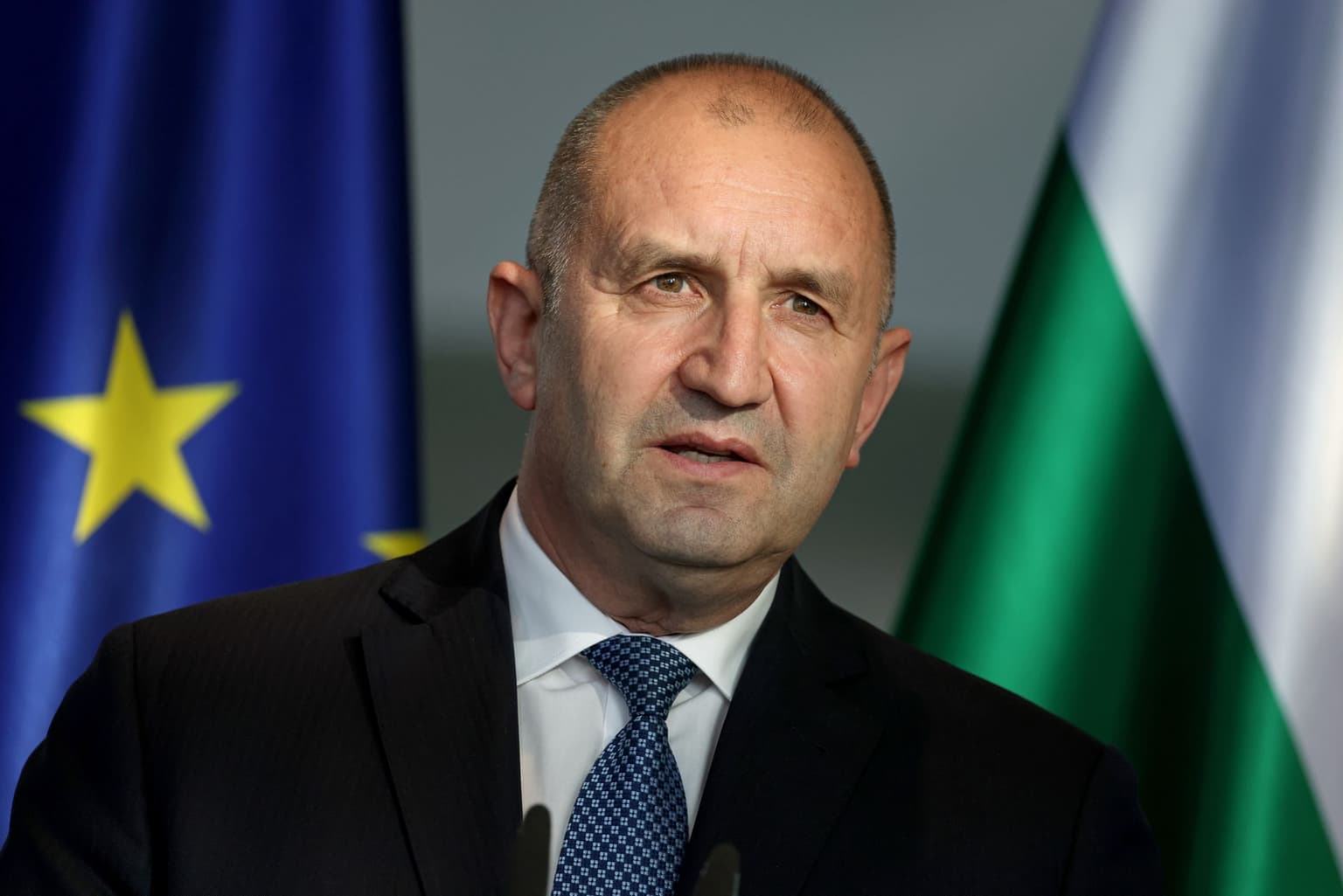
The new Bulgarian government, led by Russian-friendly Prime Minister Rumen Radev, does not plan to continue sending arms to Ukraine, a Bulgarian minister announced on June 9.
"It is time to sit at the negotiating table, it is time to seek a just peace, which will be determined by both sides," Bulgarian Defense Minister Dimitar Stoyanov said at a press conference, Bulgarian National Radio (BNR) reported.
The shift comes after Radev — a former president and a long-time critic of military aid to Kyiv — won the parliamentary elections on April 19.
According to Stoyanov, the Russia-Ukraine war has turned into a positional war, and providing additional arms will only lead to additional loss of life without changing the battlefield situation.
Bulgaria, a Balkan member of NATO and the EU, has provided 13 military aid packages to Ukraine since the outbreak of the full-scale invasion in 2022.
Boasting large-scale stocks of Soviet-era weaponry, Sofia played a key — albeit initially secret — role in supporting Ukraine's military in the early stages of the war.
Ukraine's Foreign Ministry noted that Kyiv is currently not receiving any free assistance from Bulgaria, but cooperates with Sofia on a commercial basis.
"Ukrainian-Bulgarian defense cooperation on a commercial basis continues, and it is mutually beneficial for both Ukraine and Bulgaria," said Heorhii Tykhyi, the ministry's spokesperson.
Ukraine signed a 10-year security agreement with Bulgaria's former government in March, agreeing to jointly produce drones and other arms.
The news comes as Ukraine and its European partners outline new initiatives for a peaceful resolution of the war — an effort that has met a cold reception in Moscow.