EU proposes package of Russian sports sanctions, visa bans, and a Krygyzstan crypto blockade
 on Google

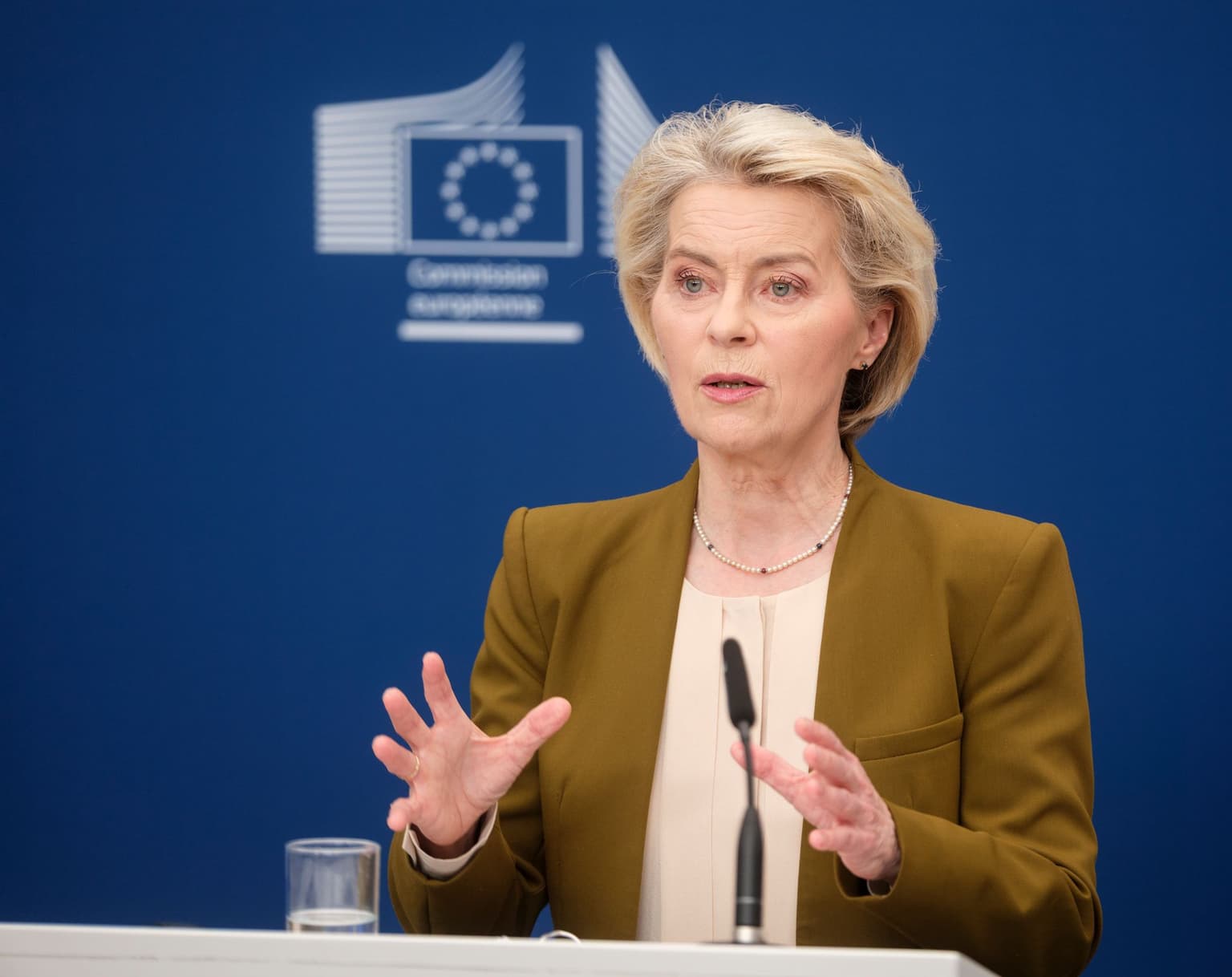
BRUSSELS, Belgium — Russian sports, soldiers, and crypto are all prime targets of a new EU sanctions package proposed by European Commission President Ursula von der Leyen on Nov. 23.
The 22nd package is being proposed both to follow up on open questions and decisions made around the bloc's 21st sanctions package, adopted in July, and to counter the re-emergence of Russia in world sporting events, which has gathered pace in recent months.
The EU will "continue to propose new sanctions until Russia shows genuine intent for lasting peace in Ukraine," von der Leyen said on unveiling the 22nd package.
We are "giving Ukraine strength to secure peace, and Russia every reason to choose it," she said.
Measures to stop Russia whitewashing its public image via sports loom large in the package, ranging from a ban on the display of Russian symbols; Russian nationals being banned from serving on European sporting bodies, and a ban on financing for sports and culture organizations.
The latter follows a Commission announcement the week before that its flagship funding program for education, training, youth, and sports — Erasmus+ — will be closed to organizations that facilitate Russian propaganda.
But the most anticipated aspect is a proposal to ban Russian athletes from entering the EU, which has become more pressing since the International Olympic Committee reversed its block on Russian participation in July.
Lithuania enforced a ban on Russian and Belarusian athletes entering the country, leading to it being stripped of the right to host a pentathlon tournament, and Vilnius being left diplomatically isolated.
But after a court ruling allowed Russia to return to ice hockey tournaments, several countries, beginning with Finland, passed their own bans — with more success.
Now the Commission hopes to ban Russian nationals from competing on behalf of their country at sporting events in the EU, with countries able to refuse visas to athletes and teams competing for Russia, or under any Russian national symbol.
Also covered in those proposed amendments are ideas on how to bring about a ban on ex-combatants, which EU countries asked the Commission to work on after passing the previous sanctions package, as well as plans to reduce the number of Russian tourists entering the EU, with only substantiated individual cases to be allowed.
"Anyone fighting on Russia’s side against Ukraine is not welcome in Europe. That is why we are providing Member States with the means to identify these fighters and consistently refuse them entry," said the EU's Migration Commissioner Magnus Brunner.
The ban on former Russian soldiers, seen as important because of the security threat they pose, was given a fresh wind of support after Germany identified Russia as being responsible for drone attacks on Leipzig Airport, after which it promised a response.
The conclusions of an EU leaders' summit a few weeks later brought back the issue, with "calls for the swift and effective implementation of the measures concerning Russian ex-combatants, and for further (sanctions) measures."
And what's special about Kyrgyzstan?
Along with sports, cryptocurrency is another "major focus" for von der Leyen in the new package.
Russia has been using cryptocurrency extensively to evade sanctions, and the EU is working to catch up on enforcement.
After launching a new cryptocurrency task force earlier in November, the Commission now plans to take special action against Kyrgyzstan, a serial offender in helping Russia circumvent restrictive measures.
In the 21st package of sanctions, EU countries agreed a new mechanism to impose wholesale bans against countries where several crypto platforms are found to be undermining the EU's sanctions efforts.
The previous week, an EU official told journalists on condition of anonymity that Kyrgyzstan was not only a country undermining those efforts, but was broadly dismissive of the bloc's private overtures to change its approach, leading them to have no choice but to propose activation of the new tool.
That contrasts with Georgia, where the country's Kulevi refinery has responded to the threat of EU sanction to diversify its oil supply away from Russia.
It now sources its oil from Libya, rather than Russia, which has led the Commission to propose that countries remove it from their list of sanctioned entities.
More broadly on energy, the Commission is proposing an energy services ban, which would mean European companies are barred from helping Russia repair its infrastructure, "notably refineries," von der Leyen said.
Ukraine has very successfully targeted Russia's energy export capacity, with multiple strikes against refineries in recent weeks.
Europeans will also be barred from serving in governing bodies in Russia, if the Commission's proposal is to be accepted.
"There cannot be business as usual in our economic relations with Russia," von der Leyen said.
One high-profile European set to be affected by that plan: the pro-Russian ex-German Chancellor Gerhard Schroeder who in October joined the board of Hyperglobus, the Russian army of German retail chain Globus.
And expected not to feature at all, Ireland's Aughinish Alumina facility, which investigative reporting earlier in the year found to be helping Russia's war efforts.
The Irish government published a short report claiming that it could not conclusively prove those findings, and has since sought to dodge questions about it.
But as Dublin is chairing the Presidency of the Council of the EU until the end of 2026, public scrutiny is expected to remain high.
The next step will be for EU countries to assess all the Commission's proposals and reach agreement on which to adopt. To pass, every EU sanctions decision requires unanimity.