Draft EU summit conclusions reveal what leaders will and will not say on Ukraine
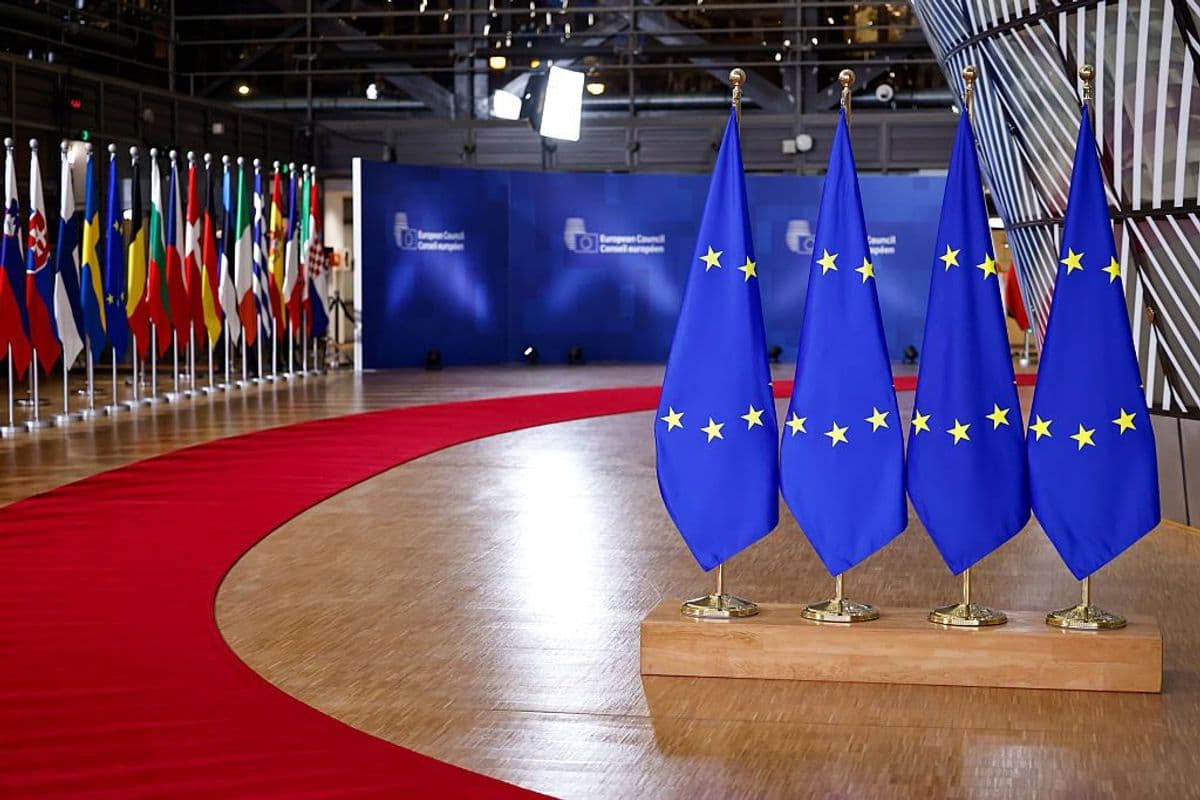
A red carpet and European Union (EU) flags in the Europa building ahead of a European Council meeting in Brussels, Belgium, on Thursday, Oct. 23, 2025. (Simon Wohlfahrt/Bloomberg via Getty Images)
 on Google
BRUSSELS, Belgium — Leaders of the EU's 27 member states have a Ukraine-packed agenda when they meet in Brussels Oct. 15-16, according to the latest draft conclusions of the upcoming meeting seen by the Kyiv Independent.
The 25-page document contains six-and-a-half pages of comments specifically on Ukraine, three-and-a-half pages on defense and security, where Ukraine features prominently, and a page on the future of enlargement.
Those hoping for a long list of decisions from the European Council will be left disappointed, as the document mostly consists of leaders noting developments since they last met in June and issuing calls for what should happen next.
But some of those calls can lead to concrete outcomes further down the line.
For example, the draft conclusions say that the European Council "calls for the swift and effective implementation of the measures concerning Russian ex-combatants, and for further (sanctions) measures."
A visa ban for Russian soldiers was pushed for in the bloc's previous sanctions package, but ultimately fell through after France and Italy railed against it.
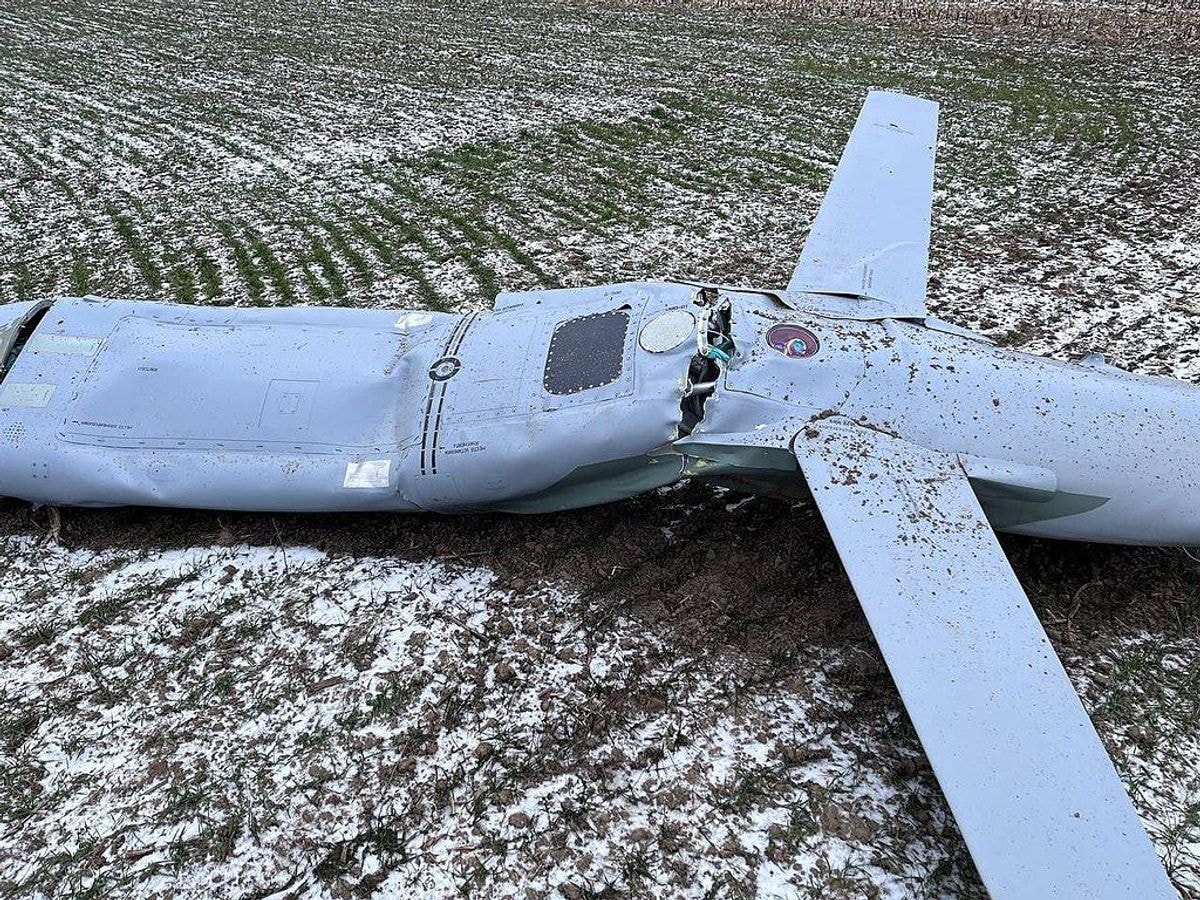
Since Russia's drone attack on Leipzig, Germany, the conversation has shifted, and EU diplomats from three countries said France had begun to budge when foreign ministers met in Luxembourg on Oct. 12.
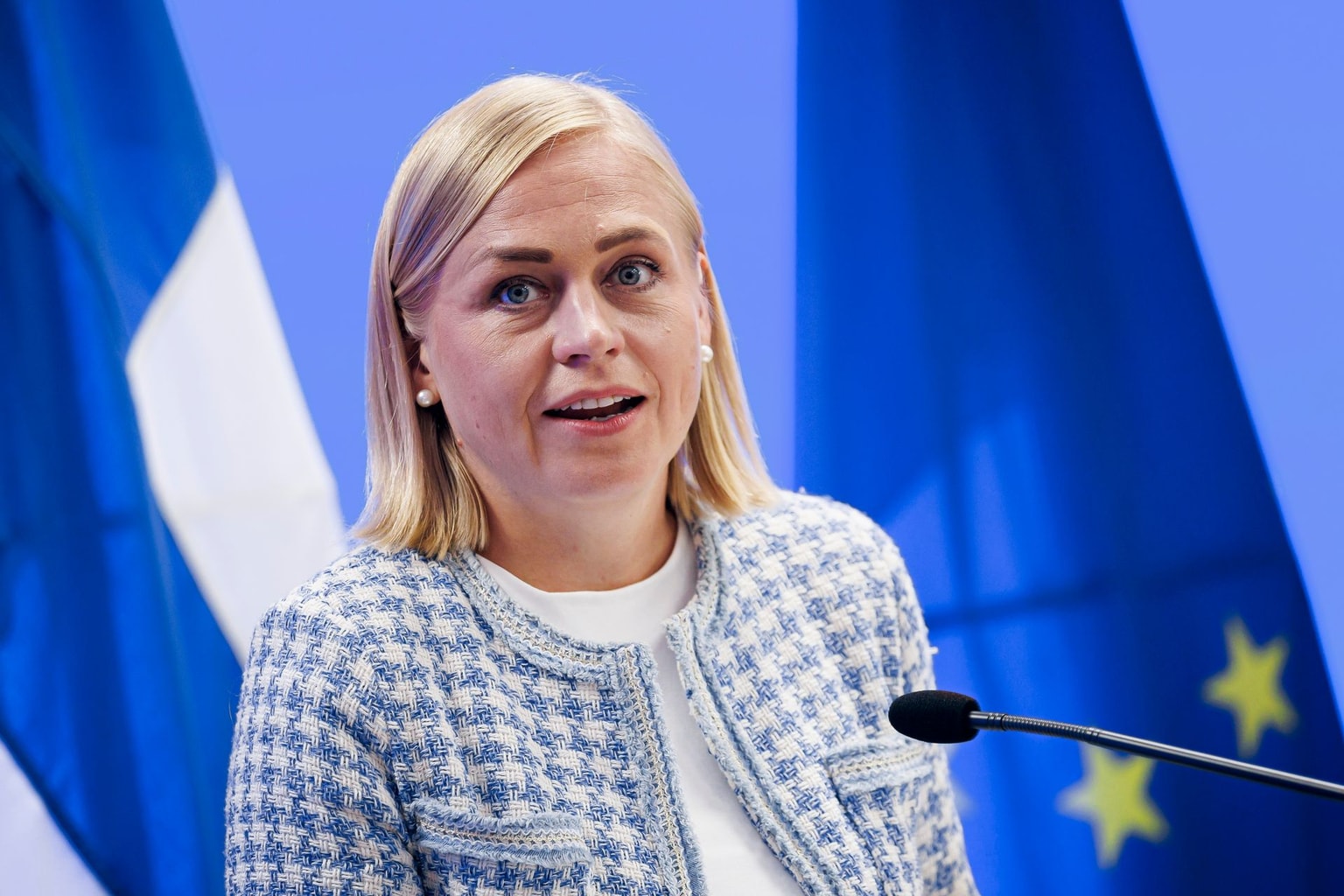
Finland also upped the pressure by issuing a letter arguing against issuing visas to Russians and outlining five key demands.
The draft conclusions signal that concrete action is due to land soon.
In a similar vein, the Council conclusions state that it "underlines the EU's readiness to step up its engagement" on "diplomatic efforts to bring Russia's war of aggression to an end."
The week before, European Commission President Ursula von der Leyen's right-hand man discussed peace with the U.S., NATO, and Ukraine.
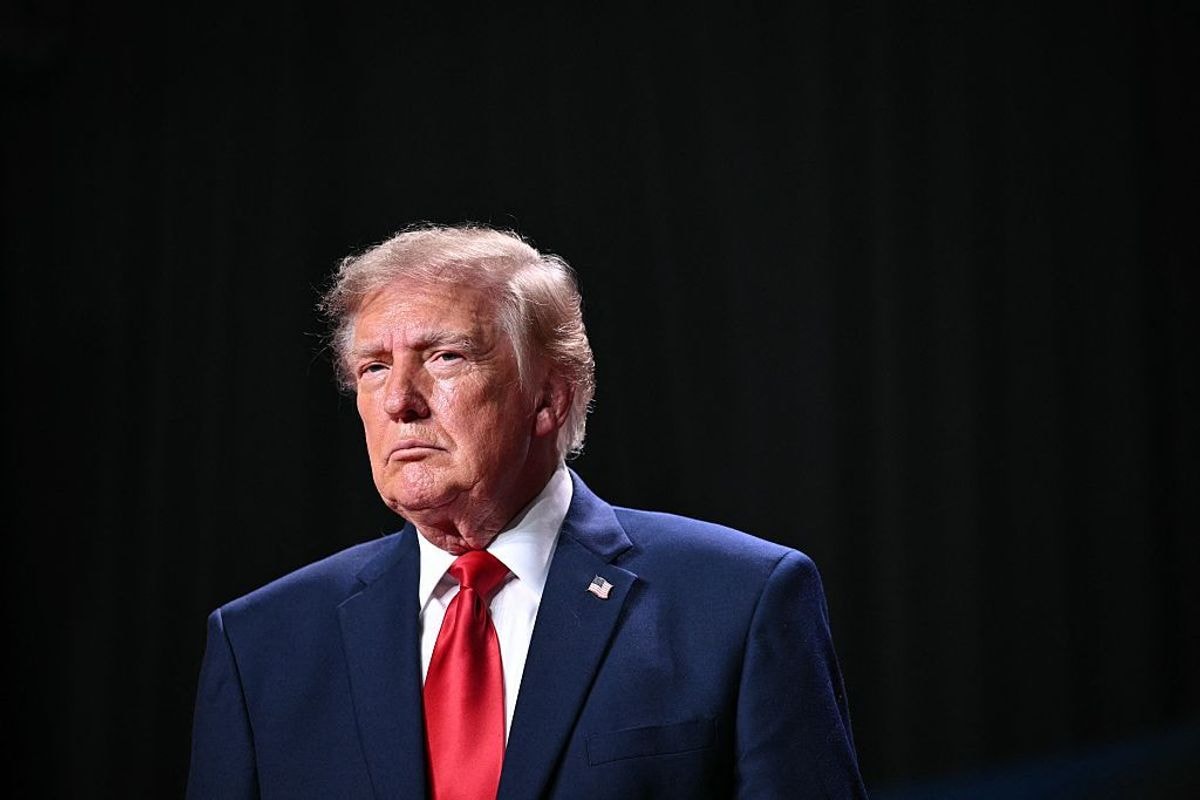
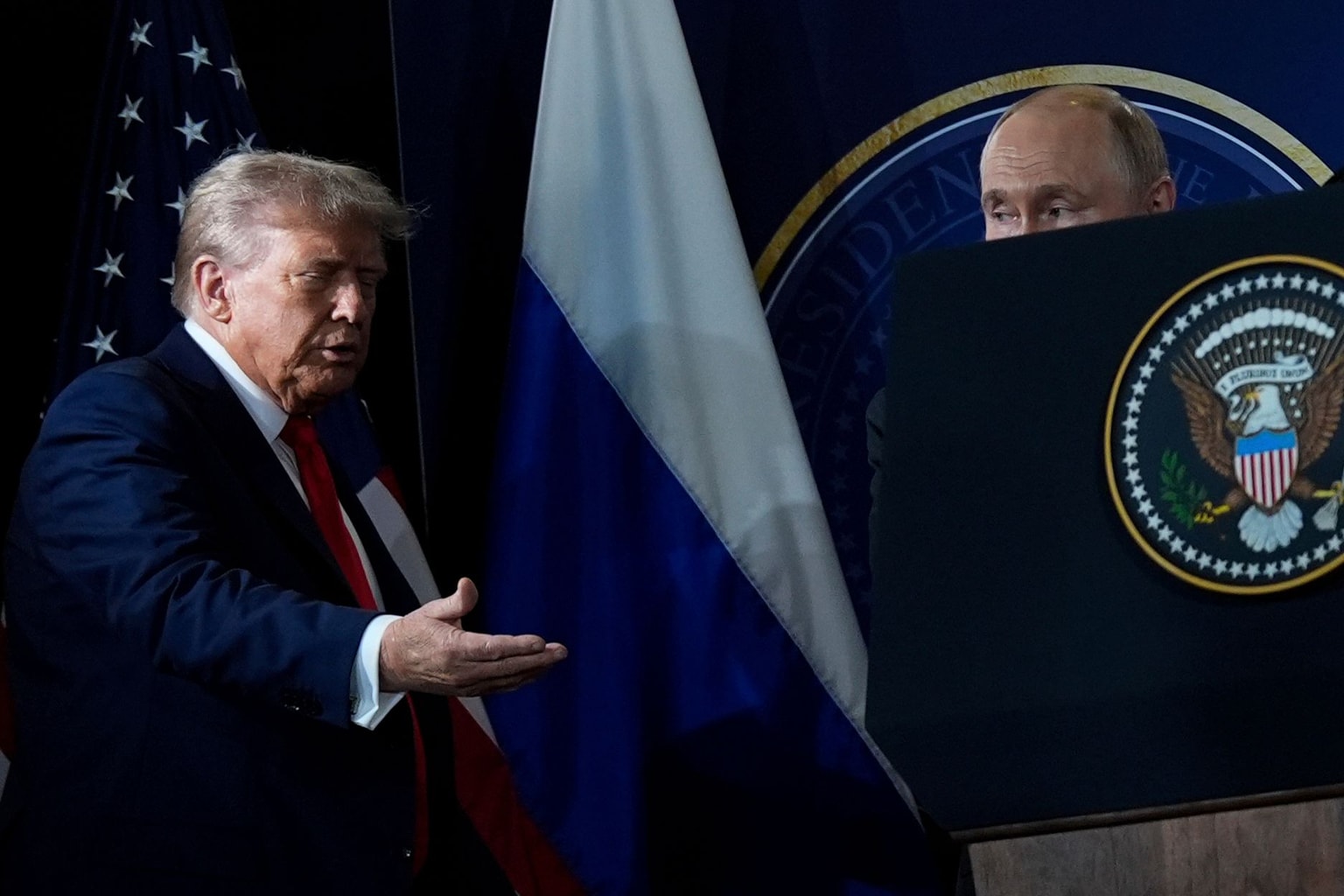
But those talks were overshadowed by U.S. President Donald Trump's announcement of a likely-illegal diesel deal with Russia — a development that the conclusions note with "regret."
Foreign Minister Andrii Sybiha told journalists on Oct. 12 that the U.S.' approach shows that "Europe should take its future in its own hands, speak with one voice, and restore peace," and the conclusions' readiness to do so suggests that the EU agrees.
Shouting into the wind
On other topics, the draft conclusions expose the EU's seeming inability to tackle Ukraine's most pressing issues.
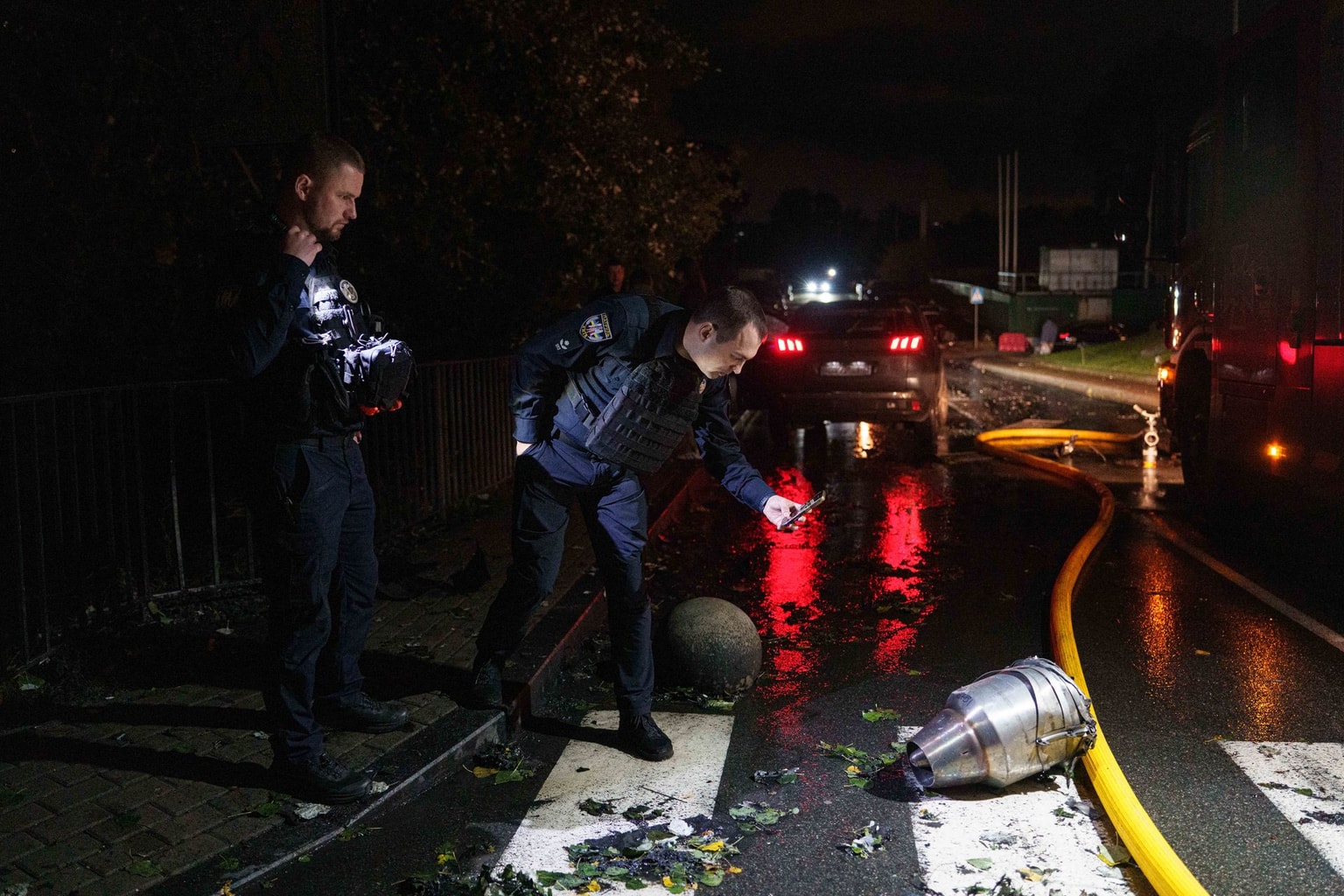
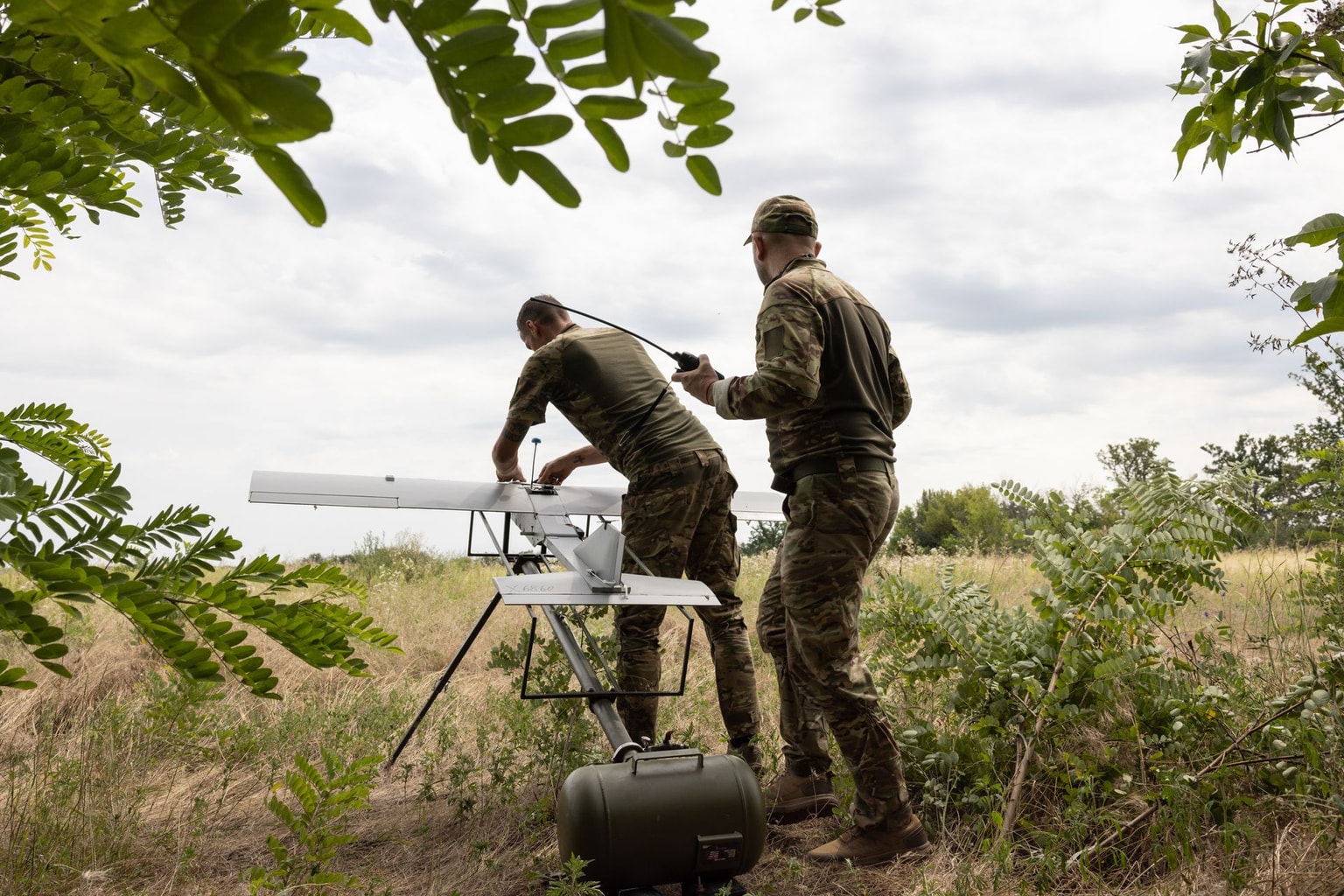
With Kyiv being pummeled by ever more jet-powered drones and ballistic missiles, the call for "further intensified efforts and coordination to strengthen Ukraine's air and missile defense capabilities, the resilience of its critical infrastructure, and its energy system," rings especially hollow.
Similarly, the call for "immediate restoration of safe passage for grain cargo ships in the Black Sea," after weeks of Russian blockade, and the sinking of ships — which has also led to the loss of life — reads as weak in the absence of any accompanying measures.
However, the European Council "stresses the need to prevent grain stolen by Russia from temporarily occupied Ukrainian territories from being exported via the EU," read the conclusions, which suggests support may be gathering for a Russian grain transit ban, as proposed by Estonia, Latvia, and Lithuania the week before.

Likewise, support may be brewing for future EU action to prevent Russia's re-entry into international sports and cultural events, which the conclusions say should not be allowed to happen, three days after EU Sports Commissioner Glenn Micallef met with EU foreign ministers for the first time to discuss the issue.
The result of Micallef's meeting was the EU's top diplomat, Kaja Kallas, announcing that her team "will put forward proposals on how to sustain Russia's isolation in global sports."
And in the meantime, some countries take unilateral action, such as the Netherlands, which has denied visas to Russians due to compete at an international gymnastics event in Rotterdam, even as the world body for gymnastics has again allowed Russian and Belarusian athletes to compete under their own flag.
Other mentions in the conclusions can be seen as messages to other allies of Ukraine, in Europe and beyond.
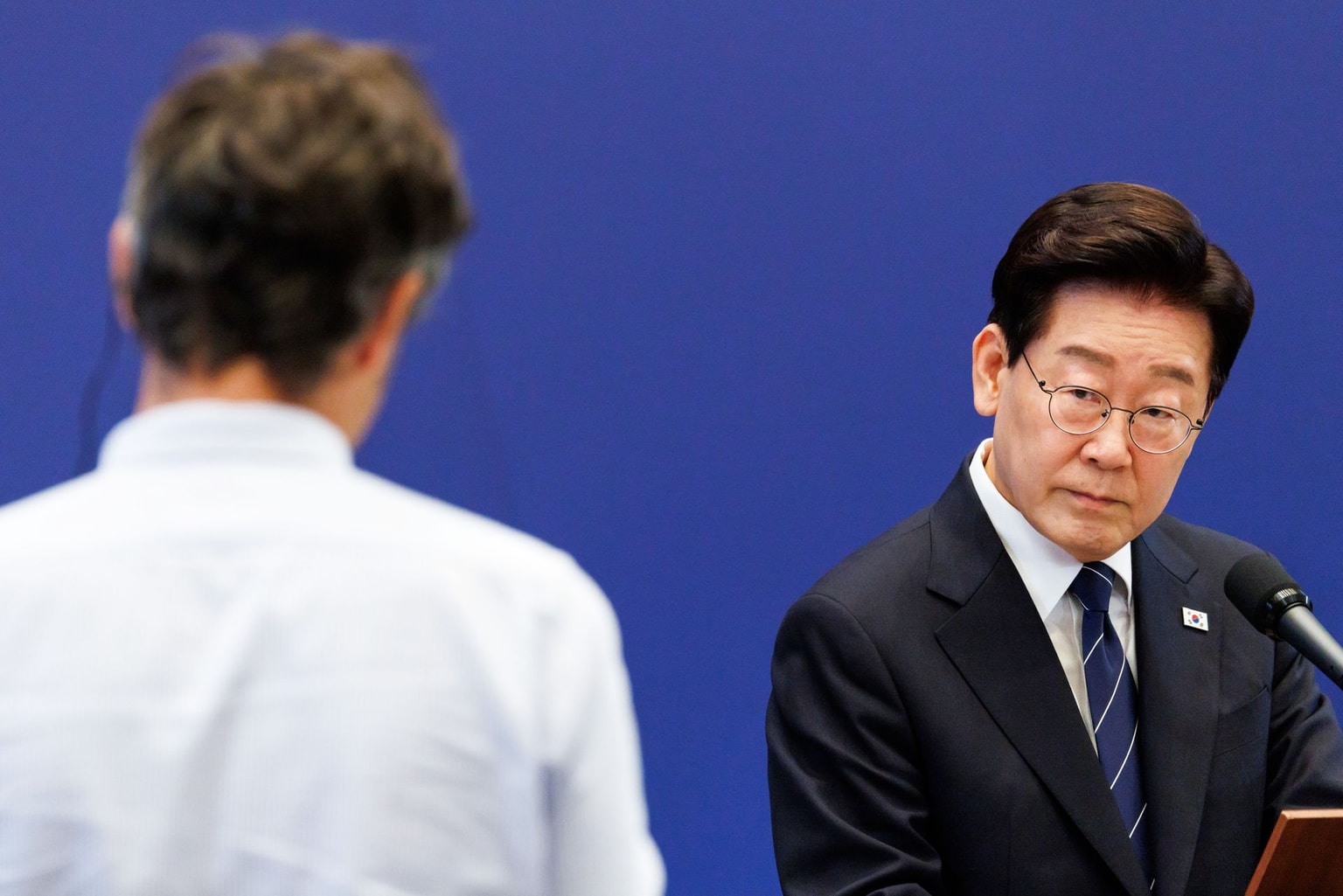
That the EU "strongly condemns the deployment of North Korean military forces in the war against Ukraine" is a useful reminder to South Korea of what is at stake for them, just as relations between Kyiv and Seoul reach a new low.
And the renewed call for "international partners to swiftly step up their support to help meet Ukraine's pressing financing and military needs," likewise points to the fact that since the EU adopted its 90 billion euro loan ($100 billion) for Ukraine in April, third countries appear to have slowed down on their own contributions to Kyiv.
read also
Conspicuously absent: Russia's immobilized assets
One word missing from the draft conclusions: "assets." This is despite a renewed push from various directions to revive discussions about how to use 200 billion euros ($224 billion) of immobilized Russian wealth to directly support Ukraine.
Four EU countries reopened the topic with an open letter in August, and it came up prominently during the Oct. 12 meeting of foreign ministers.
Sybiha spoke about the idea to journalists, published an opinion piece the same day with news website Politico, and had strong support from his Swedish colleague Maria Stenergard, who even brought along visual aids for the discussion.
But the lack of a mention is because the EU is still by no means united on what approach to take.
Belgian newspaper De Morgen reported on Oct. 13 that President Volodymyr Zelensky wants to meet with Belgian Prime Minister Bart De Wever bilaterally around the EU leaders' summit, which he will also attend on Oct. 16.
De Wever led resistance to the use of Russian assets in December 2025, the last time it was seriously discussed, and as the vast majority of immobilized Russian government assets are in Belgium, a solution that does not work for De Wever will go nowhere.
In response to a question from the Kyiv Independent about the Russian assets, Kallas said "I think this discussion will continue because eventually it is about sharing the risks between member states."
"It is important that it is not off the table. We are thinking about different tools to fill that financing gap," Kallas said.
Alternative options do exist: Russian assets could be invested more profitably to create new funds for Ukraine, as suggested by a plan called the Windfall Optimization Loan Framework, or the EU could simply agree to create new loans.
What is clear is that the topic is not set to disappear just yet, with one senior EU official telling the Kyiv Independent they expect it to dominate EU leaders' December meeting.
Don't forget the future
The October meeting of EU leaders was supposed to have the future of EU enlargement as a main topic, to which end the European Commission issued proposals for consideration on Oct. 6.
Instead, with a new multi-year budget to discuss, energy prices, migration issues, the Middle East, and all the other Ukraine topics on the agenda, enlargement risks being overshadowed, and it only accounts for one page in the 25-page Council conclusions draft.
Even so, that one page contains a potentially big shift, if the conclusions are adopted as written.
"The European Council ... looks forward to the opening of all the other clusters as soon as possible, in line with the merit-based approach," read the draft conclusions.
What looks like an innocuous enough sentence takes on new meaning when one has in mind the last leaders' meeting in July, in which Hungary lobbied hard to remove the words "as soon as possible" because it wanted Ukraine to pass a law bolstering the rights of its Hungarian-speaking minority first.
Ukraine passed that law on Oct. 12, unlocked two further enlargement clusters on Oct. 13, and may have no further obstacles to overcome.

France and Poland were expected in some quarters to make it difficult to unlock the remaining cluster covering agriculture due to fears of Ukrainian competition, but they publicly ruled this out on Oct. 13.
A high-ranking EU official and a European minister told the Kyiv Independent that they expect the last two clusters to open in December 2026, as several EU countries must follow their own political procedures at home to give a formal green light.
For example, Slovenia needs to vote on the decision through its parliament, even if the vote itself is not expected to cause any problems, and has never done so for Ukraine so far.
But that does not mean Ukraine has nothing still to do.
Both for the EU's financial support to be greenlighted, and for Ukraine to join the bloc one day, the Council conclusions "recall the importance of Ukraine continuing its reform efforts and upholding the rule of law."