Explainer: Why is EU planning to ban visas only for Russian soldiers, and not for all Russians?
 on Google
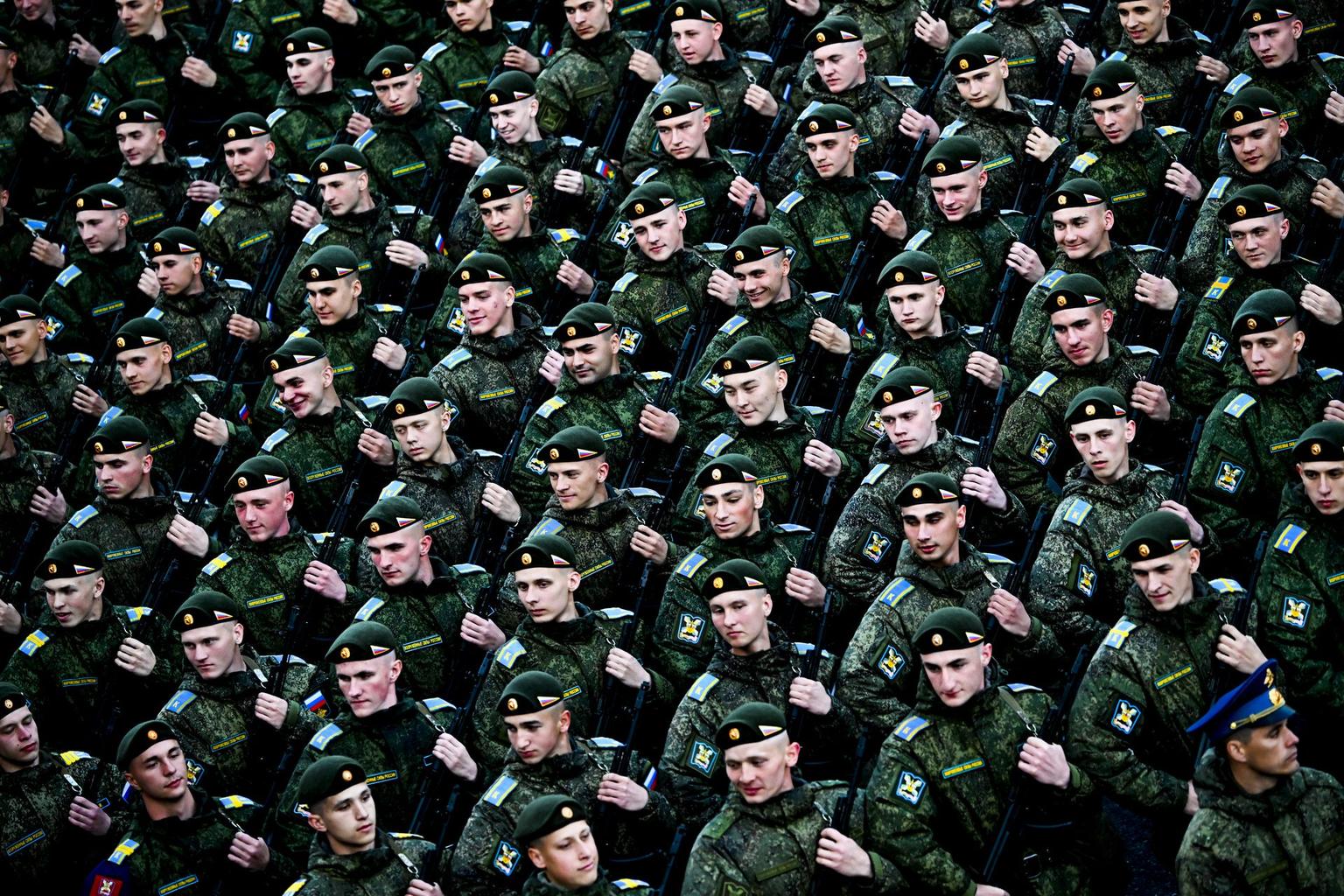
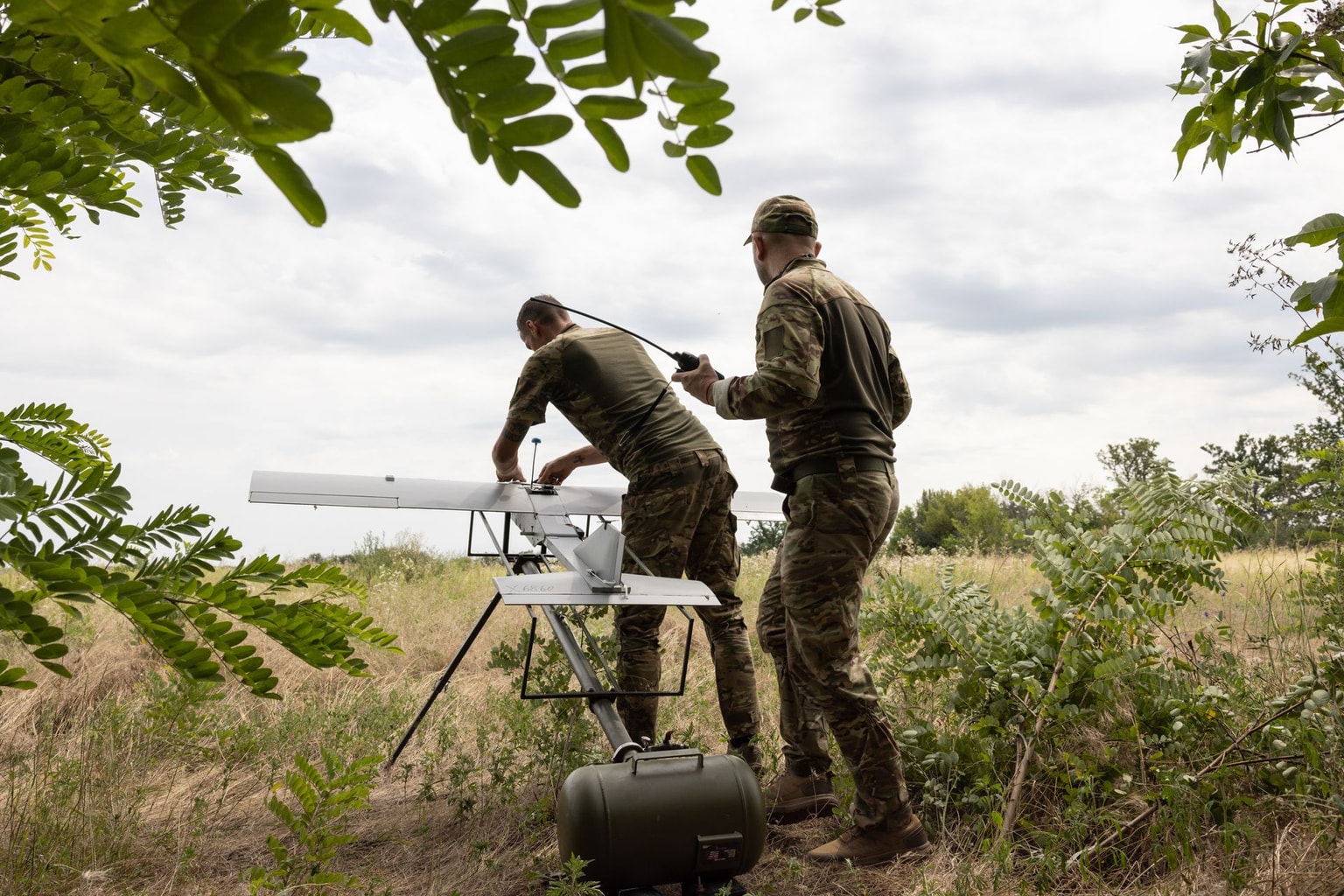
The European Commission announced on June 9 that a visa ban targeting current and former Russian soldiers should be part of the EU's next sanctions package, sparking a debate on social media about why the measure targets only military personnel.
The Kyiv Independent explains why the proposal is limited to Russian combatants and whether more sweeping restrictions could follow.
Nordic and Baltic countries proposed already in February and March that the EU should ban entry for ex-Russian soldiers, noting that they could play a role in Moscow's shadow war against Europe.
The idea has gained traction in EU circles, leading to the proposal being included in the EU's 21st package of sanctions against Russia, which is hoped to be adopted in July.
"Europe's door should not be open to Russia's (ex-)combatants," the EU's top diplomat, Kaja Kallas, wrote on social media.
But the announcement follows news that the number of visas issued to Russian citizens by EU countries has been creeping up since they plummeted in the immediate aftermath of Russia's full-scale invasion of Ukraine in 2022.
The EU media outlet Euractiv reported that, according to confidential data, visas granted to Russian citizens increased from a historic low of 462,000 in 2023 to 632,000 in 2025, with holiday hotspots France, Italy, and Spain accounting for roughly three-quarters of the total.
Granting of new visas also coincides with Russia's broader reemergence in various sporting and cultural events, including, infamously, the Venice Art Biennale.

News about the upcoming sanctions package sparked online discussions over why the proposed visa ban did not take a more sweeping approach.
One EU official told the Kyiv Independent that the new proposal to ban visas for Russian soldiers should be considered a first step, with additional steps in the pipeline.
In January 2026, the EU published a new visa strategy that seems to support that assertion.
The document mentions that the European Commission plans to revise the EU's visa code — expected early 2027 — in which it will "introduce a new category of targeted restrictive visa measures."
This could include suspending, rejecting, or restricting visas for people from specific third countries, and implementing measures targeting specific categories of travelers, such as diplomats, combatants, or applicants for non-essential travel, the document reads.
However, visas are not issued by the EU as a whole but by individual member states. France, Italy, and Spain continue granting large numbers of Russian tourists visas, while others, such as the Baltic States and Poland, no longer do.
Countries hosting large numbers of Russian tourists could also lobby against changes to visa-granting rules, especially those that would appear in the EU's next sanctions package, which requires unanimity to pass.