Exclusive: Trump's envoys warn Russia that time is running out to secure a deal on Ukraine
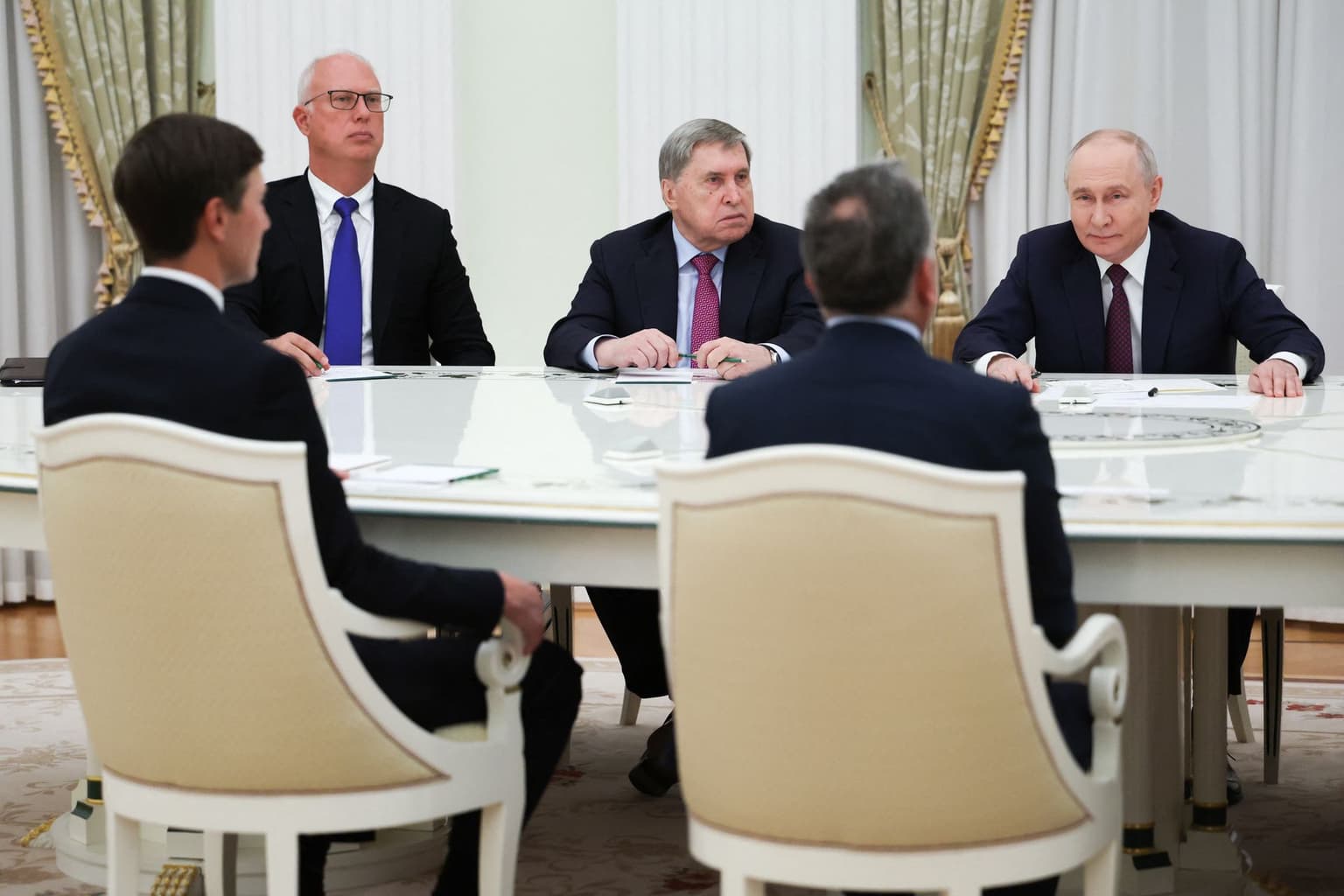
Russian President Vladimir Putin meets with US envoys Jared Kushner and Steve Witkoff at the Kremlin in Moscow on Nov. 12, 2026. (Vyacheslav Prokofyev/ AFP via Getty Images)
 on Google
U.S. envoys Steve Witkoff and Jared Kushner have warned their Russian and Ukrainian counterparts that the current round of peace talks could be the last realistic opportunity to secure a deal before political dynamics in Washington shift, the Kyiv Independent has learned.
The warning reflects concerns that Russia’s leverage at the negotiating table could diminish as Democrats move closer to taking control of Congress. A shift in power could trigger renewed bipartisan pressure to increase military and financial assistance to Ukraine, while intensifying scrutiny of the Trump administration's dealings with the Kremlin, one person familiar with the talks told the Kyiv Independent.
U.S. envoys could also face congressional investigations and hearings, potentially narrowing the administration's room for maneuver on Russia policy.
The argument for Moscow is that the terms available now may not remain on the table for long. If the new Congress pushes for a tougher approach toward Russia, the Kremlin could lose an opportunity to secure concessions from Washington.

The strategy became clear after Russia backed away from planned trilateral negotiations in September, despite initially agreeing in principle to hold them following visits by Witkoff and Kushner to Kyiv and Moscow.
The meeting, initially scheduled for early October, was called off after the Kremlin accused Ukraine of conducting airstrikes on Sept. 20, the day of Russia’s parliamentary elections, despite Russia’s continued and relentless bombardment of Ukraine.
Moscow's refusal to proceed coincided with renewed attacks on Ukraine's energy infrastructure. Kyiv saw this as a sign Russia had little interest in negotiating before spring, after its campaign against Ukrainian energy facilities had run its course.
U.S. negotiators then began pressing the Kremlin with a different argument — that Russia should take the opportunity to secure a deal while the current U.S. administration still has room to maneuver.
The message appears to have helped bring Russia back to the negotiating table. Moscow has since agreed to resume trilateral talks with Ukraine and the United States and, according to one person familiar with the talks, is now playing along with the U.S. strategy.
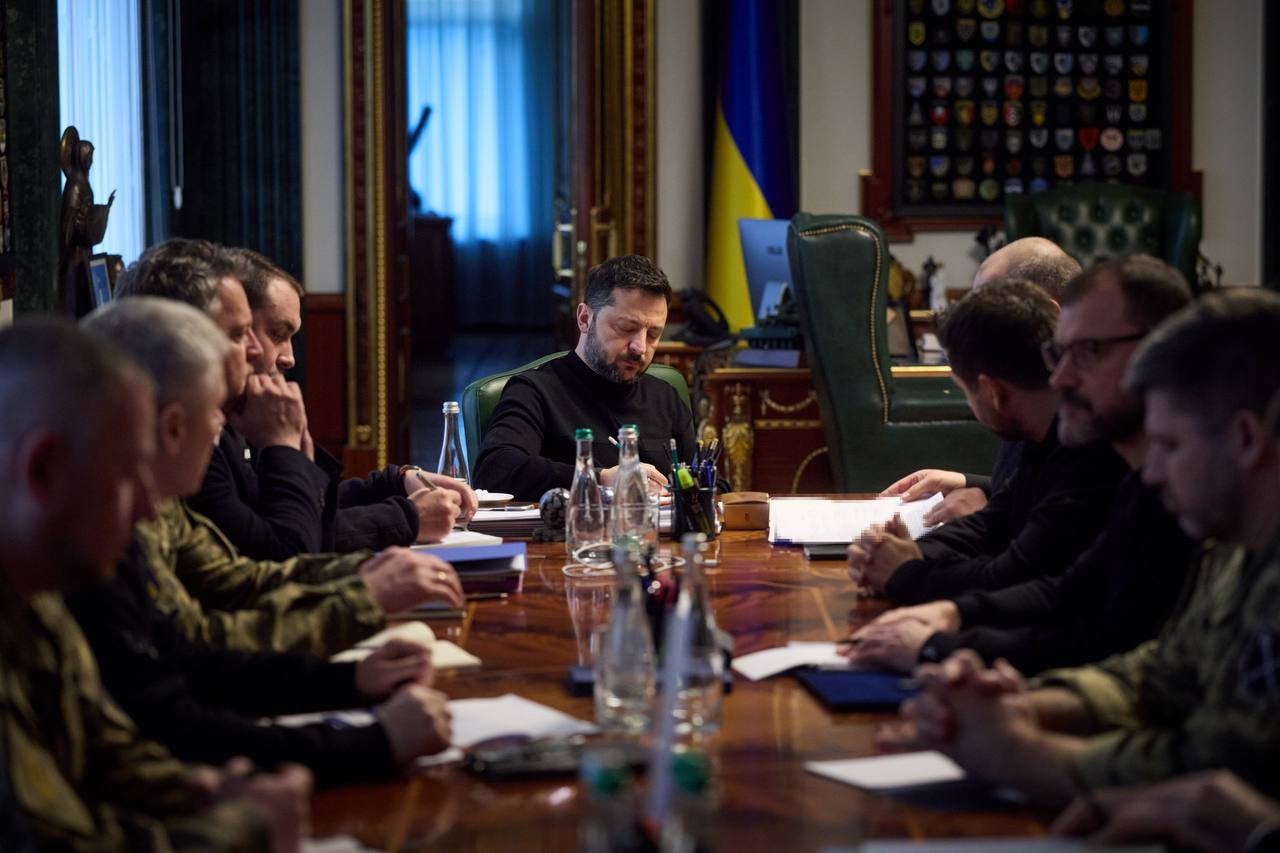
President Volodymyr Zelensky reinforced the message on Nov. 11, saying there was a "window of opportunity" to achieve results in negotiations before 2027.
A person involved in the talks told the Kyiv Independent that Ukraine is also seeking to work within this narrative as it prepares for another winter of Russian attacks on its energy system, which Kyiv believes are aimed at freezing the population into submission.

A deal Moscow can sell as a win
As of now, the Kremlin believes it holds the upper hand, according to people familiar with the talks. Russian forces continue to target Ukraine's energy infrastructure, while Kyiv faces difficulties securing enough interceptors to defend against Russian ballistic missiles.
That combination has contributed to a positive mood in Moscow, the people said.
Since September, U.S. envoys have been trying to persuade the Kremlin that the current moment may offer the Russian leader his best chance to secure a peace deal.
Territory remains Moscow's central demand.
The Kremlin has repeatedly rejected calls for a ceasefire and insisted Ukraine surrender the parts of Donetsk and Luhansk oblasts that Russian forces have failed to capture.

Russian officials have told U.S. negotiators that Moscow intends to seize the territory militarily regardless, presenting it as a non-negotiable condition for ending the war.
Yet Russian troops have struggled to make any breakthrough, while Ukrainian forces continue to hold the line. U.S. Secretary of State Marco Rubio has repeatedly said that the Donbas is the main issue in talks and that Russia is unlikely to capture it anytime soon.
That has pushed Washington to explore whether a broader diplomatic arrangement could give the Kremlin something to present as a victory.
One idea that has emerged is a new security agreement between Russia and Europe.
Moscow has repeatedly demanded changes to Europe's security architecture, including restrictions on NATO's expansion and a rollback of the alliance's military presence.
Washington had long dismissed such demands. Some of those demands, however, now appear to be back on the table as part of the diplomatic effort to end Russia's war in Ukraine.
Trump's team is pursuing two diplomatic tracks in parallel: negotiations to end the war and discussions about reshaping security ties between Russia and Europe.

The second track would only move forward once Kyiv and Moscow reach a peace agreement, a Ukrainian official familiar with talks told the Kyiv Independent.
This distinction appears important. Washington appears to be treating it as a separate issue that could help bring Moscow toward an agreement with Kyiv.
U.S. envoys have also been warning Moscow that the new Congress will be far less accommodating than the previous one. Trump has scaled back U.S. military and financial support for Ukraine, despite continued bipartisan backing for assistance to Kyiv.
Democratic takeover of Congress could change that balance. With control of the legislative agenda, they will be able to bring Ukraine aid proposals to a vote and seek the bipartisan support needed to override Trump's possible veto.
Tense talks, familiar demands
The new round of negotiations between Ukrainian, Russian, and U.S. delegations on Nov. 10-11 offered little indication that Moscow was ready to soften its demands.
The talks were tense, with the Russian delegation arriving with strict instructions and showing little willingness to discuss an energy ceasefire or other measures to de-escalate the war, a person familiar with the discussions told the Kyiv Independent.
Ukrainian officials have remained reluctant to say whether the talks produced any tentative agreements or signs of a breakthrough.

One person familiar with the negotiations said the Russian delegation was particularly eager to discuss a new security agreement with Europe.
Russia's territorial demands remained unchanged, one senior Ukrainian official close to the negotiations said.
"They're still talking about Donbas, but on top of that, there's a new story about the European security architecture," the official told the Kyiv Independent.
Russian chief negotiator Vladimir Medinsky reiterated Moscow's territorial claims on Nov. 11, saying that "every inch of our land will be returned to Russia, one way or another."
The remarks again exposed the gap between the Kremlin's demands and compromise prospects, as the U.S. seeks a broader deal.
The next test is expected in Berlin on Nov. 19, where U.S. envoys, Ukrainian officials, and European representatives are due to meet this week to coordinate their positions. The main question is whether Europe itself is on board with Washington's new idea.
European officials, speaking both publicly and privately, say they are not.
Note from the author:
Hi, this is Tim, the author of this article. Thank you for taking the time to read it.
At the Kyiv Independent, we don't have a wealthy owner or political backing. We fully rely on your support to continue our work at this time of constant turbulence.
If you found this article interesting, consider joining our community today