New EU funding rules to protect sports from Russian influence, visa ban in the works
 on Google

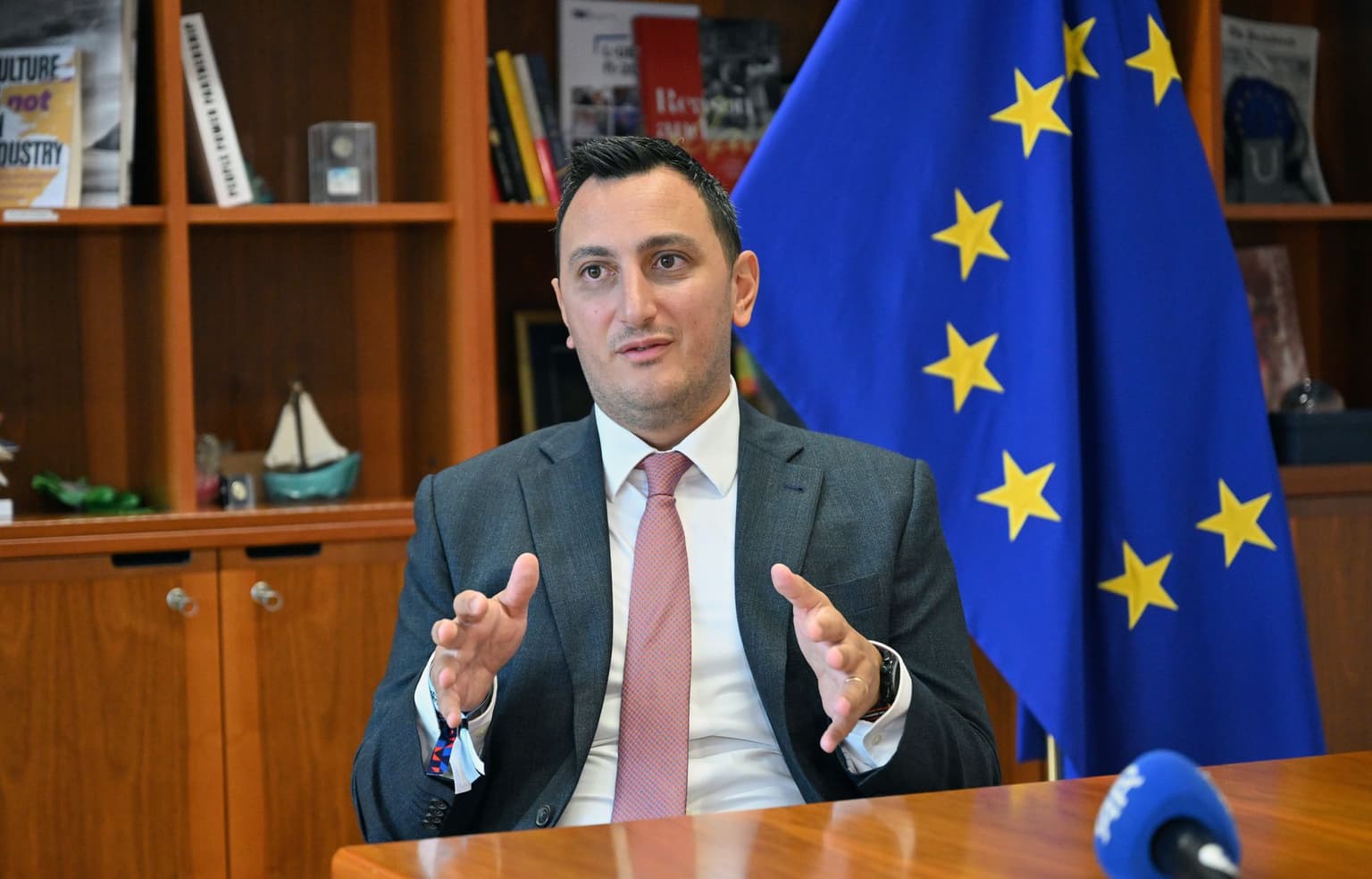
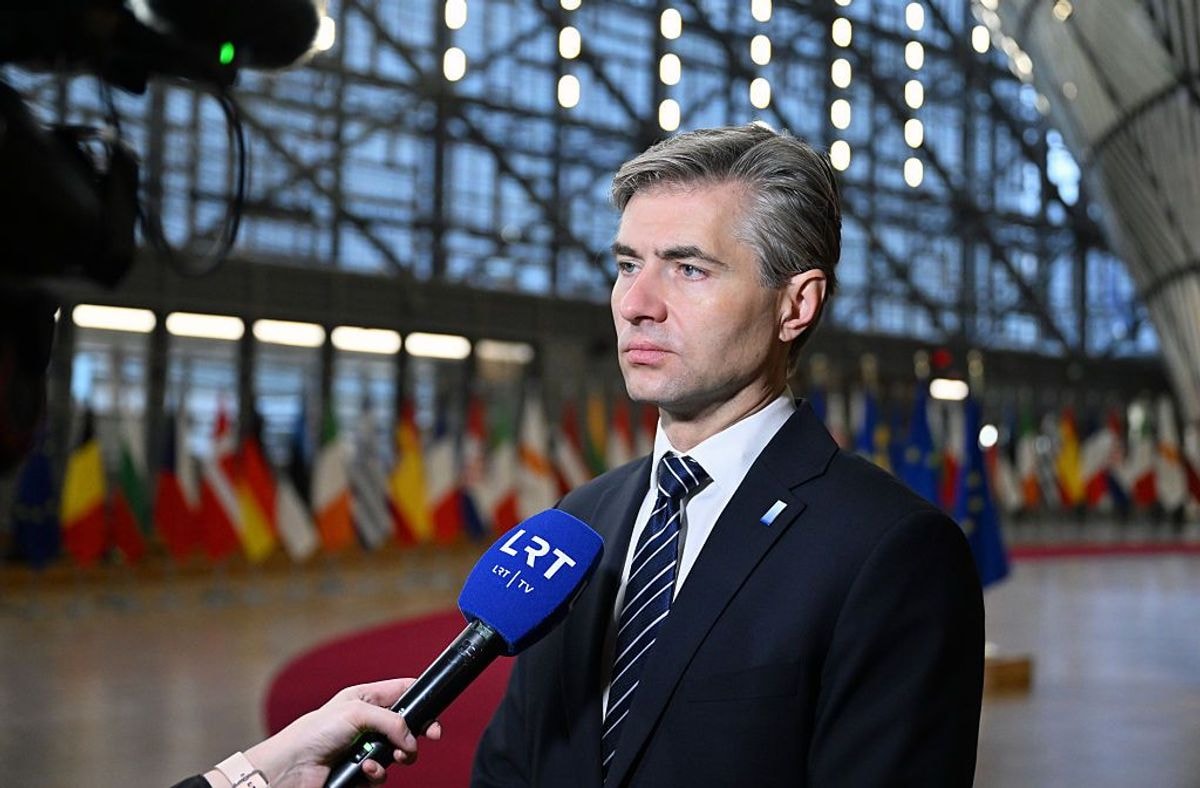
BRUSSELS, Belgium — Sporting organizations facilitating the spread of Russian propaganda will no longer be eligible for EU funding, the bloc's Sports Commissioner Glenn Micallef told the Kyiv Independent at a press conference in Brussels on Nov. 17.
Micallef and fellow Commissioner Roxana Minzatu announced new plans to reinforce European sports, but at a time when Russia is increasingly using sport as a geopolitical tool to whitewash its war of aggression against Ukraine, and is gaining re-entry to a variety of sports at the highest level.
"Our ambition is for Europe to remain a sporting powerhouse," Minzatu told reporters, and an accompanying EU communication mentions that "through sport diplomacy, Europe can counter political instrumentalization of sport."
However, Russia's re-entry to sporting events presents a more mixed picture.
The world's top sporting court ordered the readmission of Russia and Belarus to world ice hockey tournaments, a win for Moscow.
But then Canada, which is due to host a junior ice hockey tournament in December, announced an entry ban for Russian and Belarusian athletes.
The International Ice Hockey Federation (IIHF) confirmed the tournament would take place in Canada as planned, without Russian and Belarusian participation.
Lithuania was due to host an international pentathlon tournament and carried out the same maneuver, but the world pentathlon body stripped Vilnius of hosting rights.
When asked if this suggests Canada, rather than Europe, is a sporting powerhouse, Micallef told the Kyiv Independent that "sports should never be allowed to be used as an instrument of propaganda. Sports should not normalize a war of aggression."
"It will be one of the eligibility criteria when it comes to funding ... that these organizations do not allow for propaganda to happen through sports going forward," Micallef announced.
Specifically, the criterion will be included in an EU funding stream called Erasmus+, the EU's main program for funding education, training, youth, and sports, with a new call for applications expected as soon as Nov. 18.
Minzatu added that "with EU taxpayers' money ... we will not, of course, support and finance participants that are connected to the types of symbolism of violence and aggression."
"This is, I think a step forward. And we're coordinating the work of member states when it comes to visa restrictions as well," Micallef added.
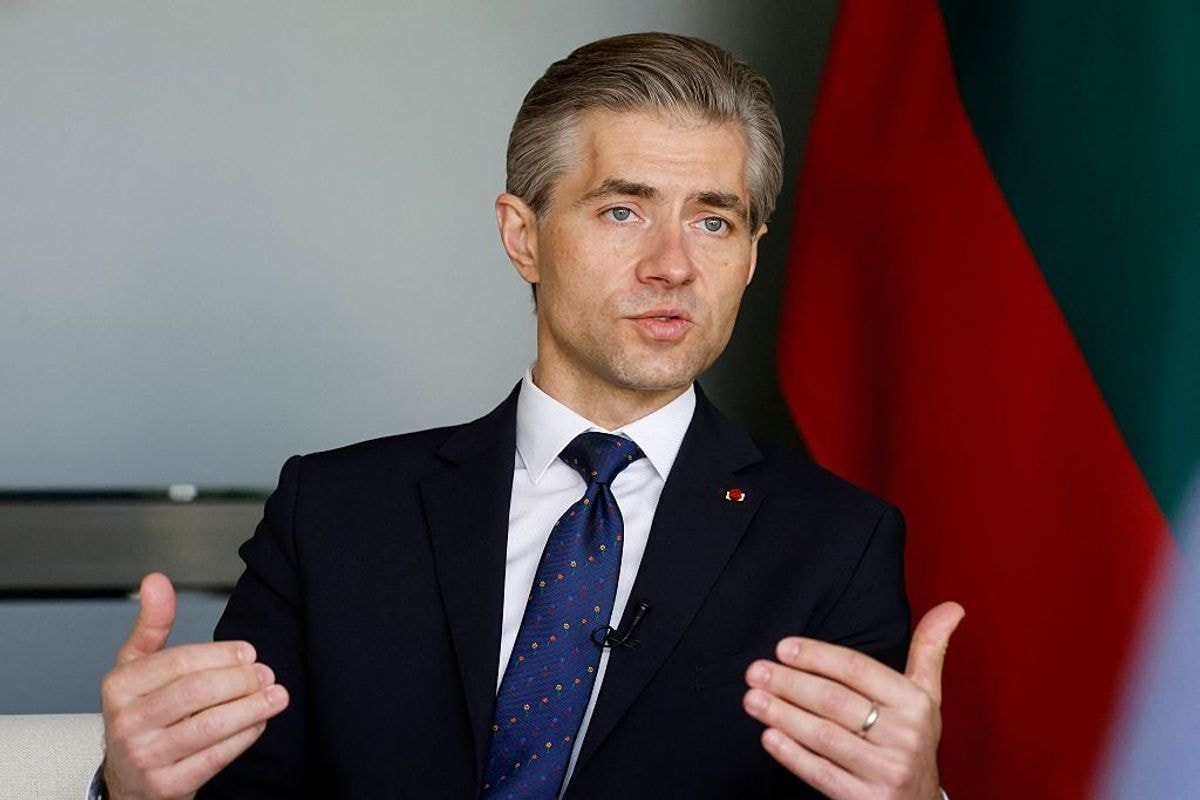
A visa ban on Russian athletes has been called for by various European politicians, including by Foreign Minister Andrii Sybiha, and Lithuanian Foreign Minister Kestutis Budrys in a Nov. 16 interview with the Kyiv Independent.
A senior EU official confirmed to the Kyiv Independent that a European Commission proposal to do exactly that will be announced in a matter of days, after which EU countries need to discuss and vote on the idea.