Australia mulls closing key Russian oil loophole, but with no deadline in mind
 on Google

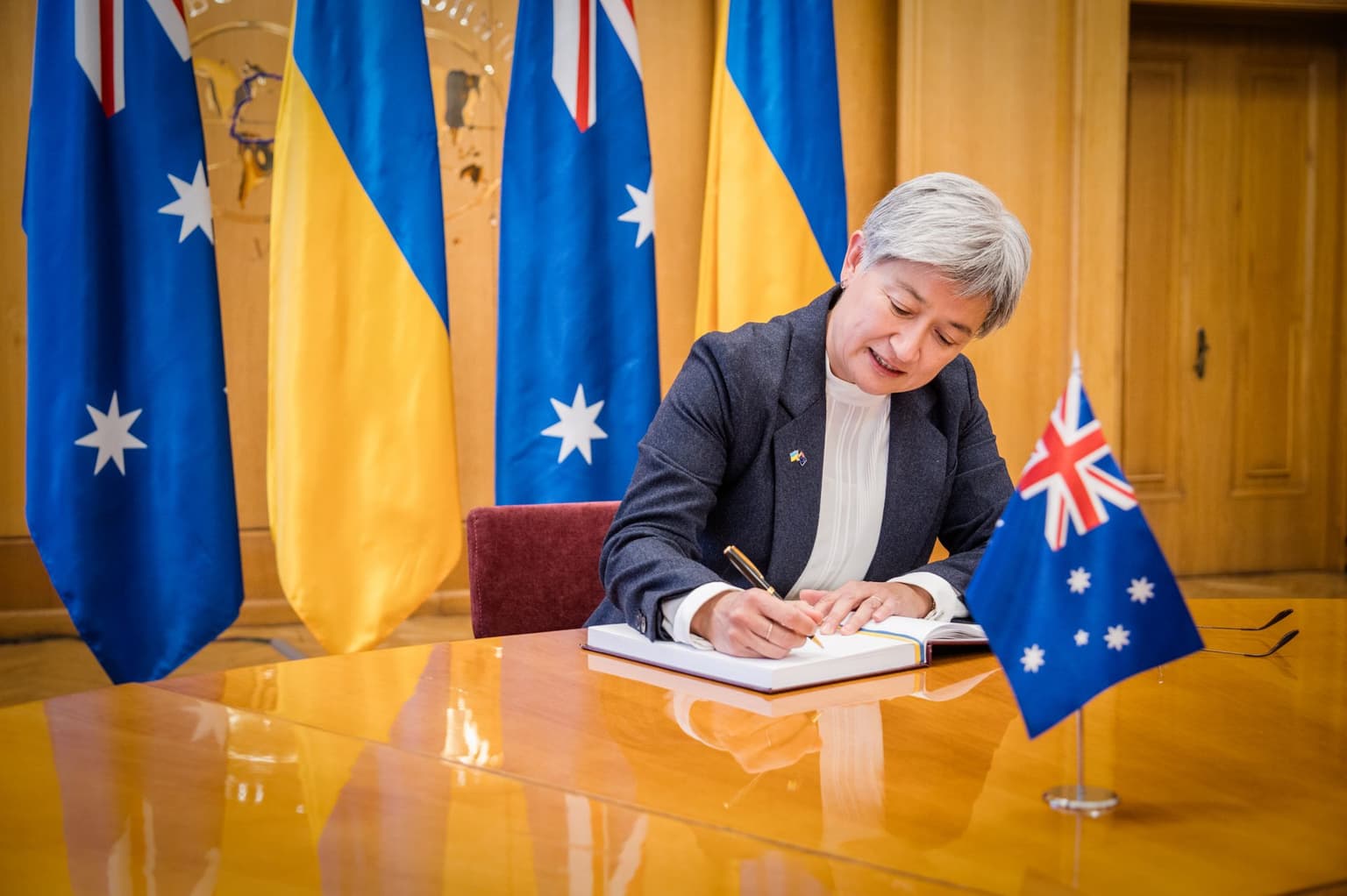
The Australian government is reviewing a set of recommendations to further tighten sanctions on Russia but a Nov. 24 letter by the country's Foreign Minister Penny Wong and seen by the Kyiv Independent offers no clear commitments or timelines.
A report produced by the Australian Senate's Foreign Affairs Committee in August made 11 proposals to tighten up Canberra's sanctions regime and help Ukraine, with a ban on third-country imports of petroleum products made using Russian oil featuring prominently.
Australia had already banned direct imports of oil and petroleum products from Russia itself, but the Senate report noted that petroleum products made from Russian oil continue to enter the country, notably from India.
"The Government is carefully considering the recommendations of the Senate report to ensure Australia's sanctions on Russia remain fit for purpose, and will table a response in due course," Wong wrote to Nezir Sinani, head of the civil society coalition B4Ukraine.
Wong also reiterated Canberra's longstanding support for Kyiv, and the recent adoption of another round of sanctions listings.
"Australia will continue (to) work closely with Ukraine and our partners to impose costs on Russia and support Ukraine's sovereignty and territorial integrity," Wong said.
B4Ukraine told the Kyiv Independent that they welcome the "continued commitment to supporting Ukraine," but that the response "does not address the central issue raised in our letter."
"The refining loophole undermines the effectiveness of these (Australia's other sanctions) measures by allowing Russian crude oil to reach Australia consumers in the form of refined products," said a spokesperson for B4Ukraine.
"We urge the Australian government to act on the Senate Committee's recommendations and close the refining loophole without further delay," they said.
Clamping down on third-country exports has become an increasingly important part of other sanctions regimes worldwide.
The EU and the U.K. closed the same loophole in 2025, and beyond oil, the EU is planning to wield for the first time a blocking tool against Kyrgyzstan for its role as a third-country facilitator for illegal Russian transactions made using cryptocurrency.