Russian frozen assets have Australia's Senate fired up
 on Google
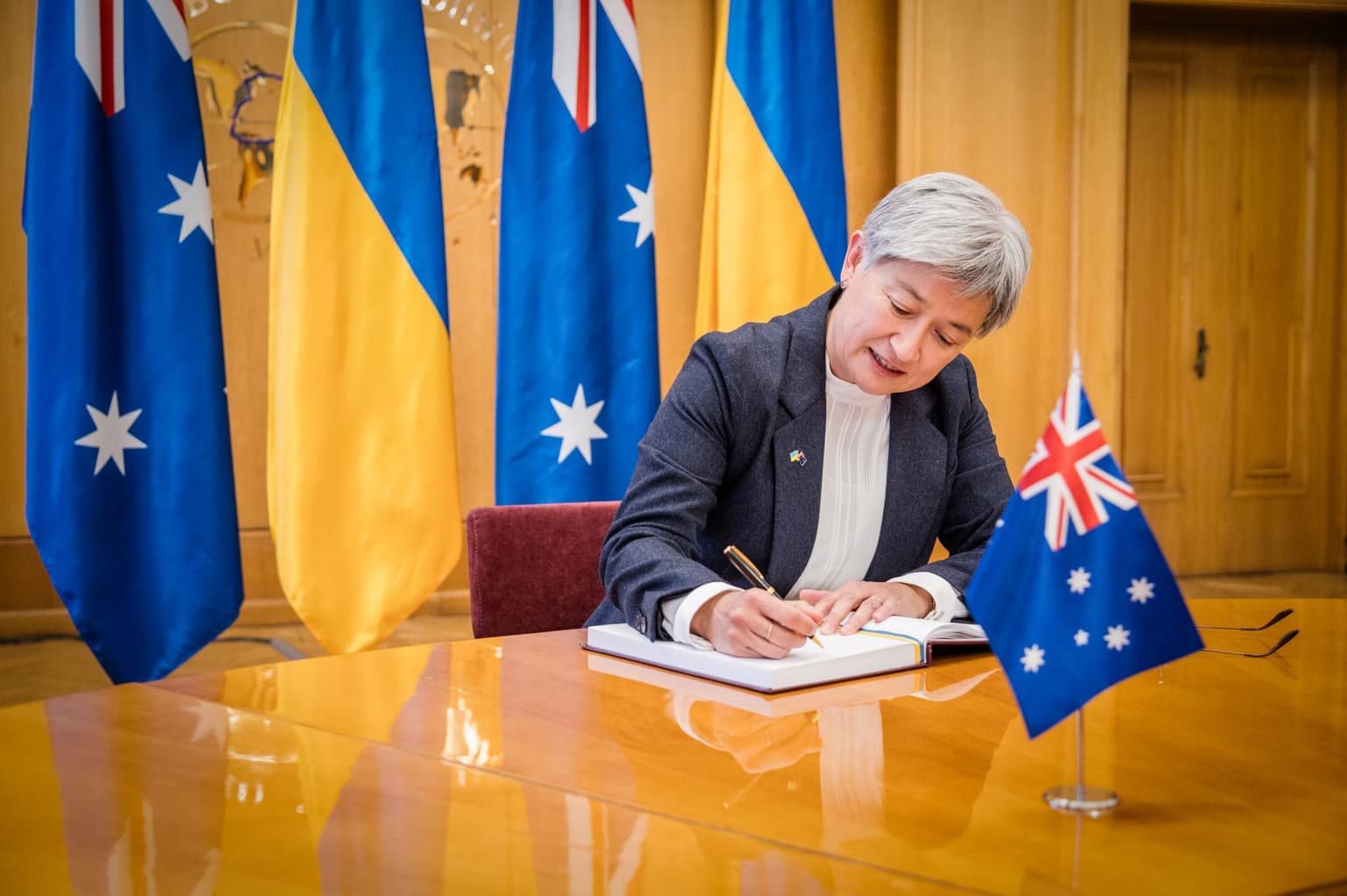
The Australian Senate's Foreign Affairs Committee made 11 proposals to tighten up Russia sanctions in a report tabled Aug. 20, among which is legislation to seize Russian assets and disburse them to Ukraine.
Eighty-five percent of Australia's total sanctions are directed against Russia, but nobody has ever been prosecuted as a result of them, which prompted the committee to thoroughly review the shortcomings of Canberra's sanctions regime, and propose fixes.
"Shortcomings were identified. These include lacking ambition in terms of scale, loopholes which allow circumvention and undermine effectiveness, as well as a perceived absence of enforcement," the report notes.
And the report recommends "that the Australian government consider legislation to seize Russian sanctioned entity assets and consider legislation to disburse these assets to Ukraine."
Australia's foreign ministry (DFAT) estimates that less than 100 million Australian dollars ($72 million) of frozen Russian assets are held in the country, but this number was challenged by the report as potentially being understated.
"Euroclear has consistently reported that 2% of its 'cash balances relating to Russia sanctions' is Australian-dollar-denominated. That 2% equates to approximately 7 billion Australian dollars ($5 billion)," reads a submission quoted by the report by Australian sanctions academic Anton Moiseienko.
Euroclear is a financial clearing house based in Belgium, which holds some 185 billion euros ($217 billion) of Russian assets, and which has been at the center of debates about how the EU could carry out its own expropriations.
The Australian report argues that "the case for seizing and repurposing Russian assets is strong," but notes that the legal process to carry out such a seizure is complicated, and would require new legislation.
Australia's foreign ministry representatives told the committee that "under Australian sanctions law, there is no power to do anything with those assets other than to have them frozen."
The authors of the report then recommend new legislation to make financing Russia's military operation a crime, with forfeiture of assets as the penalty for those found guilty."
But senators from Australia's governing Labor party, dissented against the Liberal party-led report in separately filed comments.
They dismiss the claim of Russian assets in Australia being undervalued as "speculation," and say the proposal to seize sanctioned assets is made "without adequately addressing the significant legal and constitutional barriers to doing so."
They also suggest that the use of interest accrued on Russian assets frozen in Euroclear to secure loans to Ukraine means an outright seizure is not required.
However, for the European Commission it is clear that the issue of seizing Russian assets will have to be revisited, and Belgium's foreign minister pointed cautiously to a way forward during his Aug. 19 visit to Kyiv.
Among the other recommendations made by the Senate committee, proposals to align sanctions with allied countries, and further sanctions on Russian oil loom especially large.
Australia has already banned imports on Russian oil and petroleum products made in Russia, but it has not banned petroleum products made in third-countries that are derived from Russian oil.
This has partially undermined the impact of Australian sanctions, and the report notes that imports of petroleum products from India especially have been made using Russian oil.
Civil society umbrella organization B4Ukraine refers to Australia as an "international outlier," for allowing in such products, which was banned by the EU and the U.K. in 2025.
Were Australia to focus on aligning with sanctions passed by allied countries, then it would therefore also address the Russian oil loophole.
Canberra is also not alone in mulling consciously aligning its sanctions with others. A U.S. Senate bill proposes to review EU and U.K. sanctions against Russia at least twice per year with greater alignment the goal.