Business
Shares in one of Ukraine’s biggest farm companies fall to a two-year low
Trading in the company's stock was suspended on the Warsaw Stock Exchange on Oct. 20 after the price dropped 19.14% in a single day.



Trading in the company's stock was suspended on the Warsaw Stock Exchange on Oct. 20 after the price dropped 19.14% in a single day.
"Ukraine needs secure, sovereign, and high-performance satellite communications systems that it controls," ICEYE CEO Rafal Modrzewski said in a press release announcing the deal with Kyiv.

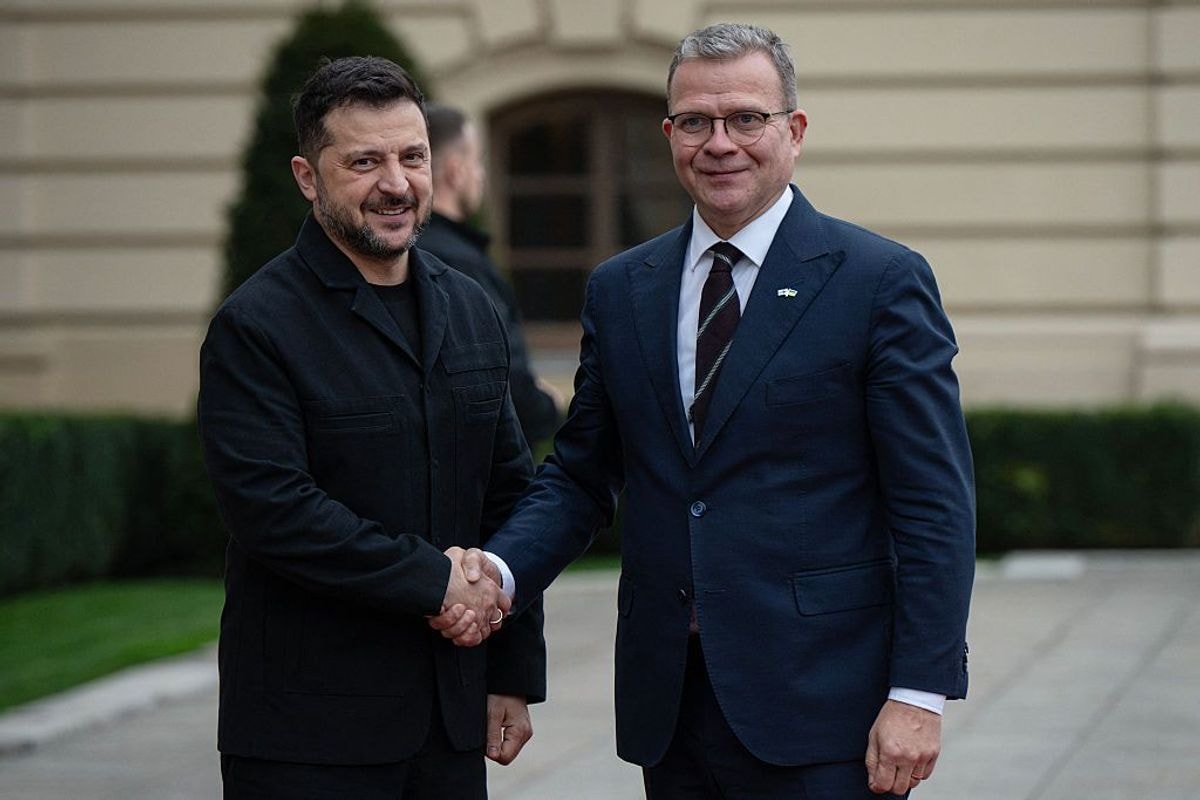
"The main purpose of the visit is to show Finland's strong support for Ukraine as the war of aggression continues and the country prepares for the winter," the Finnish government said.
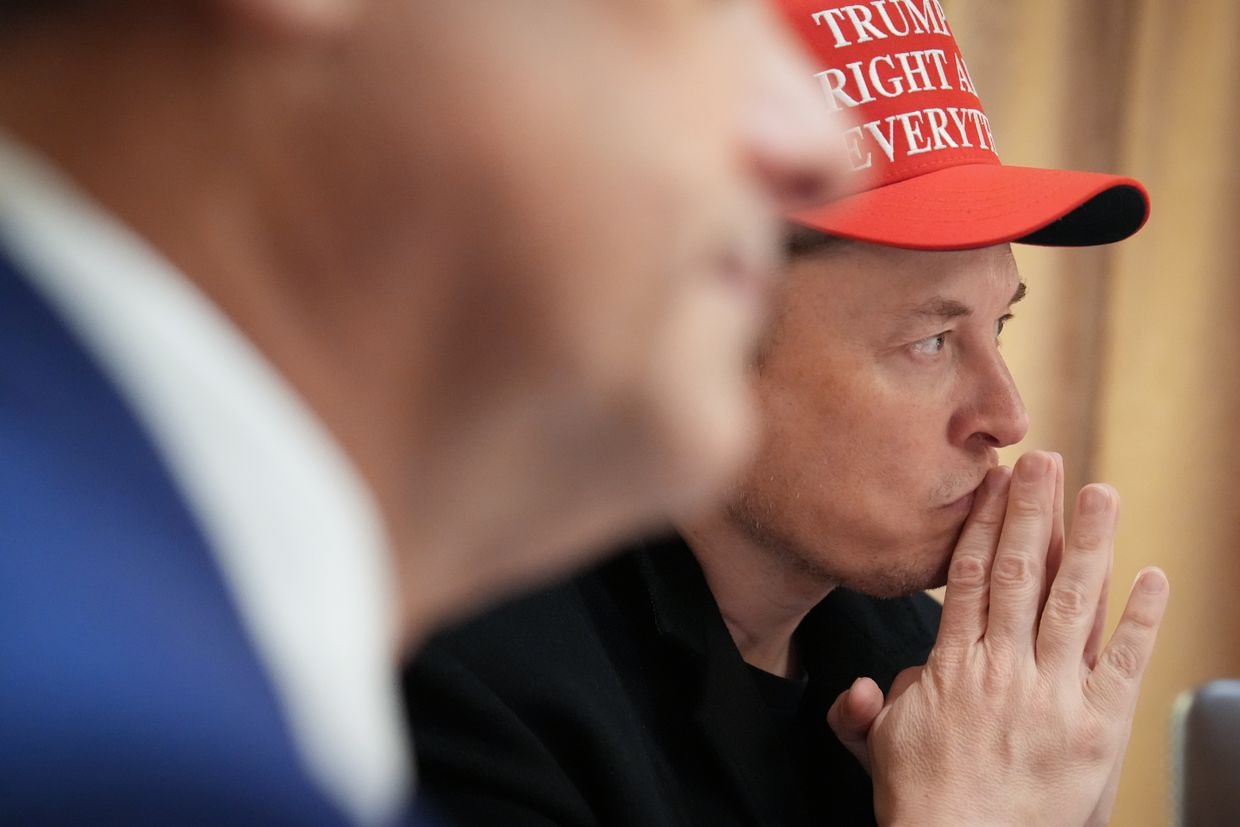
"Overall, nothing has changed anywhere," a Ukrainian official told the Kyiv Independent on Oct. 22. Starlink's speed cap of 161 kilometers per hour remains in effect, the official said.
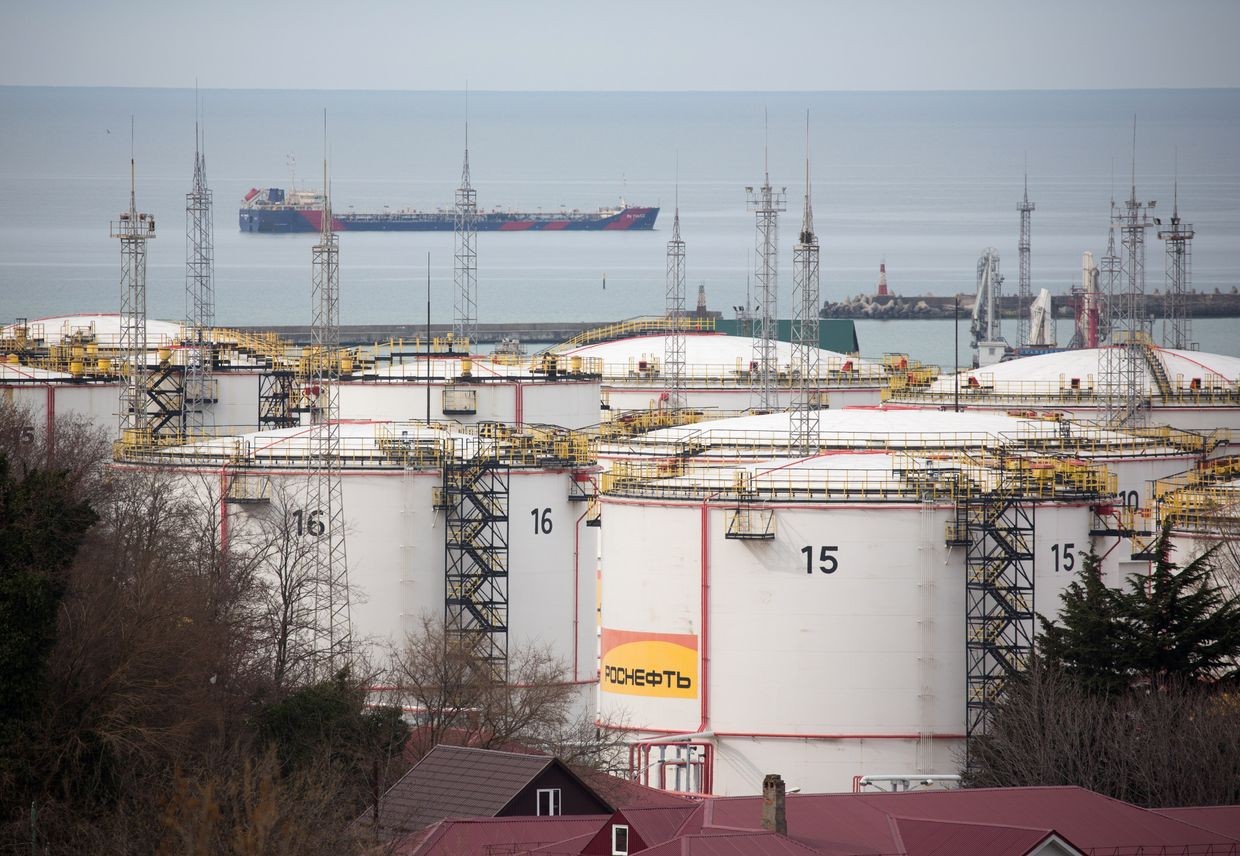
Officials at Rosneft have privately voiced concerns that even a few more months of Ukraine's continued attacks could lead to lasting damage for the company.
Got an opinion on anything you've read in the Kyiv Independent? Send it to letters@kyivindependent.com — your letter may appear in our Letters section. Mark Cary, United States member I vividly remember when the Soviet Union collapsed. I was in my second year in college studying the history, ideology, and global influence of this dictatorship in an academic concentration called "Soviet and Eastern European Studies." In 1989, the world felt joy and hope when the Berlin Wall fell. Once that

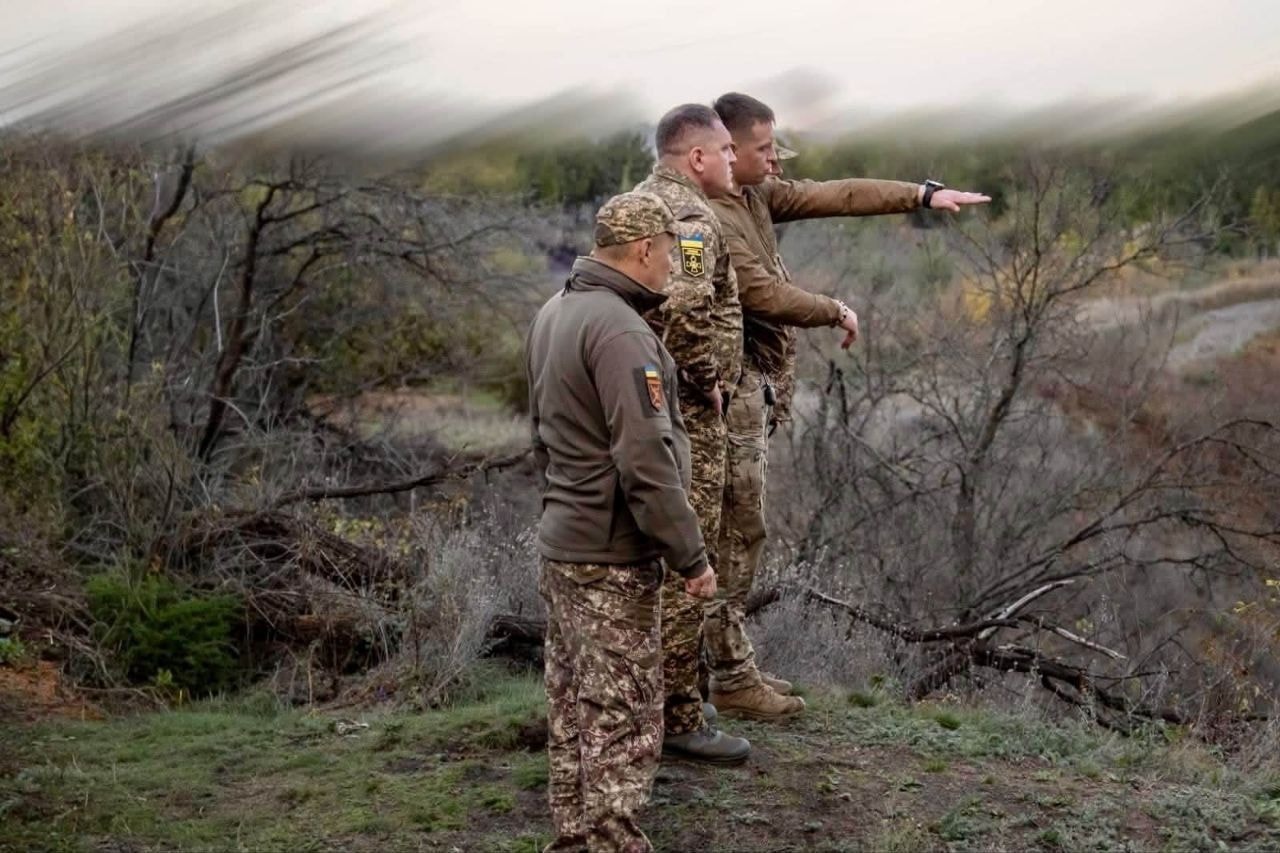
The operation, code-named "Veles," was carried out by the 2nd Khartiia Corps together with other Ukrainian units, according to the corps.
The Kyiv Independent’s Business Desk covers the biggest news in business, economics, and tech from Ukraine, as well as global developments that shape the economy of the region.
President Volodymyr Zelensky has spent much of the past two years trying to win over Donald Trump. Flattery, constant meetings, and carefully calibrated concessions have become hallmarks of his dealings with the U.S. president. But the strategy has failed, prompting Zelensky to change course and adopt a more confrontational tone. "Frankly, Trump has crossed the Rubicon," a Ukrainian official told the Kyiv Independent, summing up the mood in Kyiv following Washington's latest deals with Moscow