Ukraine's new strikes make Russians ask questions
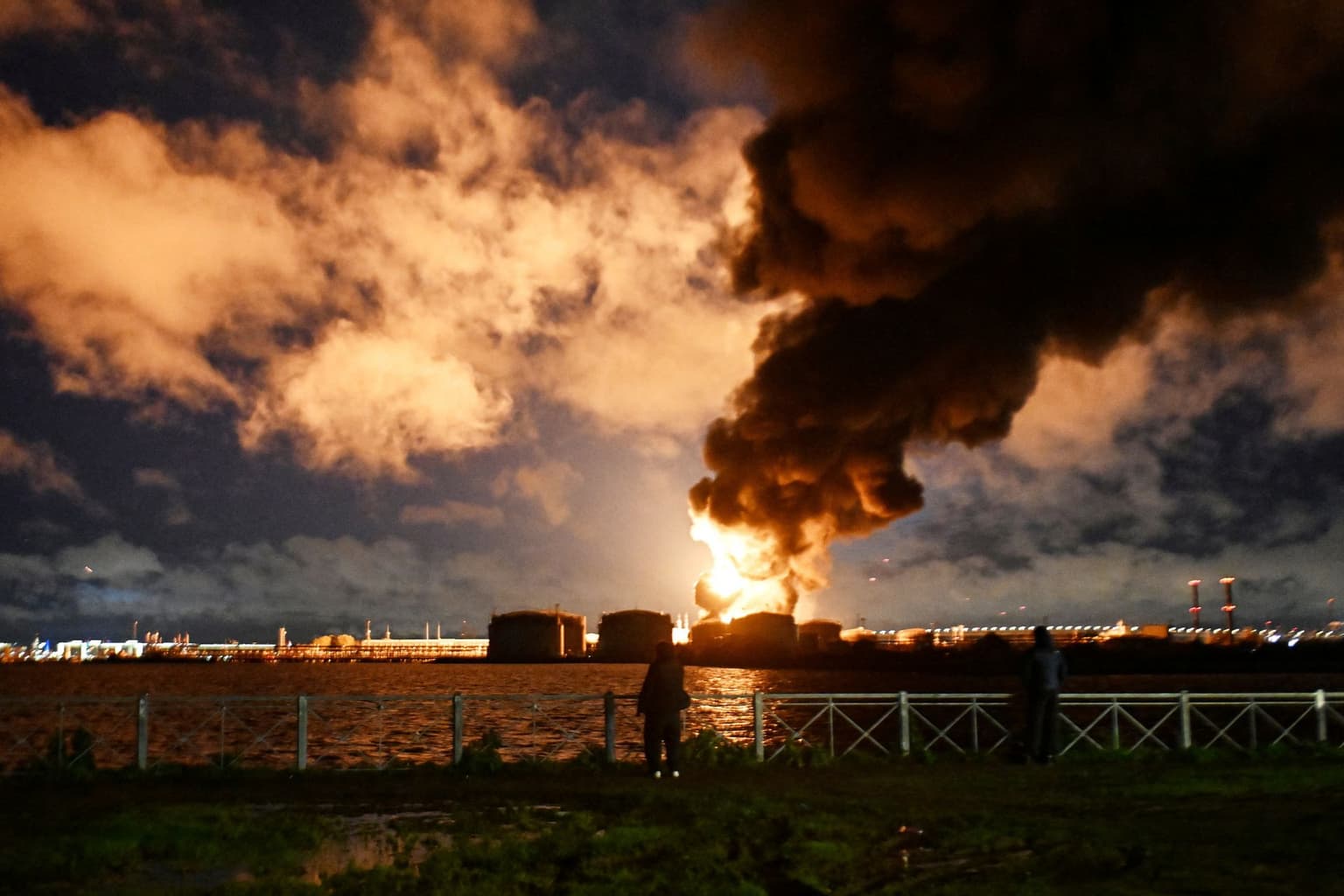
People watch an oil terminal burn following an air attack in Saint Petersburg, Russia, on Oct. 18, 2026. (AFP via Getty Images)
 on Google

Liubov Tsybulska
Director of Join Ukraine
In the second half of October, with Washington pressing Kyiv, Ukraine went almost two weeks without hitting Russian refineries. Still, Kyiv carried out other attacks, now focused on different targets in Russia, like airfields and plants that feed Moscow's missile production.
We looked at how Russia's regional online communities reacted and found that a new kind of target draws more attention than one more strike on a familiar one, making Ukraine's new attacks even more visible in Russian social media
In mid-October, Russian President Vladimir Putin claimed that Ukraine's latest attacks on oil refineries had caused no significant damage. Some of the regional communities on VKontakte and Telegram that we monitor at Join Ukraine repeated his remarks.
"Then why is there a fuel shortage?" was among the most popular comments under such posts. "Of course, with petrol and gas prices this high, we'll end up paying for the repairs to your damaged refineries," others wrote jokingly.
By striking oil refineries, Ukraine has found a weak spot in Russia, one that hurts its economy, its government, and its population.
This summer, oil refining fell to its lowest level in more than 20 years. Petrol prices rose by 21% in the first nine months of 2026, while people in a country that sells oil to the entire world found themselves queuing at gas stations and openly complaining about the situation.
Regional communities posted actively about the shortages, with discussions continuing for weeks and even months.
In October, pressure began mounting on Ukraine to halt these strikes.
After speaking with Putin, American President Donald Trump announced that the U.S. would receive Russian diesel, then, two days later, declared an "energy ceasefire" between Russia and Ukraine.

Ukraine halted strikes on oil refineries for three days. During that time, Russia launched 39 ballistic missiles at energy infrastructure in Kyiv and Kharkiv. The ceasefire effectively ended there, but Washington continued to apply pressure.
The Wall Street Journal reported that Ukrainian military personnel had been told to stop striking oil refineries in mid-October. Kyiv denies this, but by the end of the month, nearly two weeks had passed without such strikes.
The pause benefited Russia.
According to estimates, oil refining had recovered noticeably by the end of the month. As for the public reaction to the diesel deal itself, Russians were largely negative in their comments.
One of the most popular remarks was: "The main thing is that the diesel makes it to the enemy."
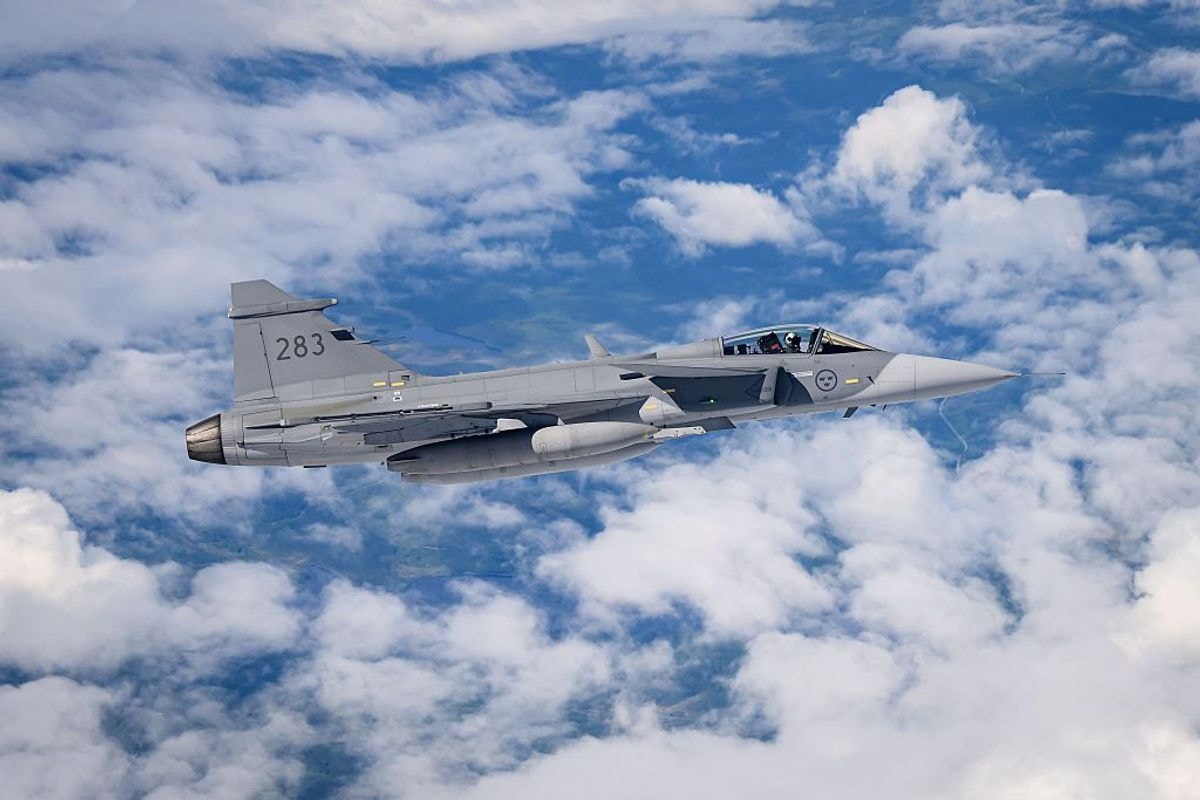
Long-range strikes continued, however, and in the second half of October, targets that had previously received less attention came to the fore. Neptune missiles destroyed several Su-34 fighter-bombers at the Borisoglebsk airfield (according to British intelligence estimates, between two and four).
Strikes then reached factories supplying Russia's missile industry. Proton in Oryol, according to Ukraine's military intelligence, supplies electronic components for the Iskander-M missile system. Energia in Yelets manufactures batteries for missiles and guided aerial bombs, while the Kamensky Chemical Plant produces solid rocket fuel.
It remains unclear whether these strikes will reduce missile production, but hitting the supply chain behind ballistic missiles, a key component of Russia's terror campaign, is necessary.
It is difficult to describe these factories as anything other than military targets, and Russians understand this too.

Following the strike on Proton on Oct. 23, Oryol Governor Andrey Klychkov wrote: "Another enemy missile attack on a civilian facility." The largest Oryol community on VKontakte reposted his statement, and commenters immediately asked: "And what kind of civilian facility was that?"
One commenter wrote: "Components for civilian Iskanders — that's quite a claim." In the first three days, Oryol communities published 105 posts about the strike, but only one named the factory. The comments, however, make clear that locals know perfectly well what is produced there.
Two days later, the same community published a post titled "Russia's retaliation for Oryol rains down on Kharkiv."
The most popular comment underneath read: "This could go on until the end of our lives. The deaths will never stop."
Another commenter compared the targets: "Once again, they hit a Ukrainian shopping mall and gas station, while the Ukrainians took out another Ozon warehouse and a factory... in Omsk." In another Oryol community, a comment beginning with the words "Fairy tales for preschoolers!!!" received the most likes under a similar post.
Judging by these reactions, the Russian public appears to have lost some faith over the years in the claim that Russia "hasn't even started yet."
These reactions were not limited to Oryol.
In communities in Oryol, Perm, Rostov, Samara Oblast, and Smolensk, we found 11 posts from October and early November about Russian strikes on Ukraine.
The comments varied, but none of the most popular ones expressed enthusiasm. In Rostov, one commenter wrote under a report on a massive attack: "Something doesn't add up. We're supposedly destroying everything, yet the missiles and drones keep coming. Smells like falsified reporting."
"If we hadn't started this war, we would be peacefully walking in the park right now."
In Arkhangelsk, someone asked under a report on drones shot down overnight: "Why are you silent about the defense industry plants in Oryol and Yelets, the chemical plants in Novomoskovsk and Sterlitamak... If this continues, Severodvinsk's Sevmash plant will get hit too..."
In Tolyatti, on Oct. 24, one of the most popular comments under a post about one of the largest attacks on the city read: "If we hadn't started this war, we would be peacefully walking in the park right now."

There are also commenters calling for even stronger strikes, but they are less visible and seem less convincing to local audiences.
Judging by these reactions, the Russian public appears to have lost some faith over the years in the claim that Russia "hasn't even started yet."
Strikes on oil refineries, meanwhile, were no longer attracting the same level of attention.
In September, while the strikes were still ongoing, people posted about fuel shortages half as often as they had in July. When drones first reached the Omsk Oil Refinery in July, 313 posts about the attack appeared across 46 regions within three days.
The second strike on the same facility in October generated 133 posts across 14 regions.
Strikes on oil refineries had been repeated for months, and people had grown accustomed to them. Among the October strikes, regional communities posted most extensively about attacks on the data centers of Yandex, Sber, and VK, which Ukraine began targeting that month.
"Such strikes resonate much more strongly with Russian society and once again prompt it to ask the most important question of its leaders: "Why did Putin and the Russian elite start this war in the first place?"
These attacks generated 1,908 posts across virtually every region.
Strikes on oil refineries resumed on Oct. 30. During the first week, posts about them on VKontakte attracted noticeably more views and comments than they had at the beginning of the month.

In Smolensk, the most popular comment under a news report about an attack on the Yaroslavl Oil Refinery read: "So I guess it's too early to put the jerrycan away in the garage."
The next most popular comment said: "When the 'special military operation' was happening somewhere far away, everyone was fine with it. But now that our factories are getting hit, it's a REAL WAR!!"
One week is too short a period to draw conclusions, but so far, it appears that after the pause, these strikes are once again attracting attention.
The pause in strikes on oil refineries was imposed under pressure and gave Russia some breathing room. Yet in the second half of October, Russia not only lost fighter-bombers at its own airfield but also saw strikes on factories producing electronics, batteries, and fuel for its missiles.
The governor had to describe one such factory as a civilian facility to people who know perfectly well what it manufactures, while the same audience greeted reports of retaliatory strikes without any particular enthusiasm.
Our data suggest that new targets attract more attention in Russia than yet another strike on a familiar one.
Ukraine should therefore continue varying its targets even when no one is pressuring it to stop. Such strikes resonate much more strongly with Russian society and once again prompt it to ask the most important question of its leaders: "Why did Putin and the Russian elite start this war in the first place?"
Editor's note: The opinions expressed in the op-ed section are those of the authors and do not purport to reflect the views of the Kyiv Independent.
read also