America keeps forgetting what the Holodomor taught us about Russia
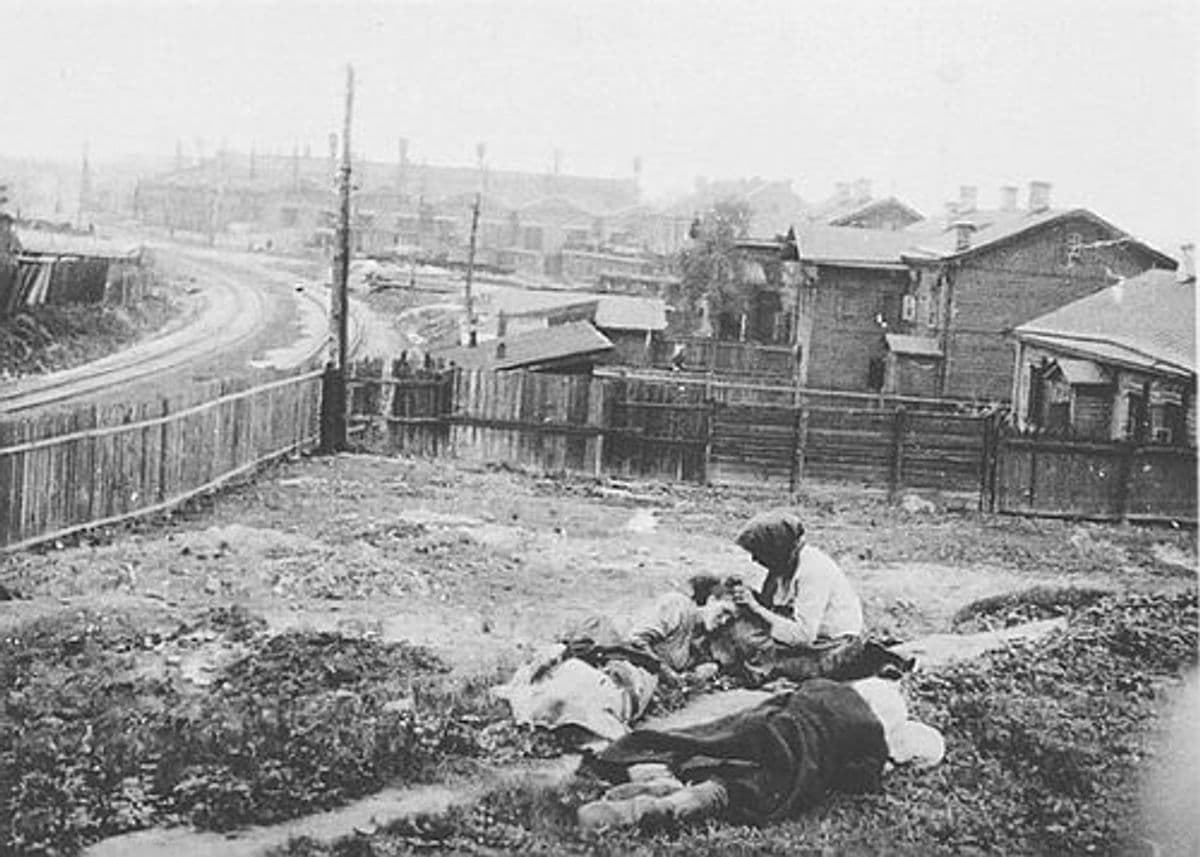
People suffer from starvation during the Holodomor, a famine imposed by Soviet authorities, left millions of Ukrainians dead in Soviet Ukraine in 1932–1933. (Alexander Wienerberger)
 on Google
Andrew Chakhoyan
Academic director at the University of Amsterdam
One can hardly imagine a more agonizing way to die or a more cruel act than to deliberately and knowingly starve millions of people. Women. Children. The elderly.
This is what Moscow did to Ukraine nearly a century ago for daring to dream of independence.
Today, as evidence of Russia's eliminationist objectives and unspeakable war crimes mounts, many still tread carefully around the "G" word. Raphael Lemkin, the very man who coined the term, described Moscow's attempt to erase the Ukrainian nation in 1932–33 as "the classic example" of genocide.
Every November, as Americans gather around their Thanksgiving tables, Ukrainians around the world light candles in remembrance of the Holodomor, which claimed the lives of more than one in eight inhabitants of their native, beloved land.
Following the collapse of the tsarist empire in 1917, Ukraine declared independence in January 1918.
The Russian Bolsheviks rode in on the white horse of proletarian emancipation, promising a better world free of oppression and suffering, pointing their sanctimonious finger at Western imperialism as the root of all evil. In the same breath, these self-proclaimed liberators asserted Moscow's right to subjugate, oppress, and murder anyone they could get their bloodstained hands on. Ukrainians included.
By 1922, through war and mass violence, Moscow had reconquered much of its former imperial domain. Then as now, Russia liberates its neighbors by occupying them, saves the lives of its "brothers" by murdering them in cold blood, and brings prosperity through plunder and exploitation.
I grew up in Soviet-occupied Ukraine.
At school, we were taught about the famine through the prism of the oh-so-righteous "class struggle." Peasants who resisted collectivization were enemies of progress. Враги народа, or "enemies of the people," to borrow Stalin's phrase.

Families trying to keep their children from starving were, in my teachers' telling, hoarding grain. It took me years to grasp the enormity of the crime.
In 1933, Americans, too, were fed a perverted version of reality by the very man entrusted with bringing them the truth.
"You can't make an omelet without breaking eggs," quipped Walter Duranty, the Pulitzer Prize-winning Moscow correspondent of The New York Times. While publicly dismissing reports of mass starvation as a "scare story," he privately acknowledged to a British diplomat that Ukraine "had been bled white."
Duranty knew that Stalin was starving Ukrainians to death but chose to lie.
Americans remember the confrontation with the USSR as a struggle between freedom and tyranny. Right and wrong. But how many Americans are aware that on Nov. 16, 1933, the very year Moscow perpetrated genocide against the Ukrainian nation, President Franklin Roosevelt formally recognized the Soviet Union?
At a celebratory banquet at New York's Waldorf Astoria, Duranty received a standing ovation. The man who failed to tell the world about mass starvation was being applauded over dinner in America.
Another episode the apostles of American infallibility would rather forget is George H.W. Bush's infamous "Chicken Kyiv" speech of 1991, in which an American president admonished Ukrainians against pursuing independence from Moscow's suffocating stranglehold.

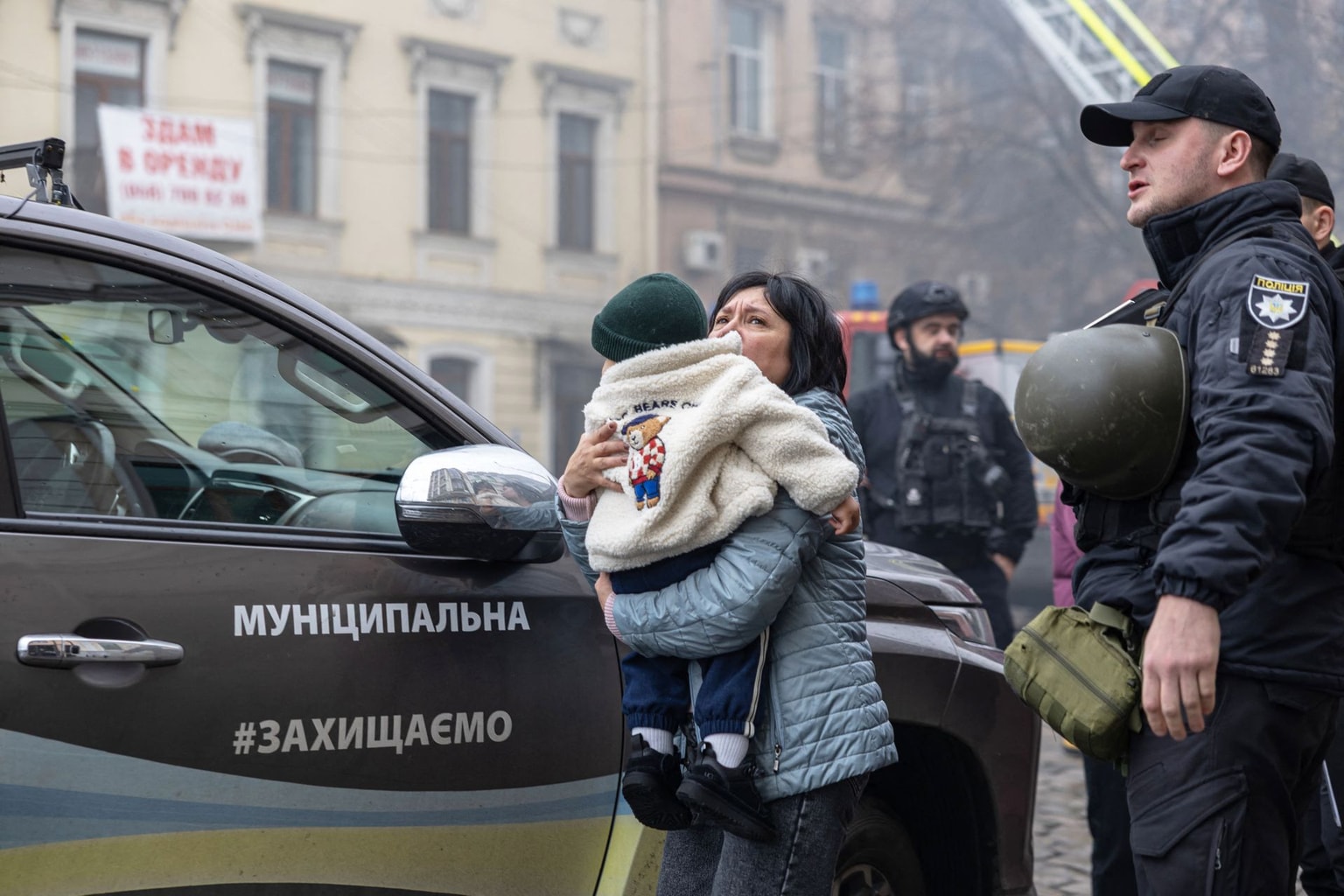
Three years later, Washington was back at it, persuading an independent Ukraine to relinquish the world's third-largest nuclear arsenal in return for security assurances enshrined in the Budapest Memorandum. Ask Ukrainians how much that helps when Russian bombs explode next door and when parents carry their children to the grave in tiny caskets.
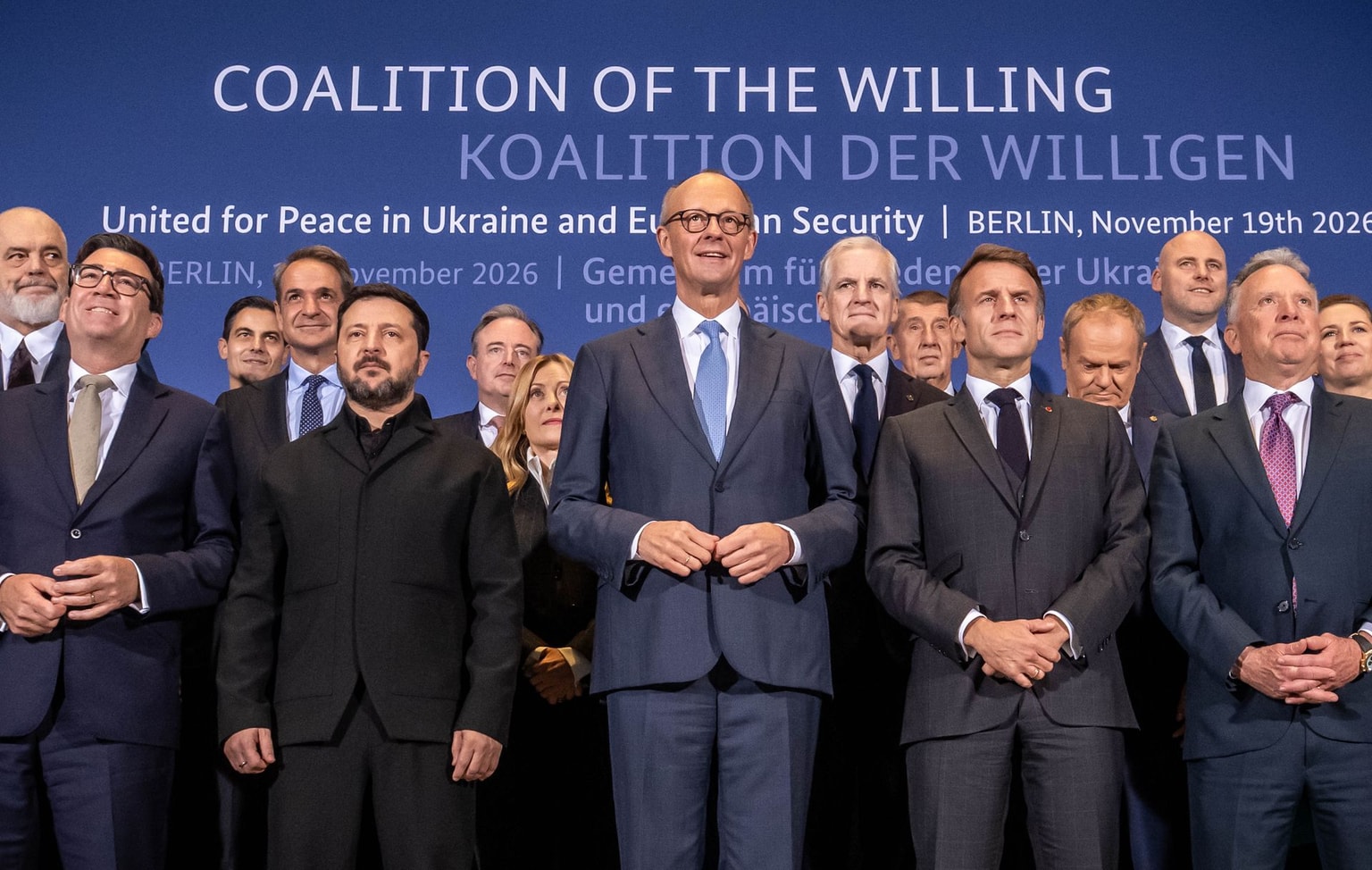
Nearly a century after the Holodomor, as Washington once again seeks accommodation with Moscow at Ukraine's expense, one wonders how much America has learned from this shame-ridden history. Every betrayal unacknowledged is a betrayal repeated.
To understand why Moscow keeps rejecting every peace overture, consider what Ukrainian philosopher Volodymyr Yermolenko calls an imperialism of "imposed sameness."
In July 2021, Vladimir Putin published an essay proclaiming Russians and Ukrainians to be one people. Seven months later, hundreds of thousands of Russian soldiers violated the borders of a sovereign neighbor to bring death and destruction to Ukraine for the crime of being Ukrainian.
UN investigators have classified Russia's deportation and forcible transfer of Ukrainian children as crimes against humanity.
In 1933, Moscow's Chekists, the institutional forebears of the KGB in which Putin found his calling, made sure starving Ukrainian peasants remained in their villages to die. They were denied the internal passports needed to travel in the Soviet police state.
In an eerie echo of the Holodomor, residents of Russian-occupied Oleshky were reduced to eating weeds in 2026. It took the intervention of Pope Leo XIV and Melania Trump to secure a humanitarian ceasefire, allowing hundreds to escape the starvation to which Russian invaders have condemned them. On the occupied Kinburn Spit, some 100 civilians, mostly elderly, are running out of food and medicine, their escape obstructed by Russian troops.
In March 2025, Ukraine accepted America's proposal for an unconditional ceasefire. Moscow has spent the intervening twenty months manufacturing excuses to keep its war going.
A Ukrainian nation that survives and thrives outside Moscow's orbit challenges the very premise on which Russian imperialism, and thus a Moscow-centered state, rests.
The peace Washington seeks hinges on forcing the Kremlin to accept the very thing Stalin sought to extinguish nearly a century ago: the right of Ukrainians to exist as a nation, as a free people who will not bow to a mad tsar.

Editor's note: The opinions expressed in the op-ed section are those of the authors and do not purport to reflect the views of the Kyiv Independent.