US resumes intel sharing on Russian missile launches with Ukraine, Zelensky says
 on Google


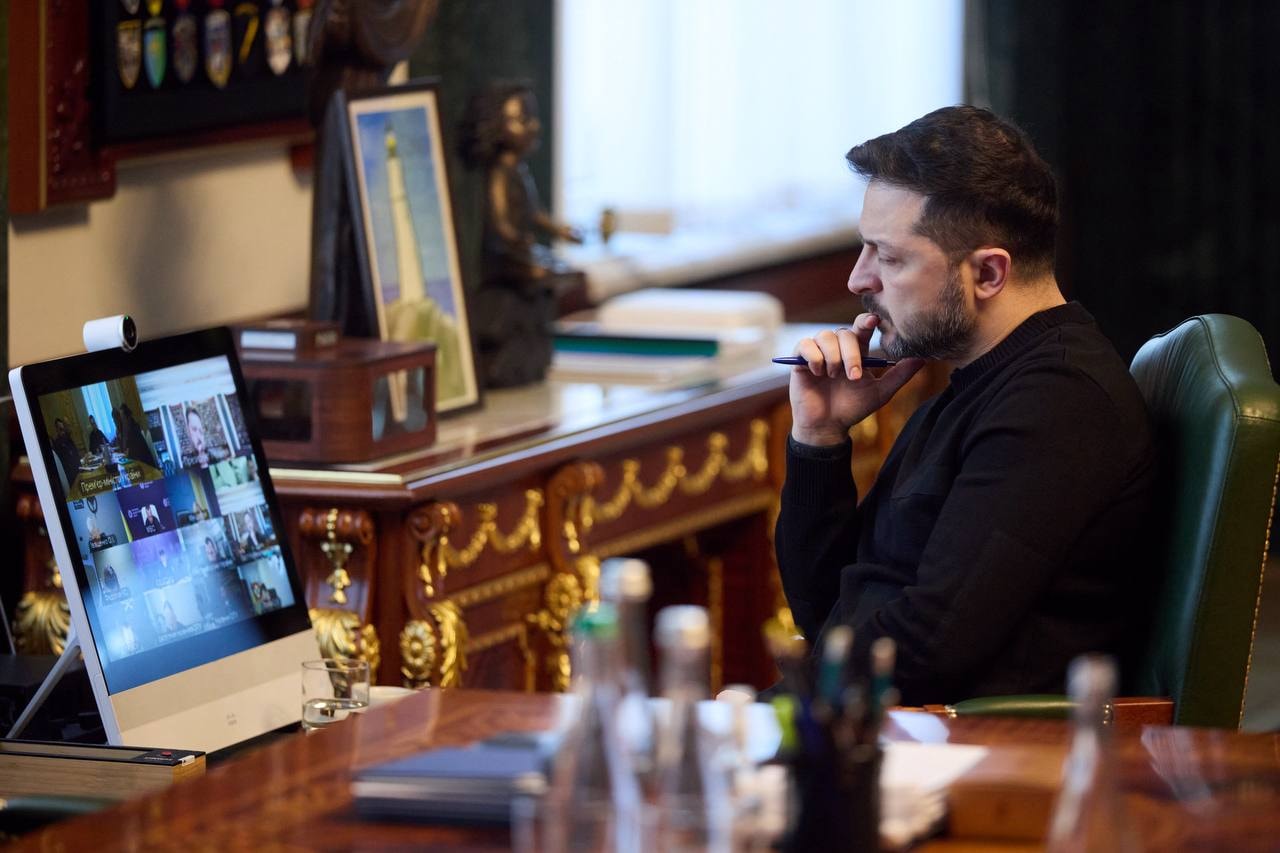
The United States has resumed sharing intelligence about incoming Russian ballistic missiles with Ukraine after a pause lasting several days, President Volodymyr Zelensky told NBC News' "Meet the Press" in an interview published on Oct. 18.
"Only the United States has this unique intelligence to tell our side when Russia uses ballistic missiles. We didn't receive it during ballistic attacks for three days," Zelensky said.
The U.S. provides Ukraine with intelligence to help its military detect and track Russian missile launches and other aerial threats. Zelensky said the issue had since been resolved and thanked Washington for restoring intelligence sharing.
"We are very thankful for this," he said. "Now it works."
At the same time, he said Ukraine was still experiencing an ongoing speed restriction on its use of Starshield — the militarized version of SpaceX's Starlink satellite internet system
Asked whether U.S. President Donald Trump or SpaceX CEO Elon Musk had personally ordered the restrictions, Zelensky said he did not know but believed "both" were involved. He added that if Trump decided to lift the restrictions, the service would return to its previous state.
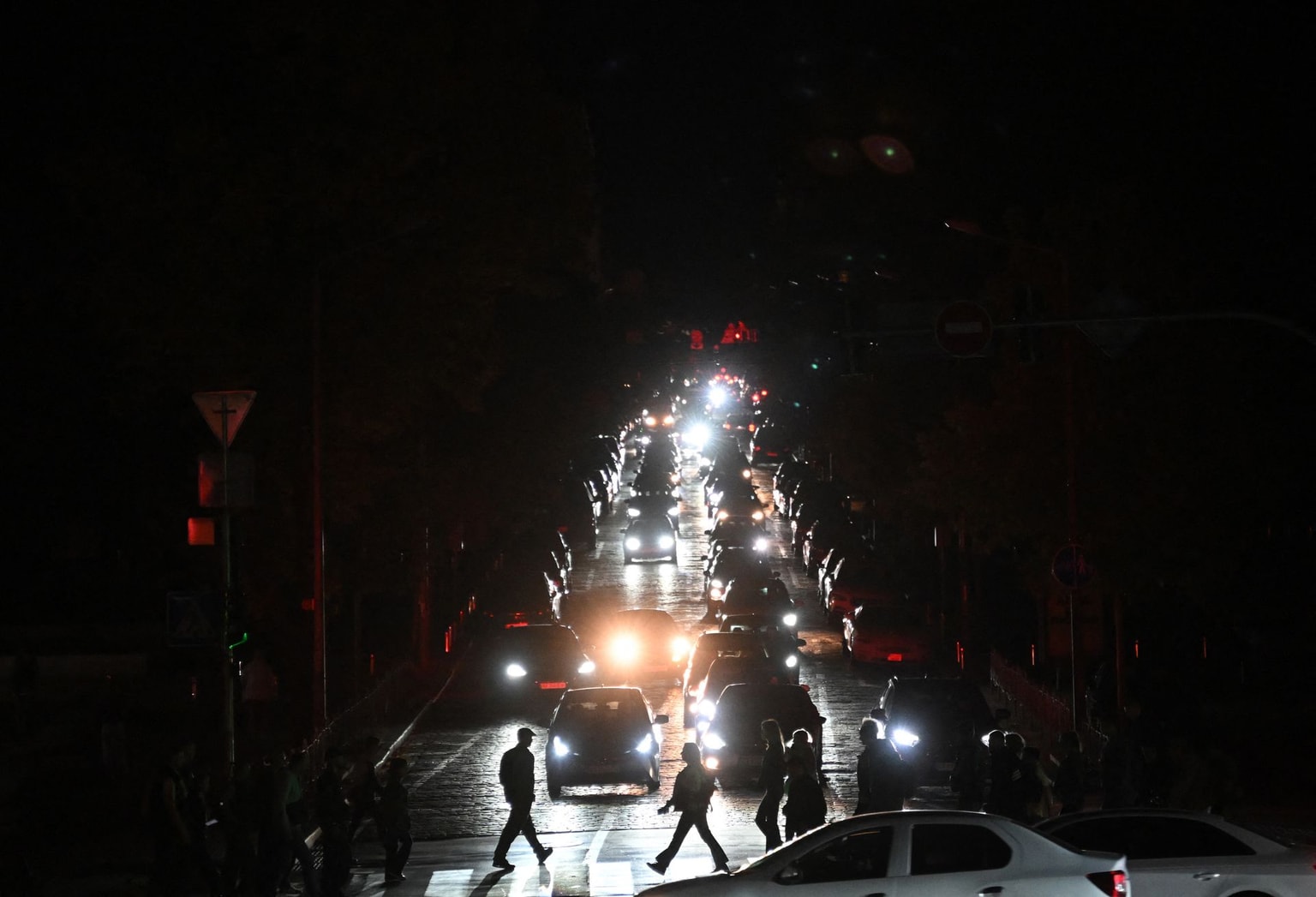
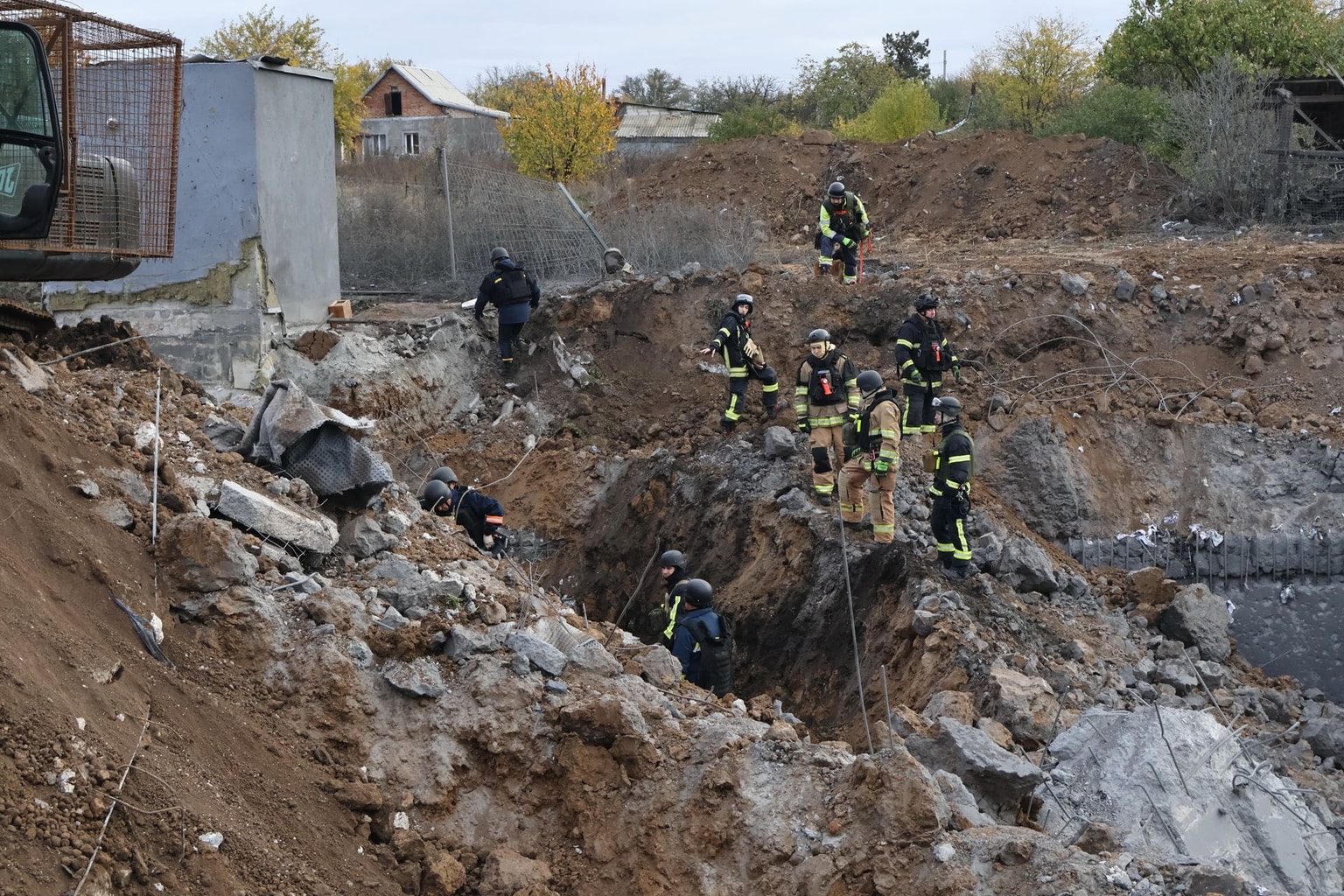
The resumption of intelligence sharing follows a Russian missile attack on Kyiv on Oct. 12, when five Russian S-400 missiles struck the Ukrainian capital, causing "massive explosions." Air raid sirens and mobile alerts sounded only after the attack.
A senior Ukrainian official previously told the Kyiv Independent that Ukraine's military leadership contacted its U.S. counterparts after the strike to clarify what had happened.
"They say they didn't cut it off, but they didn't warn us (about the attack) either," the official said. "The Americans said they just didn't see (the launch)... That's a weak excuse."
The incident came amid broader tensions over U.S. support for Ukraine. The Kyiv Independent earlier learned that the Trump administration had threatened senior Ukrainian military and government officials in a push to protect Russian oil refineries.
Zelensky also told NBC that if thet U.S. chooses to support Russia over Kyiv, consequences would be dire — for both the Ukraine and the United States.
Such a move would be a "historic mistake" for Washington, Zelensky said. A U.S-Russia alliance would also destroy Ukraine's chances of defending itself against the full-scale invasion.
"“If these two countries will be together ... we will not prevail, and we will not be able to stand," Zelensky warned.
But the president also expressed hope that talks with the U.S. could take place next week, despite the ongoing difficulties between Kyiv and Washington.
"I'm very open to this, even with all the difficult circumstances," he said, estimating that a meeting could take place on Oct. 20-21.
Zelensky also denounced Kremlin narratives — sometimes repeated by Trump — that he opposes democratic elections in Ukraine.
If the U.S. and Russia believe Ukraine must hold elections during wartime, Moscow must grant Kyiv an unconditional ceasefire for 60 days, he said. The president said he made it clear that a minimum of 60 days was necessary for Ukraine to change its laws, prepare election infrastructure, and guarantee soldiers the opportunity to vote.
"If you think that I don't want elections, it's not true, and it's not fair," he said.
Zelensky said he would run for office again if elections were held during wartime, citing a responsibility to continue defending his country.