Marco Rubio says Trump's Russian oil sanctions waiver is a '60-day pause,' denies restricting Starlink access
 on Google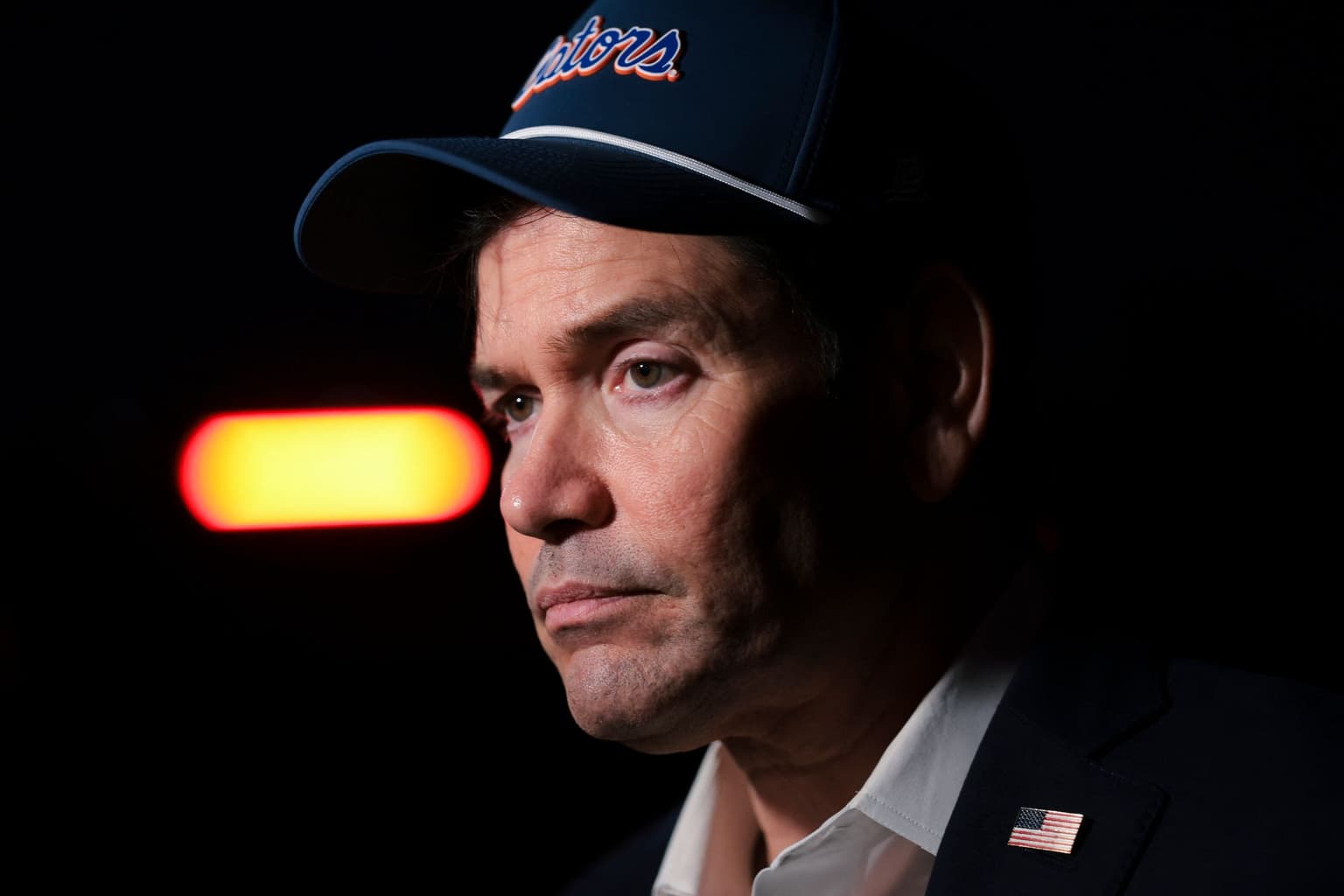
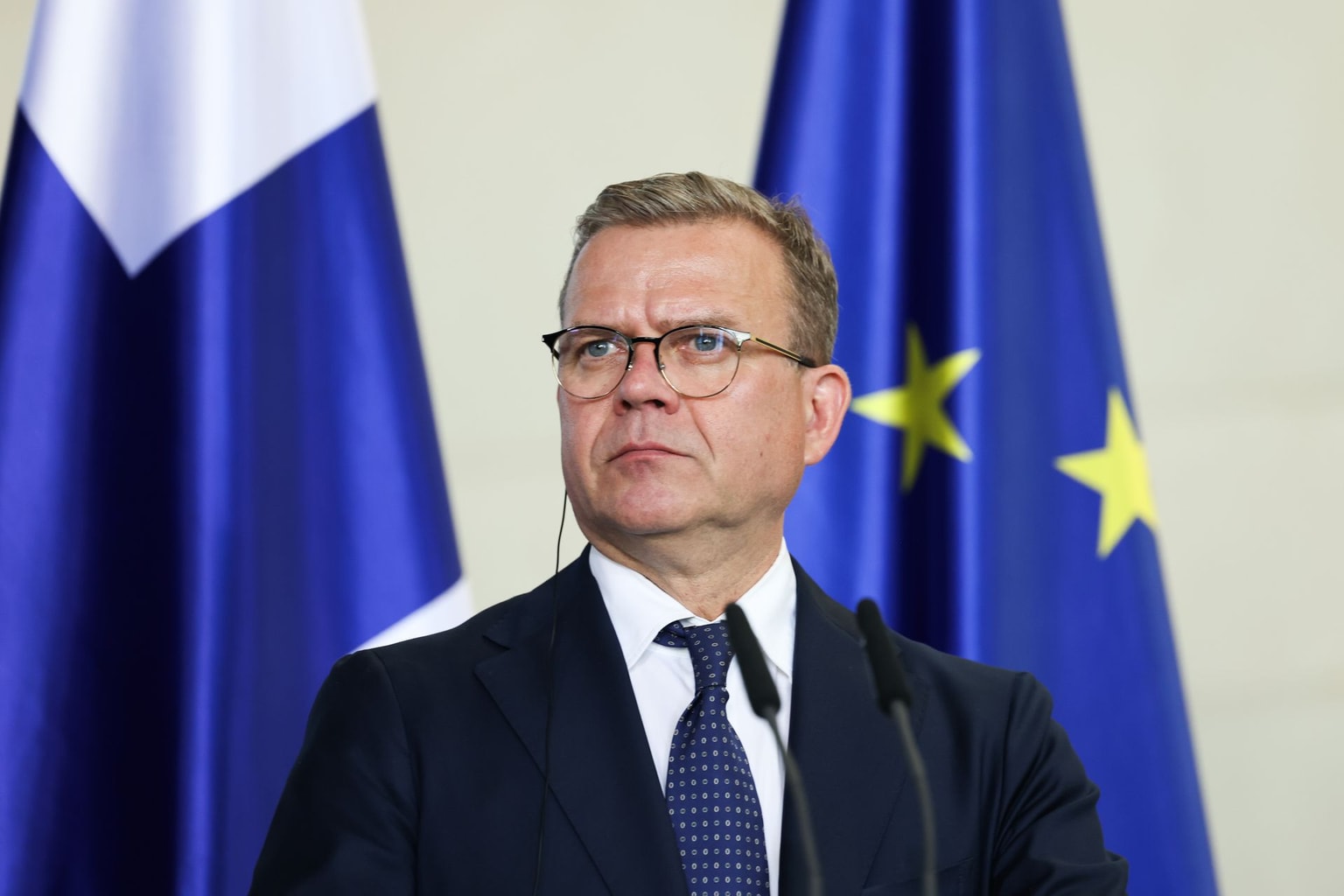
Speaking with reporters on Oct. 18, U.S. Secretary of State Marco Rubio detailed U.S. President Donald Trump waiving sanctions on the sale of Russian oil and addressed issues surrounding Ukraine's access to Starlink services.
When asked to respond to criticisms of Trump waiving sanctions that restrict the sale of Russian oil, Rubio said the waiver was a temporary measure to study the policy's impact on the global economy.
"I think the President wants to take the 60-day period of time to sort of analyze what imposing both sanctions and tariffs will mean to the global economy and even to the U.S. economy," said Rubio.
Noting high energy prices around the world as a result of the U.S's war with Iran and the global need for oil, Rubio said that "we need that period of time to sort of study all this and figure out what the right combination is."
The Secretary's comments come following widespread outcries that Trump's move will create a windfall for Moscow, helping it continue attacking and killing Ukrainians.
"Unfortunately, I don't think this is a way to stop (Russian President Vladimir) Putin. On the contrary, he feels joy that he has such support," President Volodymyr Zelensky said about Trump's actions amid a falling out between the two leaders.
Rubio also addressed rumors that the U.S. had a role in limiting Ukrainian access to vital Starlink systems.
"No one at the White House ordered anyone to slow down internet or slow down speed so that certain drones couldn’t use it," Rubio said.
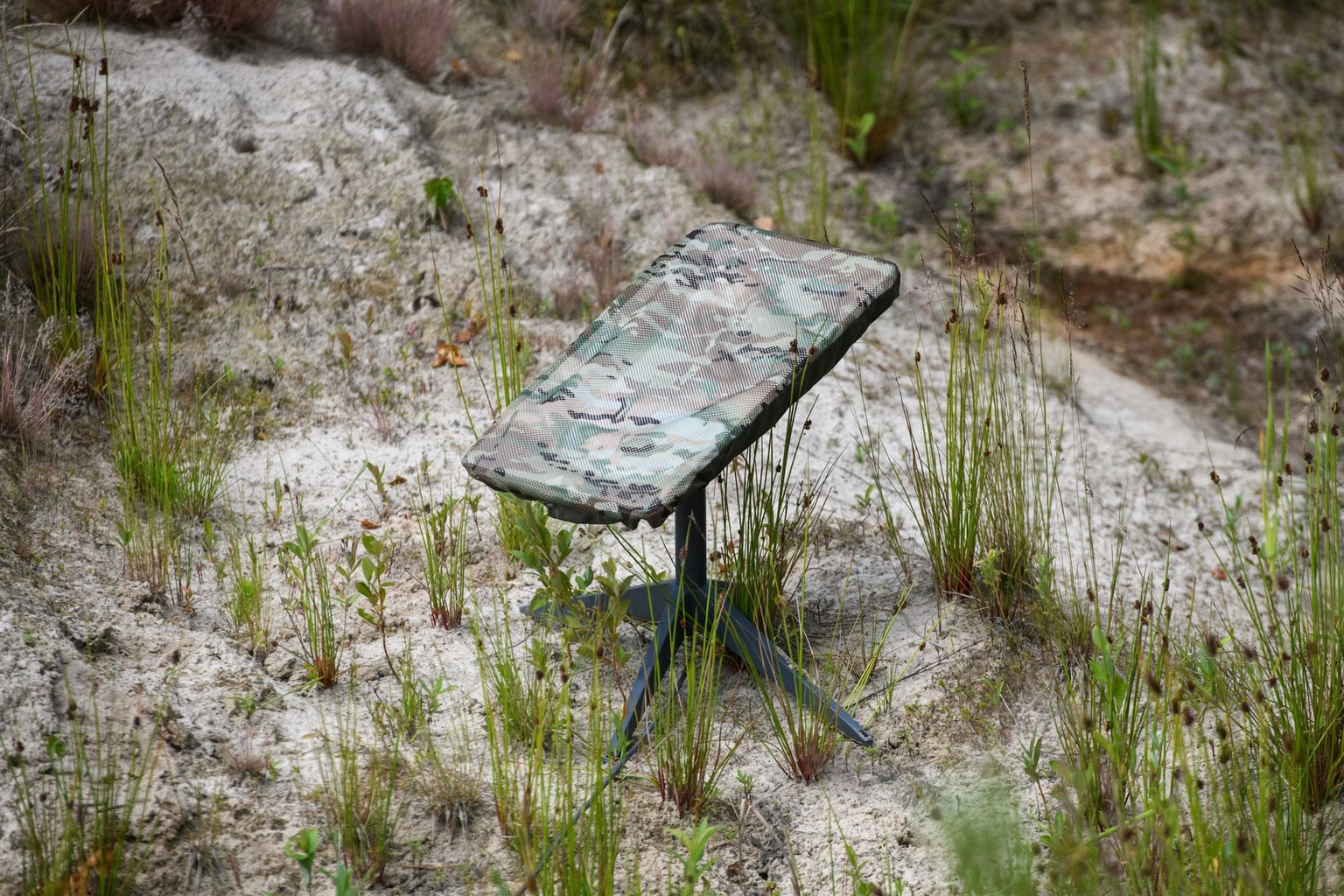
Ukraine relies heavily on Starlink, a satellite internet network operated by SpaceX, for battlefield communications and drone operations, including its campaign against Russian forces and logistics, and interceptor drones used against Russian long-range attack drones.
Ukraine first experienced malfunctions with Starlink systems on Oct. 14, when they began losing connectivity as they approached a certain speed.
While Ukraine reported that connectivity was restored by the next day, Zelensky claimed that a speed limit of 161 kilometers per hour remains in place.
"Some of our interceptor drones use Starlink to intercept the enemy's fast-moving jet-powered drones," Zelensky said.
Multiple media reports have alleged that the issues with Starlink stem from U.S. leadership.
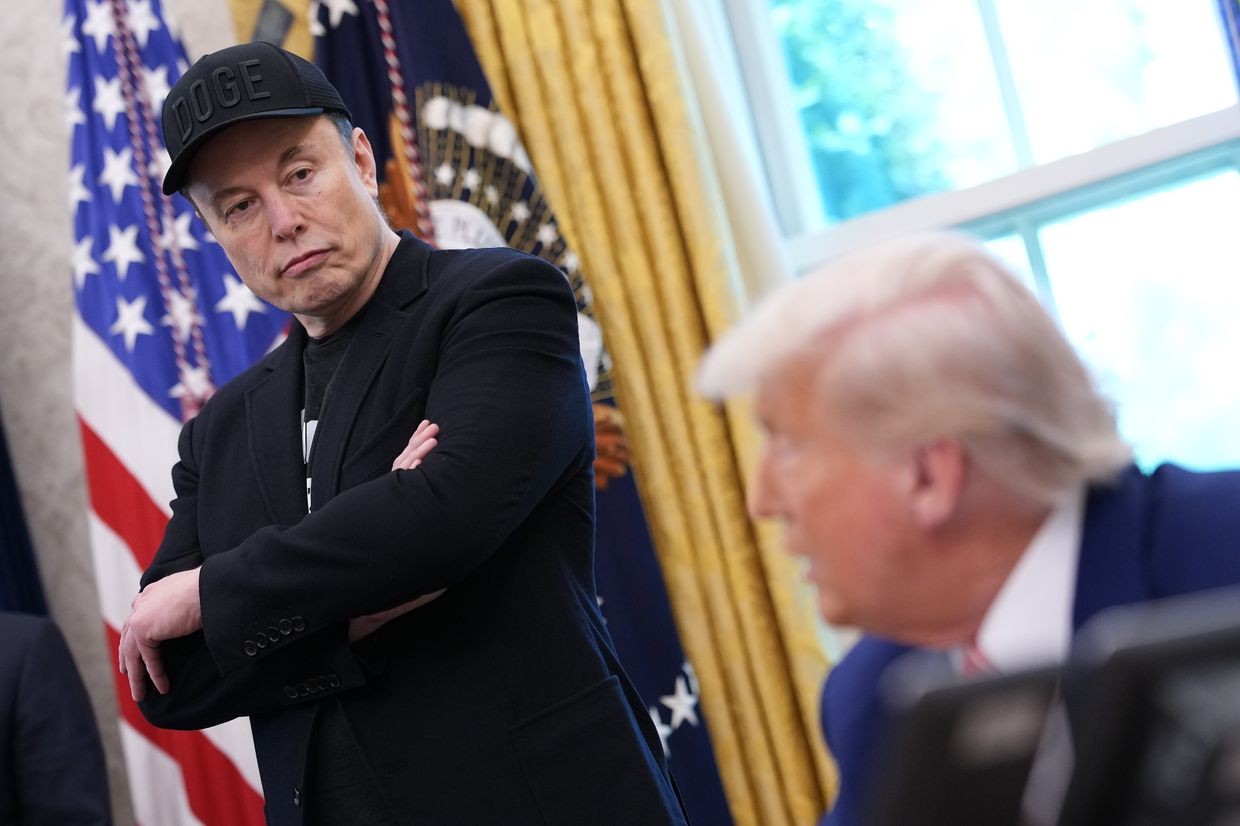
SpaceX CEO Elon Musk approached U.S. President Donald Trump with the idea of restricting Starlink speeds for Ukrainian forces, the Telegraph reported on Oct. 16, citing four sources familiar with the matter.
Conflicting reports about the reason for the cutoff — and who was responsible — have left Ukraine with questions even after Starlink service stabilized on the front lines.
"I don’t know what their theory is, but nothing to do with the White House," said Rubio. "I saw a report on that the other day. It’s just categorically false."
When asked to respond to Zelensky's comments, Rubio pushed back.
"I don’t know what Zelenskyy said," said Rubio. "I’m not sure Zelenskyy knows what he’s talking about, but it wasn’t deliberate. We have nothing to do with that."