'They were both in on it' — Musk suggested Trump restrict Ukraine's Starlink service, Telegraph reports
 on Google
Editor's Note: This is a developing story and is being updated.
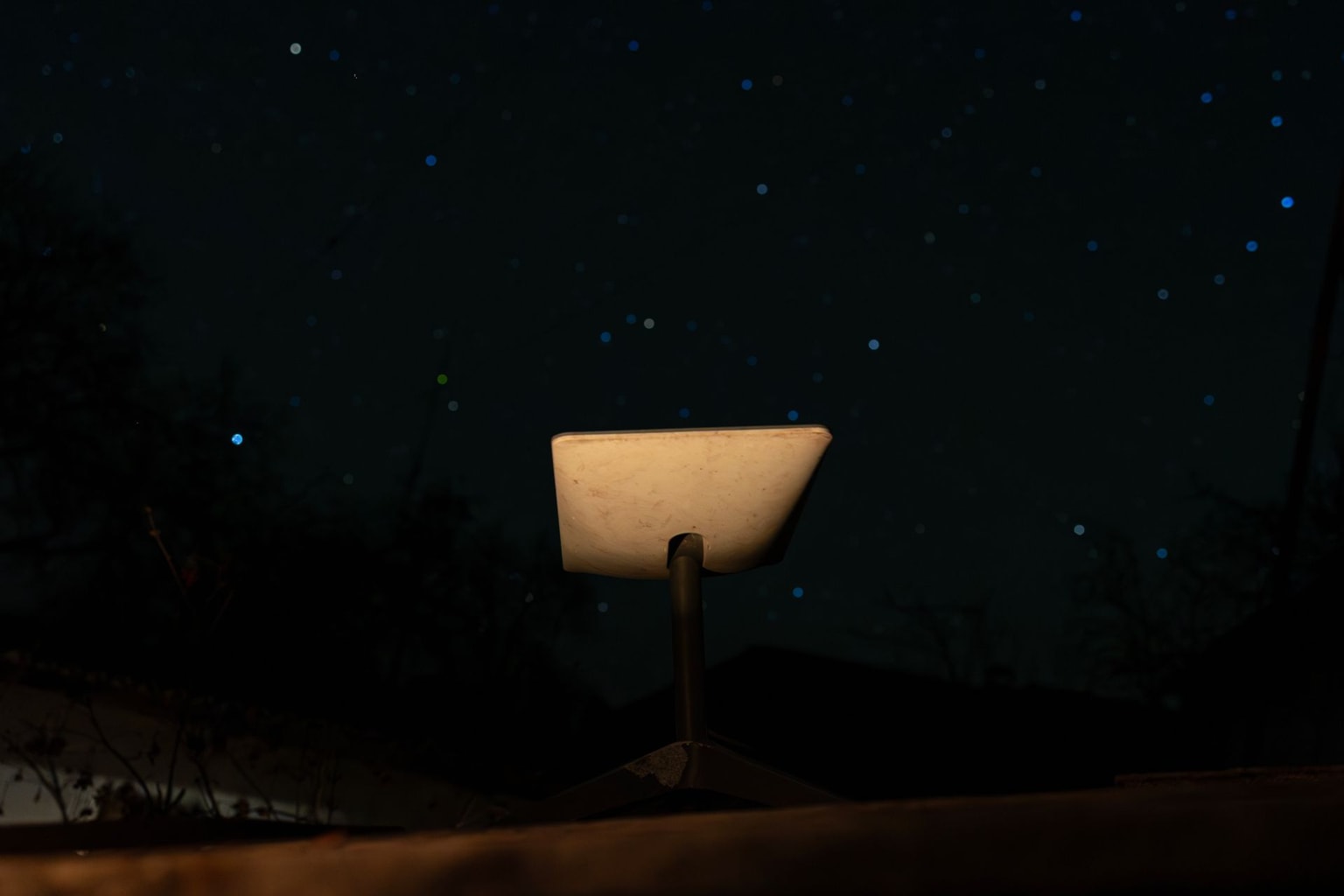
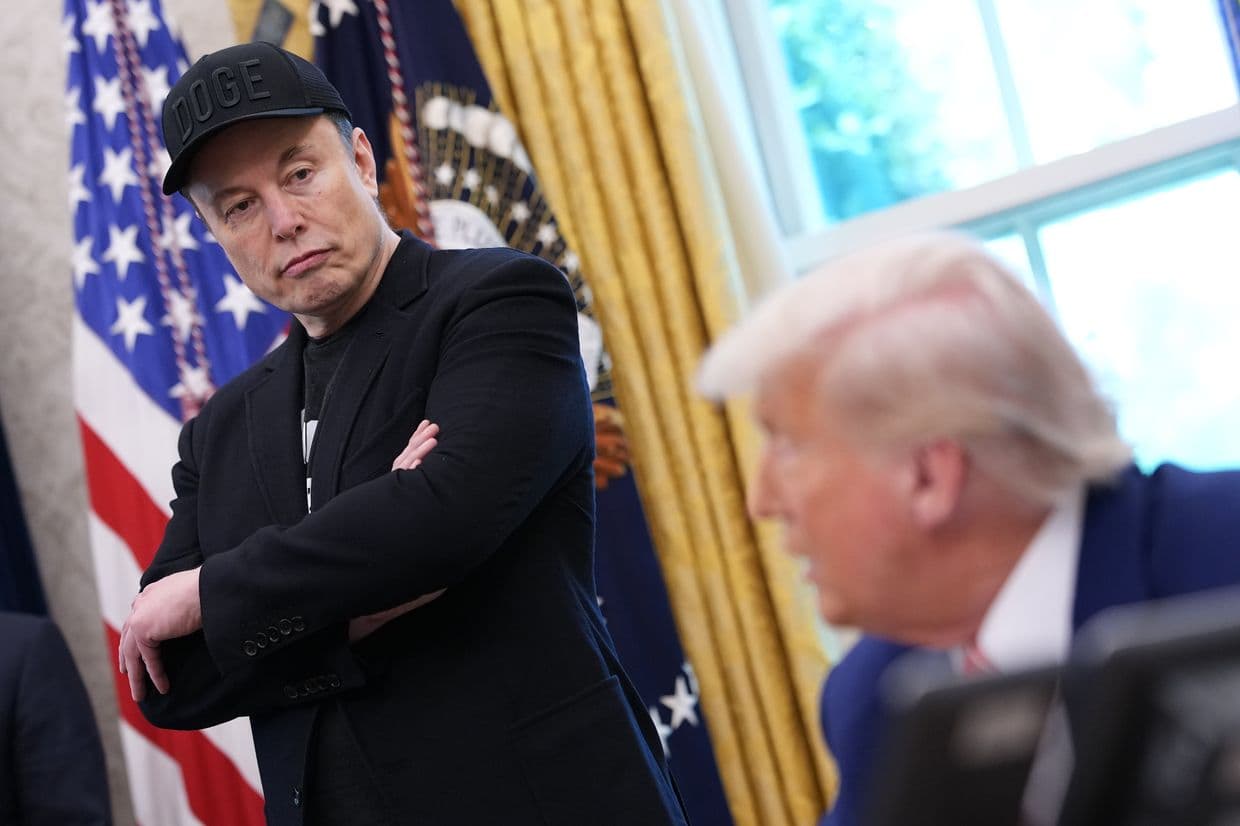
SpaceX CEO Elon Musk approached U.S. President Donald Trump with the idea of restricting Starlink speeds for Ukrainian forces, the Telegraph reported on Oct. 16, citing four sources familiar with the matter.
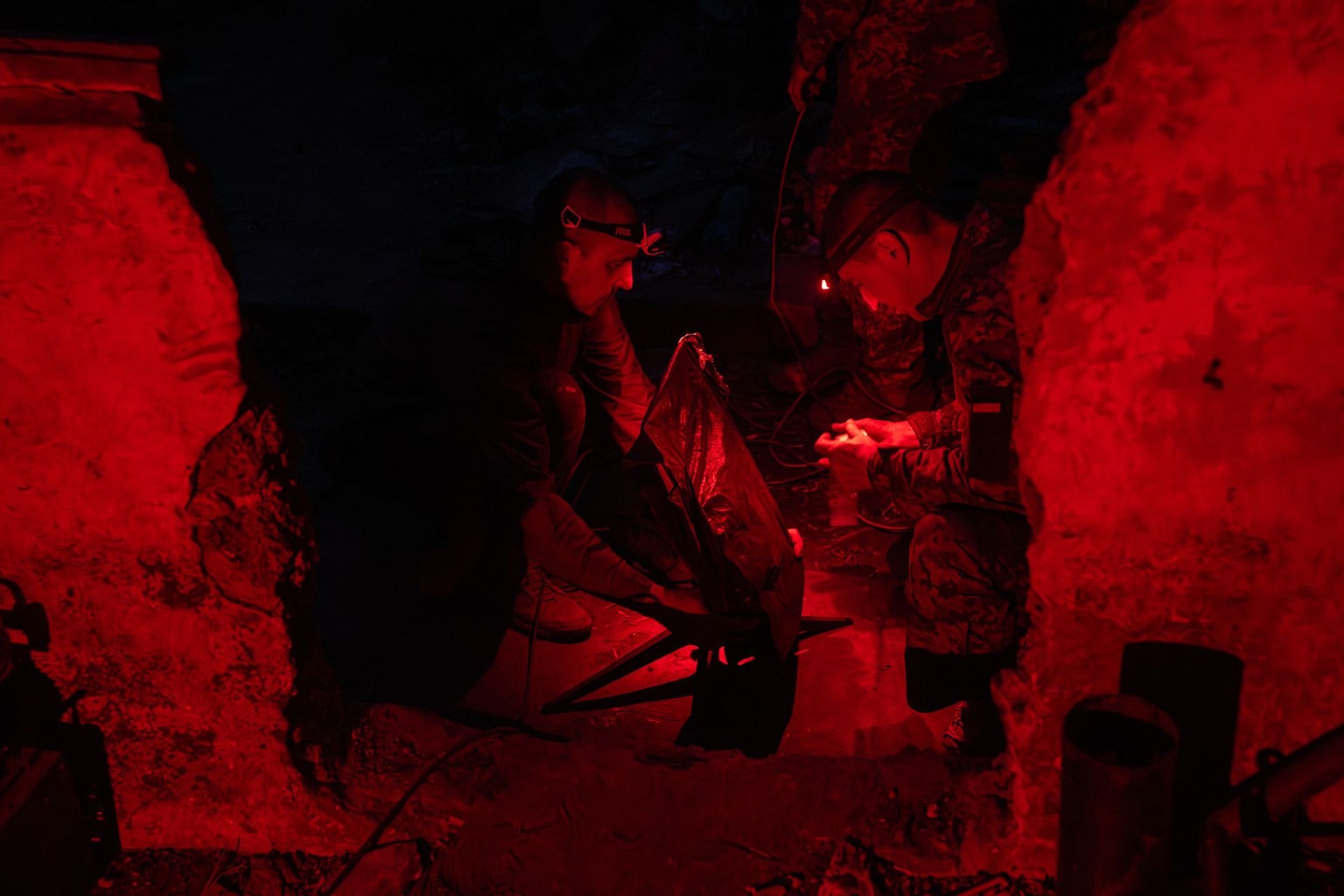
The news comes after SpaceX abruptly implemented a speed cap on Ukraine's vital Starshield service on Oct. 14, with no warning to Kyiv in advance. The sudden restriction disrupted multiple battlefield operations, including mid-range drone strikes and air defense.
Conflicting reports about the reason for the cutoff — and who was responsible — have left Ukraine with questions even after Starlink service stabilized on the front lines.
But the Telegraph on Oct. 16 reported that it was Musk who proposed the speed cap to Trump — and Trump "agreed," one source said.
The claim contradicts Musk's own comments on the matter. Following the Oct. 14 disruption, Musk wrote on his social media platform X that any Starlink restrictions applicable to the military were the ultimate decision of the White House.
"Starshield systems are owned and controlled by the U.S. government," he said. "Any limits on speed or usage are decided by the U.S. military and ultimately (the president)."
Musk neglected to mention his own role in the change.
A senior source told the Telegraph that after the chaos and violence that followed the restriction, Musk was concerned about negative consumer reactions in Europe.
"He tweeted out that he was innocent and that it was the U.S. administration that did it," the source reportedly said. "The reality is that they were both in it."
This account was confirmed by two Ukrainian sources and a high-ranking European official, according to the Telegraph.
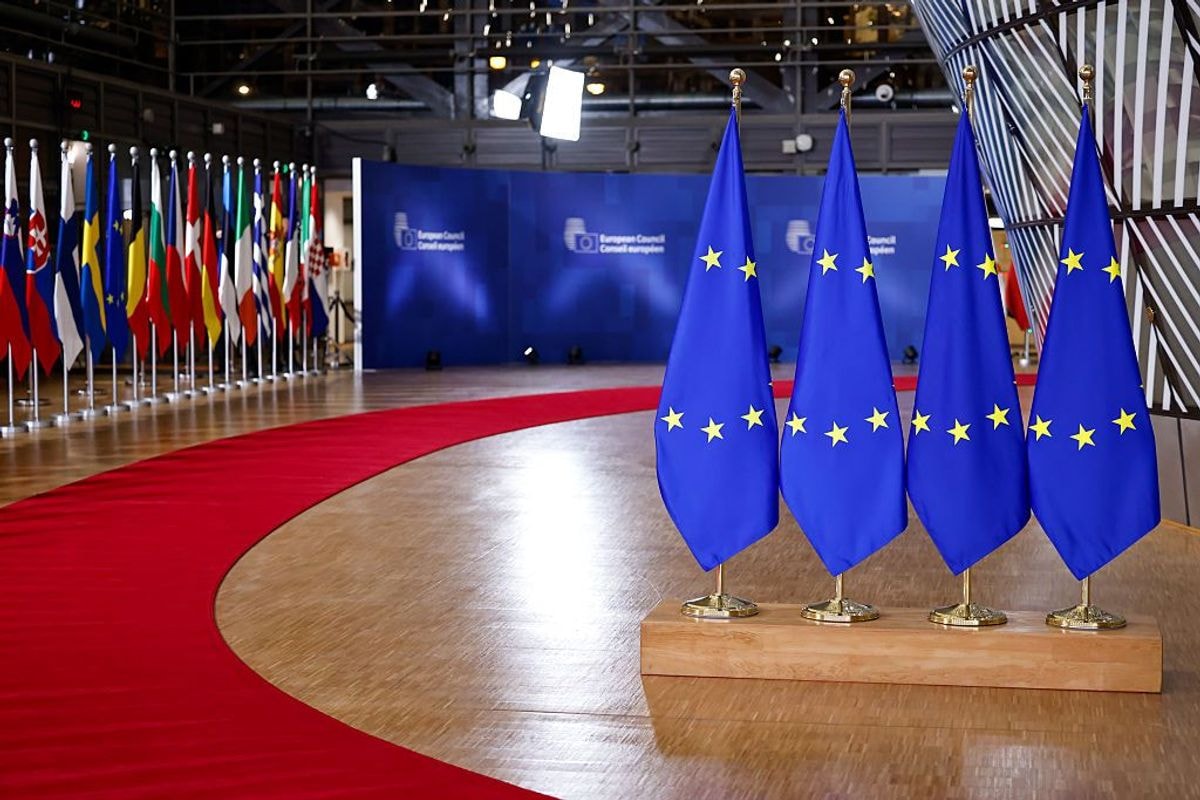
The impact of the Starlink restriction in Ukraine was immediate, and carried high stakes for both soldiers and civilians. President Volodymyr Zelensky highlighted the deadly consequences in comments to reporters on the sidelines of an EU leaders' summit in Brussels Oct. 16.
"We use Starlink to intercept jet-powered Shaheds that strike our civilians and kill our families," Zelensky said.
"When the speed was reduced, we were unable to intercept some of the jet-powered Shaheds. We were unable to use a tool to protect civilians."
The restrictions also affected deliveries of food and water to troops operating in areas under constant Russian drone surveillance, the president said. Zelensky stressed that Ukrainian forces do not use Starlink for deep strikes inside Russia.
The Starlink incident came amid heightened tensions between Kyiv and the White House, with Trump demanding that Ukraine halt attacks on Russian oil refineries and making a deal with Russian President Vladimir Putin to import diesel from Russia.
The White House threatened to halt intelligence sharing if Ukraine refused to comply — even as Russia continued to pound Ukraine's energy grid night after night and attack civilians with ballistic missiles.
But Trump has also dodged responsibility for the decision to restrict Starlink. In remarks at the White House on Oct. 16, Trump said he did not think either he or Musk was responsible for the slowdown.
The Pentagon has given no public explanation regarding the restriction.