Ukraine's largest steelmaker to send 11,000 workers home but won't fire staff
 on Google

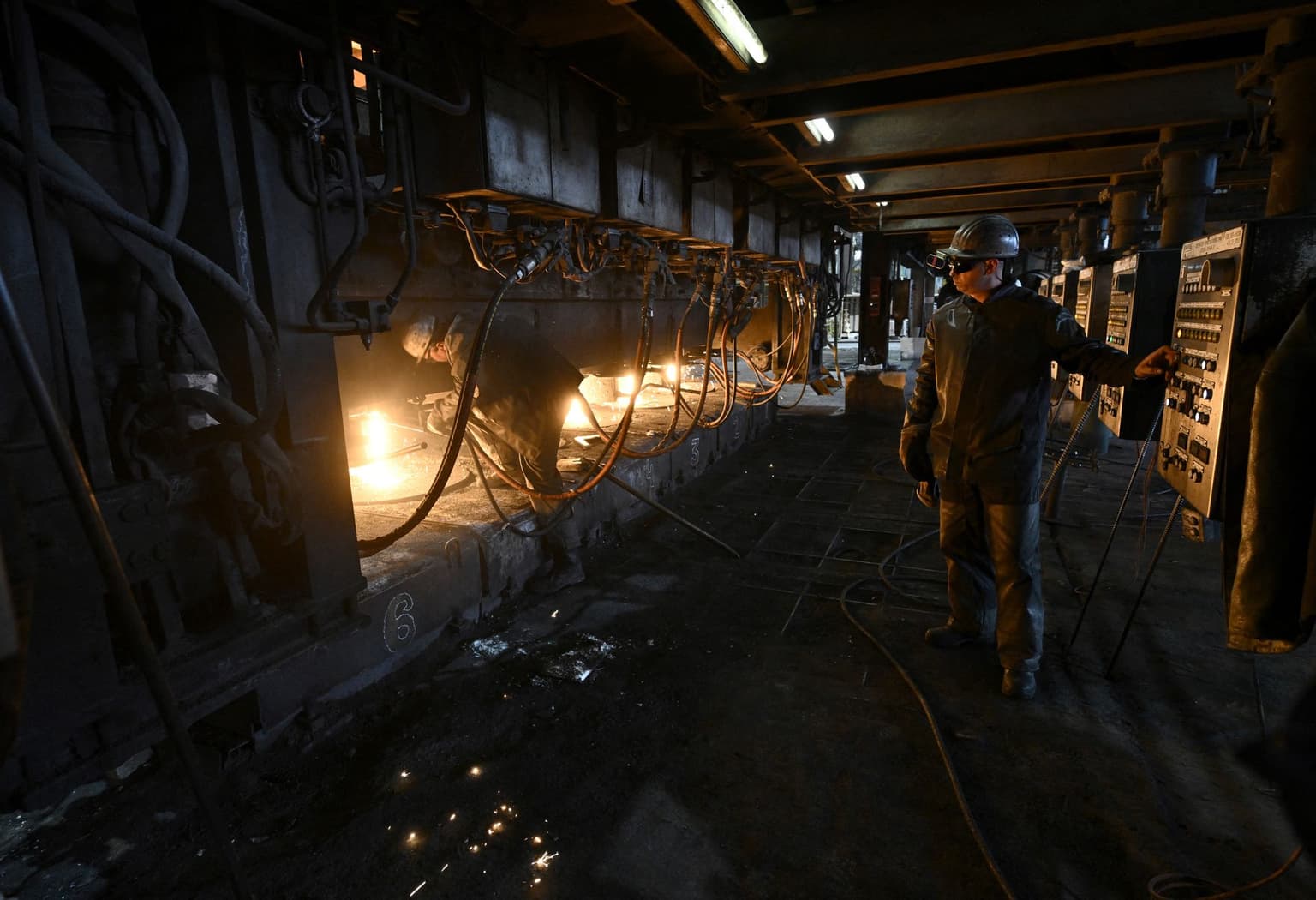
Ukraine’s largest steel producer will send home 11,000 employees once production stops by the end of the year, ArcelorMittal Kryvyi Rih's press department told the Kyiv Independent on Nov. 29.
As the Financial Times ifirst reported, the steel giant will retain 1,500 workers to maintain the mothballed plant while paying idle workers two-thirds of their salaries. No additional staff will be laid off, the company’s press service said.
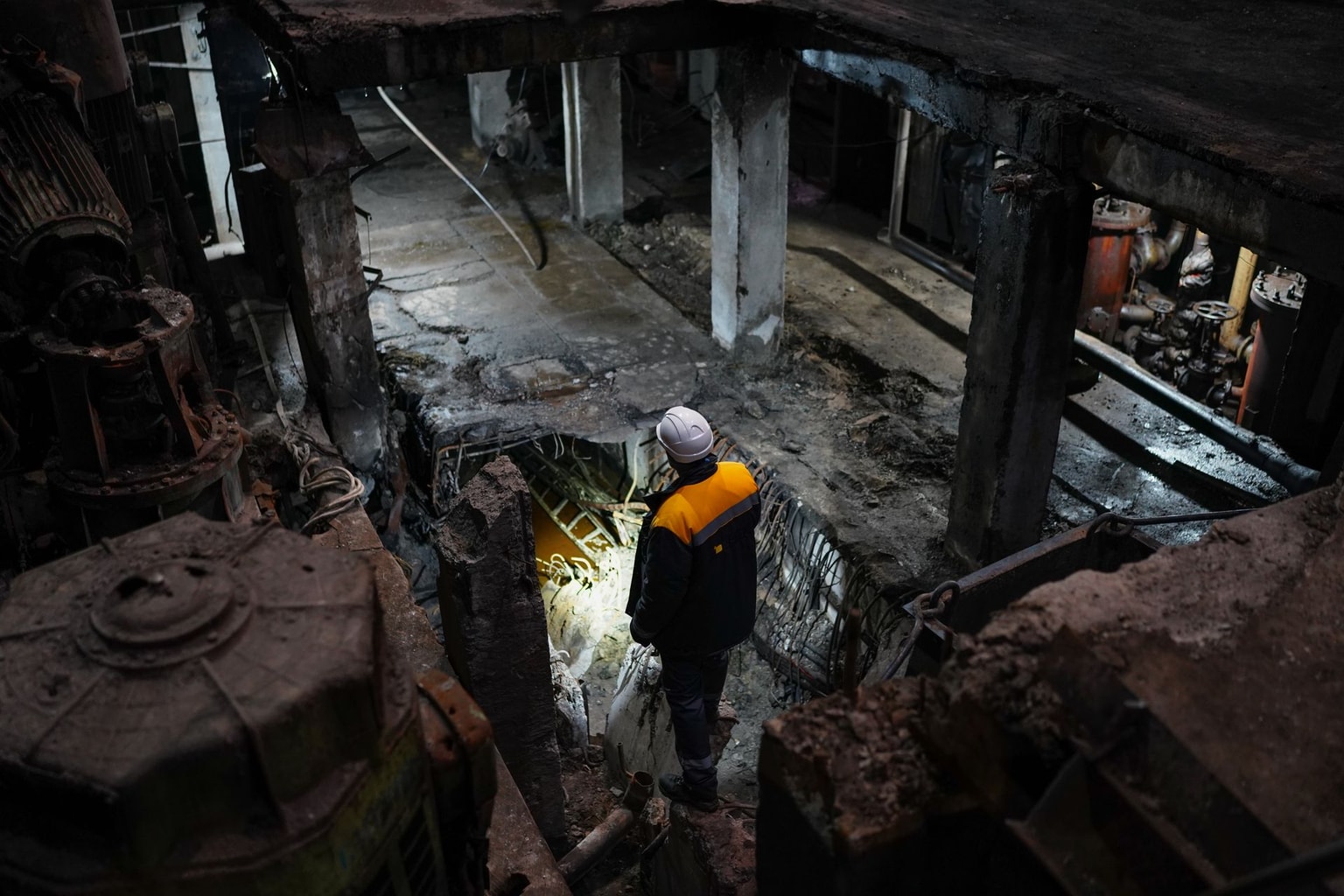
It’s a devastating blow to Ukraine’s steel sector, which has been throttled this year by an EU carbon tax, European trade restrictions, obstructed logistics routes, and an onslaught of Russian strikes in late summer and early autumn. ArcelorMittal Kryvyi Rih alone was hit by 19 ballistic missiles that killed six workers.
Following the strikes, which damaged its two operational blast furnaces, the company announced on Sept. 25 that it wouldn’t restart steel production during the full-scale war. Two other Ukrainian steel companies, Metinvest and Interpipe, also suspended steel production following Russian attacks but haven’t announced plans to shut down completely.
According to the FT, some city authorities in Kryvyi Rih, located in central Ukraine, objected to suspension of production at the plant because it contributes 30% of the city’s budget. Oleksandr Vilkul, chair of the Kryvyi Rih Defense Council, told the FT that he believes the plant shut down for economic reasons.
ArcelorMittal, one of the world’s biggest steelmakers, has invested more than $1.2 billion in its Ukrainian division since the start of the full-scale invasion. However, the plant continued to hemorrhage cash as wartime problems escalated, including rising electricity costs and Russia’s blockade of the Black Sea trade route.
In April, the company dismissed 3,000 employees after shutting down parts of the plant. Around 16,000 employees remain, including 3,000 serving in the military.
As Ukraine’s steel sector warns of a potential collapse, it is currently looking for help from foreign partners, including exploring a steel support fund modeled on the Ukraine Energy Support Fund.
If the steel sector does collapse, the knock-on effects would be felt beyond the factories in Ukraine's industrial heartland. Building firms would have to import more expensive steel from Europe, hiking construction prices, fueling inflation, and ultimately raising the costs of reconstruction, Denys Sakva, a senior analyst at Ukrainian investment firm Dragon Capital, previously told the Kyiv Independent.