Black Sea port blockade could cost Ukraine $9.8 billion in 2027, study says
 on Google

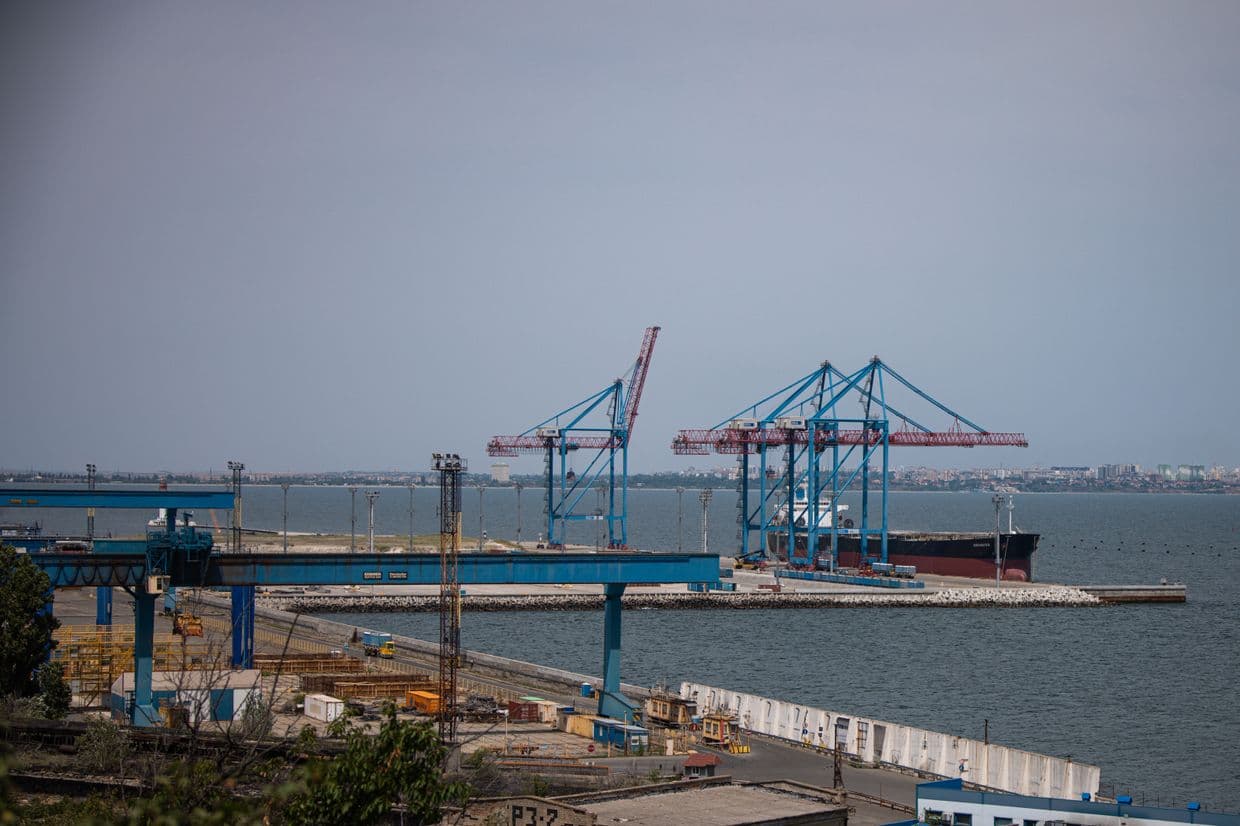
A year-long blockade of Ukraine's three major Black Sea ports could reduce the country's gross domestic product (GDP) by 4.1%, or $9.8 billion, in 2027, according to an economic assessment by the Center for Transport Strategies (CFTS).
The CFTS study, published on Nov. 24, examines a scenario in which Russian attacks prevent civilian ships from reaching the ports of Odesa, Chornomorsk, and Pivdennyi. It estimates the potential economic damage if access to the ports were cut off.
The ports are a major route for Ukrainian grain, vegetable oil, iron ore, and steel exports. Without access to them, many businesses would struggle to sell their goods abroad, earn foreign currency, and finance further production. The resulting disruption could affect suppliers, workers, and government tax revenues, adding to pressure on Ukraine's economy.
CFTS estimates that the scenario could put 53 million metric tons of export cargo worth about $13 billion at risk — roughly a quarter of Ukraine's total exports. The disruption could also leave the government with more than $3 billion less in tax revenue and put around 400,000 jobs at risk, or about one in every 30 jobs in the country.
Agricultural producers and companies in the metals and mining industries would face the greatest difficulties, the study said. These businesses depend on shipping large volumes of goods, including grain, iron ore, and steel products. Alternative routes through Danube River ports and overland border crossings could handle some of the cargo, but would not have enough capacity to replace Black Sea shipping.
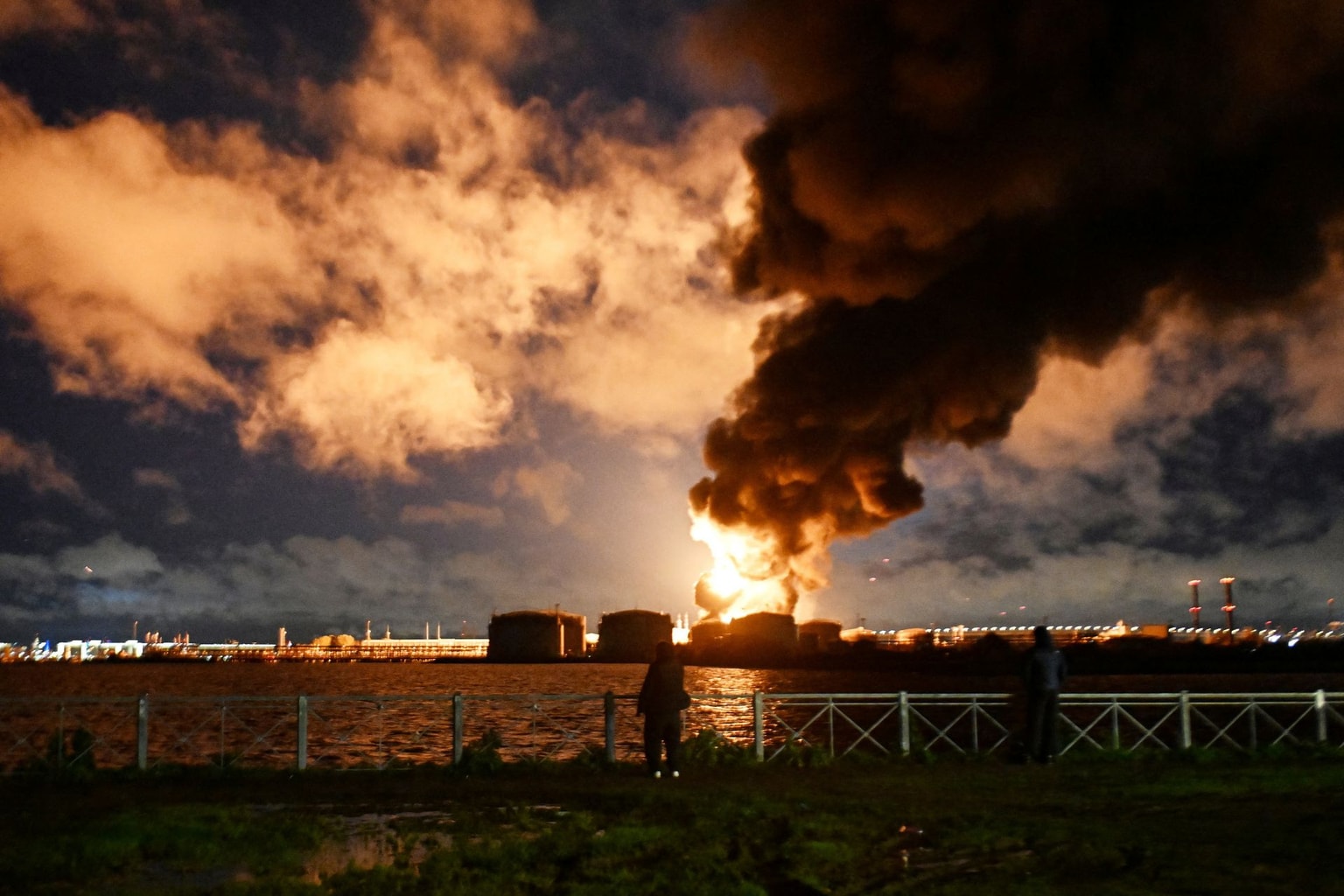
Russian attacks on ports and commercial vessels have already disrupted exports, increased shipping costs, and made shipowners more cautious about sending vessels to Ukraine. Extra routes by road, rail, and through Danube ports are more expensive and cannot handle the same volumes as Black Sea shipping.

The economic impact could be even greater without international financial support. If Ukraine received no foreign loans or grants and had to cover all public spending from domestic resources, CFTS estimates that the loss could reach 6.2% of GDP.
To calculate the potential damage, CFTS used data on cargo handled by Ukrainian ports in 2025 and estimated how much freight could be redirected to Danube ports and western border crossings.
Its economic model also counted the knock-on effects on other businesses and household spending, rather than looking only at lost export sales.