Russia claims over 1,000 Ukrainian drones downed in one night as fires rage across industrial towns
 on Google


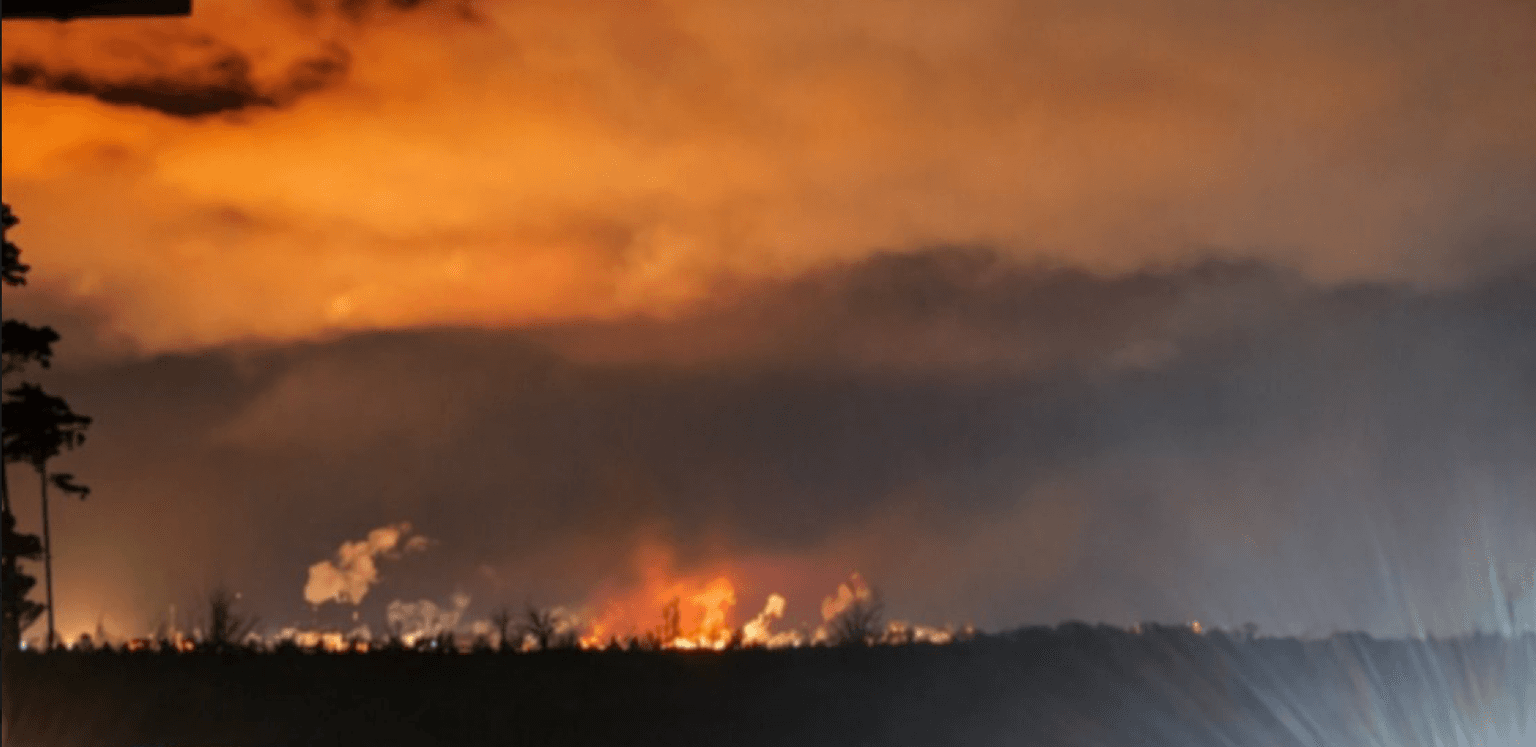
Fires blazed across Russia overnight after a swarm of Ukrainian drones targeted the country's industrial heartland, as Kyiv shows no sign of slowing down its attacks on Russia's war machine.
According to Russia's Defense Ministry, 1,017 Ukrainian drones were shot down overnight on Nov. 29 across 20 oblasts, including Moscow Oblast and surrounding regions. At the same time, Telegram channels reported strikes on factories fueling Russia's war effort.
Kyiv has continued to strike key Russian enterprises and military sites amid failing efforts to bring Moscow to the negotiating table this month. In recent weeks, Kyiv has destroyed a section of the Crimean Bridge and sunk Russian warships in the Baltic and Mediterranean seas, showing Moscow that it can bring the war far beyond the battlefield.
On Nov. 29, Telegram channels reported a fire at the Tolyattikauchuk plant in the city of Tolyatti, which produces chemical raw materials used in rocket fuel for missiles. The factory has been repeatedly targeted by Kyiv this year.
More fires were reported on social media that same night in the industrial city of Nizhnekamsk in Tatarstan and at the Kapustin Yar rocket launch test site in Astrakhan Oblast. Videos and photos posted online reportedly show smoke billowing over factories and volleys of air defense fire targeting drones flying overhead.
The Kyiv Independent could not independently confirm the reports on Telegram.
The Ukrainian Armed Forces have not confirmed the drone attacks.
With Ukraine ramping up drone production, Kyiv has been able to sustain attacks on key Russian enterprises and military-industrial sites. According to The New York Times, Ukraine has hit 40 oil and military-industrial sites in 50 days — a wartime record for Kyiv.
Russia is also escalating attacks on Ukrainian civilian infrastructure, including bridges in Kyiv and energy infrastructure, particularly transmission facilities. As a result, many people have left the capital in anticipation of another severe energy crisis this winter.