Ukraine's steel industry is nearing collapse — and calling for help from abroad
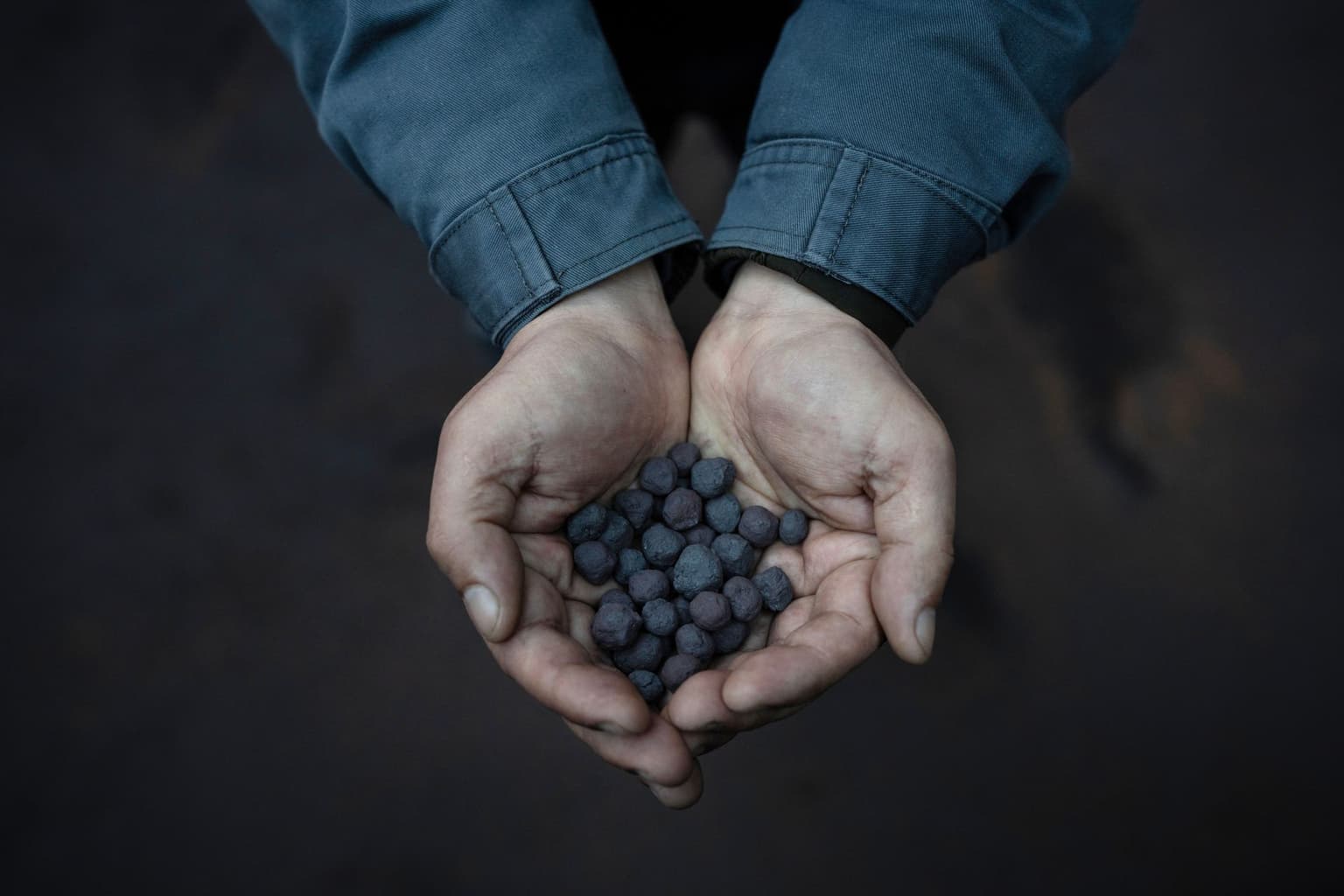
An employee shows processed iron ore at an iron ore processing plant operated by the Metinvest Group in Kryvyi Rih, Ukraine, on April 14, 2026. (Giulio Piscitelli / AFP via Getty Images)
 on Google
Ukraine’s largest steel company, ArcelorMittal Kryvyi Rih, said on Sept. 25 that it cannot restart steel production amid a surge in Russian strikes on factories, as the embattled sector calls for more domestic and international support to prevent its total collapse.
Since the summer, Moscow has launched a widespread campaign of attacks on Ukraine’s economy to shut down key industrial centers. The metallurgy sector, which contributed 7% of Ukraine’s gross domestic product (GDP) last year and employs tens of thousands of people, has been one of the biggest victims, suffering at least nine separate ballistic missile attacks since August.
The recent attacks have likely cost steelmakers close to $100 million, Oleksandr Kalenkov, president of Ukrmetallurgprom, a Ukrainian steel association, told the Kyiv Independent. This is the sector’s worst year since 2022, when Russian forces occupied and destroyed the Azovstal and Illich plants in Mariupol, wiping out 40% of Ukraine’s steel production.
During the attacks, Russia launches precise strikes that damage critical equipment like blast furnaces, preventing Ukrainian steelmakers from producing pig iron — a key material for steel. Metinvest, Interpipe, and ArcelorMittal Kryvyi Rih — Ukraine’s top three companies — have all suspended steel production.

Now teetering on the brink of survival, the steel industry wants far more support from international partners and the state.
"We don't really have another choice. Otherwise, we will have to stop production until the end of the war, which could last for many years, and I have doubts that we would be able to save our employees in that time," Kalenkov said.
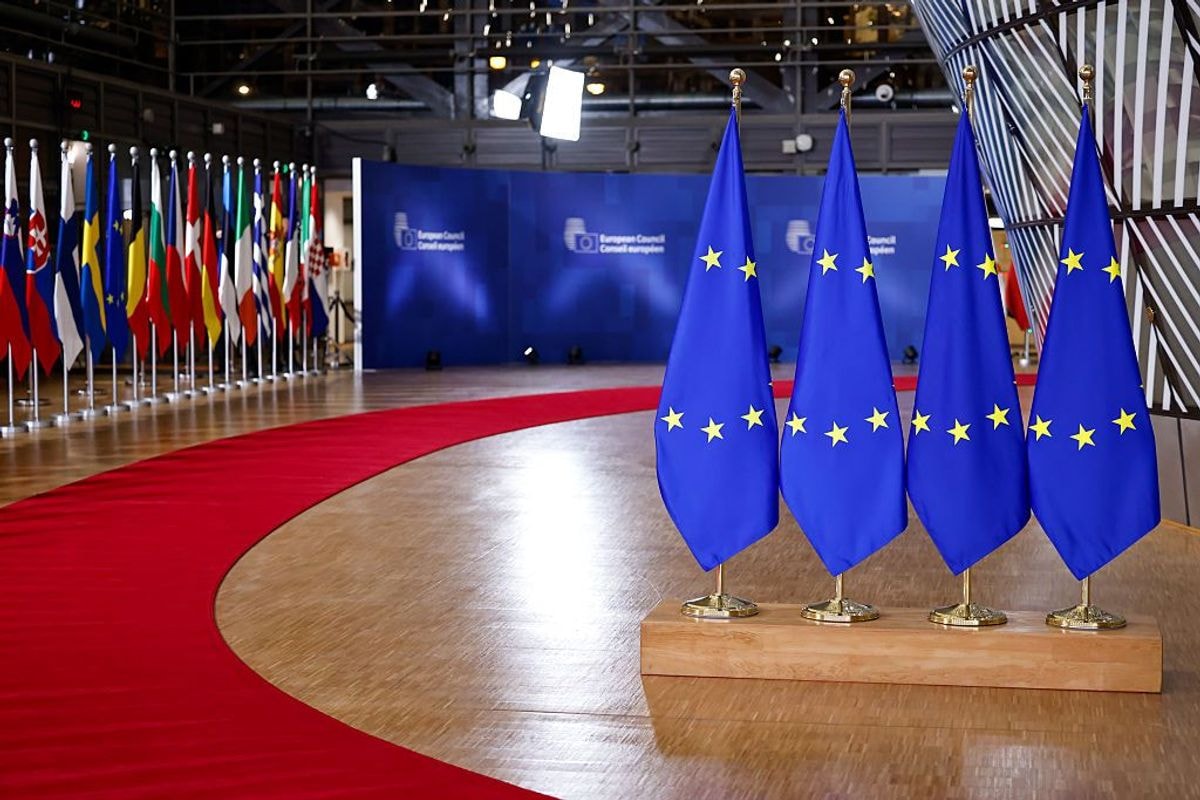
The direct missile attacks on steel plants are only part of the problem. Russia’s campaign has also shut down Ukraine’s seaports, preventing companies from exporting or importing goods via the Black Sea. At the same time, Brussels’ new trade rules have limited Ukraine’s access to the EU market, while Europe’s anti-carbon policies have made it more expensive to sell there.
Moreover, some major metallurgy companies are ineligible for funding support from international financial institutions because they are owned by oligarchs, while overland trade routes are too expensive for companies that are currently hemorrhaging tens of millions of dollars per month.
As the industry warns of a potential collapse, the knock-on effect would be felt beyond the factories in the east and south of the country. Building firms will have to import more expensive steel from Europe, hiking construction prices, fueling inflation, and ultimately raising the costs of reconstruction, Denys Sakva, a senior analyst at Ukrainian investment firm Dragon Capital, told the Kyiv Independent.
But instead of supporting Ukraine’s steel industry as it nears total destruction, the EU is undermining it, Karin Karlsbro, a member of the European Parliament (MEP), told the Kyiv Independent. Karlsbro, who toured Ukraine’s steel plants in the spring, is urging Brussels to urgently review its trade policy and remove Ukraine from its tariff regime introduced in June.
"If we seriously want to support Ukraine’s ability to defend itself, we must do what we can to support the industrial infrastructure," she said.
"If Ukraine’s economy collapses, Ukraine will have much more difficulty defending itself and will be much more dependent on support from the EU."
Saving Ukrainian steel
At the start of September, steel sector representatives warned Prime Minister Serhii Koretskyi that the situation was at a breaking point and proposed solutions. One idea being discussed in parliament is a steel fund akin to the Ukraine Energy Support Fund, which would pool financing from partners to help affected companies procure critical equipment from Europe.
"A recovery fund could help affected producers finance emergency repairs, restore production capacity, and make operations more resilient," Oleksandr Vodoviz, head of the CEO’s office at Metinvest, told the Kyiv Independent.
"Large industrial employers near the front line face some of the heaviest attacks while sustaining tens of thousands of jobs and their regional economies."

Kyiv also needs to open up negotiations with financial institutions like the European Bank for Reconstruction and Development (EBRD) to allow financing for oligarch-owned metallurgy companies, like Metinvest, which is owned by Ukraine’s richest man, Rinat Akhmetov, Kalenkov said.
The other issue burdening metallurgy companies is sky-high logistics costs caused by the closure of the Black Sea ports. Companies are paying 50%-60% more to transport some goods, like coal, by rail or via Polish and Romanian ports, Metinvest’s Chief Operating Officer Oleksandr Myronenko told Forbes Ukraine.
The government and European countries could split the cost, Kalenkov said. Kyiv needs to keep railway tariffs high to bring in budget revenue, but EU partners could instead provide financing to help the government cover part of the cost, he said.
Cheaper logistics would also lower import costs, allowing companies to import foreign pig iron and slabs to roll in Ukrainian plants and produce steel, Kalenkov added. Currently, logistics prices make importing goods unfeasible, he said.
At the same time, Ukraine also needs unrestricted access to the EU’s steel market and relief from the Carbon Border Adjustment Mechanism — known as CBAM — which adds additional taxes to carbon-heavy imports, like steel, Vodoviz stressed.
"Ukrainian producers cannot finance large-scale decarbonization while repeatedly rebuilding after missile attacks," he said.

But the biggest boost to Ukraine’s steel sector would be reopening the Black Sea. That would not only shave off logistics costs but also allow companies to resume exporting iron ore, a key ingredient in steel, to bring in some cash if they can’t restart steel production.
Ukraine’s calls for a renewed Black Sea trade route have received international support, with 51 countries backing Kyiv in a joint statement on the sidelines of the U.N. General Assembly on Sept. 23. For now, however, Russia hasn’t shown any interest in slowing down attacks on Ukraine’s seaports and civilian vessels.
Nevertheless, even if Ukraine’s steel sector gets the support it needs from the government and partners, it will still take many months and tens of millions of dollars before it can relaunch steel production, assuming Russia won’t strike again, Kalenkov said.
Right now, it’s just about finding a way to survive, he added.
Note from the author:
Hi, this is Dominic Culverwell. Thanks for reading my latest story! I will be joining the Kyiv Independent team in London on Oct. 2 for our first live event in the U.K. I love meeting our readers in person, so come along!
Get your tickets for The Kyiv Independent: Live in London here.