Czech Prime Minister Babis rails against EU budget support for Ukraine
 on Google

Editor's note: The story has been expanded with additional comments made by Czech Prime Minister Andrej Babis.
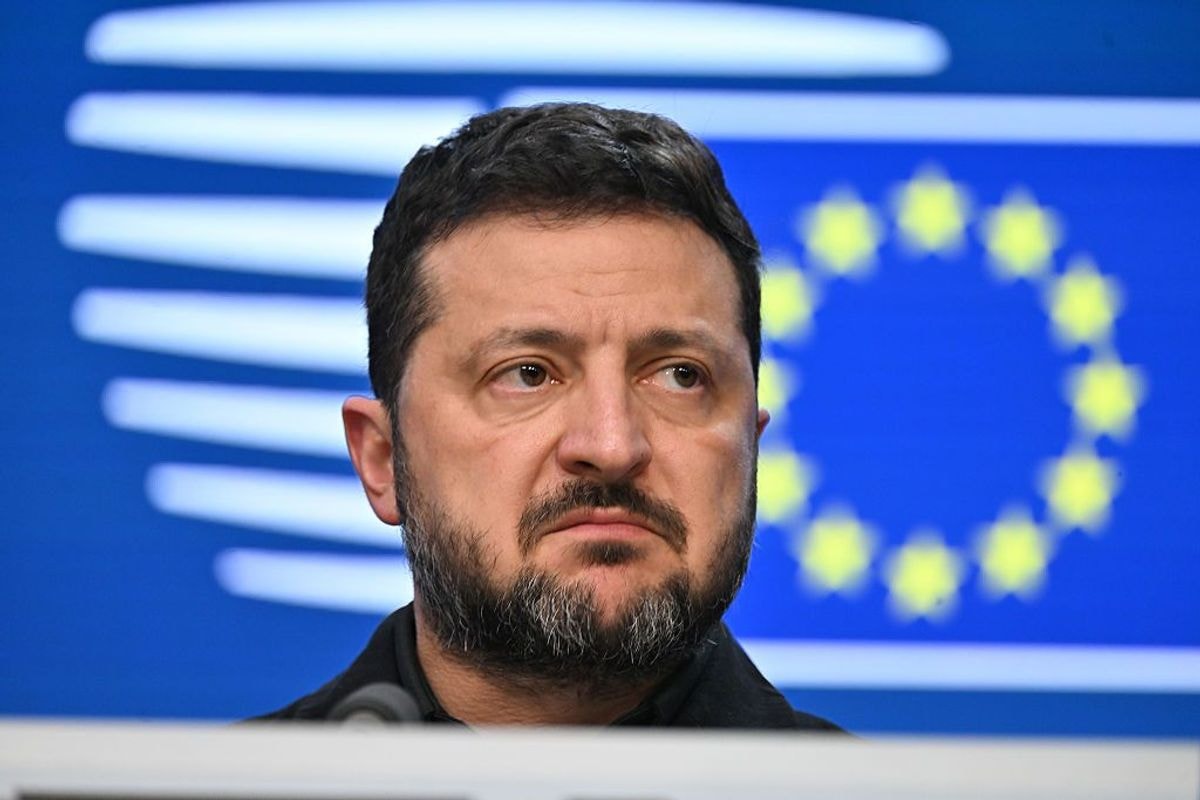
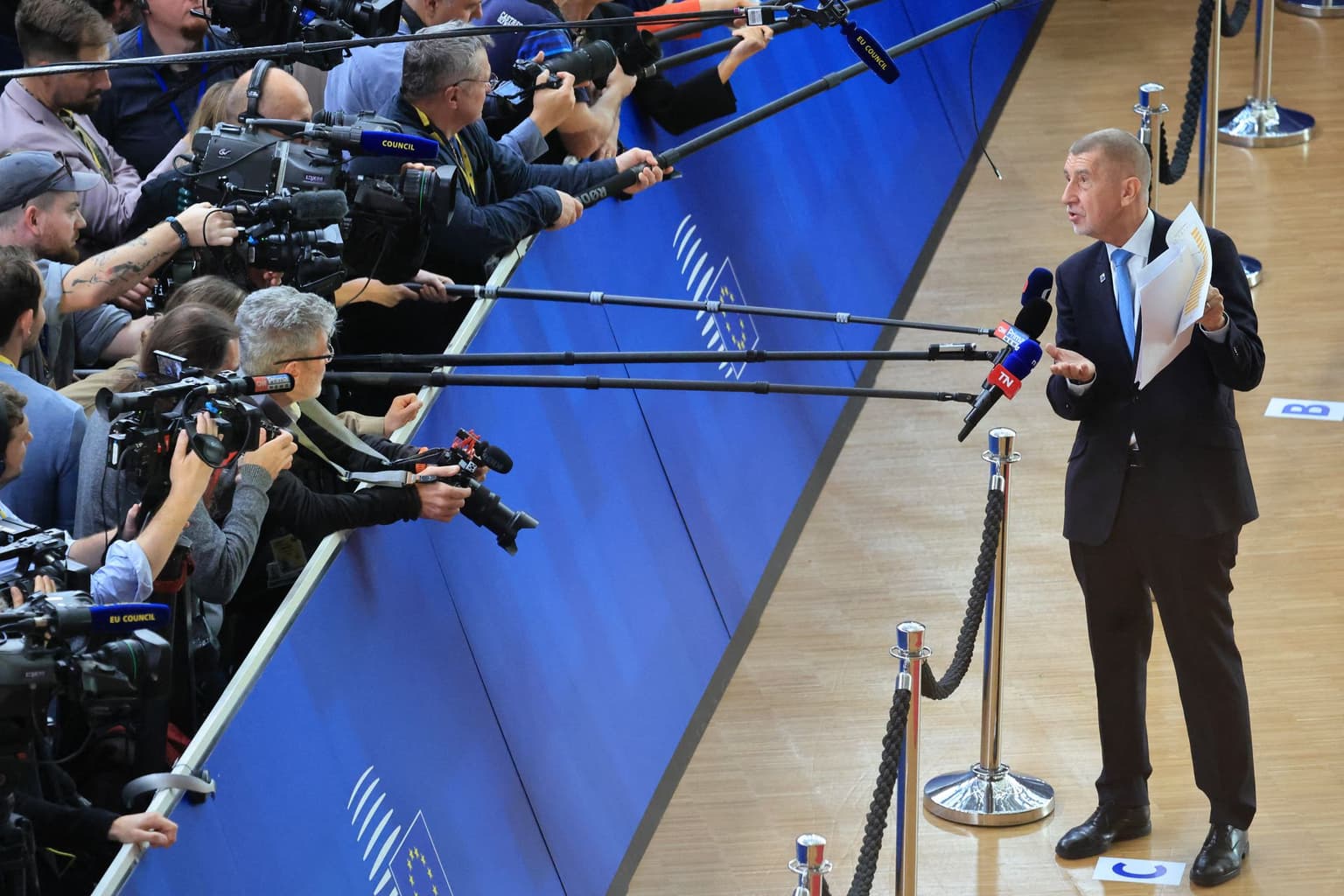
BRUSSELS, Belgium — Czech Prime Minister Andrej Babis expressed his disdain for EU plans to earmark billions of euros of support for Ukraine in its next seven-year budget, in comments made to journalists at the Oct. 16 summit of EU leaders in Brussels.
The EU operates on a seven-year budget cycle that needs to be unanimously agreed upon, and leaders hope to reach consensus on the 2028-2034 budget before the end of the year, as 2027 will be a bumper year for elections across the bloc.
While consensus on the budget as a whole remains out of reach, support for Ukraine seemed like a consensus issue until Babis' latest comments.
"I don't like that there are 100 billion euros ($112 billion) from the European budget for Ukraine, that this money should be borrowed," Babis said.
"It should not be in the multi-year financial framework, where member states don't have enough money," he added.
The 100 billion euros figure is already outdated, reflecting the amount initially proposed for the budget by the European Commission earlier in the year.
That figure was reduced to 89 billion euros ($100 billion) in June as part of a first compromise proposal, and it remained unchanged in the second and latest compromise, published Oct. 10.
"In any case, Czechia will not guarantee for it," Babis added.
Surprising in the other direction was Babis' criticism of U.S. President Donald Trump, after portraying himself as aligned with Trump for several years.
"Trump effectively betrayed us by concluding the business deal with Putin, and we have to do something," Babis said, echoing President Volodymyr Zelensky's take on a set of recent pro-Russian moves made by the U.S. against Ukraine.
Babis said the day before that Europe needs to agree on how to proceed with issues such as peace talks, given that at the moment, "we are completely out."
His turn on Trump brings Babis closer to the European mainstream, with many EU leaders not holding back in condemning the U.S. president for his latest overtures towards Moscow.