New compromise EU budget maintains Ukraine support, but trims help for EU integration
 on Google
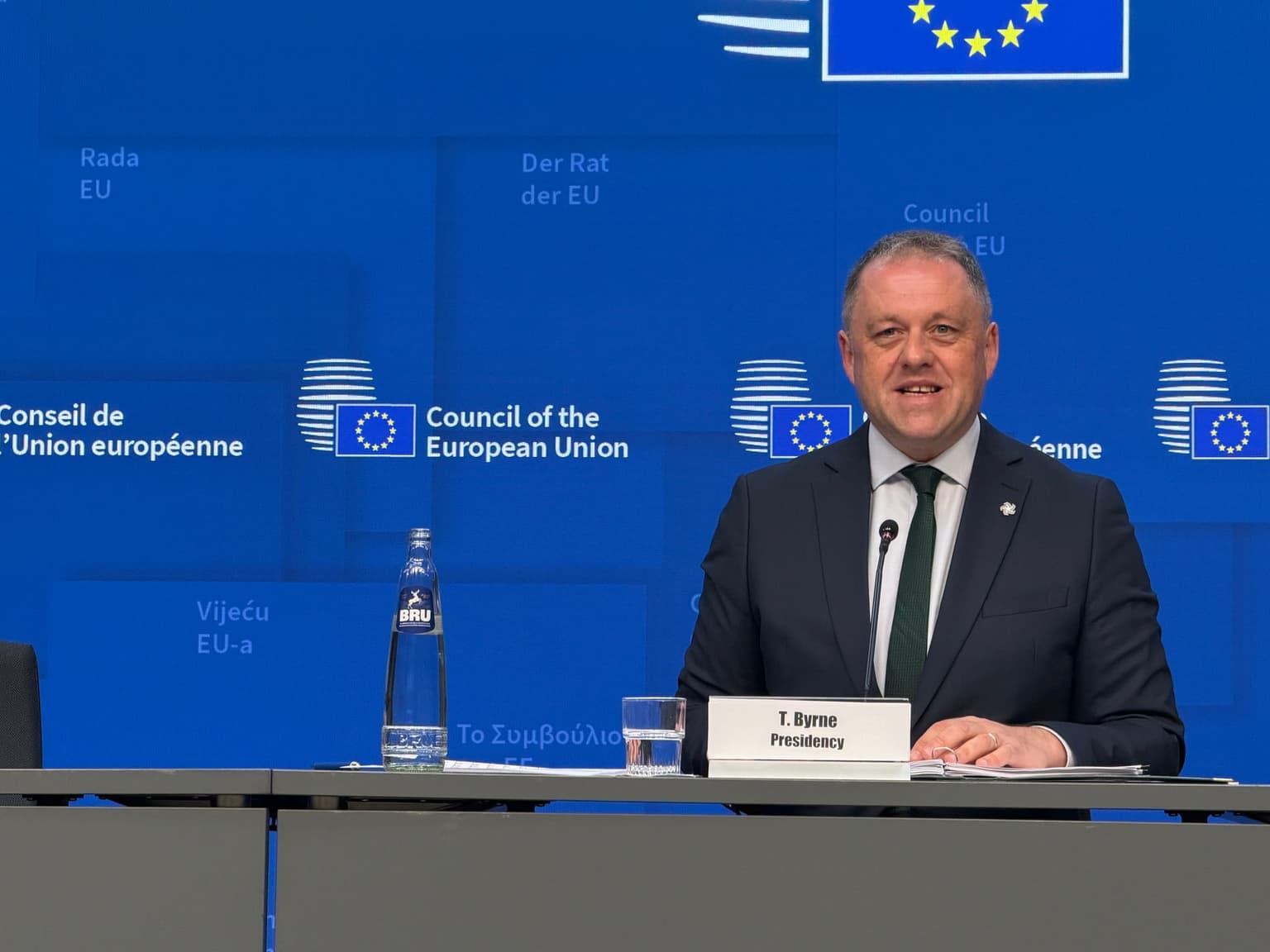
BRUSSELS, Belgium — A new compromise proposal for the EU's 2028-2034 budget published Oct. 10 has been forced to cut costs, including for EU candidate countries, but support for Ukraine emerges relatively unscathed.
The bloc operates on a seven-year budget cycle, and countries hope to finalize the next budget by the end of 2026, before France, Poland, Italy, and many more countries hold elections in 2027.
The budget is also important for Ukraine, both because it supports countries working to integrate into the bloc and because the EU is Kyiv's leading financial backer.
The latest proposal includes dedicated Ukraine support of 88.87 billion euros ($99.55 billion).
The amount is unchanged from the last attempt at compromise, published in June, but remains below the 100 billion euros ($112 billion) initially proposed by the European Commission.
"Our commitment to Ukraine is central to our overall ambitions," reads the proposal put forth by the Irish Council Presidency of the EU, which leads negotiations on the budget.
But the budget requires unanimity of the 27 EU countries in order to pass, and several countries, often described as 'the frugals', have pushed for wide-ranging cuts.
That has led to a reduction in the size of the "Global Europe" pot, which finances the EU's development budget, humanitarian aid, and support for countries working to integrate with the EU — including Ukraine.
The latest proposal has reduced the Global Europe pot by just over 20 billion euros ($22.4 billion), from 169.5 billion euros ($189.9 billion) down to 149 billion euros ($167 billion).
Within that, support earmarked for EU candidate countries has fallen by almost four billion euros ($4.5 billion), down from 36.5 billion ($40.9 billion) to 32.6 billion ($36.5 billion) — just over 10%.
Realistically, Ukraine is not the most at risk of suffering from that 10% cut, with the proposal stating that "additional funding for Ukraine may be prioritized from the Enlargement and Europe and Global pillars."
Rather, the two big financial questions for Ukraine remain outside the scope of these budget negotiations.
Ukraine anticipates a $42 billion hole in its 2027 budget, even after accounting for support from the EU's 90 billion euro ($100.9 billion) loan.
Given that the loan is unable to single-handedly cover two years of support for wartime Ukraine, it is unclear how the EU will continue to find new money to help Kyiv if the war rages well beyond 2028.
In a briefing with journalists on the future of enlargement, a senior EU official said of the long-term funding of Ukraine due to the war, "there is a massive uncertainty, no one is pussyfooting about that."