Zelensky says he feels betrayed over Trump-Russia deal
 on Google

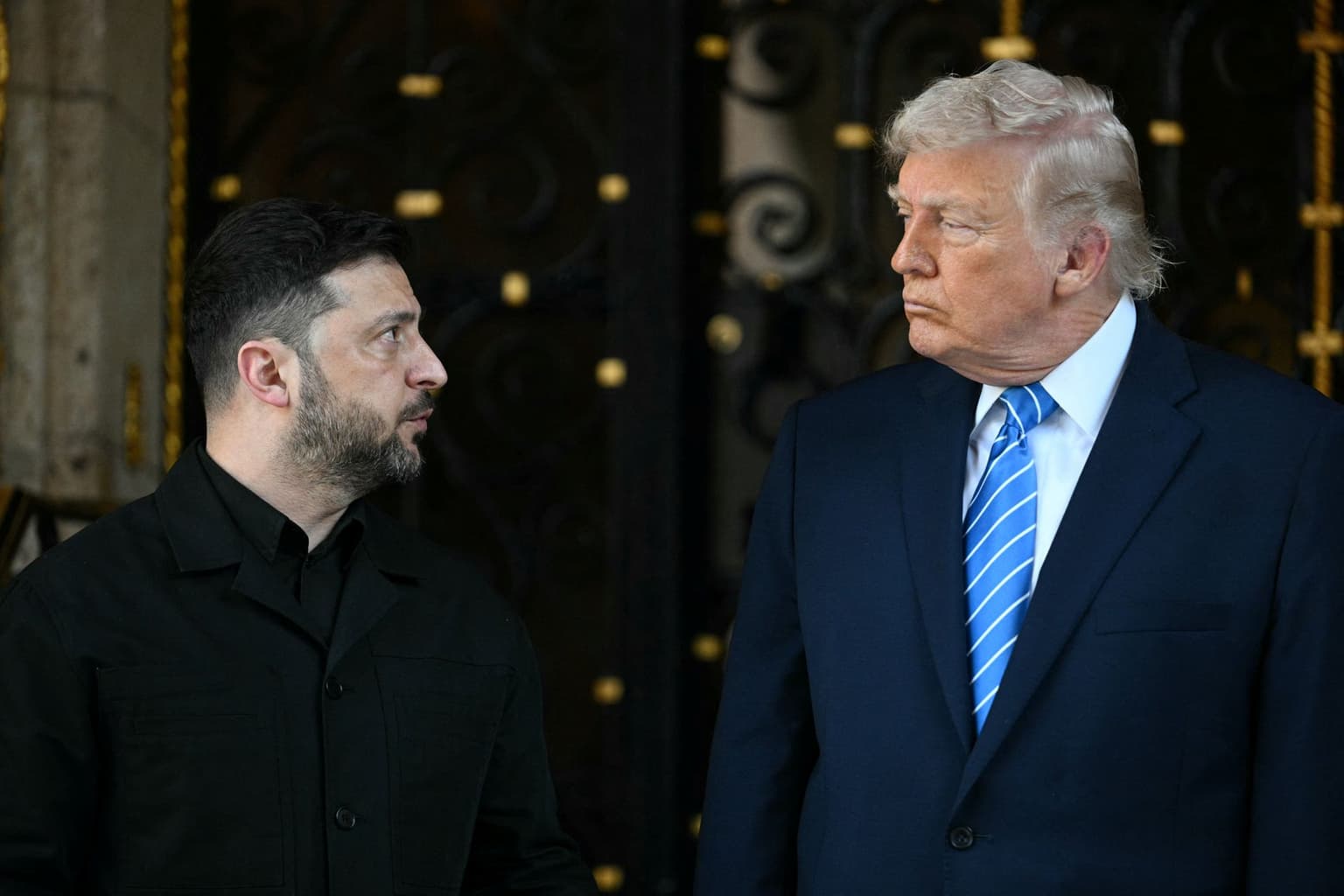
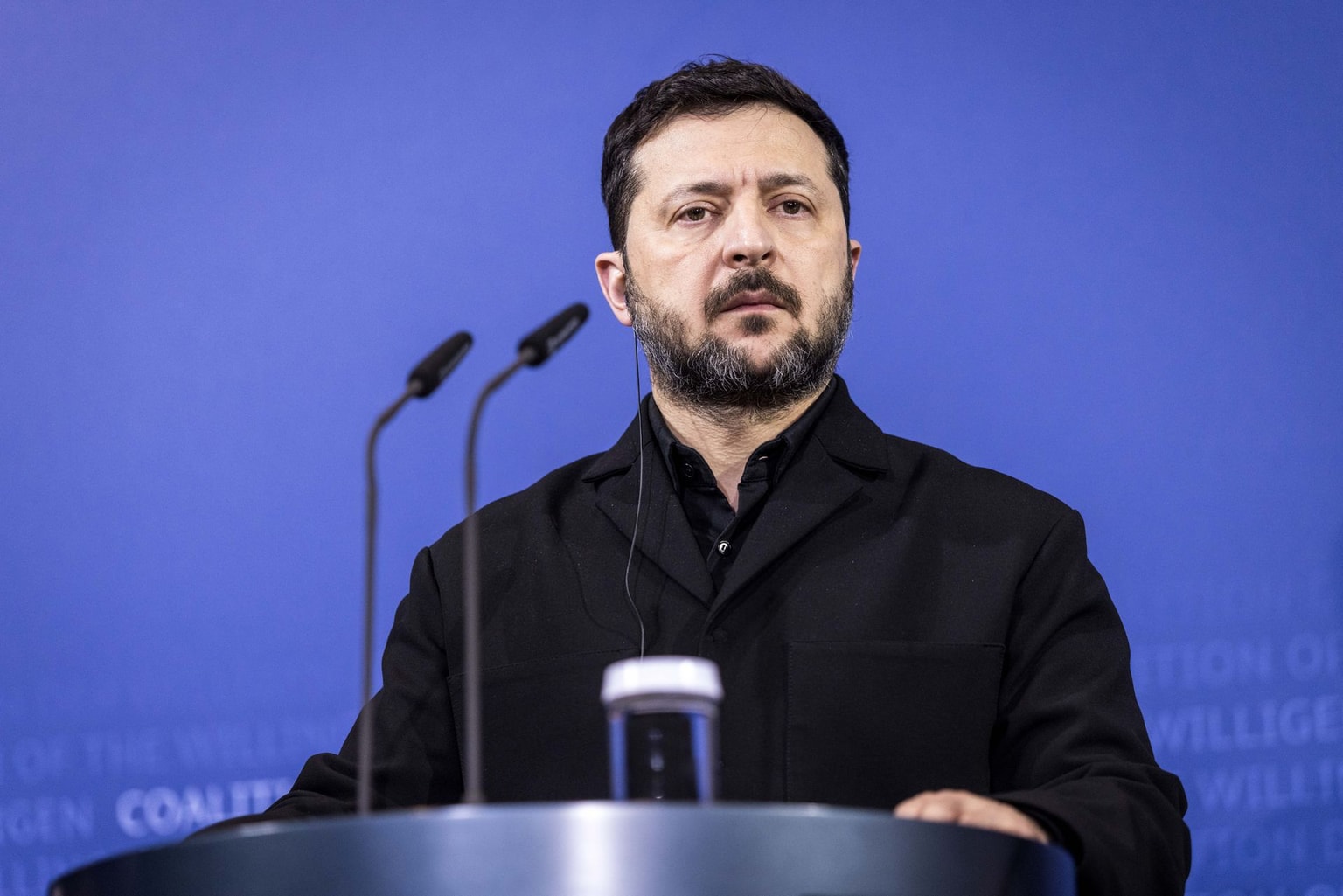
President Volodymyr Zelensky said on Oct. 14 that Ukraine is "losing a strong partner" as the U.S. eases sanctions on Russia while ramping up pressure on Kyiv.
Asked by British host Piers Morgan in an interview whether he feels that Ukraine is losing the U.S., Zelensky said, "Yeah, but not because of us. We can't be weak."
"It's painful when President Trump chooses one side, not our side," he noted.
The comments come after Trump announced a deal to purchase diesel from Russia on Oct. 9, while saying that Zelensky should be replaced as Ukraine's leader.
When asked whether he felt betrayed by Trump, the Ukrainian leader answered: "Really, yes... but it's a little bit more complicated than just my emotions or my feelings."
Zelensky also said that the apparent decision to throttle Ukraine's Starlink service, operated by Elon Musk's SpaceX, is a "big mistake." Ukraine confirmed on Oct. 14 that its access to Starlink terminals has been severely restricted, hampering combat operations.
The president said that Kyiv has asked for the restoration of Starlink operations, warning that "people will die" otherwise.
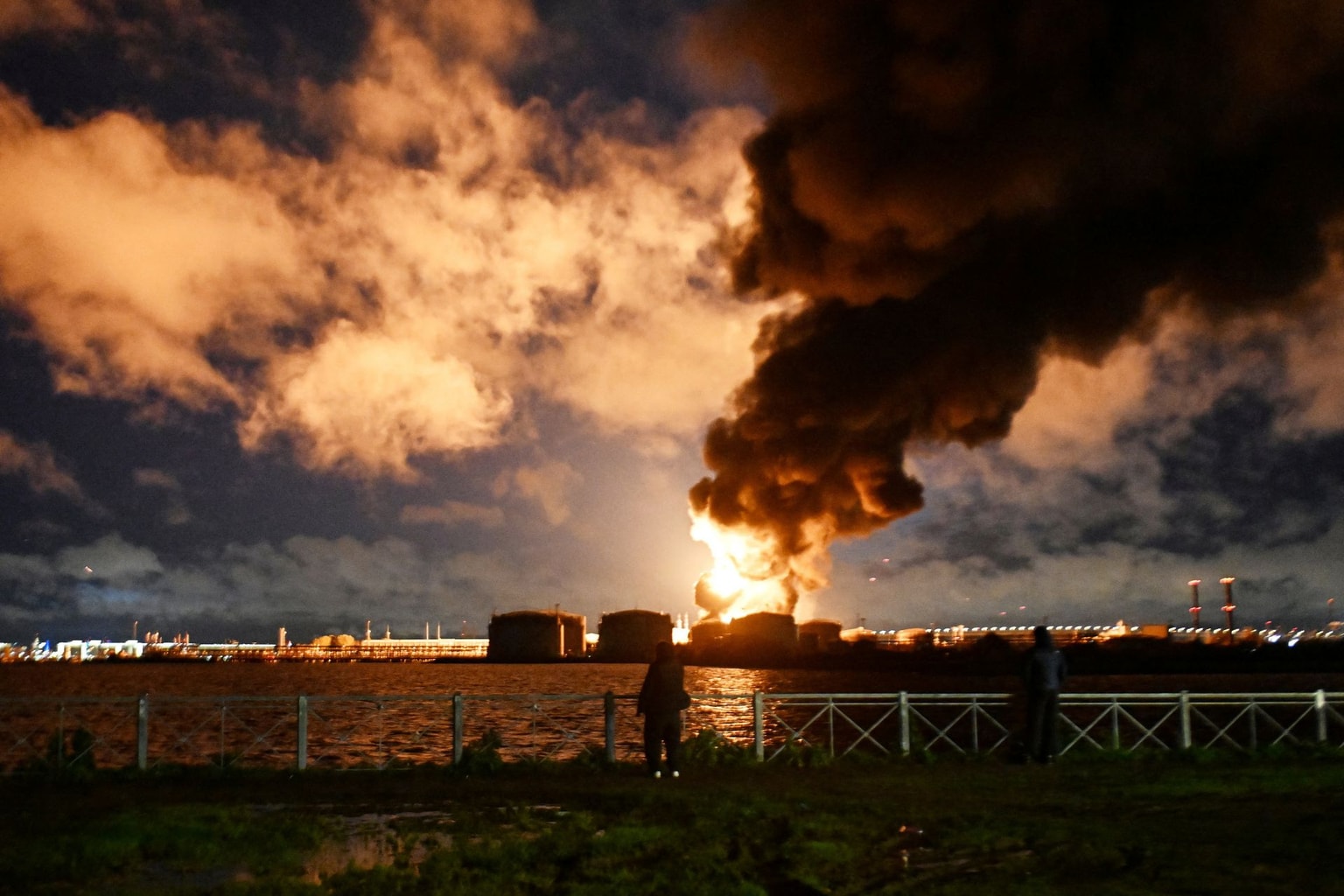
The Ukraine-U.S. relations hit a low point after Trump blamed Ukrainian strikes against Russian refineries for the rising global fuel prices — a claim disputed by experts — and his team threatened to cut off intelligence support and arms shipments unless Kyiv halts the attacks.
Washington then unexpectedly unveiled a deal allowing Moscow to export diesel fuel to the U.S. and other markets despite sanctions imposed due to the full-scale invasion of Ukraine.
A few days later, on Oct. 11, Trump unilaterally announced an energy truce between Russia and Ukraine, taking Ukrainian officials by surprise.
Even as Kyiv backed the truce and said it had paused its strikes against Russian refineries since the announcement, Moscow has continued attacking the Ukrainian power grid, meeting no criticism from Trump.
"I think Trump's advisers are wrong. I don't know who is pushing him to the wrong side," Zelensky said.
"This is not the right side of history."
read also