Trump's Russian diesel deal offers little relief for Americans — and a political win for Moscow
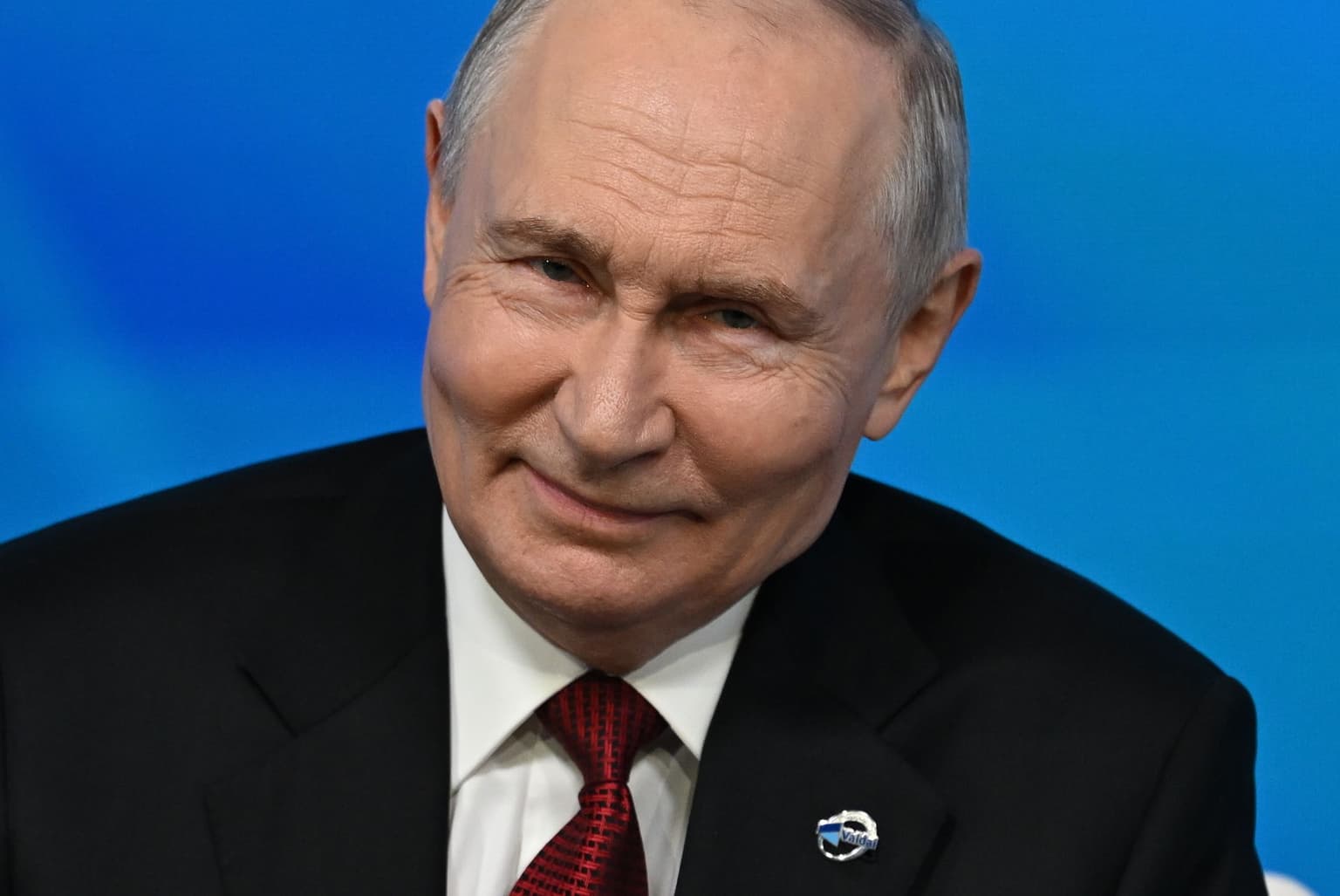
Russian President Vladimir Putin delivers a speech during the 23rd Annual Meeting of the Valdai Discussion Club in Moscow, Russia, on Oct. 1, 2026. (Sefa Karacan / Anadolu via Getty Images)
 on Google
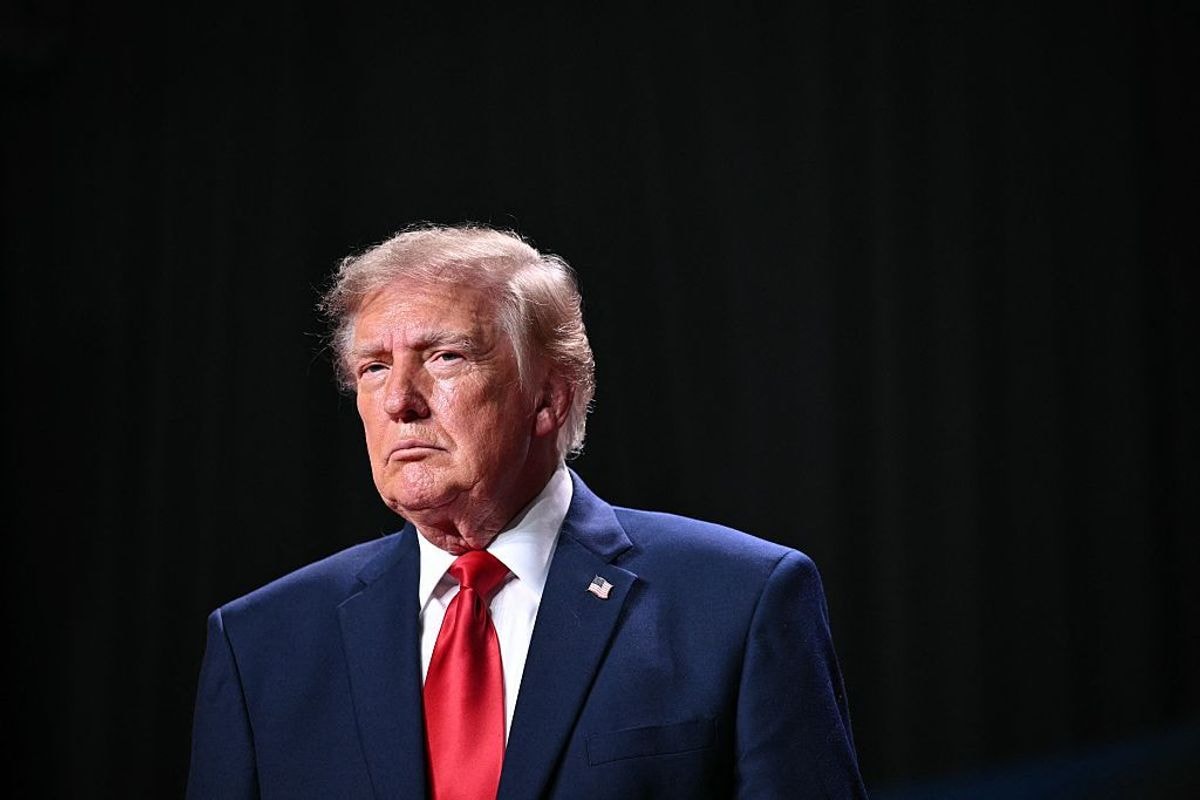
When U.S. President Donald Trump announced Oct. 9 that Washington had agreed to buy millions of tons of Russian fuel, he pledged that the deal would mean lower gas prices for ordinary Americans.
"Russia will immediately supply over 300,000 Tons of Diesel Fuel to the American and Global Marketplace, another 500,000 Tons during the month of November, and 1,000,000 Tons immediately thereafter," Trump wrote on Truth Social.
"Between our TOTAL CONTROL of the Strait of Hormuz, and this great announcement on Russian Energy, Diesel Prices for Americans and, indeed, the World, will be COMING DOWN, IN RECORD NUMBERS, AND FAST!" he said.
The statement is far from reality, experts warn. The initial shipments, as announced by Trump, are small and unlikely to significantly lower prices in the long term.
Although Trump is hoping for a midterm boost, the only winner is the Kremlin.
The deal is putting new strain on Kyiv-Washington relations, as Ukraine is forced to press pause on one of its most successful war tactics.
Meanwhile, Moscow is buoyed by the prospect of weakened sanctions, which could boost its economy, its war chest, and its global image.
Lower prices unlikely to last
Global diesel prices are soaring. In its most recent report on Oct. 5, the U.S. Energy Information Administration put the cost of U.S. diesel at $6.20 per gallon — a rise of $2.49 in just 12 months.
The main factor driving those soaring prices is the U.S.-Iran war. The conflict has not only disrupted the flow of oil tankers passing through the Strait of Hormuz but has also driven up security costs for those ships making the journey.
A study by Ukraine's KSE Institute, shared with the Financial Times, assessed that the U.S.-Israeli war with Iran had a far bigger impact on global diesel and gasoil supplies than Ukrainian drone strikes, estimating that exports from the Persian Gulf fell by 152 million barrels between March and August, compared with a 68 million-barrel drop in Russian exports over the same period.
But Ukrainian drone strikes against Russia’s oil refineries have also made their mark.
In a report published in September, the International Energy Agency said that the amount of crude oil moving through Russia’s refineries had fallen to a 20-year low, with diesel production down by nearly 30%.
Global energy markets operate on a razor-thin balance between supply and demand, meaning any drop in output will affect prices, says Jeff Krimmel, founder of consulting firm Krimmel Strategy.

He says that Trump's deal could trigger a small drop in diesel prices, but that those changes are unlikely to last.
While the numbers in Trump's announcement are impressive at first glance, they are a small drop in the global energy market.
In October 2026, the U.S. Energy Information Administration reported that the country was using 493,000 tons of distillate fuel oil — a category that includes diesel and certain heating oils — in a single day. If that rate continues, the total of Russia’s first two deliveries, or 800,000 tons, would supply U.S. needs for less than 48 hours alone.
Real change would need a much wider shift, says Krimmel.
"The U.S. administration wants some visible demonstration that they're responding to this diesel supply crunch and the price rise that comes with that crunch," he says.
"(But) there is no single deal that the U.S. president can make with any foreign leader to change the shape of diesel markets in the near term."
Tension for US-Ukraine relations
Meanwhile, the planned diesel shipments place increasing pressure on Ukraine.
Kyiv's long-distance drone strikes against Russia’s oil infrastructure have become one of Ukraine's most effective weapons, slowly eating away at the Russian economy. Russia was plagued by fuel shortages throughout the summer, with some regions suspending civilian sales. Notably for world leaders such as Trump, the shortages also led the Russian government to place a temporary ban on diesel exports in July.
A lack of available data from Russia means that it's difficult to know how quickly the country has been able to repair its drone-damaged refineries. But the fall in Russia’s refinery output has been great enough for experts to express doubt that Moscow would be willing or able to fulfill the export numbers outlined by the U.S. president.
However, with his eyes now focused on U.S. opinion polls rather than global affairs, Trump has started to intensify his criticism of Ukraine for carrying out such strikes.

"The relationship with the U.S. (and Ukraine) is right now probably as bad as it was on Feb. 28, 2025, when we had this massive bust-up between Trump and Zelensky in the Oval Office," says Stefan Wolff, professor of international security at the U.K.'s University of Birmingham.
Shortly after the diesel deal was announced, Kyiv halted strikes on Russian refineries, following the terms of a unilateral, U.S.-led "energy ceasefire." Moscow has continued its attacks.
Even so, Trump threatened Kyiv with the withholding of intelligence and other assistance in a bid to protect Russian oil refineries, Ukrainian officials told the Kyiv Independent.
President Volodymyr Zelensky later shared that several missile strikes on Ukraine took place with "no early warning from our partners" — a suggestion that the U.S.-Ukraine intelligence sharing had been, at least partly, disrupted.
Ukraine's Starlink access was also restricted without warning on Oct. 14, severely disrupting "several" military missions, presidential adviser Serhii "Flash" Beskrestnov said.

"Obviously, this action cannot be a coincidence and is associated with the current political situation," Beskrestnov said.
Ukraine could keep exerting pressure on Russia’s energy infrastructure without targeting refineries, says Wolff. In particular, oil tankers in Russia’s shadow fleet are among the potential targets.
But Kyiv will be pressured to keep Washington onside to keep receiving vital aid, such as air defenses, to protect civilians under Russian bombardment.
“Air defences are clearly depleted,” says Wolff. “There's not a lot that the Europeans can put in to backfill what the Ukrainians have used. So, I mean, in that sense, they still very much depend on the U.S., as do the Europeans.”
While Russia won't make large amounts of money from the small shipments outlined by Trump, the shift signals new possibilities for further sales down the line — greater revenues to fund Russia’s war machine.
A symbolic victory
But the real win for Russia is not only the breathing space to bring its refineries back online, but the outsized political statement that Trump's deal sends.
The U.S. Treasury is suspending sanctions on Russian diesel exports until April 7 to make Trump's deal happen. That decision from a powerful global player such as the United States — a country that has, until recently, publicly pledged to support Ukraine — may prompt other countries to rethink their own stance on sanctions.
It could also open the door for countries buying Russian oil products at lower prices to start paying more, says Daniel Spiro, a professor at Uppsala University specializing in resource and political economics.
"The fact that Trump is now saying it's okay to buy from Russia, that could mean that those buying that oil and diesel are going to think, now it's safe, so we can pay full price for it," he says.
While Russia won't make large amounts of money from the small shipments outlined by Trump, the shift signals new possibilities for further sales down the line — greater revenues to fund Russia’s war machine.
"From Russia's perspective, it's symbolic. It shows that Russia can negotiate with others. It gives a green light; it shows that the world is reliant on Russia," says Spiro. "I do think it's mainly symbolic. But, sometimes, symbolism matters."