Russia is turning everyday life in Ukraine into an act of survival
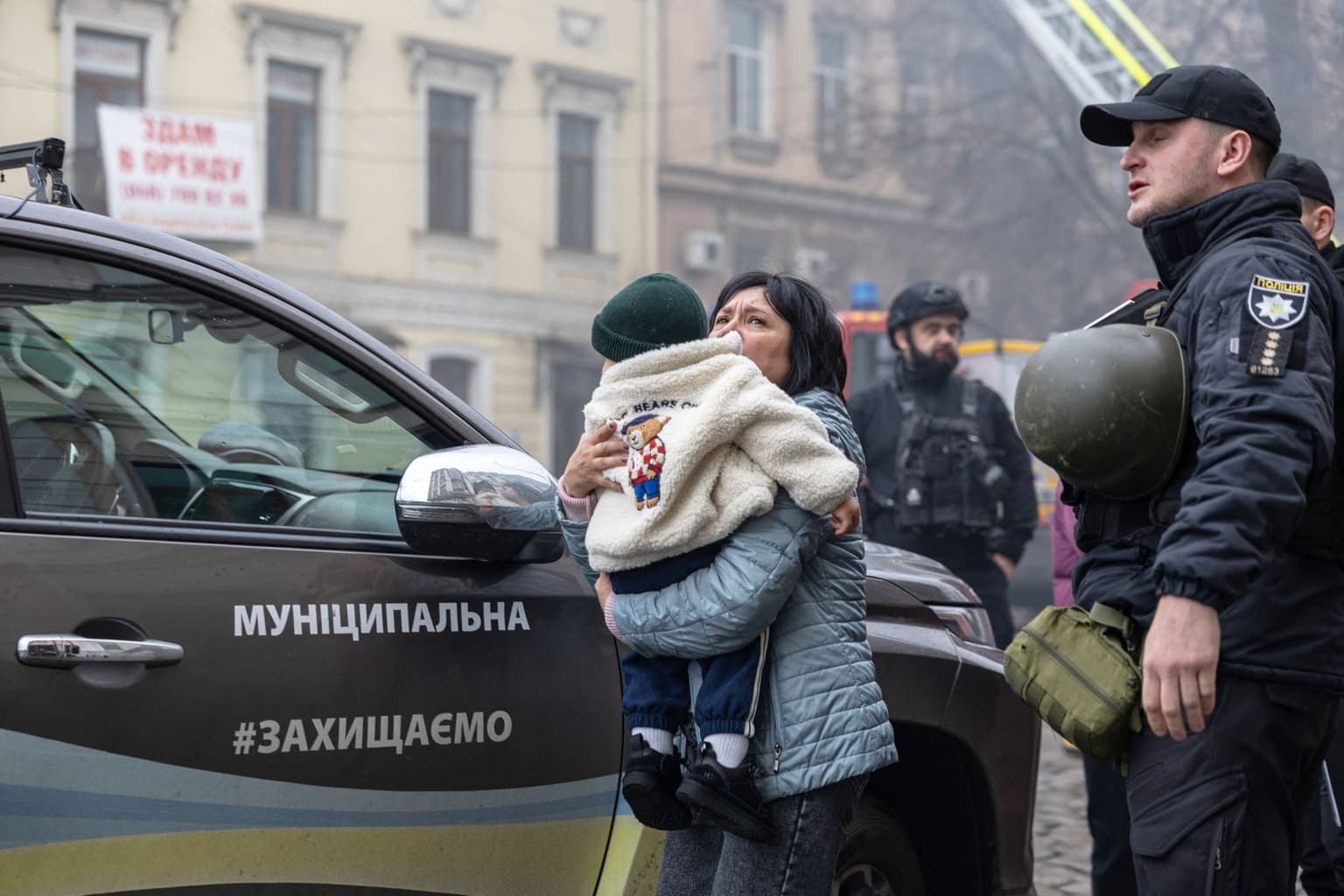
A woman holds a child near damaged buildings following Russian drone attacks in Odesa, Ukraine, on Nov. 18, 2026. (Oleksandr Gimanov / AFP via Getty Images)
 on Google

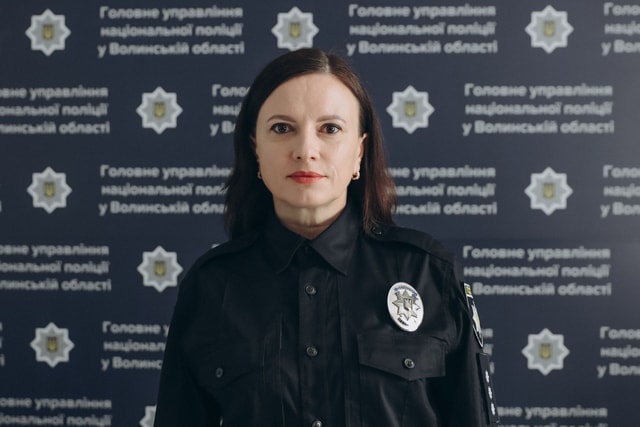
Olha Buzuluk
Senior police lieutenant
Editor's note: The following piece is a personal essay. The author is a Ukrainian police officer.
It was a chilly October morning. I was driving my 14-year-old daughter to school. Classes start at 8 a.m., and, as she often does, she began asking me questions about geopolitics.
Despite her young age, my daughter, like most children in Ukraine, has started asking "adult" questions about the world and politics — questions that I sometimes struggle to answer myself. The war, which began before many of these children could remember life without it, has forced them to grow up too quickly, taking away the childhood their peers in other countries get to enjoy. As I drove her to school that morning, I felt an unease I could not quite shake.
I serve in the police force in Ukraine's Volyn Oblast. My professional life is about more than communications, informational materials, and official news releases. Behind every report are people, their homes, their families, and lives that will never be the same again.
And when a Russian attack claims the lives of civilians in my city, it becomes increasingly difficult to treat it as just another news story. There is no shortage of expert opinions and analyses of this war. I am writing this piece for one reason: to make sure that behind the numbers and yet another news report, we see the people.
"Russia may be unable to win on the battlefield, but it has become a master of terrorizing civilians."
Russian terror is not some abstract threat we hear about in the news. It is the daily reality of Ukrainian families, children, medical workers, rescue workers, and police officers. It is a reality in which an ordinary trip to the store can be your last.
This is how Russia seeks to turn terror into a weapon of war: by making every aspect of ordinary life dangerous, stripping Ukrainians of any sense of security, and making them believe there is no future for them in their own country.
In recent months, Moscow has been expanding this strategy across Ukraine, seeking to spread fear to as many cities as possible and recreate conditions in the rear that are just as dangerous as those near the front line. In October, the Russian military deployed relay stations in Belarus, creating a corridor for Russian drones that has helped them reach Ukraine's western border with Poland and other European countries.

Russia may be unable to win on the battlefield, but it has become a master of terrorizing civilians.
In recent days, air raid sirens have sounded almost every hour in Lutsk, our city, which until recently was considered a relatively peaceful place. Then, on Oct. 14, a Russian drone killed six people and injured 12 others.
My police colleagues were among the first to arrive at the scene.
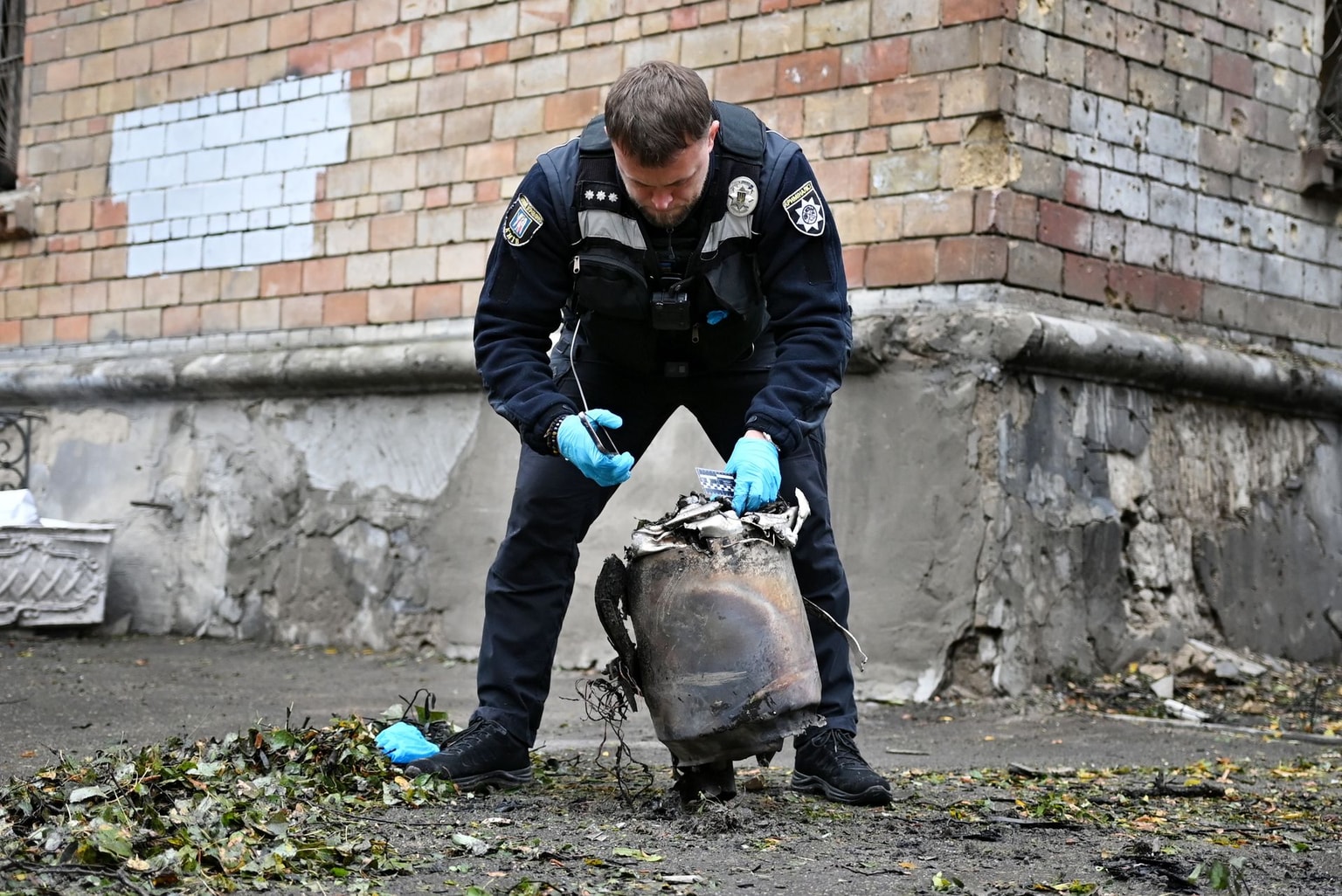
Together with rescue workers, medical personnel, and concerned local residents, they rushed to help those affected. During the war, police work has taken on many new responsibilities. My colleagues set up an operational headquarters at the scene, began taking reports from residents whose property had been damaged, collected DNA samples from relatives to help identify the bodies more quickly, secured public safety, and carried out investigative procedures. Police explosives experts searched the area and recovered fragments of the Russian weapons that had killed civilians.
"Working in police communications, I often think about how little our university education prepared us to cover a war."
That terrible day, a retired couple from Lutsk had simply gone to a store to buy something. A 35-year-old woman was simply there selling it to them. They were not soldiers, and posed no threat to Russia.
By around 1 p.m., my colleagues had sent me photographs of their bodies, along with those of two other people killed at the scene. Another victim would later die in the hospital. More precisely, the photographs showed what was left of them: the force and fire of the explosion had left their bodies barely recognizable.
A journalist colleague called me several times. Someone he knew had gone missing, and he wanted to know whether I had received the names of the victims.
Calls like these are extraordinarily difficult. Each time you do your job, you hope for the best. You hold on to hope, to something greater than yourself. But when the police dispatch center sent me the information, it confirmed that the 35-year-old woman had died.

Working in police communications, I often think about how little our university education prepared us to cover a war.
We were never taught how to report the deaths of colleagues, cover their funerals, or meet the families and children left behind by those killed during war.
We were never taught how to write obituaries, find words of condolence, create memorial photographs, or edit videos that preserve someone's memory for the people who loved them. Nothing can prepare you for this.
We are learning as we go: how to tell the story of a war without turning someone else's suffering into just another piece of news content. How to find words when there are hardly any. How to take photographs without compromising a person's dignity, and how to make videos that do more than document a loss — that preserve a memory.
"Under martial law, the mission of my work has changed. It is not about concealing the horrors of war, but about reporting them in a way that never loses sight of our shared humanity."
We try to do all this with as much humanity as possible, because behind every story is a person, a family, and a life. I know what it means to consult the wife of a fallen colleague about which photograph should accompany a message of condolence.
I have also been to combat zones, where I covered the work of my fellow police officers. There, war cannot be contained in a news report, photograph, or video. It is an entirely different experience, one that words cannot always convey.
That is why I am grateful to my colleagues: those defending Ukraine on the front lines and those working in the rear, helping victims, investigating crimes, identifying the dead, and supporting families. I know how much they do, and I know the price they pay. Their work, courage, and trust in us place a particular responsibility on our shoulders: to tell their stories honestly, with dignity, and without unnecessary grandstanding.
Under martial law, the mission of my work has changed. It is not about concealing the horrors of war, but about reporting them in a way that never loses sight of our shared humanity.
At the same time, as a mother, I want justice for my children, too.

My daughters, like millions of other Ukrainian children, deserve a childhood in which their biggest morning worry is being late for school, rather than hearing the sound of a Russian drone overhead.
They have the right to grow up in a country where going to the store does not put their lives at risk, and where parents do not have to lie awake every night wondering whether their children will survive the next attack.
This is what Ukraine continues to fight for. We want peace, but it must be a just and lasting peace — one grounded in international law, the restoration of Ukraine's territorial integrity and sovereignty, accountability for Russia's crimes, and security guarantees strong enough to prevent Russia from launching another war.
Every day, Ukrainians learn how to live and work through a war, help one another, save lives, document crimes, and preserve the memory of those we have lost. But we must never become accustomed to this as our everyday reality. And the world must never grow accustomed to Russian terror.
Ukraine needs support that will help the country do more than survive. It must help Ukrainians reclaim their right to a future without fear.
Editor's note: The opinions expressed in the op-ed section are those of the authors and do not purport to reflect the views of the Kyiv Independent.