Ukraine war latest: 'Evacuation, air raid,' — Russian military aircraft approach South Korean island, trigger alert
 on Google
Key developments on Nov. 24:
- 'Evacuation, air raid,' — Russian military aircraft approach South Korean island, trigger air raid alert
- Zelensky confirms Ukrainian attack on Russian ship in Gulf of Finland
- Russia breaks yearly troop losses record in Ukraine at 432,519 casualties, General Staff says
- Ukraine, Norway to expand joint DESNA air defense system as Oslo plans $7 billion in 2027 aid
- Around 100 civilians trapped on Russian-occupied Kinburn Spit face severe food, medicine shortages, Ukrainian military says
- UK warns companies supplying Ukraine of Russian sabotage threat
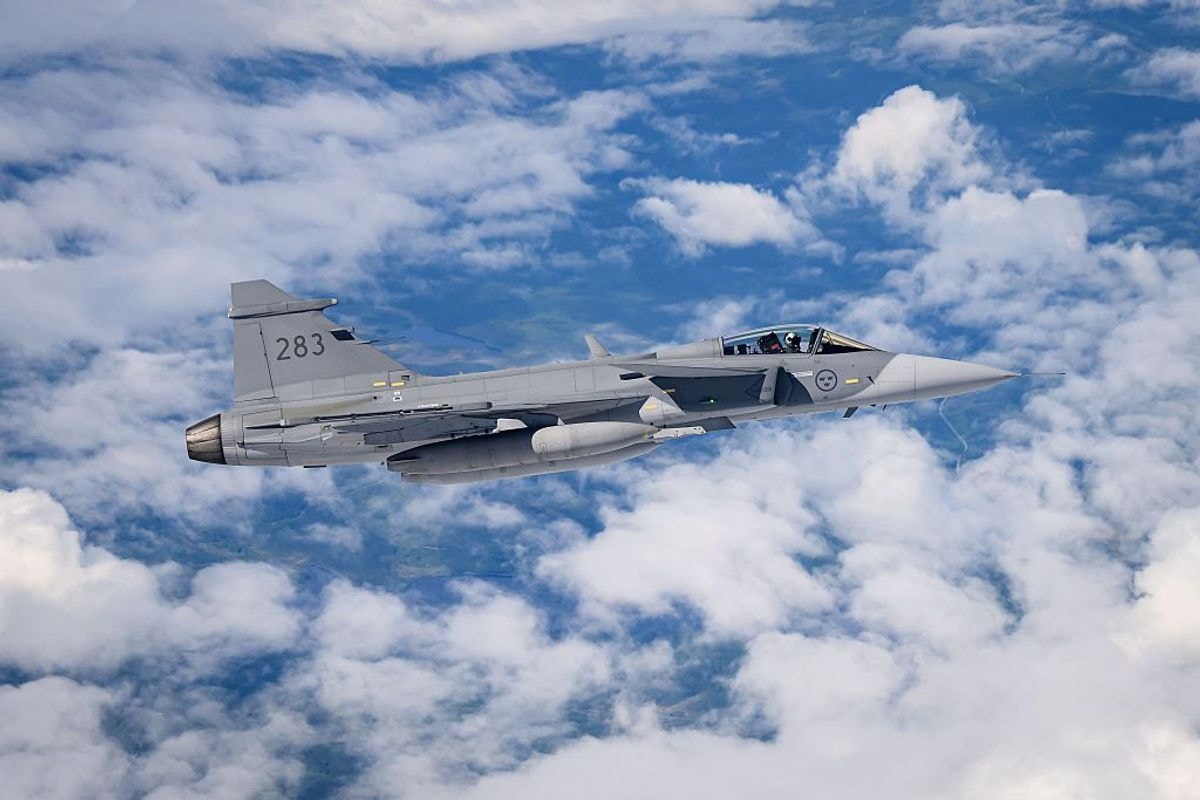
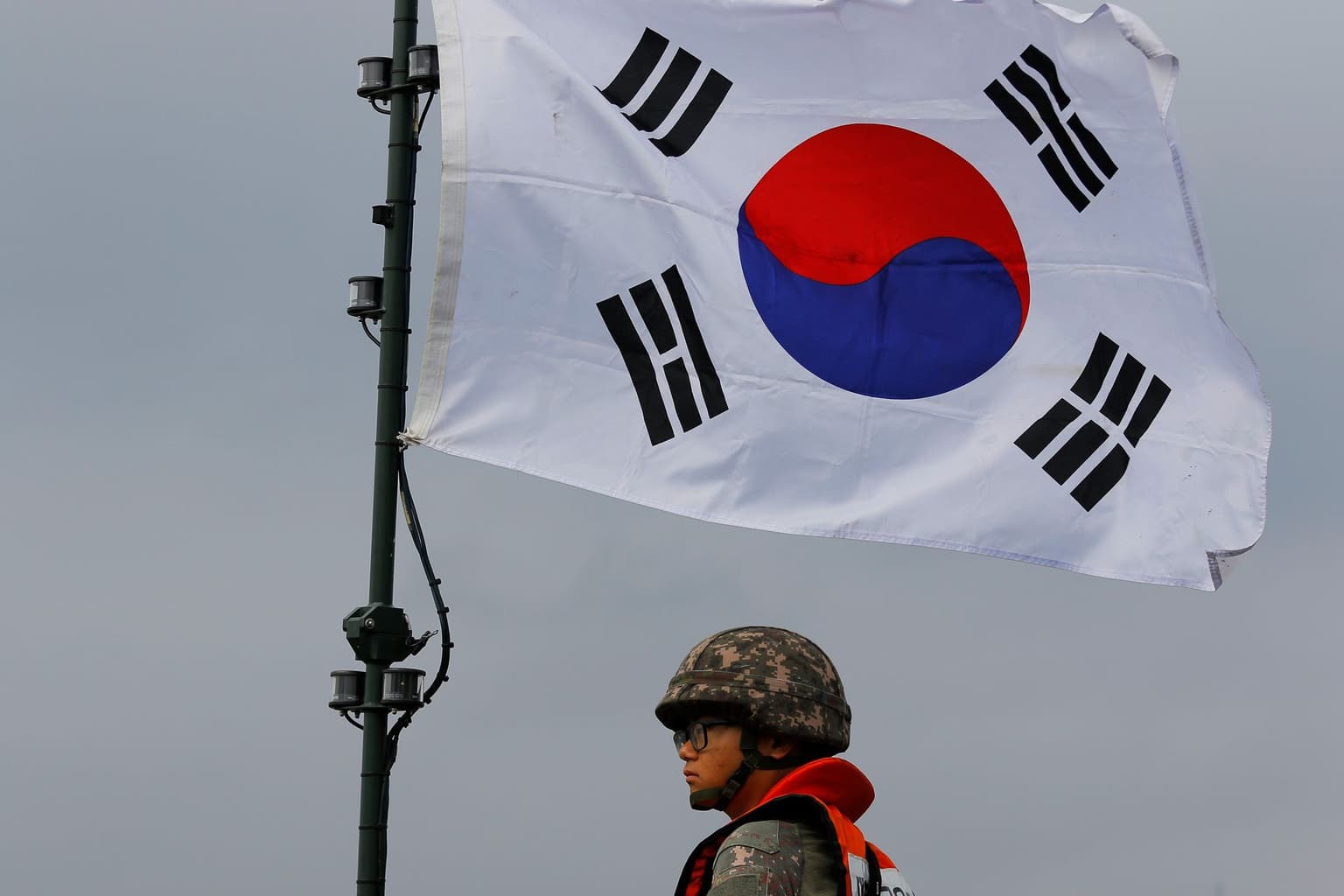
South Korea issued an air raid alert for residents of its Ulleungdo Island and the country's Air Force scrambled its fighter jets on Nov. 24 after Russian military aircraft approached the island, the South Korean news agency Yonhap cited the Joint Chiefs of Staff (JCS) on Nov. 24.
The incident comes amid recent tensions between Russia and South Korea, after Russian military aircraft entered South Korea's Air Defense Identification Zone (KADIZ) on Nov. 17.
On Nov. 24, as on Nov. 17, Russian military aircraft entered KADIZ but did not violate South Korea's sovereign airspace. The military believes Russia would likely have violated South Korea's airspace had Seoul not reacted by scrambling its own fighter jets, Yonhap said.
"Russian warplanes fly 600-700 km per hour on average, or 200 meters per second," a military official told the agency. "You can see how urgent the situation was."
An air defense identification zone extends beyond a country's sovereign airspace and allows its military to identify approaching aircraft. Entry into such a zone does not in itself violate national airspace or international law.
Located in the Sea of Japan, Ulleungdo is a South Korean island 120 kilometers (75 miles) east of the Korean Peninsula.
The Interior Ministry issued an alert to residents of Ulleungdo at 7:52 a.m. local time, instructing them to evacuate to underground shelters or nearby buildings, Yonhap said. Party in English, the alert read "Evacuation, air raid."
The alert was lifted three minutes later, after the Russian aircraft left the area. The incident marked the first time South Korea's military issued a preliminary air raid alert over a possible airspace intrusion by Russian warplanes, Yonhap said.
South Korea's Defense Ministry spokesperson Chung Binna said the ministry planned to summon Russia's military attaché in Seoul later on Nov. 24 to lodge a formal complaint.
The incident follows several similar encounters involving Russian military aircraft near the Korean Peninsula.
In August, Russian military aircraft entered South Korea's air defense identification zone over the East Sea, prompting Seoul to scramble fighter jets.
In June, nearly 10 Russian and Chinese military aircraft entered the zone over South Korea's eastern and southern waters during what appeared to be joint aerial exercises.
South Korea subsequently lodged a protest with Moscow and Beijing through diplomatic channels over the June incident.
read also
Zelensky confirms Ukrainian attack on Russian ship in Gulf of Finland
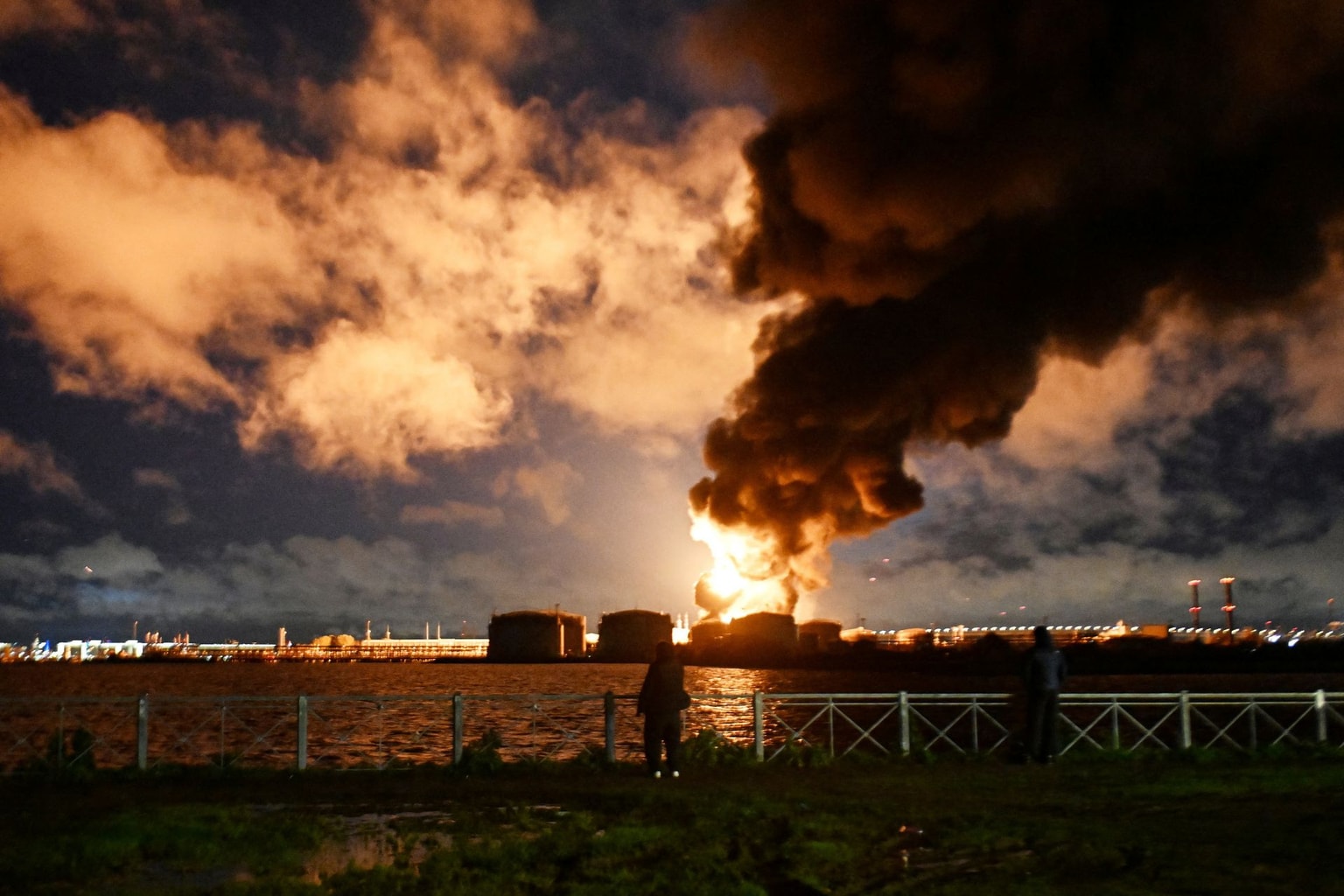
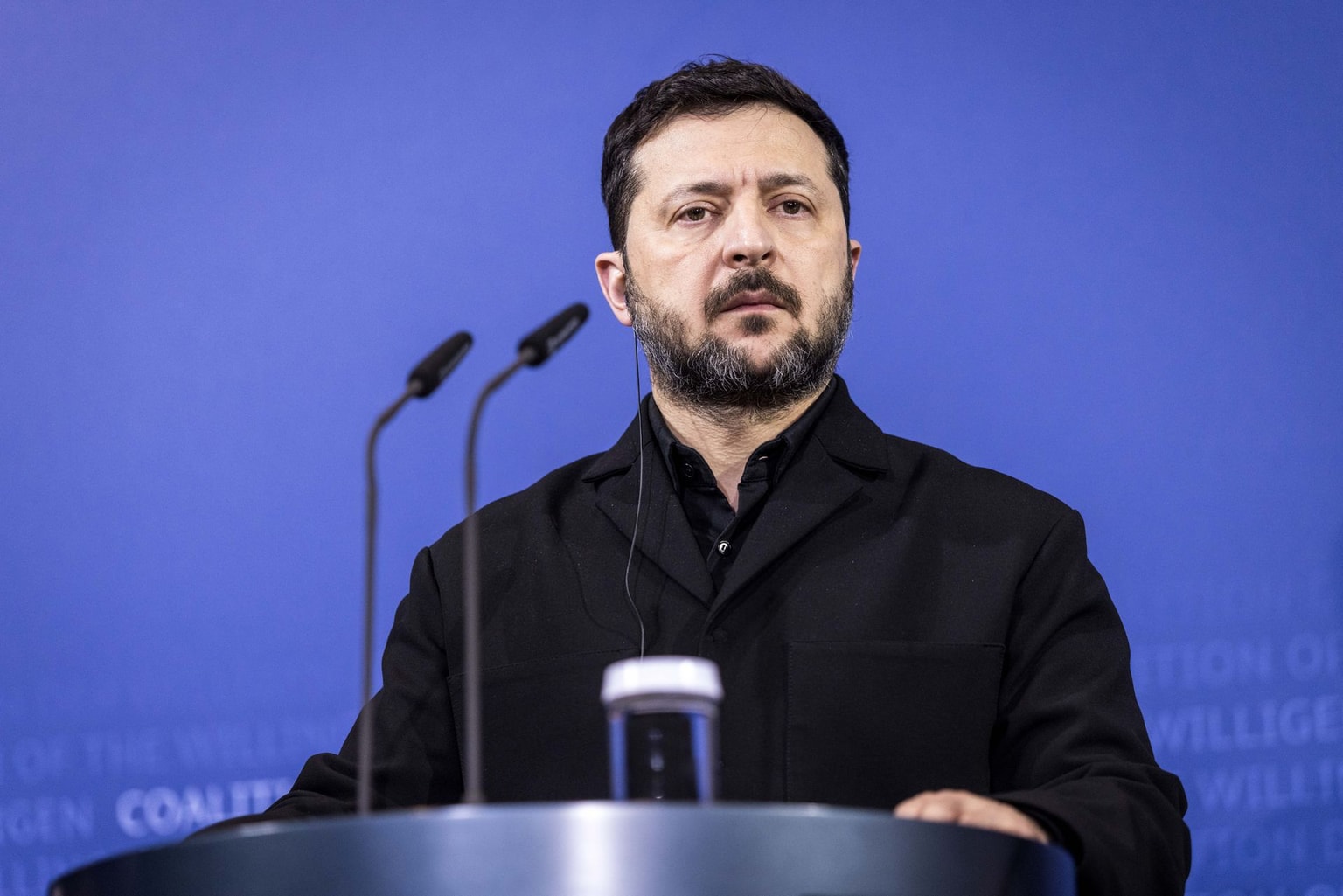
President Volodymyr Zelensky confirmed in an interview with Bloomberg on Nov. 24 that Ukraine struck the Russian cargo ship Sparta II, sanctioned by the United States and Ukraine, in the Gulf of Finland on Nov. 21 with a drone.
Zelensky told Bloomberg that the ship was a legitimate target for Ukrainian self-defense, given that it was carrying weapons. While he defended Ukraine's right to strike the ship, he also acknowledged that the strike may have raised concerns among Ukraine's allies.
Finland's defense minister already raised the risks to civilian shipping with Kyiv.
"We have told the Ukrainians this time, and a little earlier too, how sensitive this narrow stretch of the Gulf of Finland, right between us and Estonia, is in terms of environmental safety and the safety of civilian shipping," he told Finnish outlet Yle.
At the same time, Finnish Prime Minister Petteri Orpo commented on the Sparta II strike and emphasized that Ukraine has the right to defend itself against the aggressor.
The attack targeted the Sparta II, a sanctioned vessel with a history of transporting Russian military equipment, in international waters before it drifted into Finnish territorial waters, raising questions about the security of commercial shipping in the Baltic Sea.
It sparked a fire aboard the ship, which remained out of control later on Nov. 21, with Finnish authorities warning that further explosions were possible and that the vessel could sink if the blaze continued.
Ilja Iljin, a commander at the Finnish Border Guard headquarters, told Finnish public broadcaster Yle that the vessel had lost steering capability after being struck by what he described as Ukrainian drones in Russian territorial waters. It subsequently drifted into Finnish territorial waters near Loviisa.
Russia breaks yearly troop losses record in Ukraine at 432,519 casualties, General Staff says
Russia has suffered 432,519 military casualties in its war against Ukraine since Jan. 1, a record since the start of the Russian full-scale invasion, Ukraine's General Staff said on Nov. 24.
With five weeks to go before the end of the year, Russia's troop losses in 2026 surpassed the previous record set in 2024 of 430,790 annual losses, the General Staff said, calling it an "anti-record."
The General Staff said the latest figure is higher than the combined population of four Russian regions: the Nenets Autonomous Okrug, Chukotka Autonomous Okrug, Magadan Oblast, and the Republic of Altai. Together, the regions are home to approximately 434,000 people.
"This is an area of about 1.5 million square kilometers, which is almost 2.5 times larger than the area of Ukraine," the General Staff added.
Russian battlefield losses have been particularly high in recent months. October 2026 was the deadliest month for Russian troops since the start of the full-scale invasion, with 54,400 personnel killed, wounded or missing, according to Ukraine's General Staff.
Further records were set in November, with Russia losing 2,980 troops in a single day on Nov. 8, the highest daily figure reported since February 2022. "One less invader every 29 seconds," the General Staff said on Nov. 9.
At the same time, Russian forces suffered a net territorial loss of approximately 27 square kilometers (10 square miles) in October. This was the second consecutive month in which Moscow lost more territory than it gained, according to the Institute for the Study of War (ISW).
Around 700,000 Russian soldiers have likely been killed in Russia's full-scale war against Ukraine as of September 2026, independent Russian outlet Mediazona reported on Nov. 23, citing its analysis of recently leaked data from Rosstat, Russia's state statistics agency.
Mediazona, together with the BBC's Russian Service, has since May 2022 run one of the only verified counts of Russian war deaths, building a database of confirmed cases from social media posts, pictures of graves, and other official or organic sources. As of early November, the count stood at 285,881.
In a major development in tracking Russian losses, hacker groups Belarusian Cyberpartisans and Silent Crow claimed responsibility on Nov. 7 for a cyberattack on Russia's Federal State Statistics Service (Rosstat). The hackers leaked death records indicating that between 394,000 and 450,000 people fighting on Russia's side, or otherwise linked to the war, had died since the start of the full-scale invasion of Ukraine.
The groups said they obtained the records from Rosstat's internal Demography database, containing information from death certificates registered between February 2022 and August 2026.
"Behind each figure is the daily work of Ukrainian soldiers: infantrymen, artillerymen, drone operators, tankers, pilots, and others. They disrupt assaults, destroy enemy manpower and equipment, and force the Russian Federation to pay an increasingly high price for its war," the General Staff said.
Ukraine, Norway to expand joint DESNA air defense system as Oslo plans $7 billion in 2027 aid
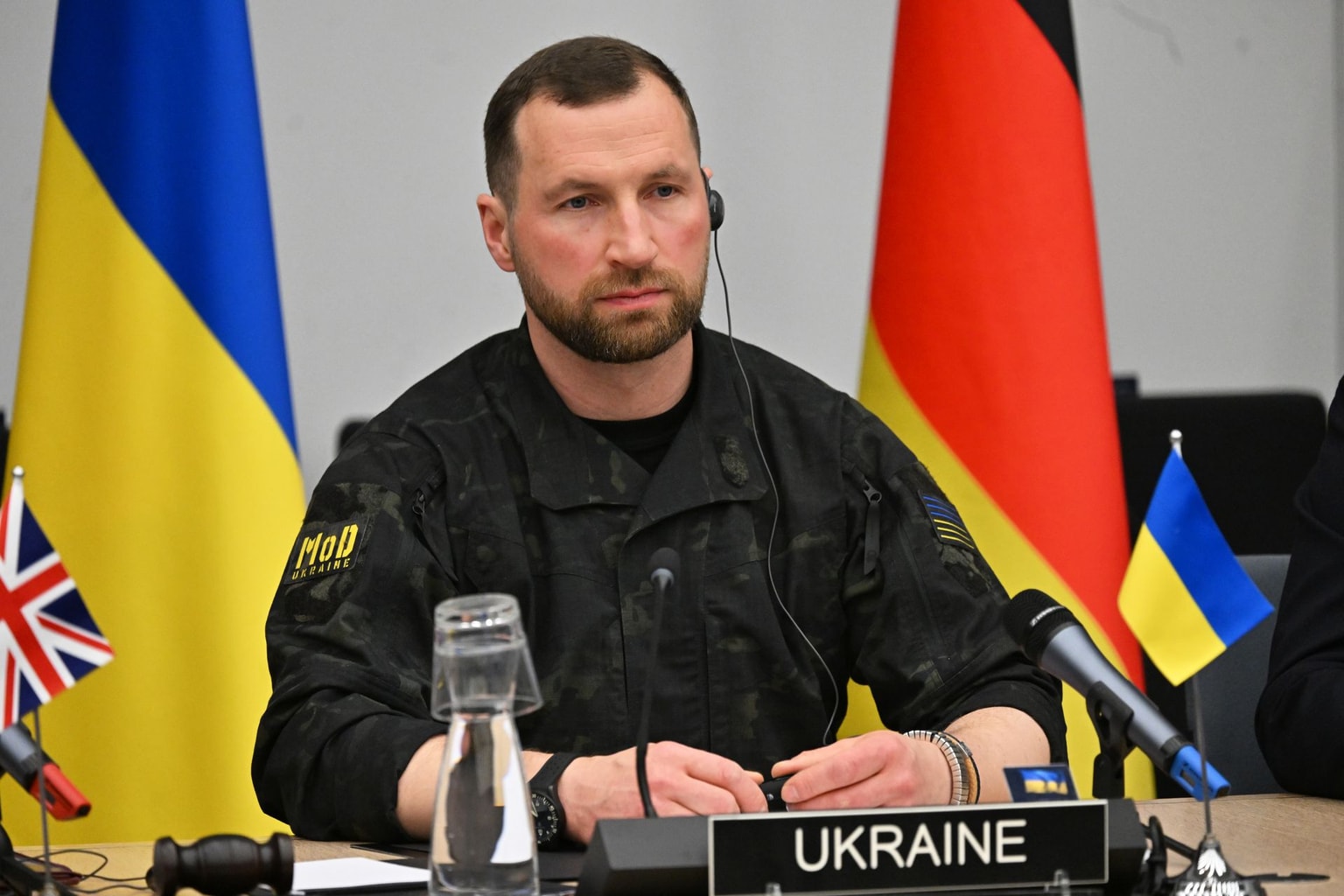
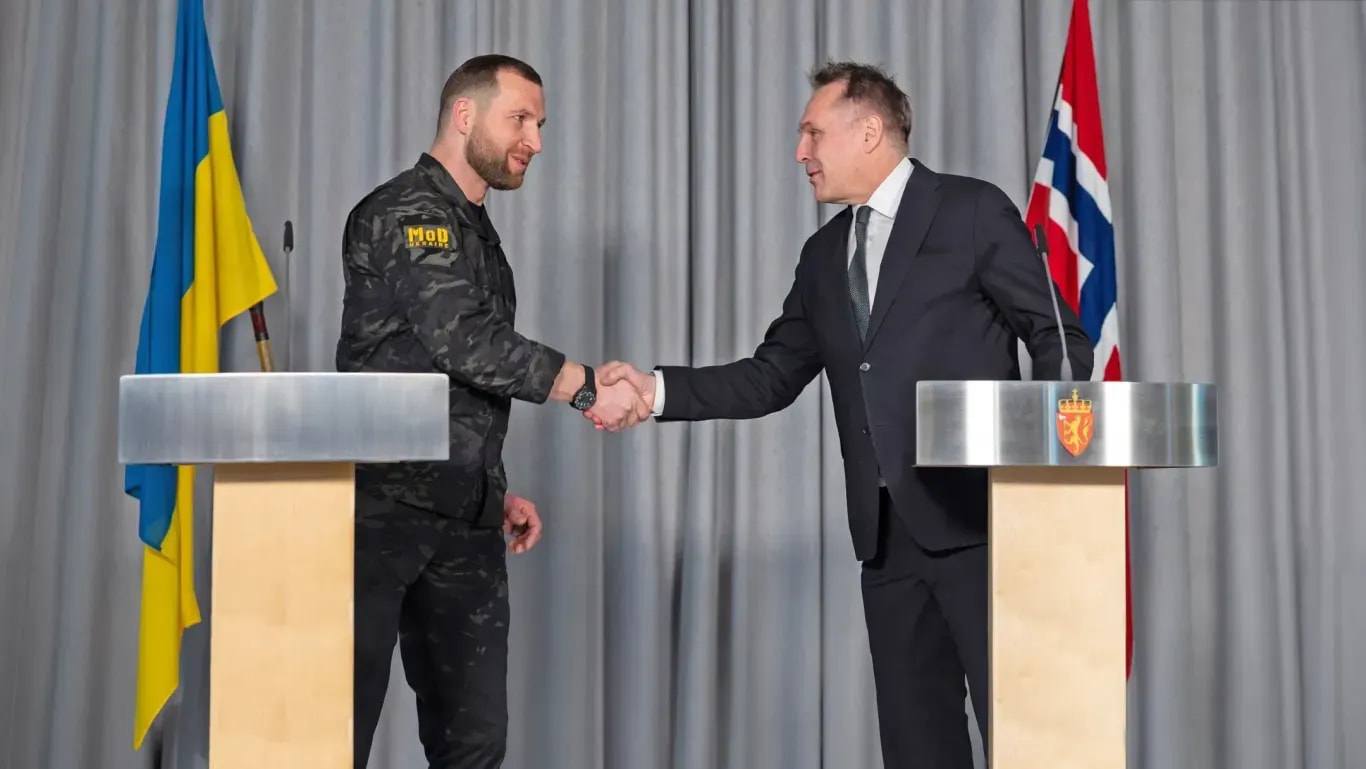
Ukraine and Norway are working to expand the deployment of DESNA, a jointly developed air defense system already operating in Ukraine, as Oslo plans to provide at least $7 billion in assistance in 2027, Ukrainian Defense Minister Yevhenii Khmara said on Nov. 24.
European military support is increasingly critical as Ukraine faces a severe shortage of interceptor missiles and Russia intensifies its missile and drone attacks ahead of winter.
On Oct. 27, President Volodymyr Zelensky said Ukraine was receiving an average of just 12 Patriot missiles per month. The U.S.-made Patriot is one of the few air defense systems in Ukraine's arsenal capable of intercepting Russian ballistic missiles.
On Nov. 22, Zelensky said Russia had launched 165 missiles, around 2,700 attack drones and nearly 1,460 glide bombs at Ukraine over the previous week. Meanwhile, Patriot missile deliveries to Ukraine have faced delays.
"Ukraine and Norway have launched and are scaling up a new air defense system, the DESNA launcher, equipped with Ukrainian-made missiles and integrated with a Norwegian fire-control system," Khmara told reporters following talks with Norwegian Defense Minister Tore Sandvik in Oslo.
DESNA is already operating in Ukraine and has demonstrated its effectiveness against Russian drones, including jet-powered variants, Khmara said. The two countries discussed expanding the system's deployment.
Norway's assistance in 2027 will prioritize strengthening Ukraine's air defense capabilities, including with interceptor missiles, Khmara said.
The ministers also discussed supplying additional combat aircraft and ammunition, expanding cooperation on unmanned systems, and scaling up cooperation through joint production projects and the exchange of battlefield experience.
The ministers also signed a memorandum of understanding on cooperation regarding Ukraine's DELTA battlefield management system, which Norway plans to adapt for use by its armed forces, Norway's Defense Minister Tore Sandvik said.
DELTA is Ukraine's military platform. It gives Ukrainian forces a shared digital picture of the battlefield, helping them track Russian positions, collect intelligence and coordinate operations.
According to the memorandum, Norway will receive access to components of DELTA through the DELTA Lab initiative, allowing it to use, adapt and contribute to the system's further development.
Around 100 civilians trapped on Russian-occupied Kinburn Spit face severe food, medicine shortages, Ukrainian military says
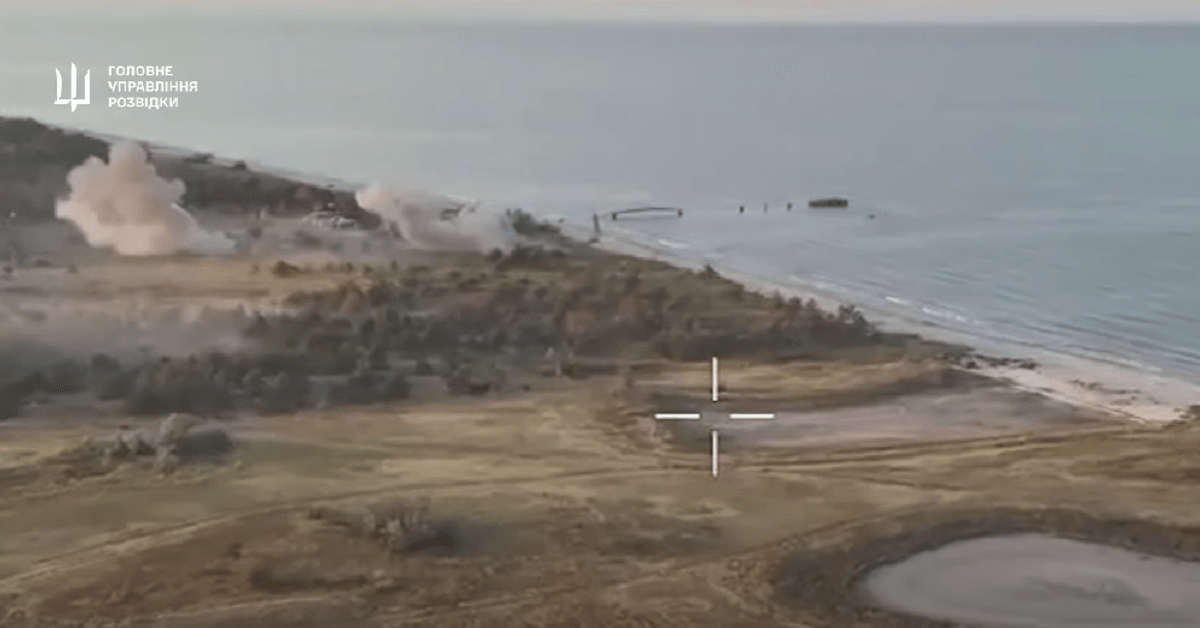
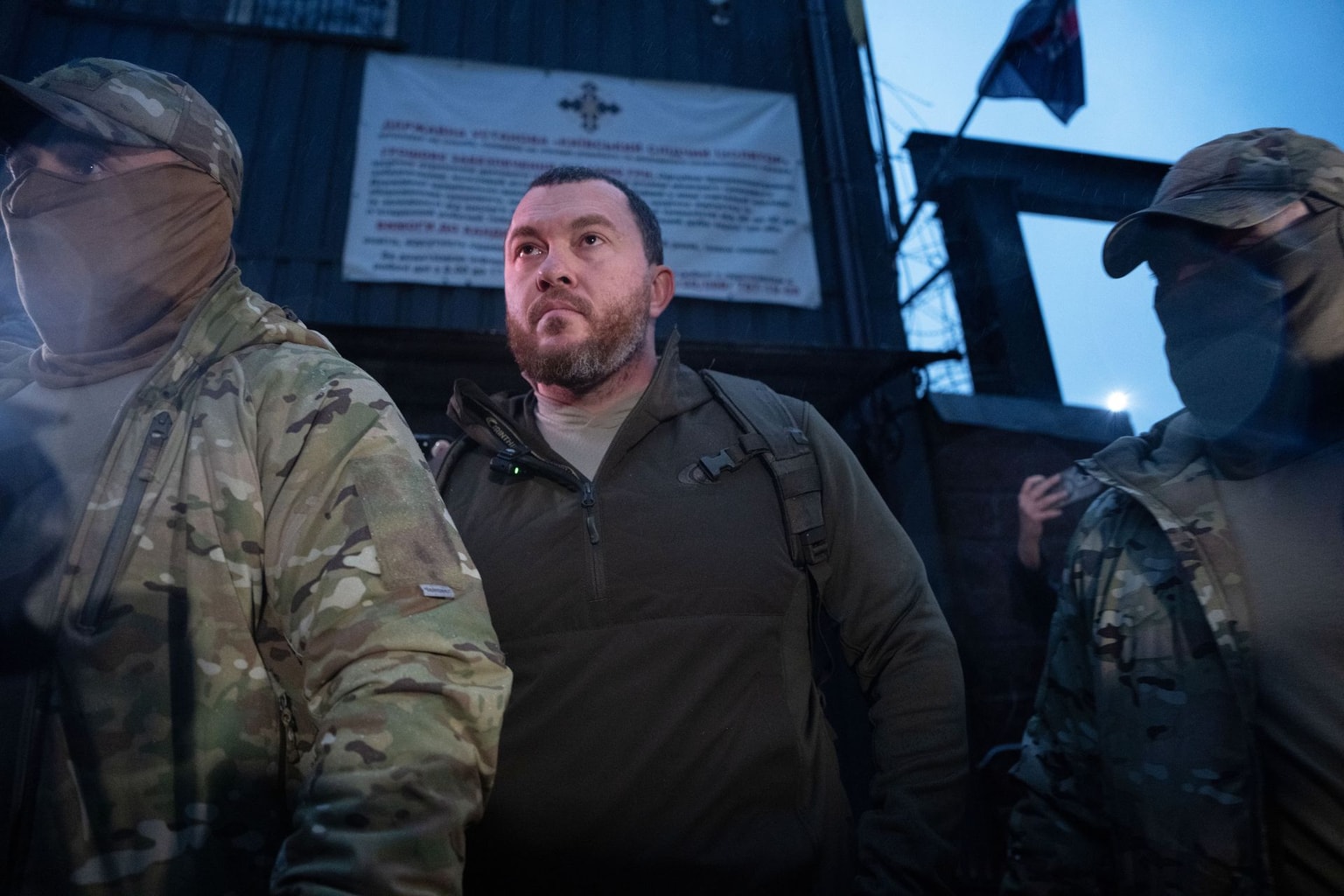
Around 100 civilians remain trapped on the Russian-occupied Kinburn Spit in Mykolaiv Oblast, facing severe shortages of food and medicine as winter approaches, Ukrainian military officials reported on Nov. 24.
Most of those remaining in the villages of Pokrovske, Vasylivka, and Heroiske are elderly residents who have been unable to evacuate due to extensive Russian minefields and restrictions imposed by occupying forces.
Colonel Denys Nosikov, commander of Ukraine's Odesa Operational Tactical Group, said the military was examining options for delivering food and medicine to the occupied peninsula, according to ArmyInform.
Residents who managed to escape described worsening conditions, with basic food supplies exhausted and access to medical care virtually nonexistent.
"There is no bread, no sugar, no flour. If they don't evacuate them from there, it's a nightmare," an elderly woman who fled the area told ArmyInform.
Another resident said people suffering from chronic illnesses, particularly high blood pressure, lacked even basic medication and equipment to monitor their conditions.
"There's nobody to provide even the most basic medical assistance," she said. "It's literally a matter of life and death."
Evacuation routes are severely restricted by the peninsula's geography and extensive Russian mining, with residents describing the land route to the mainland as a "road of death."
According to ArmyInform, Russian troops have also obstructed evacuation attempts and used the remaining civilians as human shields.
The Kinburn Spit, a narrow stretch of land at the mouth of the Dnipro-Buh estuary, has remained under Russian occupation since 2022.
UK warns companies supplying Ukraine of Russian sabotage threat
British intelligence and defense officials have warned companies supplying Ukraine's military that they could face Russian sabotage attacks, urging them to strengthen security measures, according to a joint alert issued on Nov. 24.
The warning comes amid a series of suspected Russian sabotage operations across Europe, including an arson attack against an Estonian defense company, Milrem Robotics, which supplies unmanned ground vehicles to Ukraine. Estonian authorities attributed the August attack to Russian intelligence.
The UK's National Protective Security Authority (NPSA), which forms part of domestic intelligence agency MI5, and the Ministry of Defence issued the alert to companies providing weapons, equipment, procurement services, and other material support to Ukraine's armed forces, including businesses involved in supply chains.
British officials said Russia had stepped up sabotage attempts against European defense facilities in recent months, often using recruited operatives to carry out arson attacks and other operations aimed at weakening support for Ukraine. The threat also includes espionage, intimidation, and information operations, according to the alert.
"If your organisation supports military procurement or supplies equipment to Ukraine's armed forces, it could be a target," the official guidance warned.
Companies were advised to limit publicly available information about their facilities, employees, and operations, strengthen physical security, and train staff to recognize and report suspicious activity.
The guidance also urged businesses to review their online exposure, identify critical assets, and prepare for potential attacks.
The British government separately announced closed-door security briefings for executives from defense companies and critical infrastructure operators on Nov. 24 and 25, bringing together senior intelligence officials and government ministers.