Bulgaria to seek removal of Russia's Patriarch Kirill from EU sanctions list, prime minister says
 on Google
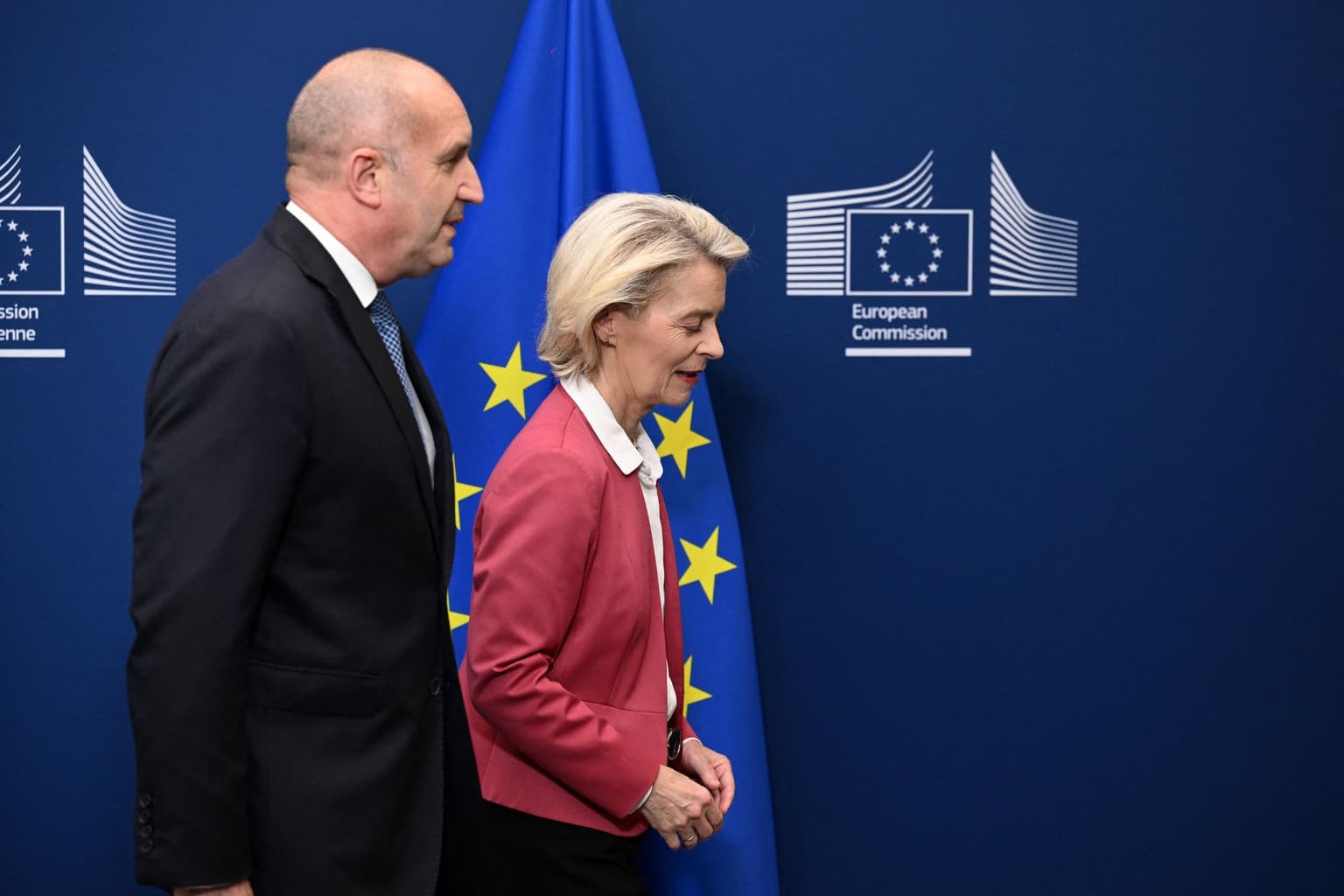
BRUSSELS — Belgium, Bulgarian Prime Minister Rumen Radev said on June 18 that his government will seek the removal of Patriarch Kirill, the head of the Russian Orthodox Church, from the EU's next sanctions package.
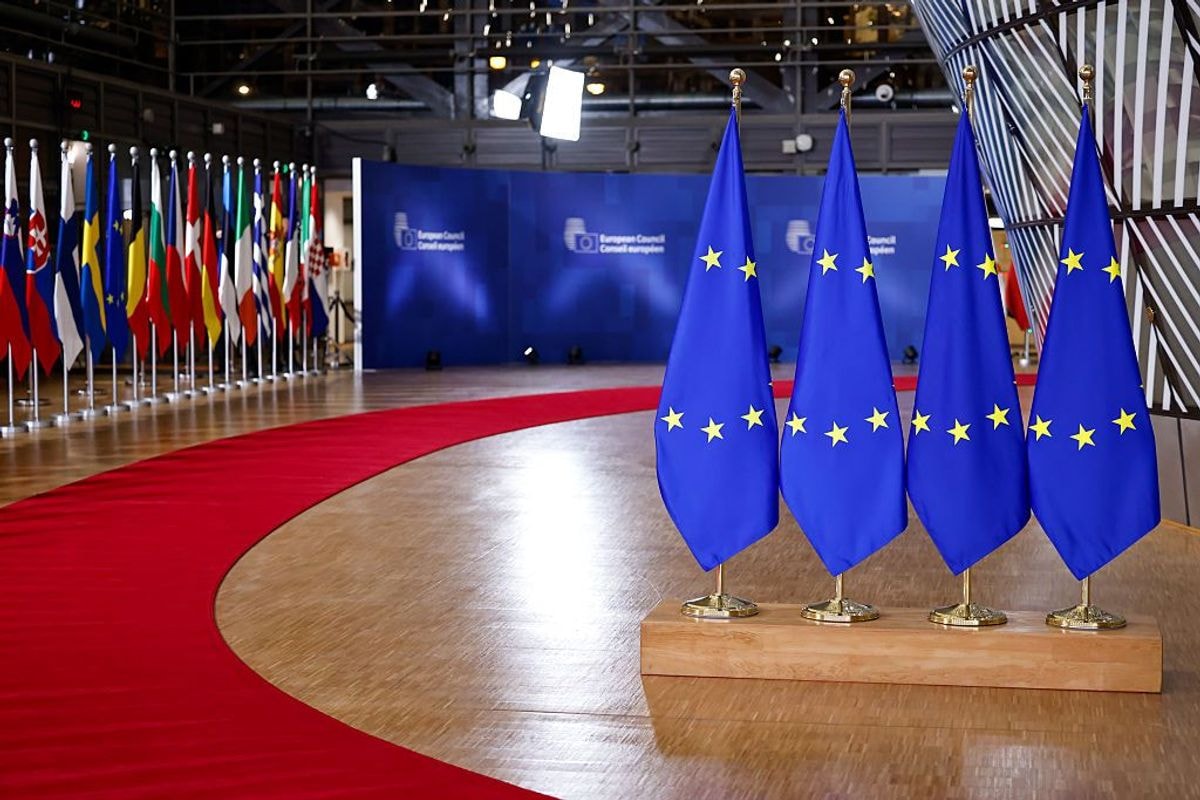
Radev made the remarks ahead of the European Council summit, where EU leaders are expected to discuss a new round of sanctions against Russia and continued support for Ukraine.
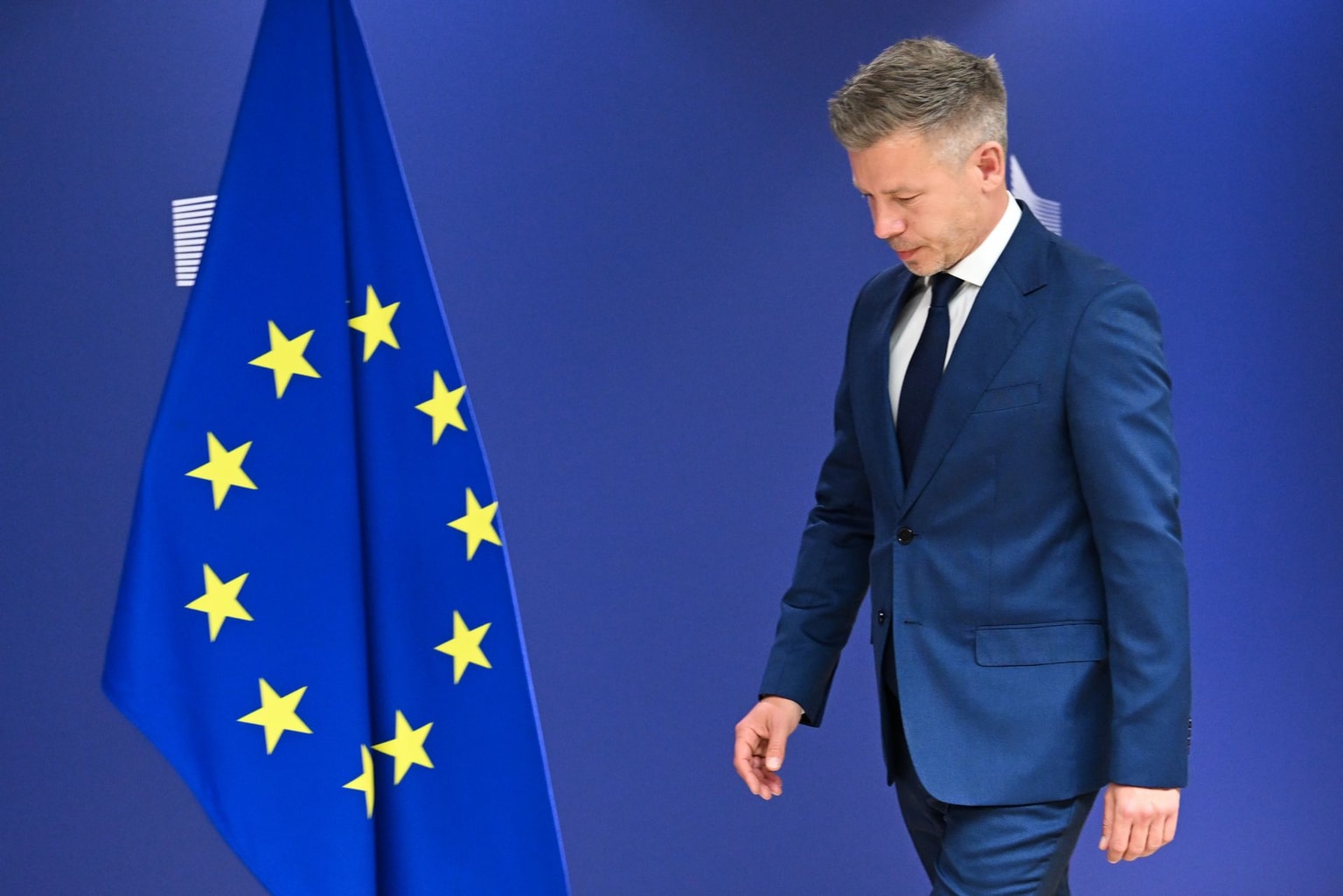
The summit will be the first time Hungary is represented by Prime Minister Peter Magyar, who ousted his predecessor, Viktor Orban, in a landslide election in April. That removal has led the EU to review all previously proposed sanctions that Hungary had blocked.
Among the figures previously shielded from sanctions was Patriarch Kirill, whose secular name is Vladimir Gundyayev. The religious leader has publicly supported Russia's full-scale war against Ukraine and is widely viewed as a close ally of the Kremlin.
"I am not interested in Patriarch Kirill in general. I am interested in the Russian Orthodox Church, because the Russian Orthodox Church has contributed to our liberation from the five-century Ottoman slavery," Radev told reporters.
When asked to clarify his position, the Bulgarian premier said: "Bulgaria will ask Patriarch Kirill to be removed from the sanction package."
Radev became prime minister following Bulgaria's May election.
His comments came amid questions over whether he, or Magyar, could emerge as a successor to Orban's role as a frequent blocker of EU decisions requiring unanimity, including sanctions against Russia and matters related to Ukraine's EU accession process.
The Bulgarian leader rejected the comparison.
"I can tell you from now on that we will support the negotiation process," he said on Ukraine's EU membership. "What Ukraine is doing in this situation, trying to make reforms, must be stimulated."
Radev added that he will meet with President Volodymyr Zelensky later on June 18.
On sanctions, the Bulgarian prime minister held firm that his country "will not allow sanctions that harm and pose a risk to the Bulgarian economy."
"If we see a significant risk for the operation of (the oil refinery) Lukoil Neftohim Burgas, we will want to be excluded from the sanctions package," Radev said.