Russia's war reaches Bulgaria's shores, putting Radev's Moscow-friendly stance to the test
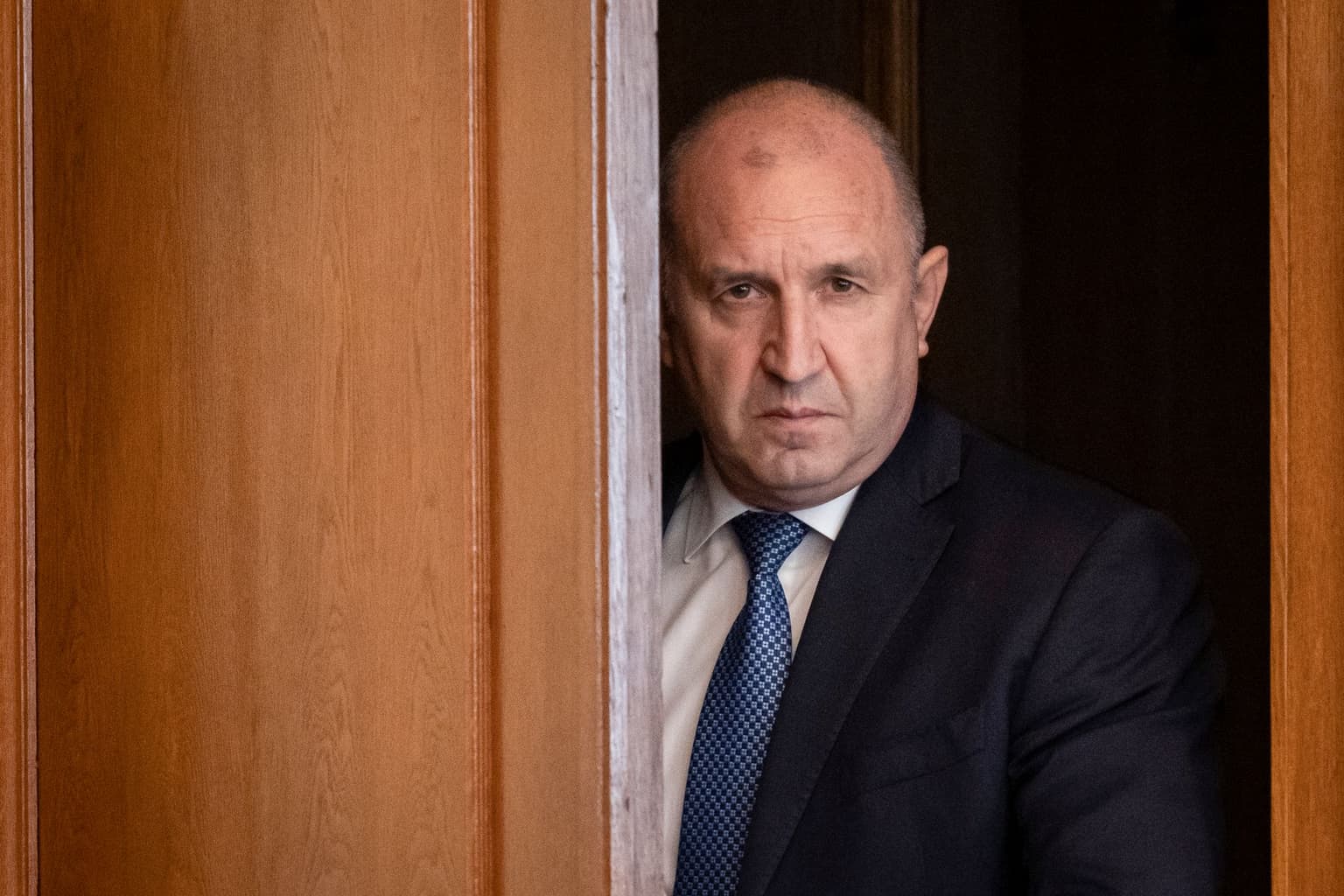
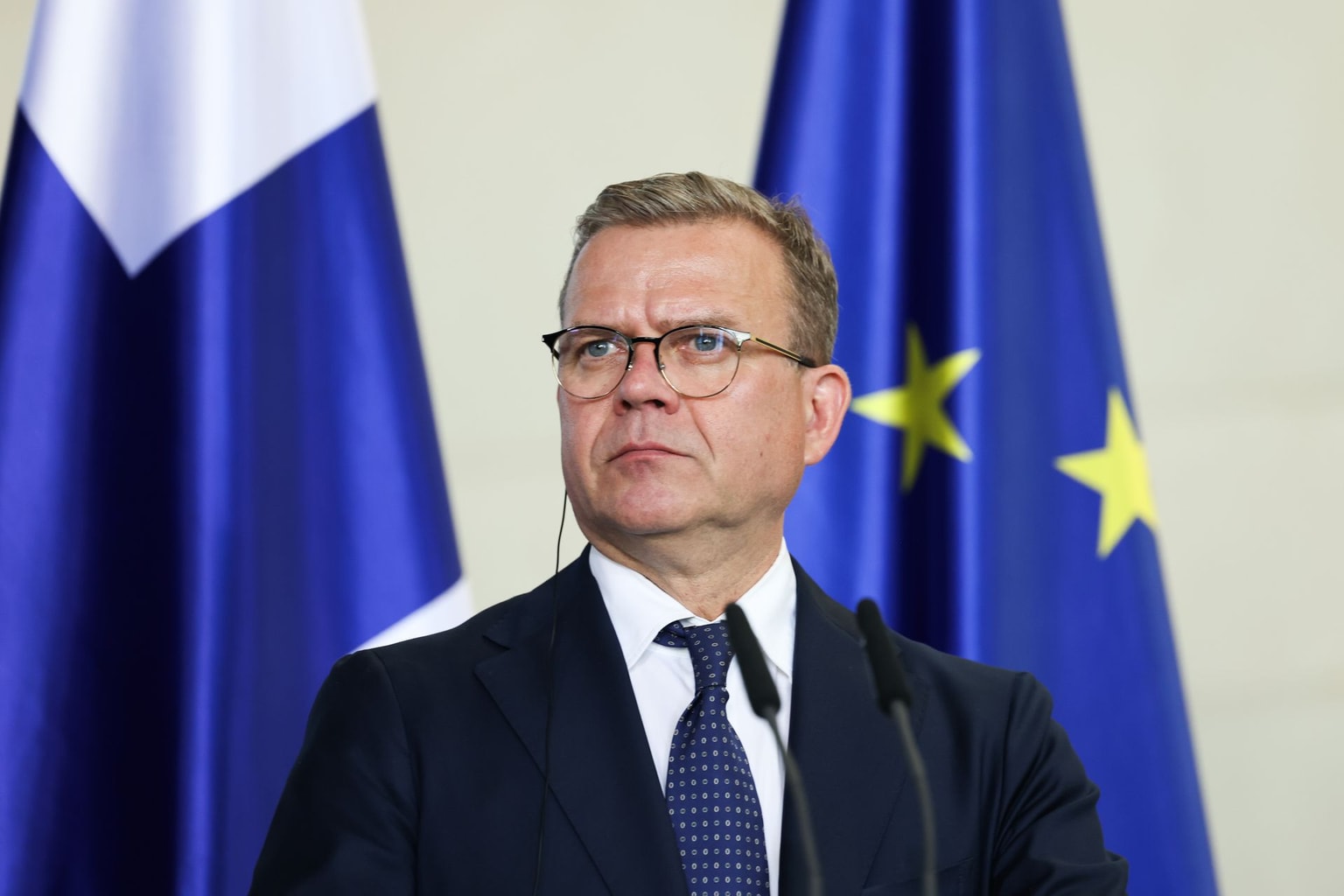
Bulgarian Prime Minister Rumen Radev in Sofia, Bulgaria, on Oct. 6, 2026. (Nikolay Doychinov / AFP via Getty Images)
 on Google
The balancing act of Bulgaria's Moscow-friendly leader stands on shaky ground.
Since taking office in May, Bulgarian Prime Minister Rumen Radev has taken a harsh line on Ukraine while adopting steps his critics say are accommodating to Moscow.
Radev's course has now come under scrutiny as Bulgaria, a southeastern NATO member state, feels first-hand the spillover of Russia's war against Ukraine.
Four merchant vessels were hit by drones near Bulgaria's Black Sea coast in October. Two of the vessels sank and several sailors are reported dead or missing.
Under fire from opposition, Radev, a former military officer and Bulgaria's ex-president, only cautiously hints at Moscow's complicity — stopping short of a direct accusation.
"Radev’s balancing act between the West and Moscow would eventually catch up with him."
With Russian drone incursions and Moscow-backed hybrid operations on NATO territory growing ever more brazen and frequent, Bulgaria has no guarantee that the strikes in its waters will come to an end.
Radev's room to maneuver between Bulgaria's NATO membership and a thaw in ties with Moscow is shrinking, observers say.
"I have argued for some time that Radev's balancing act between the West and Moscow would eventually catch up with him," Dimitar Keranov, an analyst at the German Marshall Fund's European Resilience program, told the Kyiv Independent.
"It now has."
Russia's war reaches Bulgarian waters
Two Turkish-managed ships were hit by naval and aerial drones about 70 nautical miles (130 kilometers) east of the Bulgarian town of Byala on Oct. 6, inside Bulgaria's exclusive economic zone.
The Alfa Watan, flying a Togo flag, sank, with 10 crew members — including nine Syrian nationals — presumed dead.
Two more vessels were hit by drones near the Bulgarian Black Sea coast on Oct. 13, including the Ukrainian-owned, Maltese-flagged Chelsea 3, hit east of Byala. Its crew, including seven Ukrainians, was rescued.

The second ship, the Guinea-Bissau-flagged HS Dignity, was hit by drones east of the Bulgarian village of Krapets and sank, with 11 sailors reported missing.
The attacks came amid escalating hostilities in the Black Sea, with Moscow attempting to impose a blockade on Ukrainian trade by attacking ports and merchant ships.
Several commercial ships were also hit in and around Romanian waters over the past weeks.
While Ukraine has blamed Russia, Radev was initially hesitant to name the origin of the drones, saying only "they were clearly either Russian or Ukrainian."
Both Russian and Ukrainian drone incursions have been recorded along NATO's eastern flank over the past months, with the latter being a result of Russian jamming diverting Ukrainian unmanned vehicles.
But Radev's hesitation has provided an opening to the country's opposition.
On Oct. 6, lawmakers from the GERB–SDS, a center-right opposition coalition, blasted Radev for failing to properly identify the culprit.
The coalition's junior partner, the SDS (Union of Democratic Forces), even called the attack "an act of aggression by the Russian Federation in Bulgaria's exclusive economic zone."
Finally, after the second attack, Radev acknowledged that Russia was the one to benefit from the attacks, and Sofia summoned the Russian envoy.
Nevertheless, Radev has not formally accused Moscow, citing a lack of decisive evidence.
Keranov summarizes this position as a "convenient deflection."
"Formal attribution takes time, but once a government concludes that the logic points to Moscow, it does not need a final forensic report to act on that assessment."
But Ruslan Stefanov, a program director and chief economist at the Center for the Study of Democracy, a Sofia-based European public policy institute, says waiting for proof is reasonable.
On the other hand, "continued failure to identify Russia as the main driver of instability and unsafe navigation in the Black Sea does not reflect operational reality and is widely seen as part of a broader pattern of unnecessary and harmful caution toward Moscow," he said.
"Moscow is testing Bulgaria because it sees it as the weak link on NATO’s southern flank."
The maritime attacks are not the only security-related incidents hitting Bulgaria in recent weeks and months.
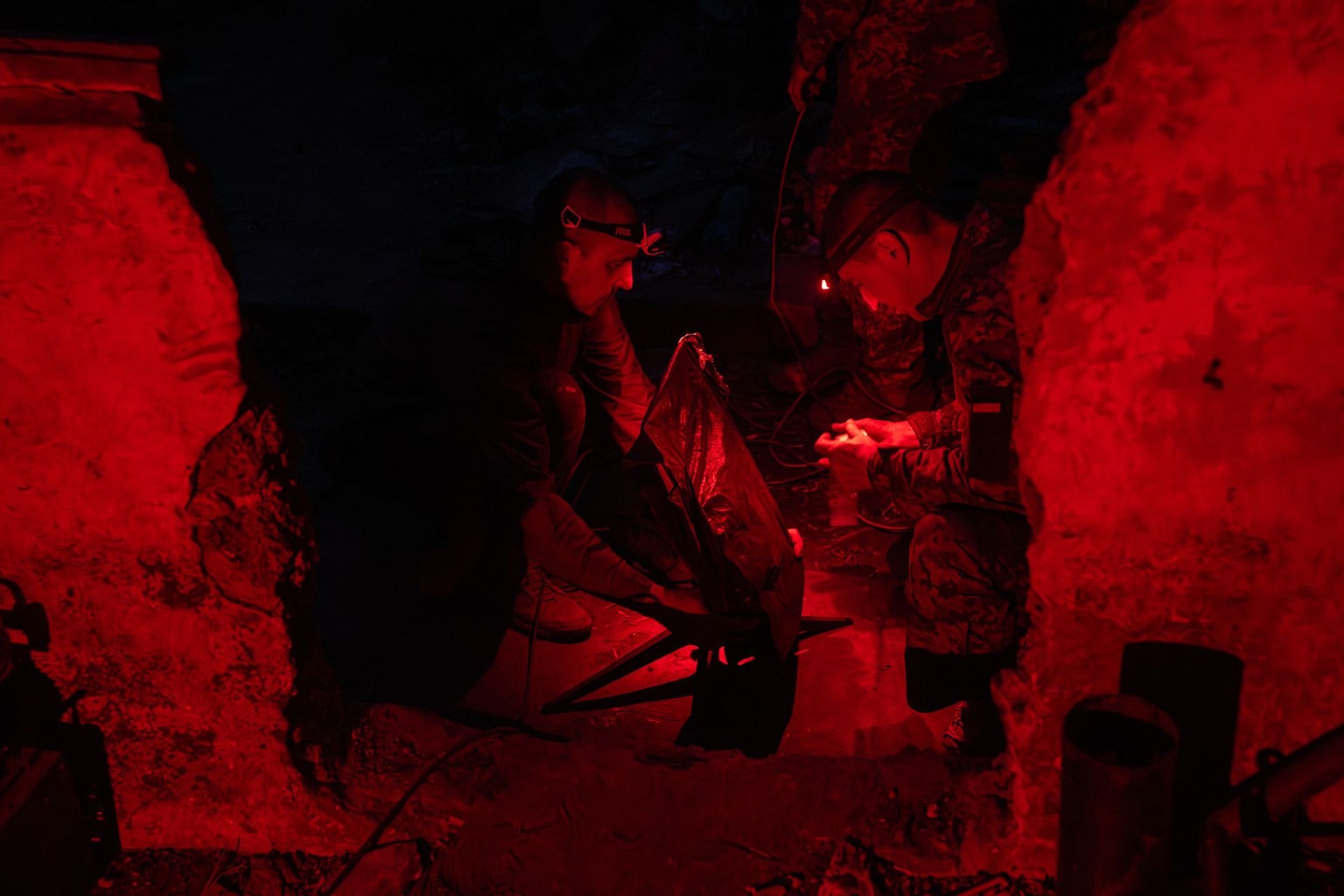
Earlier in October, two masked men were said to have set fire to 11 out of 17 Starlink antennas at a facility near Sofia.

Ivaylo Mirchev, one of the leaders of the opposition Democratic Bulgaria (DB), hinted at connections to "Russian-style sabotage."
Yet Radev has remained tight-lipped about who was behind the arson, even though Poland blamed Moscow for a similar attack against a Starlink station on Polish territory in September.
Ukraine widely uses Starlink network services, operated by Elon Musk's SpaceX, for both civilian purposes and to support military operations.
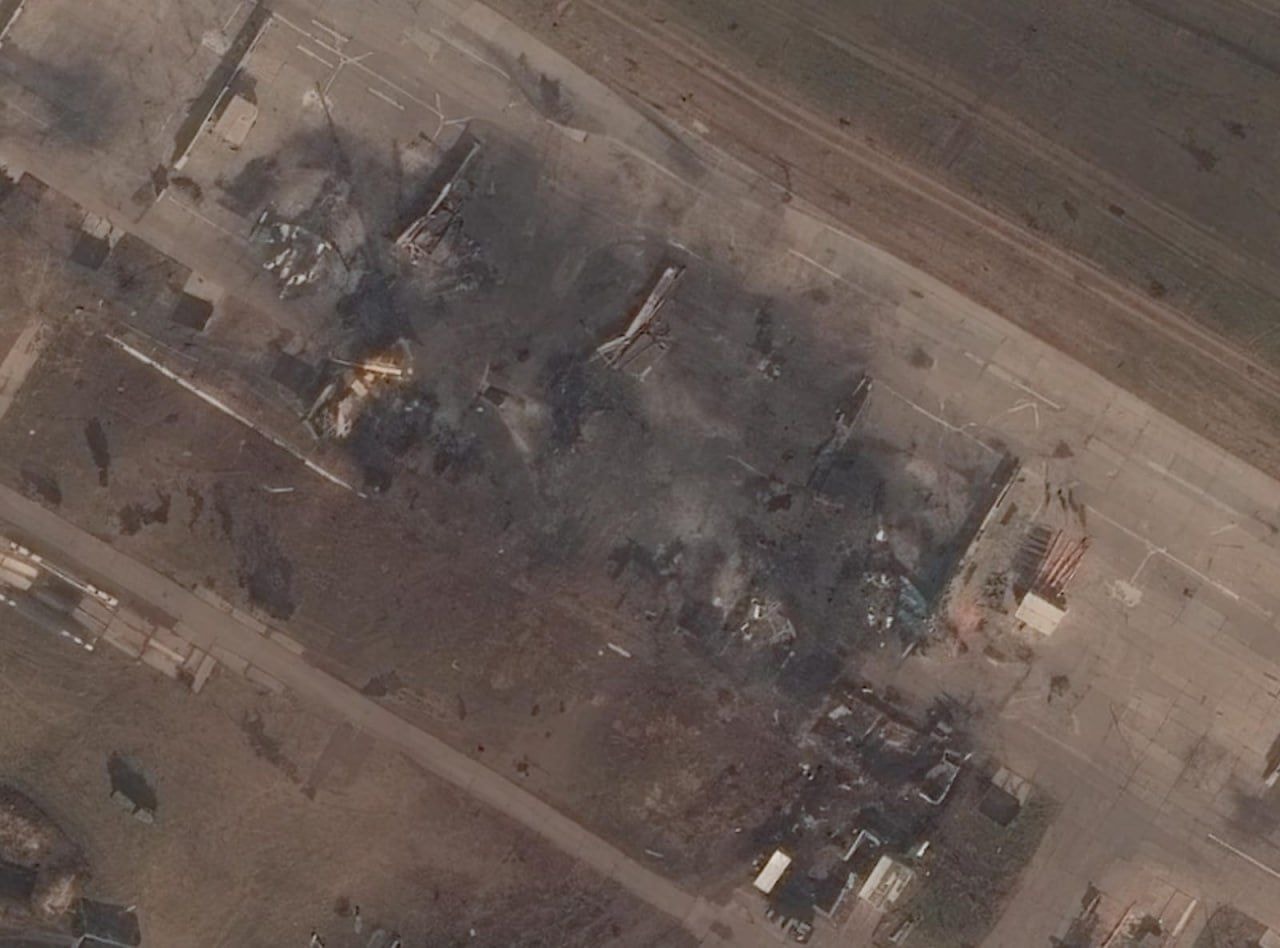
And in August and September, explosions hit two arms facilities of the EMCO company, which supplies weapons to Ukraine.
The company called the September incident sabotage, while the Bulgarian Interior Ministry did not rule out either foreign interference or company neglect.
NATO's 'weak link'
As Bulgaria's president, Radev was ranked among the most Ukraine-skeptical voices in the EU — often compared to former Hungarian Prime Minister Viktor Orban.
Since assuming the premier office, he has pulled Bulgaria out of the U.K.- and French-led Coalition of the Willing and halted arms supplies to Ukraine from Bulgarian army stocks.
He has also lambasted Western military aid for Kyiv, claiming it prolongs the war, and instead urged a diplomatic resolution.
At the EU level, Radev's government has blocked the inclusion of Moscow Patriarch Kirill in the 21st sanctions package and pushed to water down the EU's language on Ukraine's accession.

In light of these steps, drone strikes off the Bulgarian coast put Radev in an "uncomfortable position," Stefanov said.
"He built his campaign on the claim that there can be no military victory over Russia and that Bulgaria's interest lies in de-escalation," the expert noted.
"Those choices now raise the obvious question of why Bulgaria has not been spared."
Keranov believes that "Moscow is testing Bulgaria because it sees it as the weak link on NATO's southern flank."
Most NATO members along the alliance's frontier — from Romania to the Baltics — have already toughened their response to Russian provocations, with allied jets repeatedly downing invading drones.
Their leadership is also less reluctant to openly blame Moscow for the incursions.
While Radev's hesitation has provided ammunition to his domestic opponents, the prime minister's political position remains strong, Keranov said, adding that his popularity at home is not the real question.
"It is whether Bulgaria acts like a strong NATO member or keeps signaling indecision."
Note from the author:
Hi, this is Martin Fornusek.
I hope you enjoyed this article. In our team, we believe fact-based and truthful reporting should be available to all – that's why we don't use any paywall.
If you'd like to help us provide you with more in-depth coverage of Ukraine's struggle against Russian aggression, European politics, and other topics, please consider joining the Kyiv Independent community.