'Solidarity' and winter top EU agenda as leaders discuss new support for Ukraine
 on Google

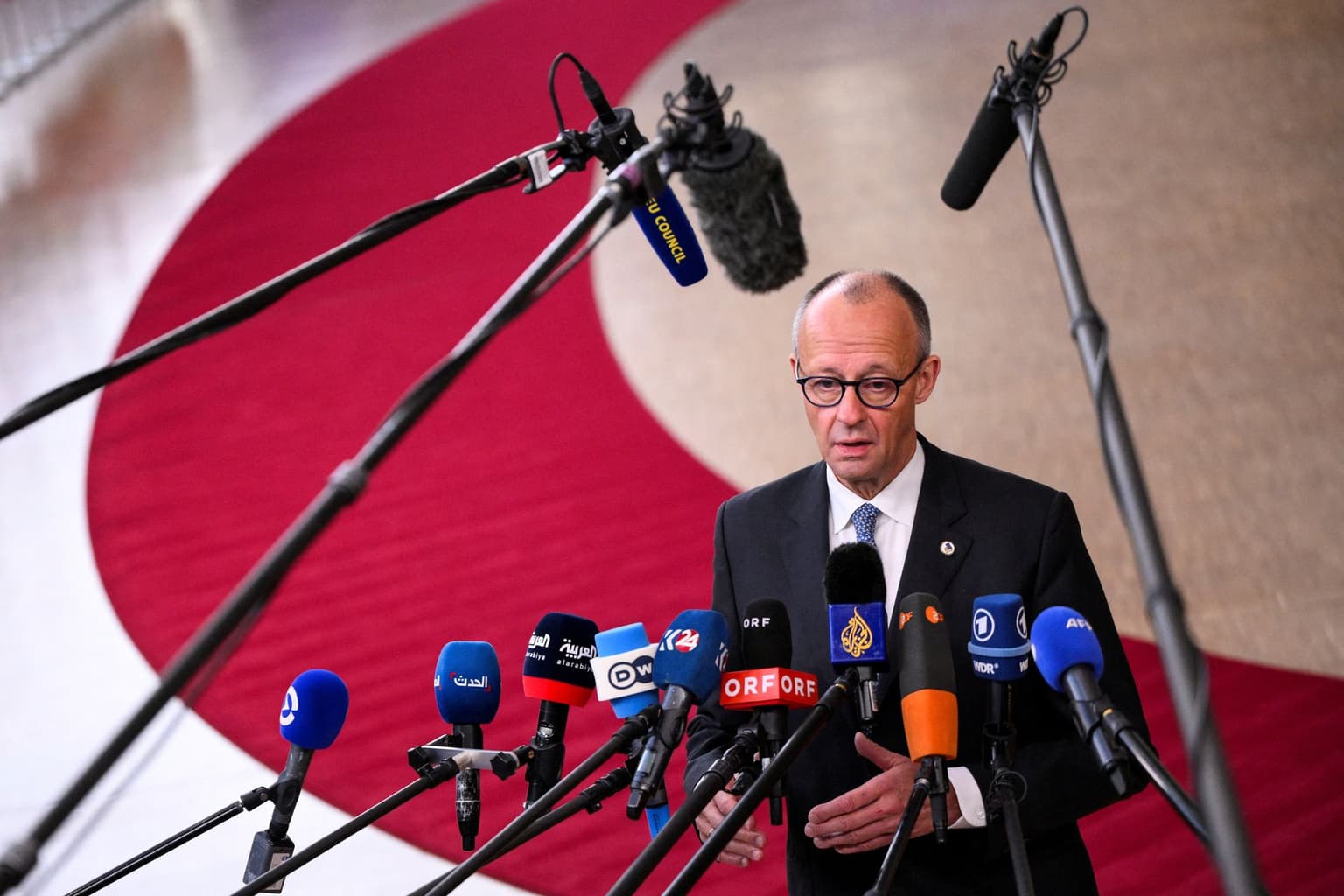
BRUSSELS, Belgium — EU leaders are falling into line behind German Chancellor Friedrich Merz's call for all 27 countries to financially back Ukraine through the winter and beyond, at the start of a Nov. 26 summit in Brussels.
The meeting's agenda is dominated by three questions that Merz has said must move together: agreeing the EU's long-term budget for 2028-2034, securing sustainable financial support for Ukraine within that budget, and approving a 45 billion euro ($49 billion) loan for Kyiv in 2027.
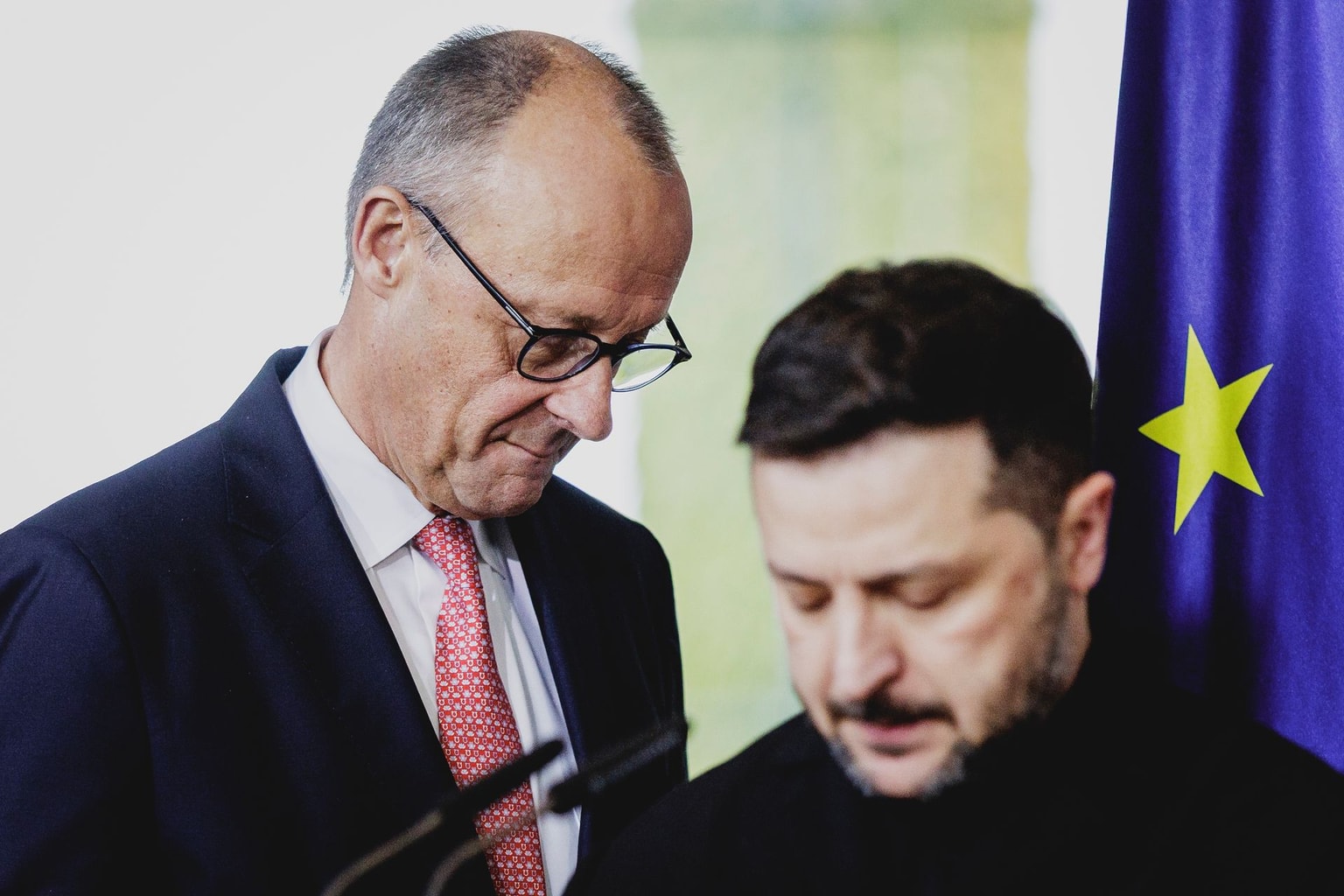
"If the European Union finances something, then it does so as the European Union, and 27 are part of this Union, not 23 or 24," Merz said, in reference to the four countries hoping to secure an opt-out from financing Ukraine: Bulgaria, Czechia, Hungary, and Slovakia.
"It is about solidarity here. This is not a one-way street," agreed Austrian Chancellor Christian Stocker.
Opt-outs "can no longer be a way in the future, that is also clear to me," Stocker said.
For the previous EU loan to Ukraine of 90 billion euros ($99 billion), approved in April, Hungary, Czechia, and Slovakia were able to opt out of being financially implicated.
"I think that is not a reasonable way of thinking; it is not in accordance with the rules of the European Council, and we should not make opt-outs a new tradition," said Swedish Prime Minister Ulf Kristersson.
One senior EU official told the Kyiv Independent that in a Nov. 25 meeting of EU ambassadors, the feeling was clear that the opt-out on the 90 billion euro loan was required as a one-off in order to reach quick agreement on urgent support for Ukraine, but that it will not set a precedent in the long term.
Many leaders emphasized at the opening of the EU leaders' summit the link between support for Ukraine and European security.
"Ukrainians are fighting for their own freedom but also for European democracy and values. We need to stand shoulder to shoulder with them," said Dutch Prime Minister Rob Jetten.
"Everyone needs to be in solidarity with the Ukrainians... absolutely no opting out," Jetten said.
"If we regard Ukraine as a fighter for not only their own freedom but for our freedom too, we have to support them in solidarity and not 23 or 24 countries," said Lithuanian President Gitanas Nauseda.
But for Czech leader Andrej Babis, one of those hoping to avoid paying more to support Ukraine, linking Kyiv's financing to the wider budget discussion is "completely absurd."
"I want to ask what the goal is. Every year we will pay Ukraine 135 billion euros. Until when? How many years? 10, 20, 30? What kind of strategy is this?" Babis asked.
Though even Babis' Ukraine-skepticism has its limits, and he was careful to point out that Czechia continues to help Ukraine with an ammunition initiative, and that Prague views Putin as an aggressor.
He thinks more needs to be done to advance peace talks, after which "we have to organize the Marshall Plan for Ukraine," Babis said, referring to a U.S. initiative after World War II to stimulate reconstruction in Western Europe.
No peace this winter
Every EU leader asked about peace talks expressed support for them in principle, but the reason for the lack of progress so far, for many of them, is not due to a lack of effort.
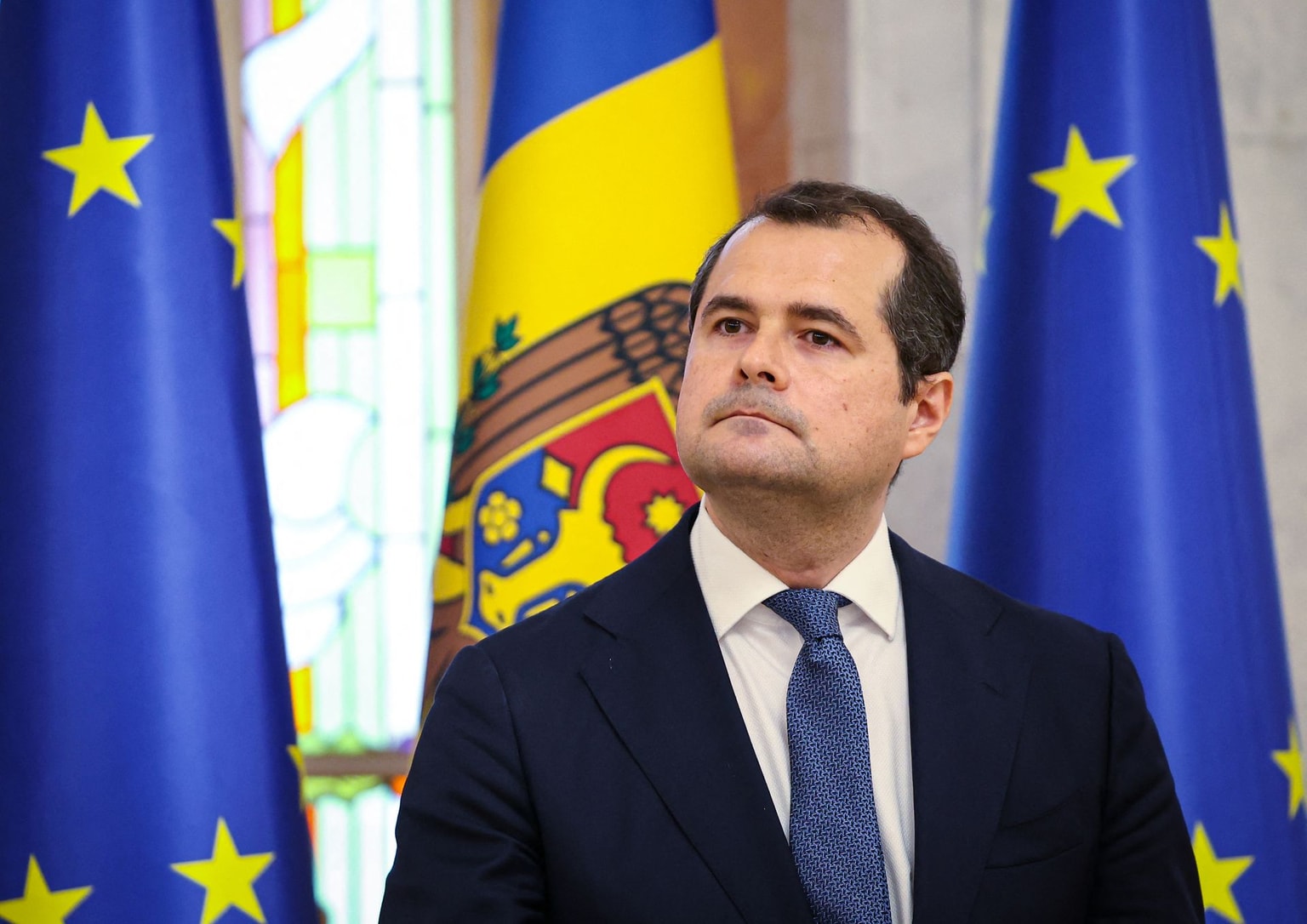
"Russia's calculation at this time is that winter benefits it, because it is additional pressure on Ukraine's energy networks, on Ukrainian society," said Romanian President Nicosur Dan.
"If we think realistically, the chances of peace are much greater in the spring than now," Dan said.
Nauseda agreed, saying that he thinks Russia "will try to make the Ukrainian people suffer one more terrible winter."
And Estonian Prime Minister Kristen Michal said that because "Ukraine probably will face a winter which is like hell... they must know that Europe has their back money-wise, with everything we have."
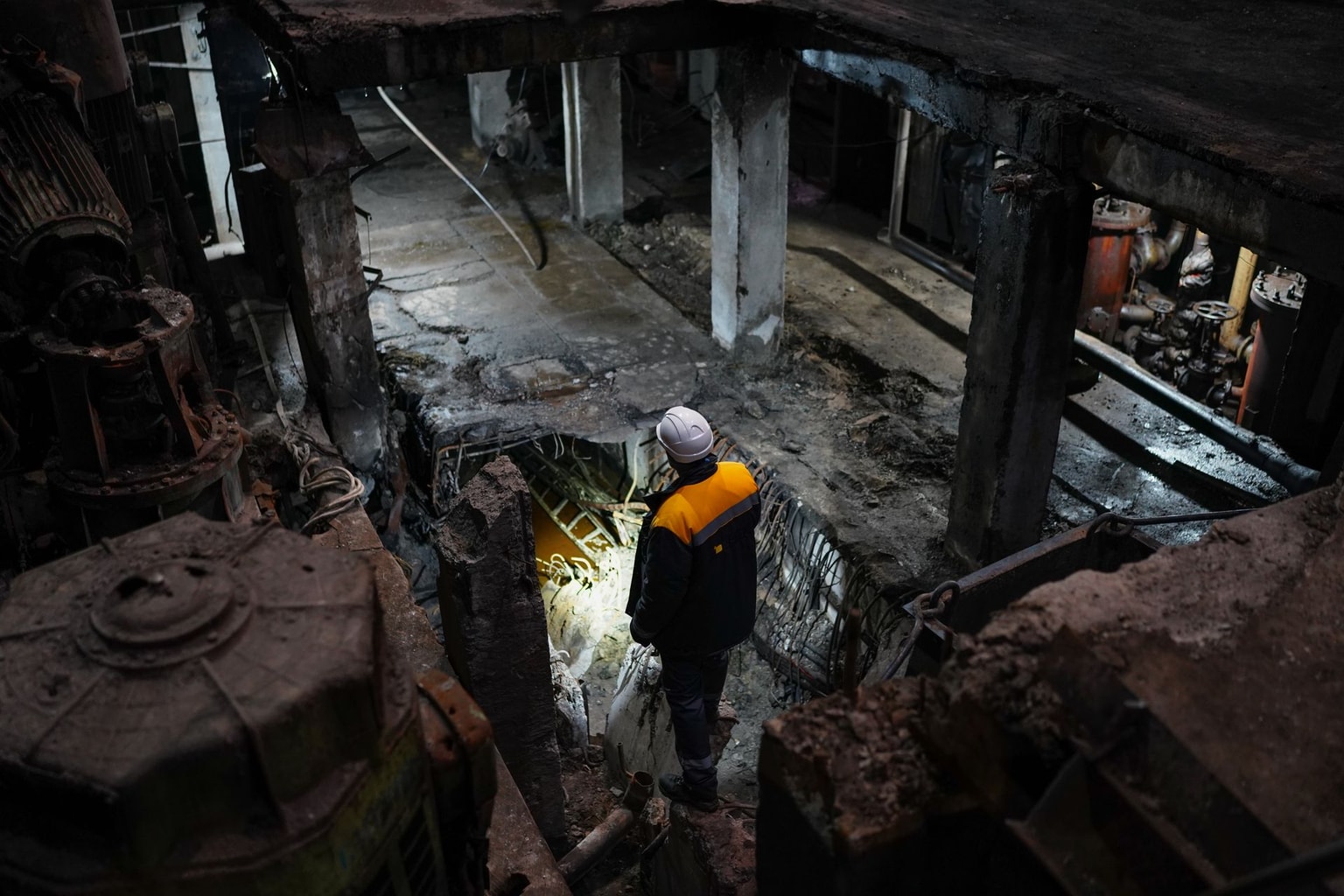
For Merz, there is no question: "we have to help this country through a very difficult winter."
The German Chancellor also listed the need for military, humanitarian, and reconstruction support, and that "all of this is a task that we have to do together in the European Union."
"Europe must be able to take action and become sovereign," Merz implored.
The alternative to providing support and helping Ukraine end the war, Merz suggested, would be "new refugee flows out of Ukraine," which he thinks is in the interest of "no one in Europe."