Zelensky calls for NATO to admit Ukraine at alliance assembly
 on Google

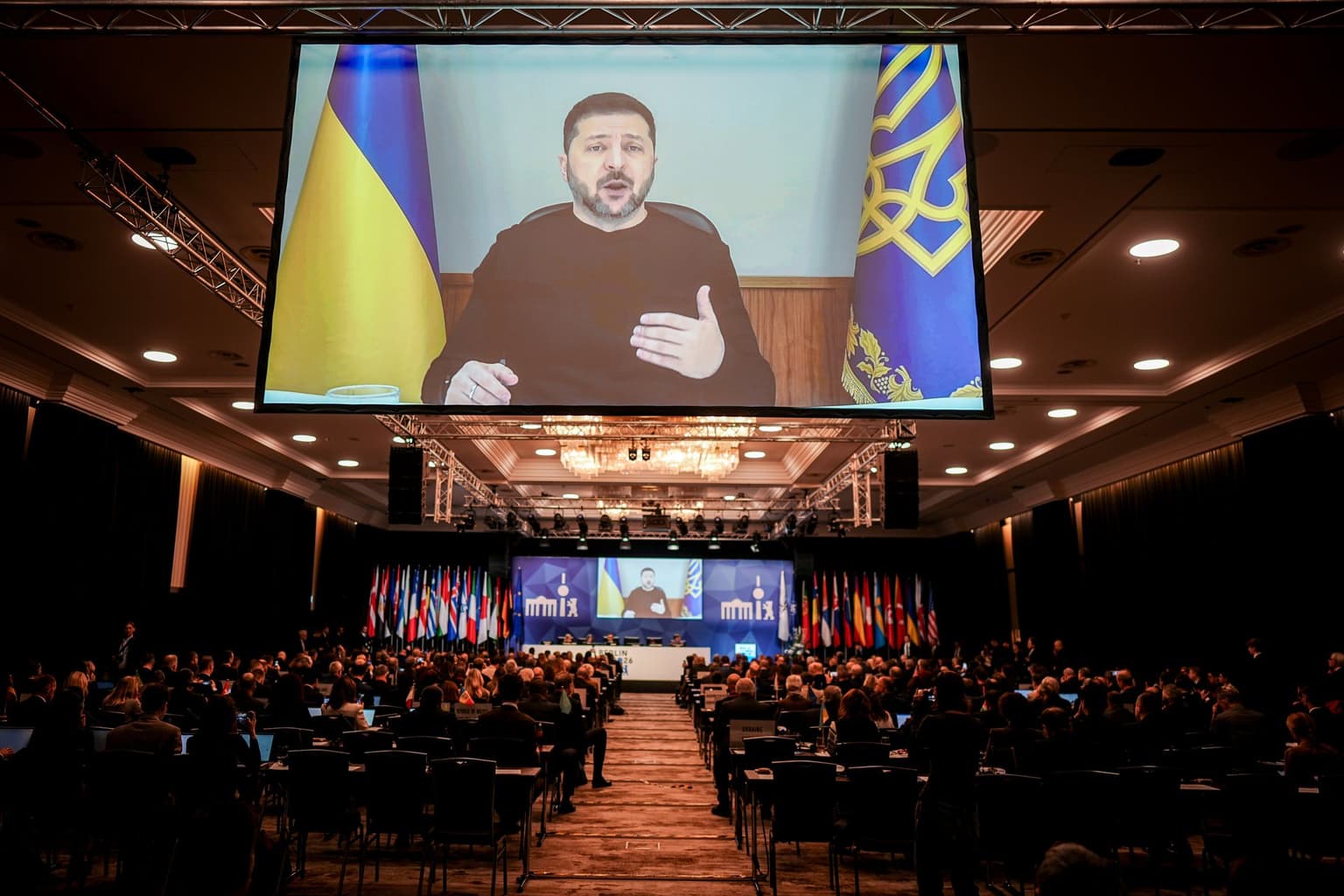
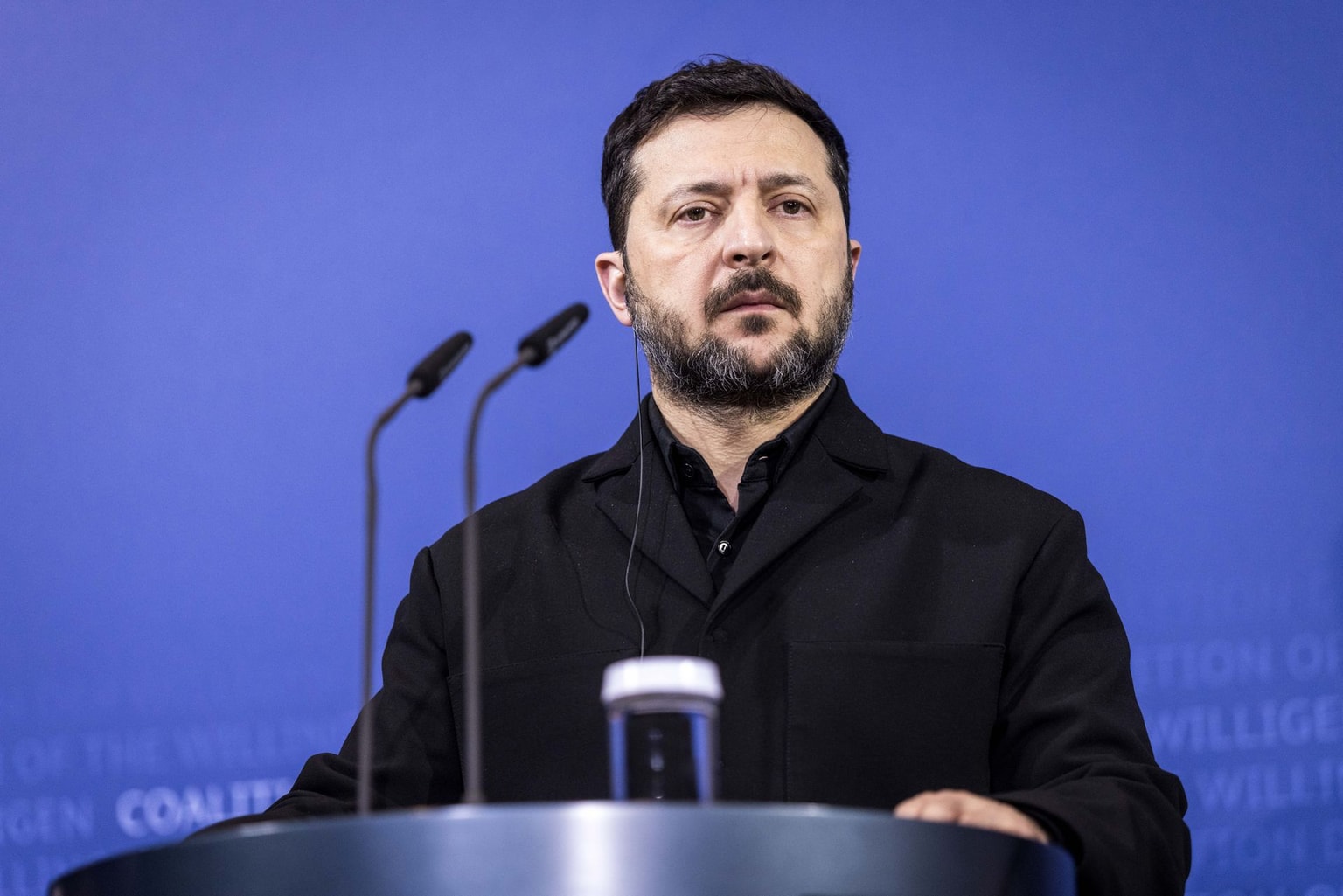
At an annual NATO Parliamentary meeting in Berlin on Nov. 23, President Volodymyr Zelensky called for Ukraine to enter the alliance amid rising tensions with Russia.
The NATO Parliamentary Assembly met following multiple escalatory incidents by Russia in recent weeks, and as peace talks appear to be gaining little traction.
In a video address to the assembly, Zelensky called for the alliance to admit Ukraine in order to provide robust security guarantees, an essential part of Ukraine's peace deal demands.
"If it's now commonplace to say that one of the key conditions for a peaceful life after this war is reliable security guarantees for Ukraine, which some are now calling 'like Article 5,' then why not simply say out loud what so many people are thinking?" Zelensky said, referring to NATO's mutual defense agreement. "Wouldn't it be more effective to simply admit Ukraine into NATO? Wouldn't that be better for all of us, for everyone? Wouldn't it be more feasible? And wouldn't it be more reliable when it comes to actually guaranteeing security?"
As part of NATO, Zelensky said Ukraine could provide its hard-won expertise in modern warfare to the alliance.
Speaking on the possibility of Ukraine joining the alliance, NATO Secretary General Mark Rutte demurred, citing potential complications in peace negotiations with Russia.
"We need Putin to play ball to be able to see how this all ends up," Rutte said, addressing the assembly. "In the end, there is total clarity on the side of the alliance that when it comes to our posture or who is a member of NATO, yes or no, it's for NATO to decide. But then I go back to the political situation, which is that not all NATO allies agree at this moment on letting Ukraine become a member."
At a joint press conference with Rutte on the sidelines of the assembly, German Chancellor Friedrich Merz lamented that Ukraine had not been allowed to join NATO earlier.
"Today, looking back, we can all see what a mistake it was not to support the American proposal at the 2008 NATO summit in Bucharest to admit Ukraine to NATO," Merz said. "If it had become a member of NATO, this war could probably have been prevented."
Throughout the assembly, recent Russian violations of NATO members' airspace and hybrid warfare threats loomed large.
On Nov. 20, three Russian missiles slammed into eastern Poland during a large-scale night attack on Ukraine. On Nov. 21, both Moldova and Finland reported separate instances of airspace violations by Russia.
"It is clear that this is a dangerous incident," Rutte said about Russia's violation of Poland's airspace. "[The missiles came] from Russia whether it is intentional or not has to be decided of course by authorities, I will never speculate. I can only comment on that when we have the evidence coming out of the system where Poland and other NATO allies work together to assess what exactly happened."
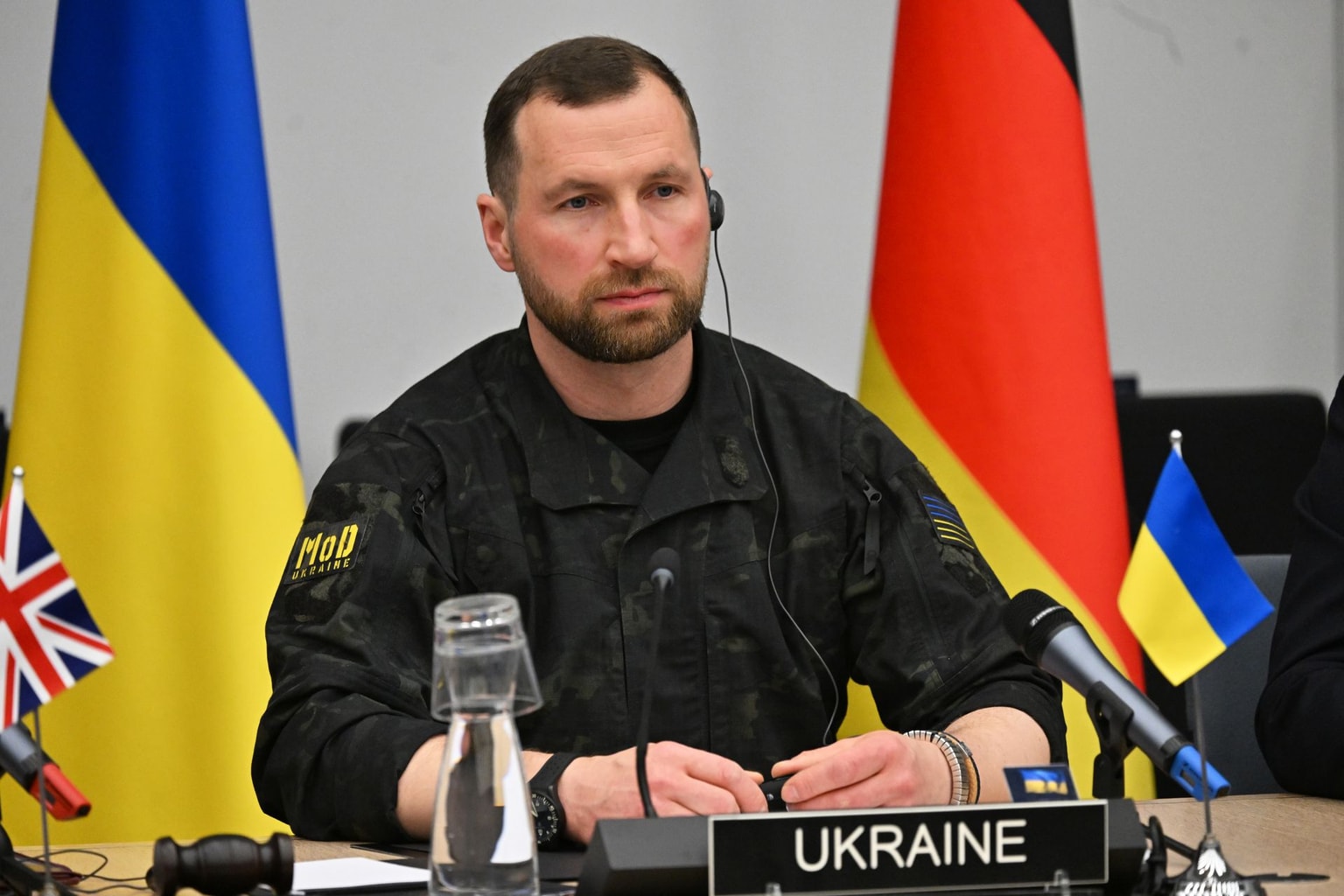
Addressing the NATO assembly for the first time since being appointed as Ukraine's Defense Minister, Yevhen Khmara warned the alliance of Russia's growing military production.
"Every five hours, the enemy produces one ballistic missile and continues to accelerate this pace," Khmara said, according to Business Insider. "Russia's primary targets are the civilian population and civilian infrastructure."
As Russian missiles and jet-powered drones continue to pummel Ukrainian civilian and energy infrastructure amid Kyiv's air defense shortages, Khmara called for more joint production projects with foreign partners.
"Ukraine has combat experience and technology, while partners have production lines and investment capabilities, Khmara said. "By combining these, we can create effective weapons more quickly in sufficient quantities to strengthen our armies."
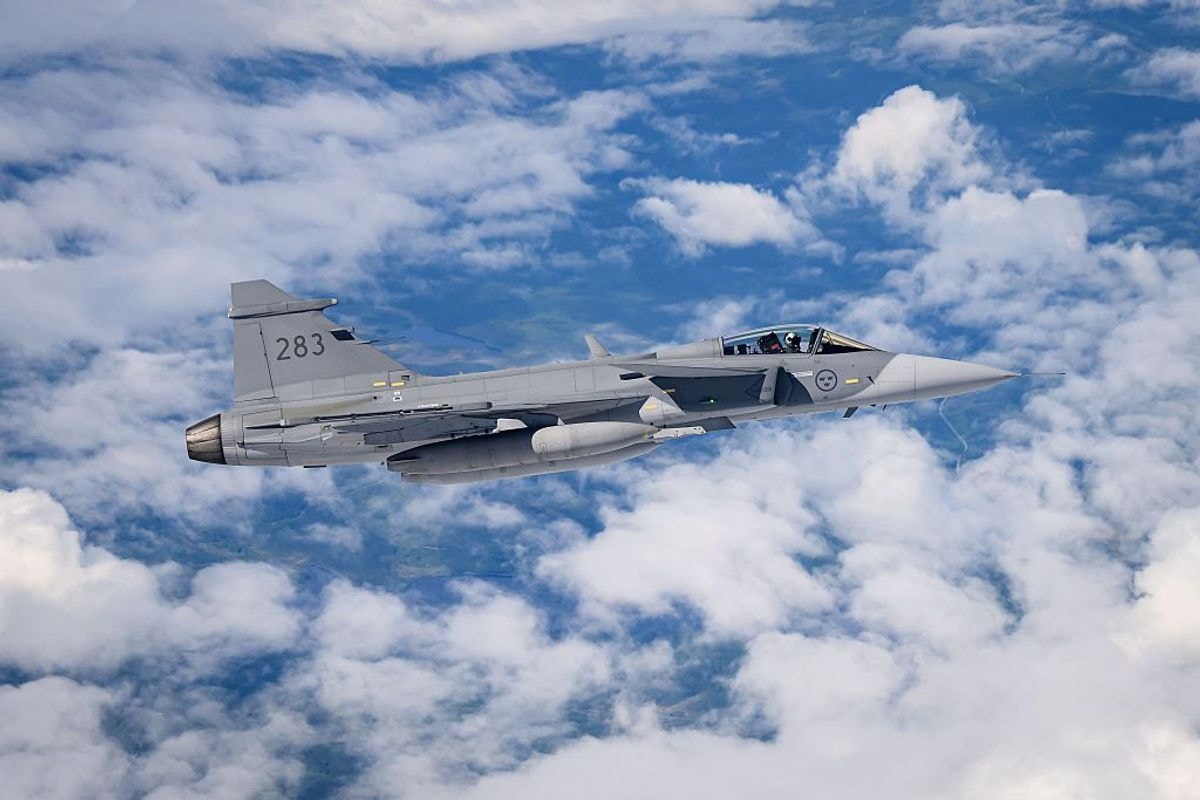
Khmara also called on the NATO nations to supply Ukraine with additional interceptor missiles and fighter jets to defend against Russian air attacks.
"A contribution to the security of Ukraine is an investment in the security of Europe," Khmara said.
The NATO Parliamentary Assembly will next meet in May for a session hosted by the European Parliament in Brussels.