Ukraine government welcomes newly proposed EU sanctions package
 on Google

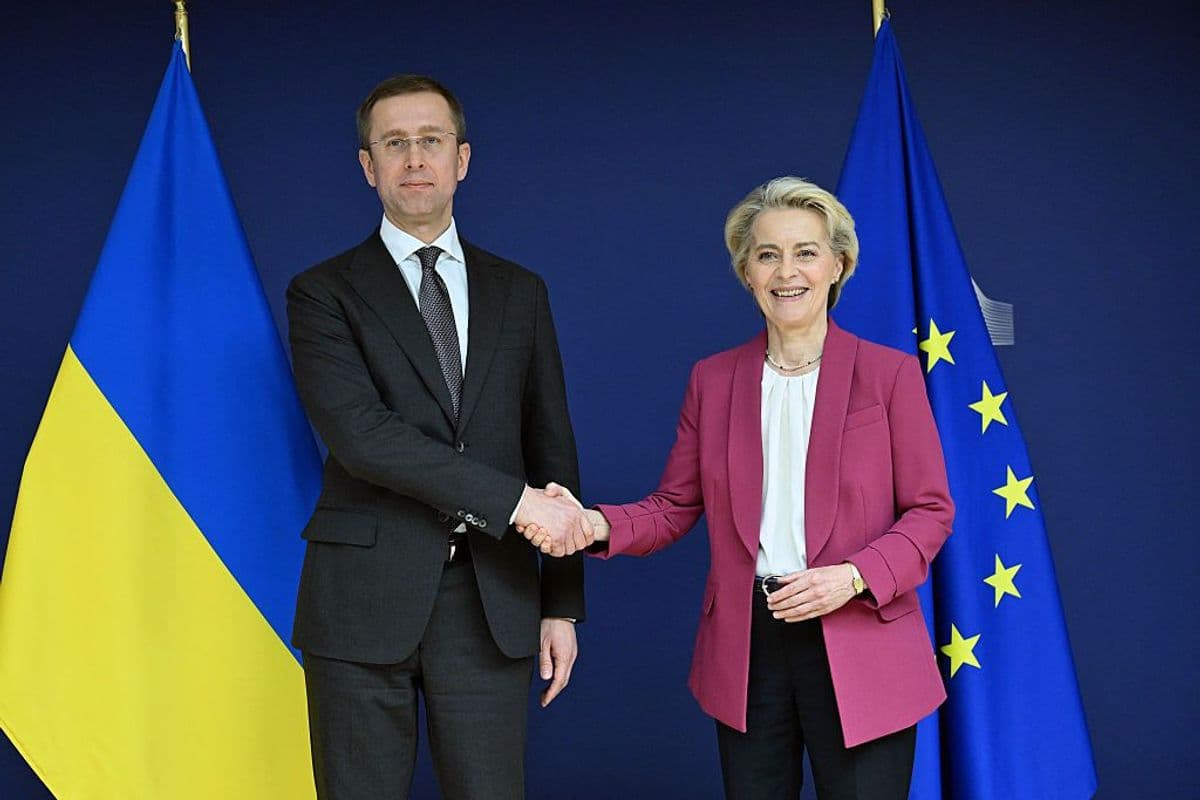
The 22nd package of EU sanctions against Russia, proposed on Nov. 23, has been welcomed by a range of Ukrainian government officials as helpful and, in some cases, a long time coming.
To pass, EU countries need to negotiate and then unanimously approve the European Commission's proposal, which some hope could happen before the end of the year.
Major focuses of this latest round of sanctions measures address Russia's use of sport to whitewash its public image, cryptocurrency to circumvent sanctions, and visa access for Russians into the EU.
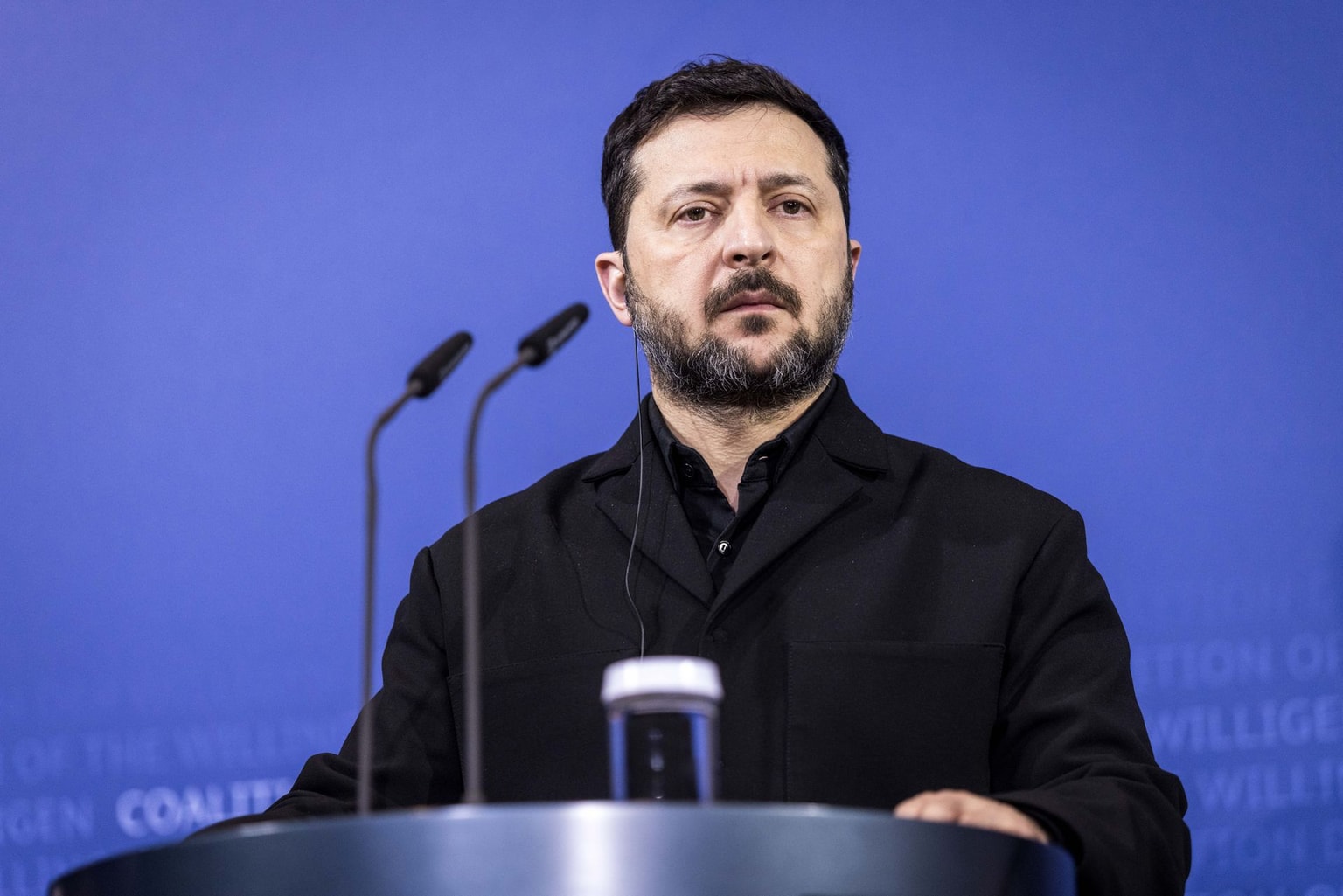
"I welcome the European Commission's proposal for the 22nd sanctions package on Russia," wrote Prime Minister Serhii Koretskyi.
"Thank you, dear Kaja Kallas, for your dedicated efforts to further strengthen pressure on the aggressor," Foreign Minister Andrii Sybiha wrote to the EU's top diplomat, who coordinates the lists of sanctioned entities.
"Pressure on the aggressor's finances and energy sector, enforcement against evasion, and the proposed ban on Russian ex-combatants entering the EU all strengthen the security of Ukraine and of Europe," Koretskyi said, in relation to flagship measures in the new package.
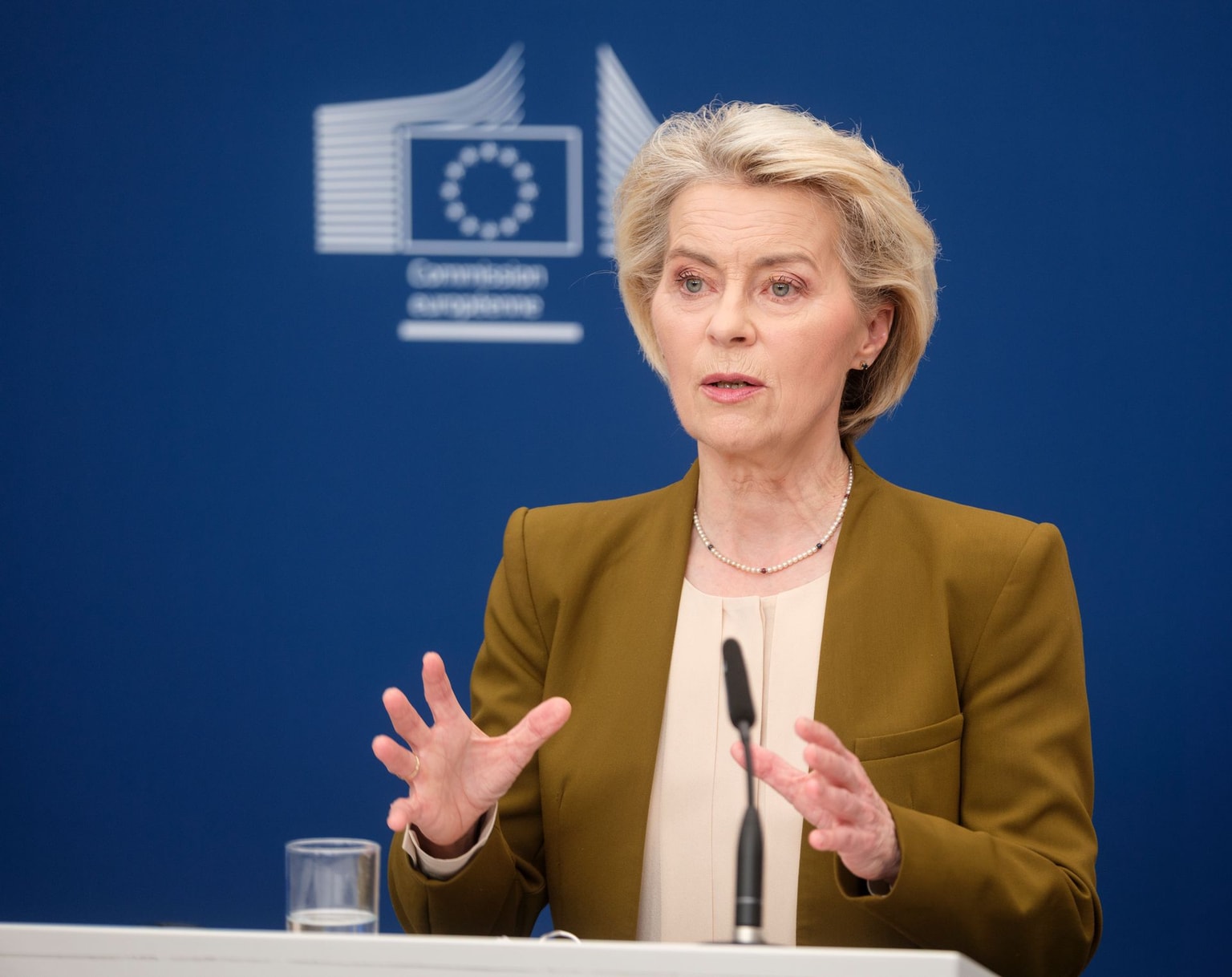
Sybiha reiterated that "sanctions and further isolation must be stepped up until Russia chooses peace over war," mirroring comments made by European Commission President Ursula von der Leyen when she presented the new measures.
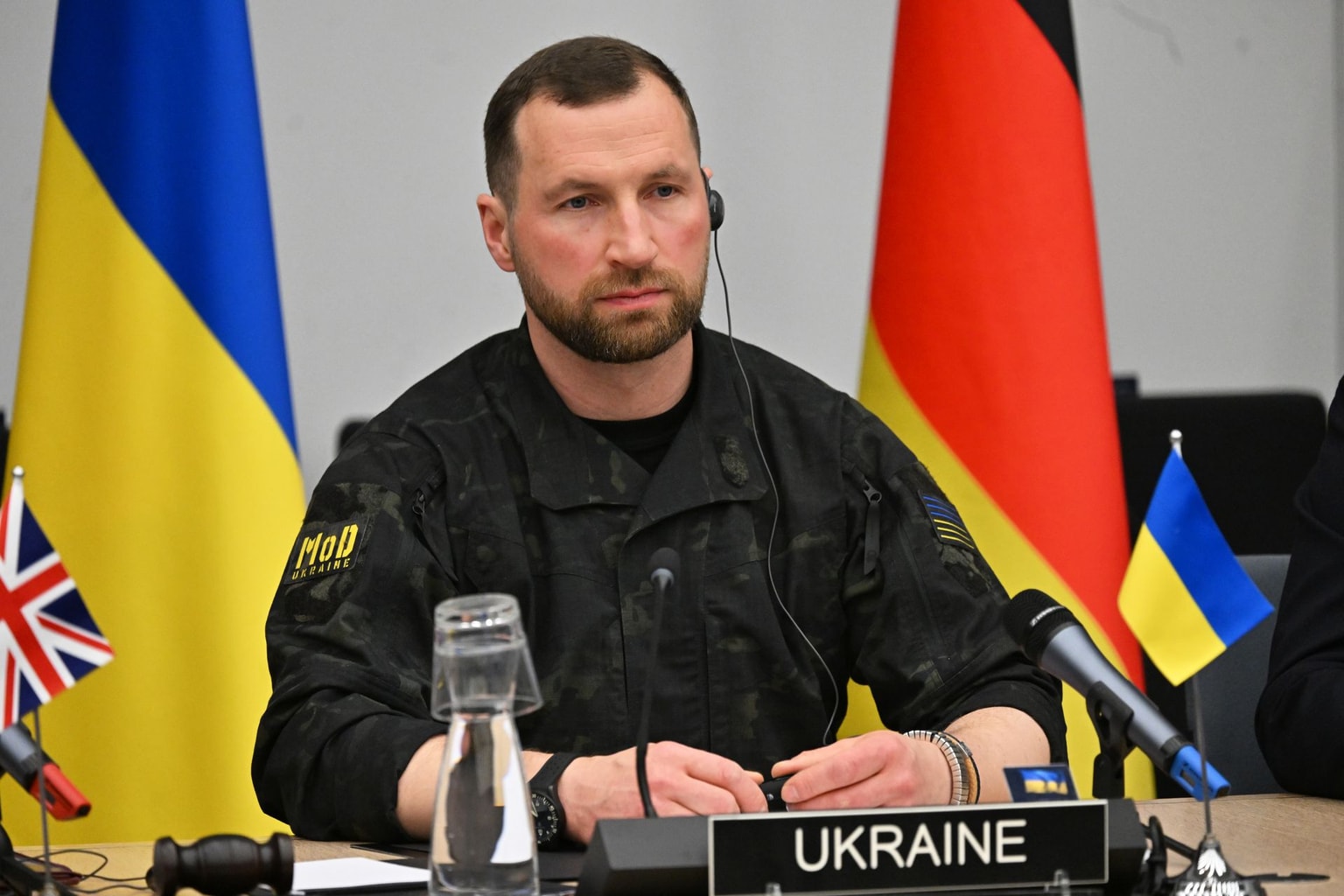
Sanctions chief Vladyslav Vlasiuk highlighted the bloc's only new energy measure: a ban on European companies helping Russia repair its infrastructure, including refineries.
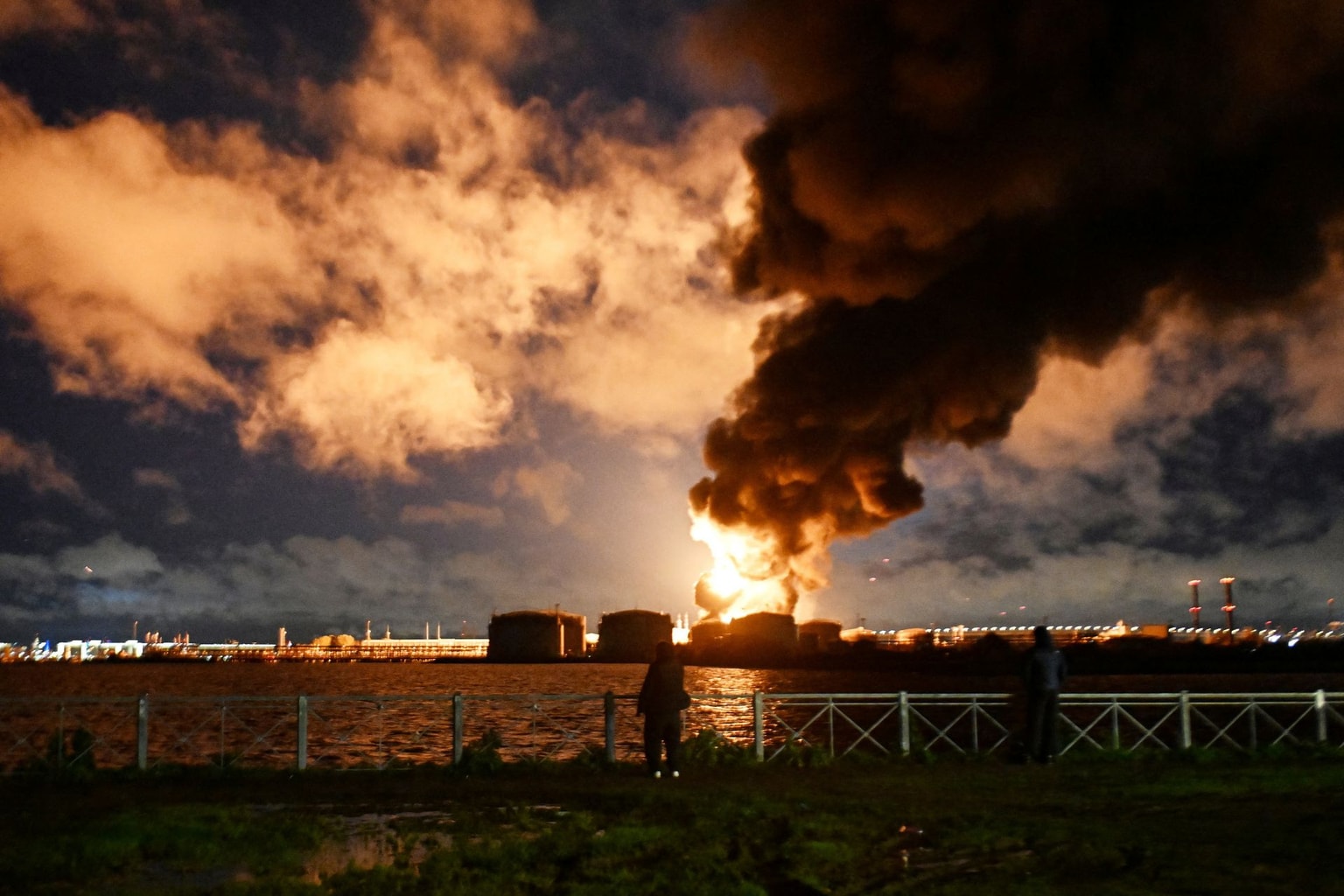
This measure has gained importance as Ukraine has become increasingly successful in attacking Russia's energy export infrastructure.
"We have pushed this since 2025," Vlasiuk said.
"Our lists of critical equipment (have been)... shared with partners," he noted.
However, some requests by Ukraine for new sanctions measures remain unaddressed, most notably Russia's nuclear sector, which is linked to ongoing projects in Hungary and Germany.
EU ambassadors are set to have a first round of discussion on the Commission's proposals on Nov. 25
But it is not expected to be discussed much at a summit of EU leaders Nov. 26-27, because that meeting will focus on a new 45 billion euro ($49.5 billion) loan proposal for Ukraine, the EU's next long-term budget, and how Ukraine support will be maintained over the years to come.