German approval of Russia-linked nuclear venture sparks warnings over espionage, Kremlin influence
 on Google
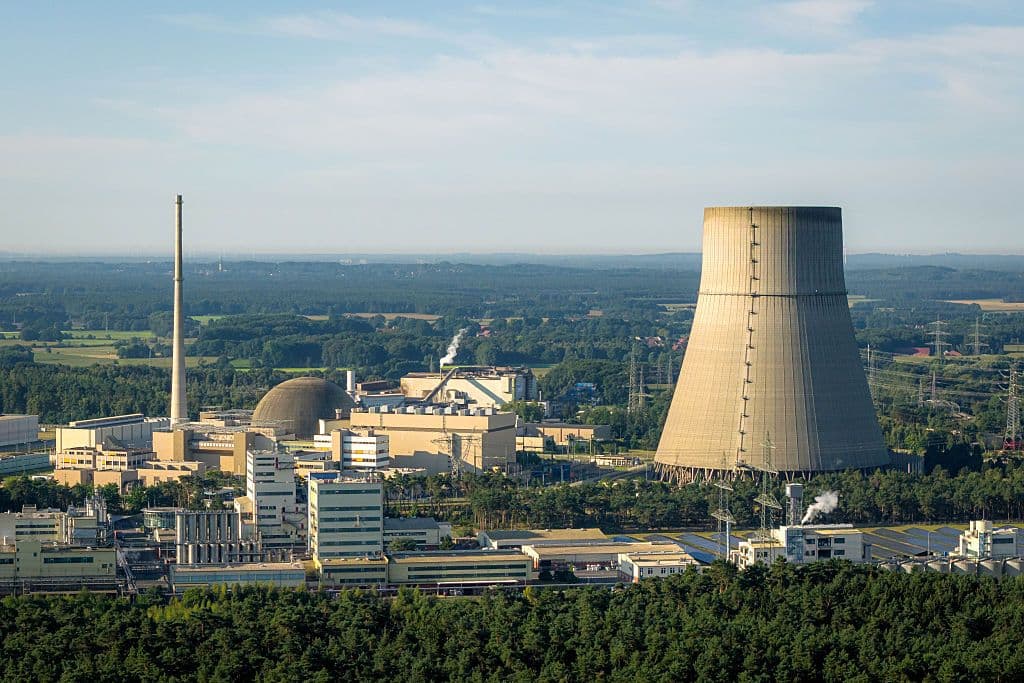
Kyiv-based energy think tank DiXi Group said it will work with German political parties and organizations to overturn Germany’s approval of a Rosatom-linked nuclear project, warning it could expand Moscow's influence over Europe's nuclear sector and pose espionage an sabotage risks.
The venture, approved on July 22, will see French company Framatome manufacture nuclear fuel rods and fuel assemblies designed by TVEL, Rosatom’s fuel subsidiary, at a factory in Lingen, Lower Saxony.
While TVEL will not operate the plant itself, Framatome will rely on licensing agreements with the Russian company, which will provide the technology, manufacturing expertise and technical documentation needed for production.
"Rosatom is an arm of the Russian government," President of DiXi Group, Olena Pavelnko, told the Kyiv Independent.
"The question is, does the EU want to have an arm of Russian President Vladimir Putin physically present in Germany and, moreover, have it influence the EU’s strategic nuclear sector?"
While other Russian state-owned giants, such as Gazprom, have been sanctioned by Europe, Rosatom remains unaffected despite its role in the occupation of Ukraine’s Zaporizhzhia nuclear power plant. As a result, there are no legal objections to the joint venture.
Europe has made little effort to untangle itself from the Russian company, with five EU countries still relying on Russian nuclear fuel to operate their reactors.
Supporters of the joint venture say it is a way to wean Europe off Russian fuel. But Pavlenko says it instead provides Rosatom with a way to circumvent the EU’s efforts to cut Russian energy imports.
Despite strong opposition to the project over the past two years, including from Lower Saxony Environment Minister Christian Meyer, the state's Environment Ministry approved the plan, overriding Meyer's objections.
The ministry did so despite being fully aware of the risks, Pavlenko said. In a report commissioned by the German federal government in June 2023, German environmental law professor Dr. Gerhard Roller highlighted the project's potential security risks.
"The federal ministry actually ignored Roller’s report," Pavlenko said.
"Roller's assessment was that it brings a lot of risks, including Russia's presence on German territory, access to nuclear infrastructure and information about that infrastructure," Pavlenko said.
The project will proceed under certain security conditions, including a general ban on TVEL and Rosatom employees, as well as people appointed by them, from entering the site. Employees will be allowed to enter only in limited circumstances and only while accompanied by authorized personnel.
Framatome previously faced criticism from DiXi Group after confirming in May 2024 that Rosatom specialists had been deployed to Lingen to train German workers. The company's management claimed no Russian specialists were working inside the factory.
DiXi Group hopes Rosatom will eventually be placed under European sanctions, which could suspend the project. The think tank has already discussed the risks with Andrius Kubilius, the European commissioner for defense and space.
Moreover, if the United States enacts new sanctions on Russia — including a ban on uranium imports from Rosatom and its subsidiaries — the project could also be halted, Pavlenko said.