Russian attacks cost Ukrainian businesses $7.7 billion in 2026, prime minister says
 on Google

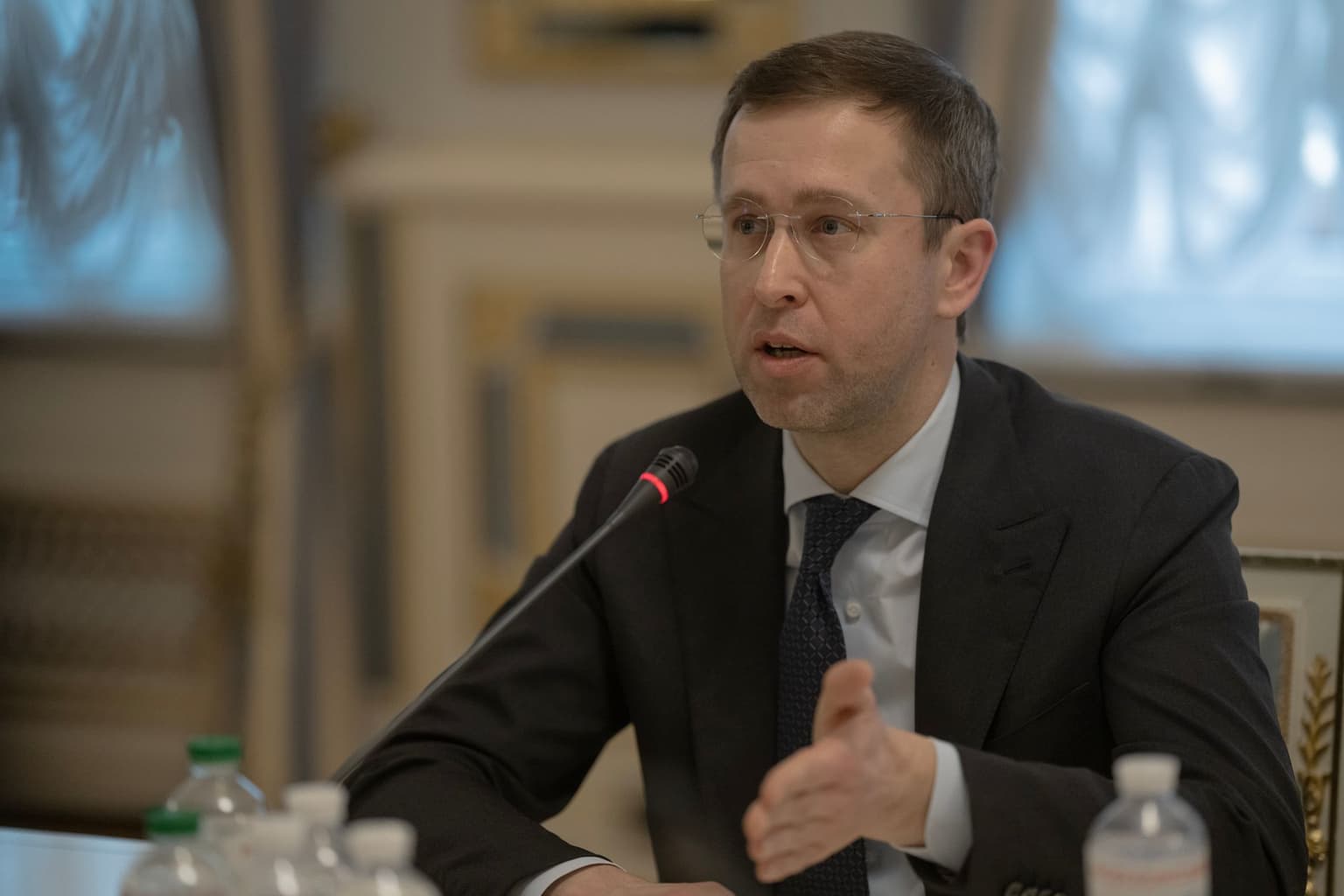
Russian attacks have caused an estimated $7.7 billion in losses to Ukrainian businesses since the beginning of 2026, Prime Minister Serhii Koretskyi said in an interview with BBC News Ukraine published on Oct. 19.
More than 1 million square meters of real estate, particularly warehouse and logistics facilities, have been destroyed or significantly damaged this year, Koretskyi said. The $7.7 billion estimate includes damage to business premises, manufacturing facilities and goods stored in warehouses.
"This is a very large figure that continues to grow," Koretskyi said.
The damage comes as Ukrainian businesses face mounting operational disruptions and weaker production as a result of Russian attacks and the ongoing invasion, now in its fifth year.
A monthly survey of 467 companies by the Kyiv-based Institute for Economic Research and Policy Consulting found that fewer businesses were operating at full capacity, while the share of companies reporting lower production volumes rose to its highest level in months.
The share of companies operating close to full capacity also fell for a second consecutive month, from 55% to 47%, according to the survey. Meanwhile, the proportion of businesses reporting lower production volumes rose from 15.6% to 22.6%.
The survey also found that 47.5% of companies said they could not forecast what their business would look like in two years, up from 40% in August.
Operational disruptions remain widespread. The survey found that 58.7% of companies lost working time because of air raid alerts, while 49.5% had to halt production during alerts.
Against this backdrop of mounting pressure on businesses, the government is considering measures to address wartime risks.
Koretskyi said in the interview that the government had proposed raising value-added tax (VAT) by one percentage point to establish a special fund to compensate businesses for insurance against war-related risks. The proposal was discussed at an online meeting with large companies several days earlier.
Discussions with businesses on other proposed policy changes have been more limited. Koretskyi said there had been no extensive consultations on changes to the rules for exempting employees from mobilization.