'Insane attack' — Death toll from Russian attack on Komyshuvakha rises to 40 as search operation enters 3rd day
 on Google

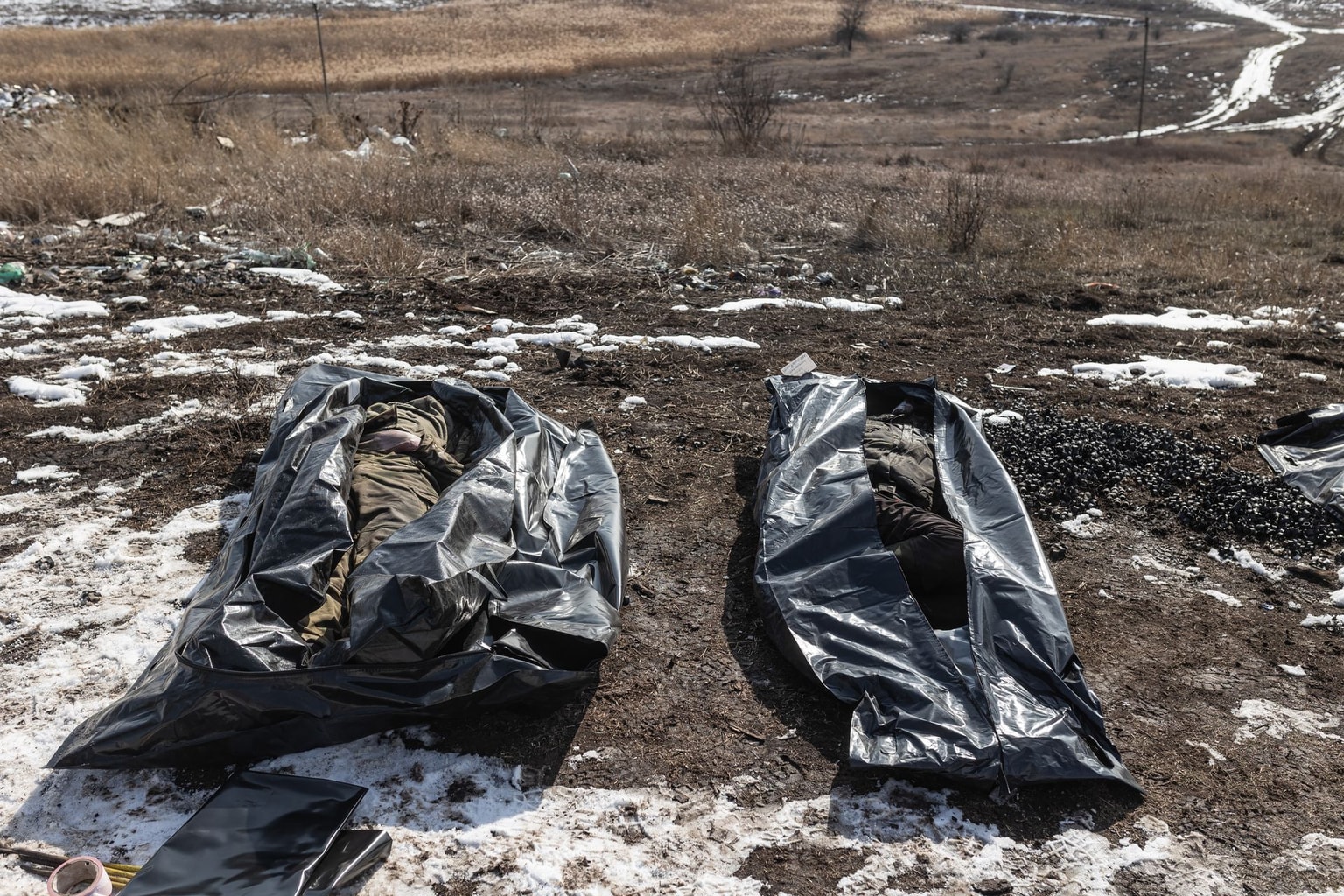
The death toll from a Russian airstrike on the village of Komyshuvakha in Zaporizhzhia Oblast has risen to 40, local officials reported on Nov. 4, as search-and-rescue operations continue for a third day.
Russian forces struck Komyshuvakha with aerial bombs on Nov. 2, hitting a school building used as a humanitarian aid distribution center. Russia used a 3-ton FAB-3000 aerial bomb, which contains more than 1,000 kilograms of explosives and has a blast radius of up to 250 meters.
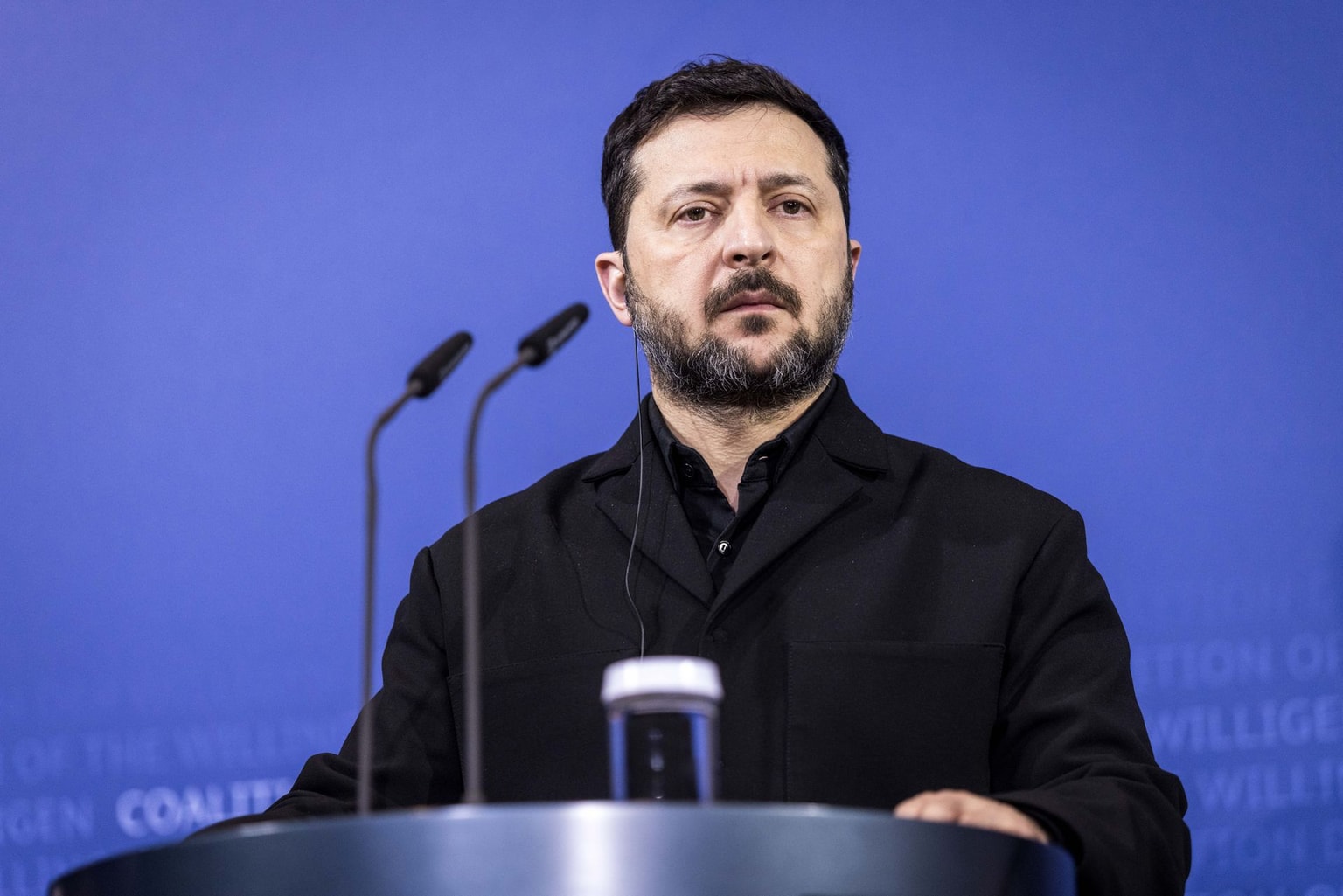
President Volodymyr Zelensky said on Nov. 4 that while 40 people are known to be killed, some of the bodies have not yet been identified.
More than 30 people may still be trapped under the rubble, Zelensky added.
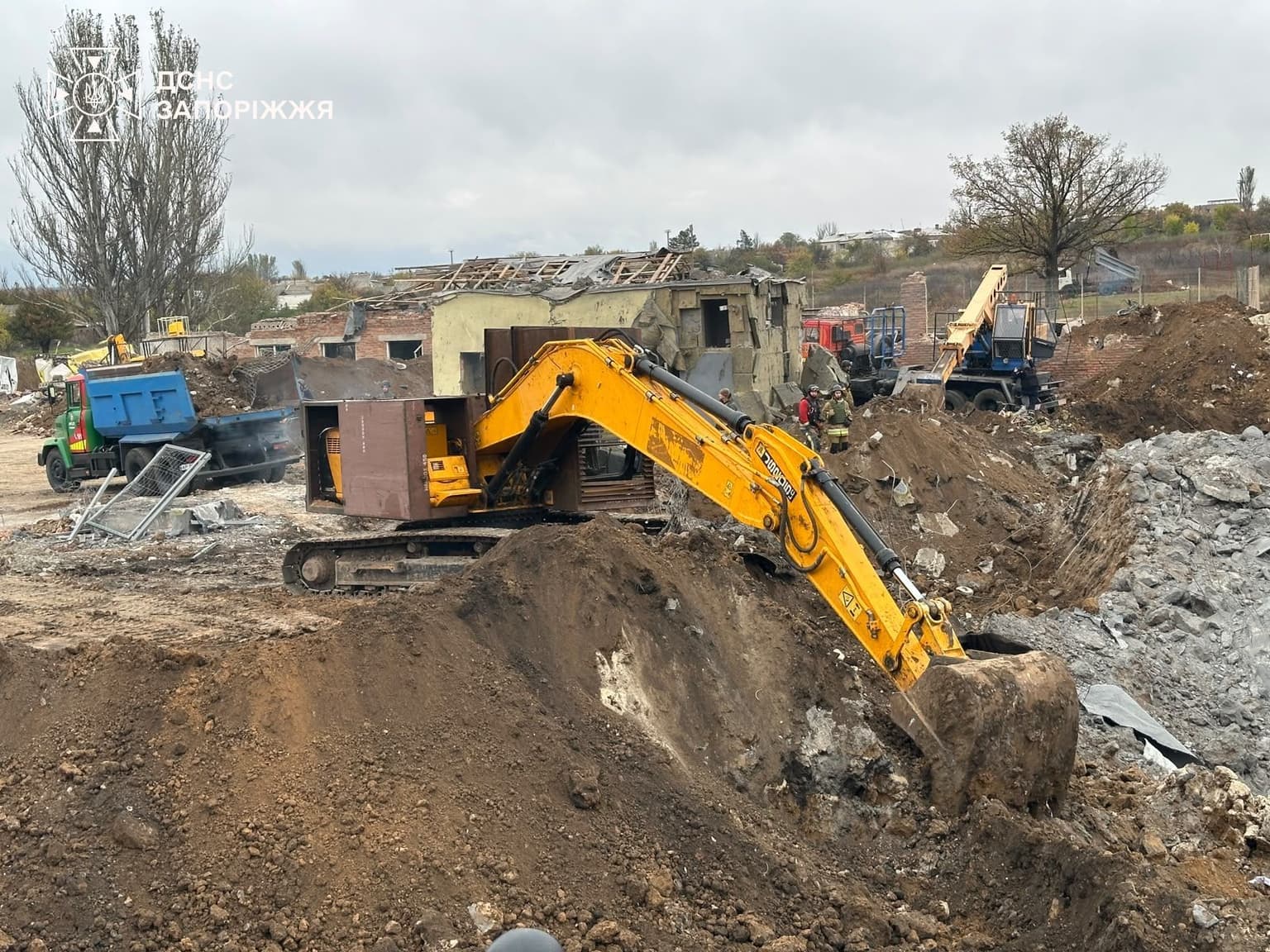
Rescue workers, including canine search teams and specialists from the State Mining Rescue Service, continue searching through the rubble for victims, Ukraine's State Emergency Service (DSNS) said on Nov. 4.
Zelensky called an ongoing rescue operation "very difficult" and "extremely challenging" as the constant threat of further Russian strikes remains.
Russian forces launched several aerial bomb attacks on Komyshuvakha throughout the morning of Nov. 2, initially striking a school where local residents gathered to receive humanitarian aid.
Following the first strike, Russian forces dropped another nine aerial bombs on a shelter where people were taking refuge, Zelensky said.
The president called it an "exceptionally horrific strike," saying it was proof Russia did not want to de-escalate the situation.
"Russian forces could not have been unaware that local residents who remained in Komyshuvakha received humanitarian aid there every week," Zelensky said.
According to the DSNS, rescue workers and police officers had arrived at the scene when the threat of another Russian strike emerged. The rescuers took shelter, but Russian forces carried out further strikes on the same site.
Among those killed were two rescue workers, Denys Konovalenko and Oleksii Sushchevskyi, both 44, DSNS said.
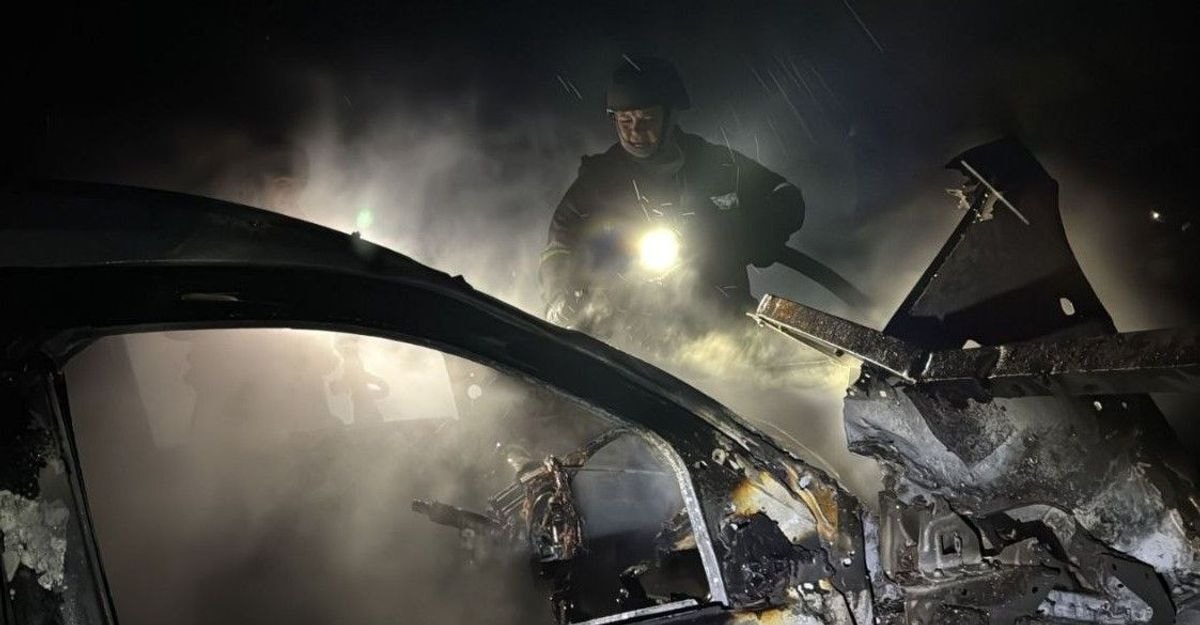
The attack destroyed a gymnasium, an outbuilding, and a fire truck, while also damaging the school building.
"The scale of the tragedy is horrific. Behind every number lies a human life, a family that has lost its loved ones or is still waiting for news of their loved ones," Regional Governor Mykhailo Semikin said.
Zelensky said that there has been very little reaction from the international community to the "insane attack" in Komyshuvakha.
"But (this attack), like the thousands of other war crimes Russia has committed against Ukrainian people, demands a strong response. Evil always goes further if it goes unchallenged. We are counting on a response: Ukraine needs air defense support right now," Zelensky said.
Komyshuvakha is located about 20 kilometers from the front line and has been considered a front-line settlement since November 2025 amid repeated Russian guided aerial bomb attacks, according to the Zaporizhzhia Investigation Center.
Russia frequently uses glide bombs, known as KABs, to attack front-line areas. Fitted with wing kits, these bombs can travel tens of kilometers, allowing Russian aircraft to strike targets from a distance while staying outside the range of air defense systems.