EU Council President Costa backs Meloni's criticism of peace talks 'disarray,' plans to fix it
 on Google

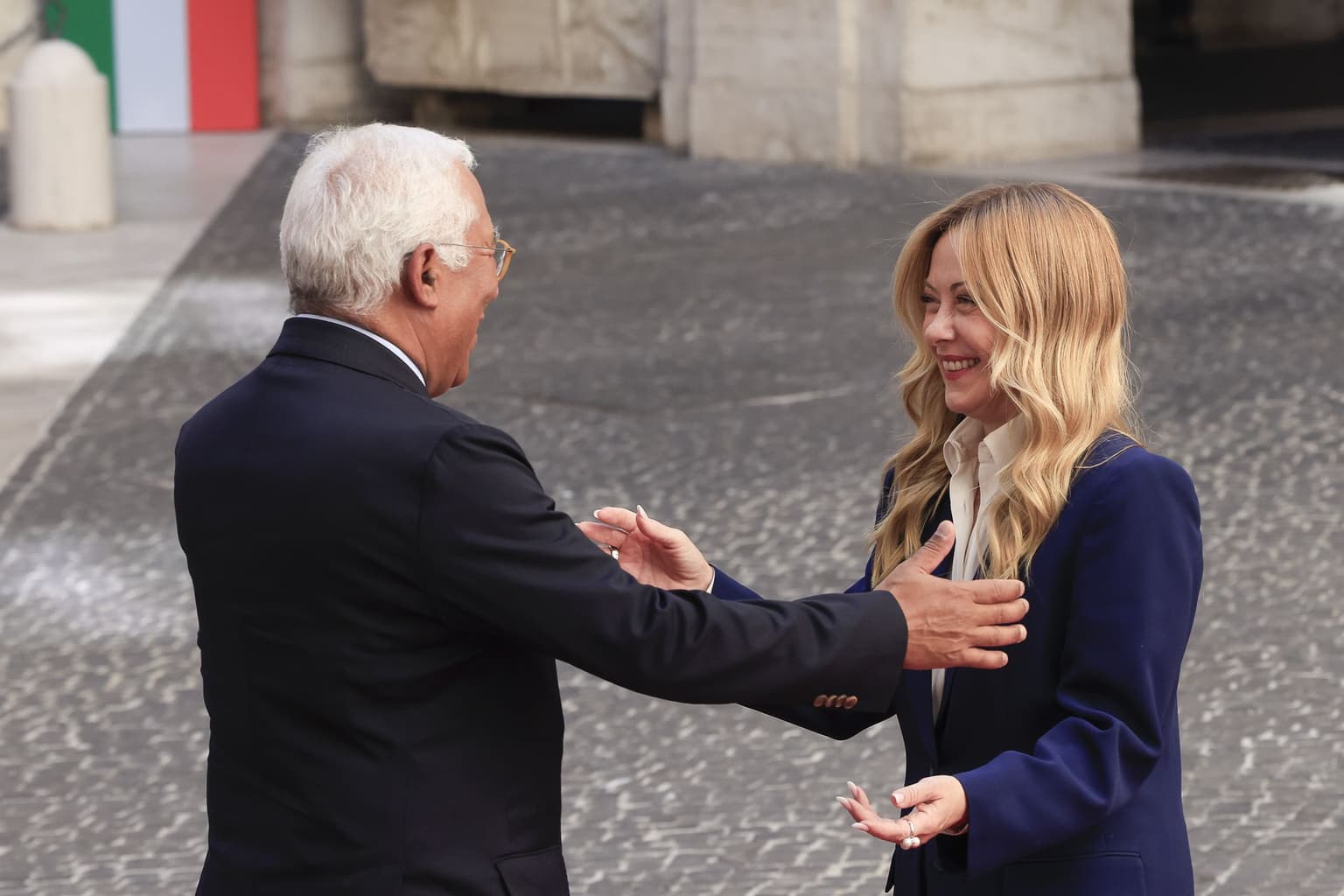
BRUSSELS, Belgium — Italian Prime Minister Giorgia Meloni's call for the EU to unify its peace talks strategy secured backing from European Council President Antonio Costa, according to a letter sent by Costa to Meloni on Nov. 5 and seen by the Kyiv Independent.
Meloni cautioned that the proliferation of peace initiatives risked sapping Europe's "credibility in handling one of the most complicated dossiers our nations are facing," in a letter to EU leaders ahead of their meeting in Dublin on Nov. 13.
Costa has voiced a similar sentiment.
"The European Union's participation must be organized in a manner that enables it to convey a clear and unified message, to defend its interests, and to support Ukraine," Costa wrote in response to Meloni.
"I take note of your request to discuss this matter further at the forthcoming informal European Council meeting in Dublin, and I will make time for this discussion," Costa wrote.
Europe's role in peace talks has been repeatedly speculated about and debated, with the EU sometimes being involved in peace initiatives and sometimes left out.
Even when included, the nature of Europe's representation constantly changes, sometimes led by France, Germany, and the U.K.; sometimes by the European Commission; and sometimes by all of the above.
There are also separate bilateral efforts, such as a recent call between Russian President Vladimir Putin and the leaders of Norway and Finland.
For Costa, it is clear that "the European Union's interests need to be represented by its institutions, in accordance with the Treaties (underpinning the EU)."
Ukraine has also said that Europe must be represented at the peace talks.
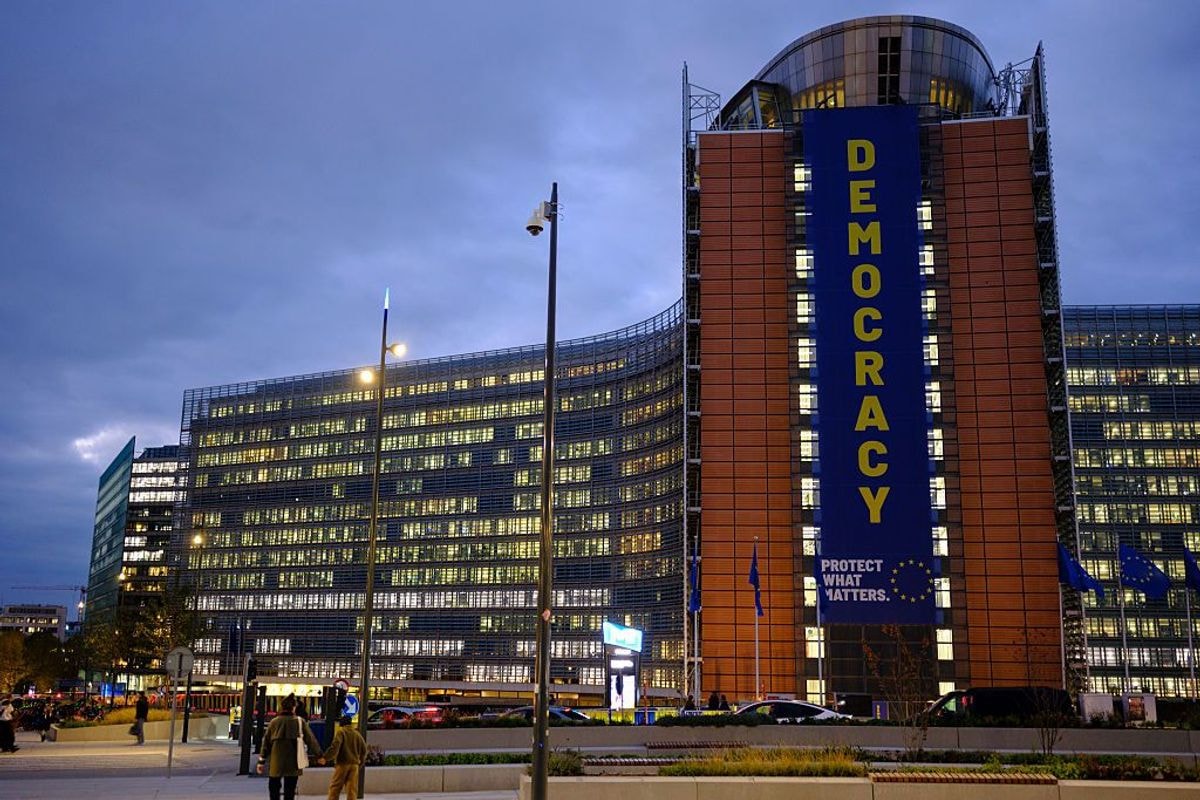
Because Europe provides the vast majority of financial support to Ukraine and is expected to also underwrite any future security guarantees, which include EU membership, it is becoming increasingly clear that for a peace deal to work in practice, Brussels needs to be involved.
President Volodymyr Zelensky praised the EU's work on the diplomatic front during the last meeting of EU leaders in October, where he also laid out all of the work being done by the bloc to support Ukraine.
And when the U.S. proposed ideas for the peace deal that the EU should accept without consulting Brussels beforehand, the bloc increasingly made clear it would defend its interests — be it over Russia's immobilized assets or purchases of Russian energy.