Exclusive: EU report confirms Trump threw Russian energy sector an economic lifeline even as sanctions, Ukrainian drones, bite hard
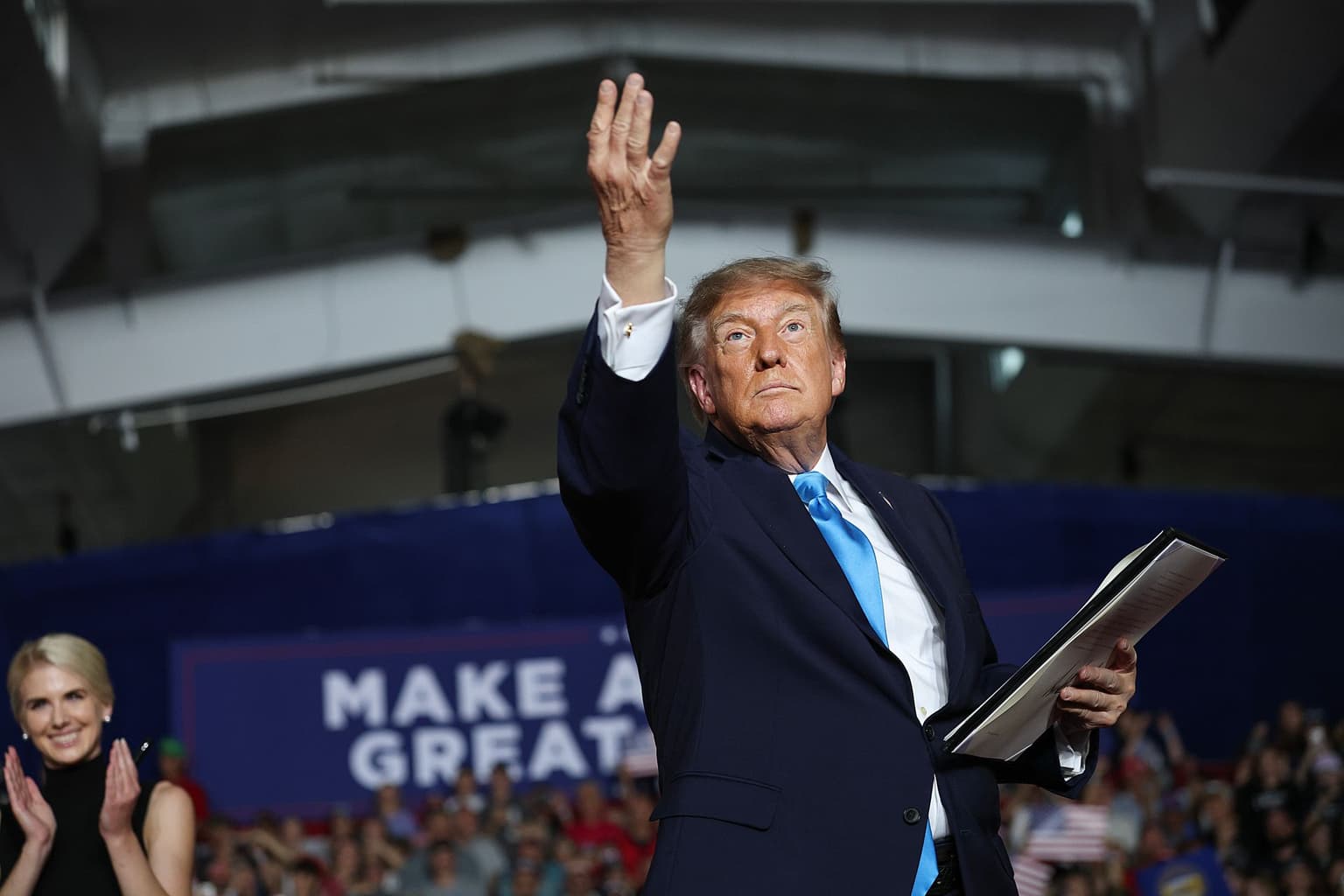
U.S. President Donald Trump signs an executive order on diesel fuel prices during a campaign rally in Grand Island, Nebraska, U.S., on Oct. 5, 2026. (Win McNamee / Getty Images)
 on Google
BRUSSELS, Belgium — U.S. entanglements in Iran and Venezuela reversed a downward trend in Russia's ability to generate revenue from oil exports, confirmed a European Commission report circulated to EU countries on Nov. 24 and seen by the Kyiv Independent.
The EU report is assessing the effect of the Russian oil price cap, first agreed by the G7 in 2022, and whether it has successfully limited Russia's ability to fund its war against Ukraine through energy exports.
Russia's crude oil export revenue of $102 billion for January-September 2026 "already exceeds the total amount recorded for the whole of 2025 ($101 billion)," notes the report.
The report attributes this to "the Middle East crisis," a shorthand the document deploys to refer to U.S. President Donald Trump's decision to attack Iran in February, which was followed by Tehran choking off supplies through the Strait of Hormuz.
In the 21-page report on the Russian oil price cap, Hormuz is mentioned 14 times, Iran 17 times, and Middle East 12 times.
The report describes Russia as "regaining negotiating power" thanks to the "supply shock" caused by the disruption in the Strait of Hormuz, a disruption it goes on to describe as "unprecedented in scale."
"On the contrary, the sanctions have played a key role in limiting the ability of Russia to benefit from the increase in oil prices due to the Middle East crisis."
Oil flows from March-May 2026 were 85% lower than before the all-out war, notes the report.
The end result for Russia was a significant increase in crude oil export revenues from $6 billion in February, to $11.3 billion one month later.

"After declining during the summer, revenues increased again to $14.5 billion in September 2026," reads the report.
Despite the pressure on Russia loosening due to rising oil prices, the EU report emphasizes that without the oil price cap, the situation would be significantly worse.
"On the contrary, the sanctions have played a key role in limiting the ability of Russia to benefit from the increase in oil prices due to the Middle East crisis," claims the report.
It further estimates that, absent a price cap, Russian crude oil exports by sea would have been $30 billion higher, and Moscow would have earned $10-$15 billion more from petroleum products since March.
But the report also mentions that one country has failed to tighten its oil price cap in tandem with other countries belonging to the Price Cap Coalition — the U.S.
It's not all about the U.S.
Being largely self-sufficient in fossil fuel supplies, the U.S. participation in the oil price cap is more symbolic than of substance.
In fact, while the EU was previously the main customer for Russian energy supplies before Moscow launched its full-scale invasion, China and India now account for 85% of Russia's total energy exports.

Australia has banned the import of Russian crude oil and refined petroleum products, but it has yet to close a loophole for third-country petroleum products made with Russian oil, which India notably has benefited from.
That has led civil society and the Australian Senate to push for the government in Canberra to close the loophole, albeit without success so far.
Even absent that measure, however, shifting the value-added processing work to third countries denies Russia the ability to profit fully from its fossil fuel reserves.
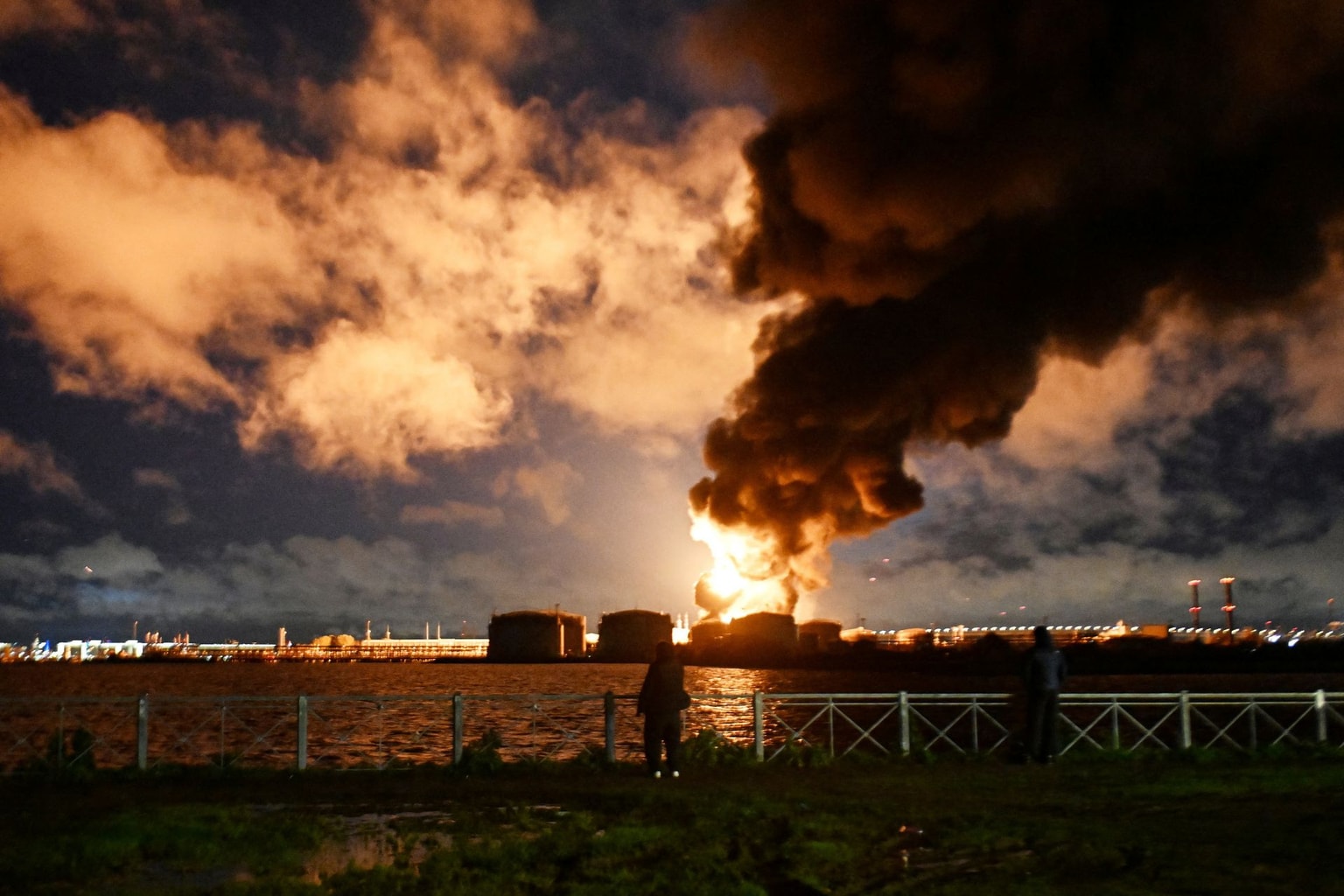
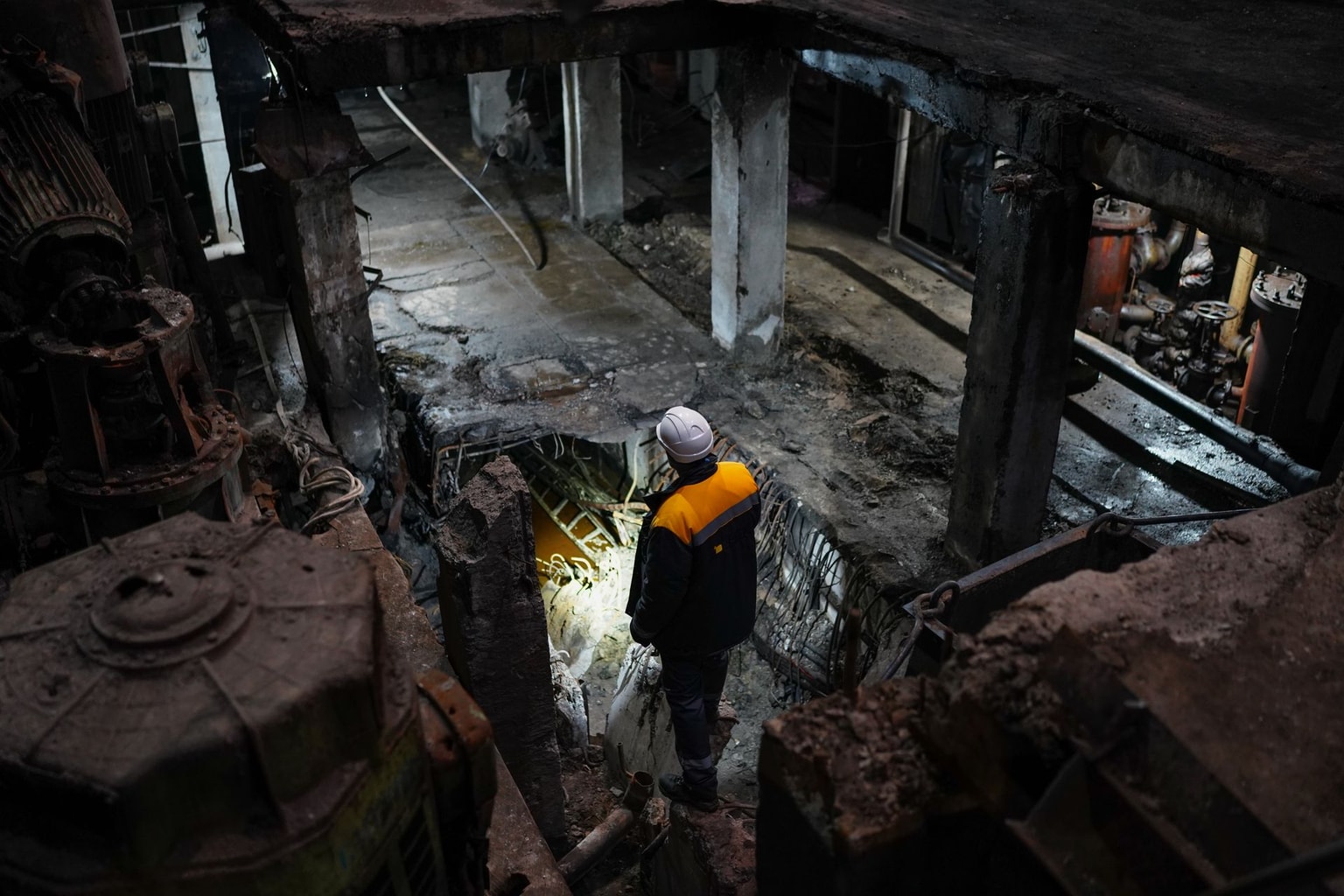
And the report notes that Ukrainian drone attacks on refineries have exacerbated the problem for Moscow, leading seaborne exports of petroleum products to drop by a third.
Likewise, the report estimates that Russia's need to build a shadow fleet to help it evade Western sanctions has cost Moscow likely in excess of $10 billion.